
It usually starts quietly, which is part of the problem. You ask people to repeat themselves a little more often. The television volume creeps up, and your spouse starts to comment on it. Restaurants and family gatherings feel exhausting because picking out one voice from the background chatter takes real effort. Phone calls become something you avoid. If any of this sounds familiar, you are far from alone, and more importantly, you are far from helpless. Hearing loss is one of the most common health conditions among adults over 60, and it has never been more treatable than it is today.
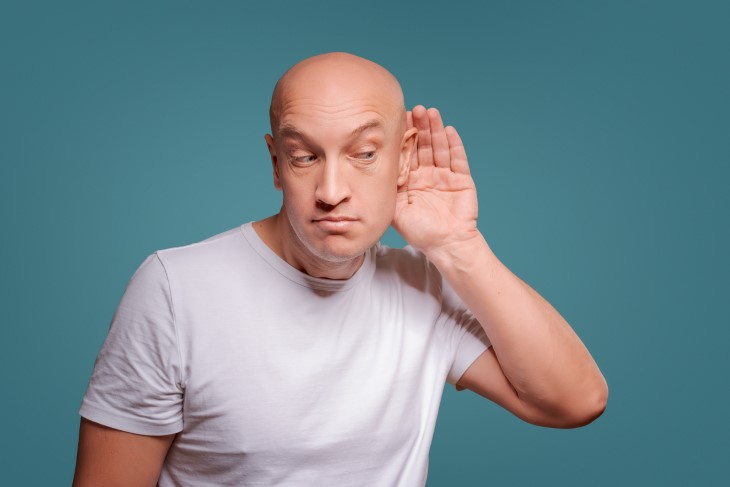
In this article we will look at why hearing tends to fade with age, the warning signs you should not ignore, where to go for help, and the full range of treatments available right now, from remarkably smart modern hearing aids to surgical options and simple things you can do at home.
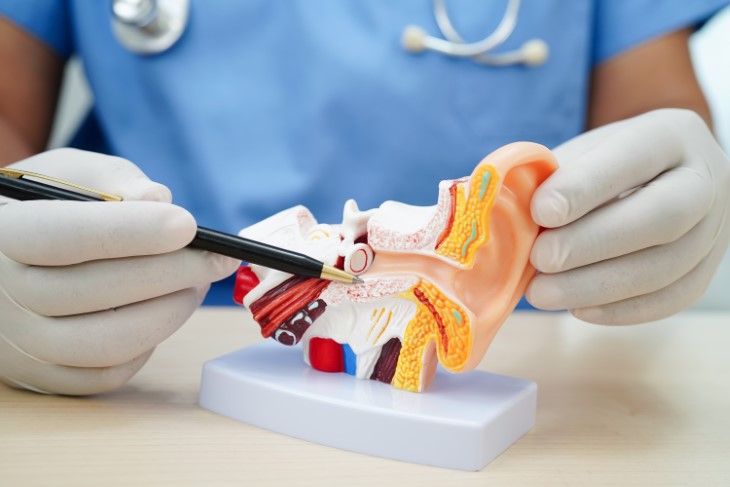
The most common cause of hearing loss in older adults is a condition called presbycusis, which is simply age-related hearing loss. Deep inside your inner ear sits the cochlea, a snail-shaped organ lined with thousands of tiny hair cells. These cells convert sound vibrations into electrical signals that travel to your brain. Over a lifetime, these hair cells gradually wear out, and unlike many other cells in the body, they do not grow back. The cells responsible for high-pitched sounds are usually the first to go, which is why many people first notice trouble hearing women's and children's voices, birdsong, or consonants like S, F and TH. Speech starts to sound mumbled rather than quiet, and that distinction matters: you may hear that someone is talking but struggle to understand what they are saying.
Age is not the only factor. Decades of noise exposure, whether from a factory floor, power tools, loud music or even years of mowing the lawn without ear protection, add up and accelerate the damage. Certain medical conditions common in later life, including diabetes, high blood pressure and cardiovascular disease, can reduce blood flow to the delicate structures of the inner ear. Some medications, including certain antibiotics, chemotherapy drugs and even high doses of aspirin, can be harmful to hearing. Genetics play a role as well, so if your parents lost hearing relatively early, you may be more prone to it too.
It is also worth knowing that not all hearing loss is permanent. Something as simple as a buildup of earwax can muffle hearing significantly, and an ear infection or fluid behind the eardrum can do the same. These causes are fixable, which is one more reason to get checked rather than assume the worst.
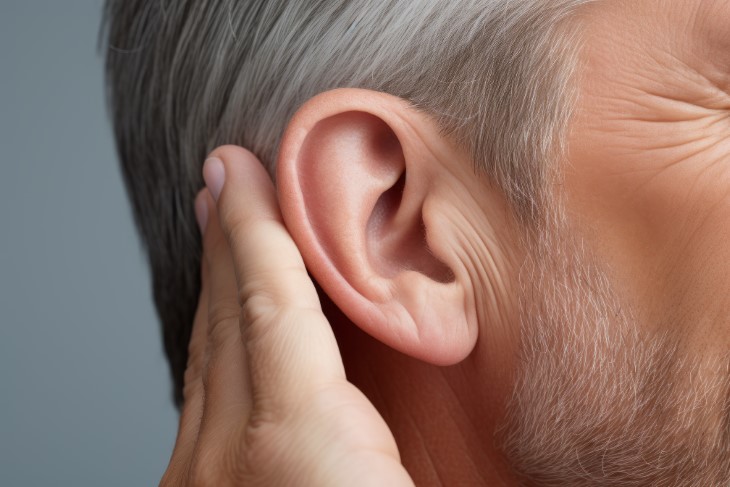
People typically wait seven to ten years from the moment they first notice hearing trouble until they actually do something about it. That delay comes at a cost. The signs worth acting on include frequently asking others to repeat themselves, difficulty following conversations in noisy places, turning up the TV or radio louder than others prefer, trouble hearing on the phone, a feeling that everyone around you is mumbling, and ringing or buzzing in the ears, known as tinnitus, which often accompanies hearing loss.
There is one scenario that requires urgent attention: sudden hearing loss. If your hearing drops noticeably in one or both ears over the course of hours or a few days, treat it as a medical emergency and see a doctor immediately, ideally within 48 to 72 hours. Sudden sensorineural hearing loss can sometimes be reversed with prompt steroid treatment, but the window for effective therapy is short.
Untreated hearing loss is not just an inconvenience. Research over the past decade has linked it to social isolation, depression, a higher risk of falls, and even an increased risk of cognitive decline and dementia. The encouraging flip side is that recent studies suggest treating hearing loss may help protect the brain, particularly in older adults at higher risk. In other words, dealing with your hearing is an investment in your overall health, not just your ears.
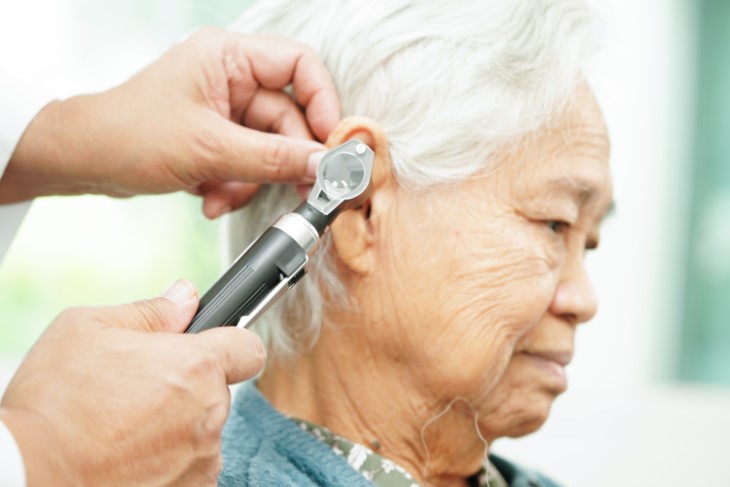
The first stop can simply be your family doctor, who can look in your ears, rule out wax or infection, and refer you onward. From there, two professionals handle most hearing care. An audiologist is a specialist in testing and treating hearing loss, and is the person who will perform a full hearing evaluation and fit hearing aids. An ENT physician (ear, nose and throat doctor, also called an otolaryngologist) is a medical doctor who handles conditions that may need medication or surgery, such as sudden hearing loss, persistent one-sided hearing loss, dizziness, or structural problems in the ear.
The hearing test itself is painless and usually takes less than an hour. You sit in a quiet booth wearing headphones, press a button or raise your hand when you hear tones at different pitches and volumes, and repeat words spoken at various levels. The result is an audiogram, a chart showing exactly which sounds you hear well and which you miss. This map guides every treatment decision that follows.
If you want a quick first impression before booking an appointment, there are free hearing screening apps and online tests you can take at home with headphones. They are no substitute for a professional evaluation, but they can confirm that what you are noticing is real and give you the push to make that call.
If your last mental image of a hearing aid is the bulky, whistling beige device your grandfather wore, prepare to be pleasantly surprised. Modern hearing aids are tiny computers for your ears, and the latest generation is genuinely impressive.
Today's devices use artificial intelligence to analyze your surroundings dozens of times per second, automatically reducing background noise while enhancing the speech of the person in front of you. This makes the hardest situations, like noisy restaurants and family dinners, dramatically easier. Most models are now rechargeable, so there is no more fumbling with tiny batteries, a real blessing for anyone with arthritis or less nimble fingers. Bluetooth connectivity lets the hearing aids stream phone calls, television sound and music directly into your ears, and many can be fine-tuned through a smartphone app without a trip to the clinic. Some newer models even include health features such as fall detection and motion sensors, and many offer built-in programs that ease the ringing of tinnitus. Cosmetically, the change is just as dramatic: many devices today sit invisibly inside the ear canal or hide as a slim sliver behind the ear.
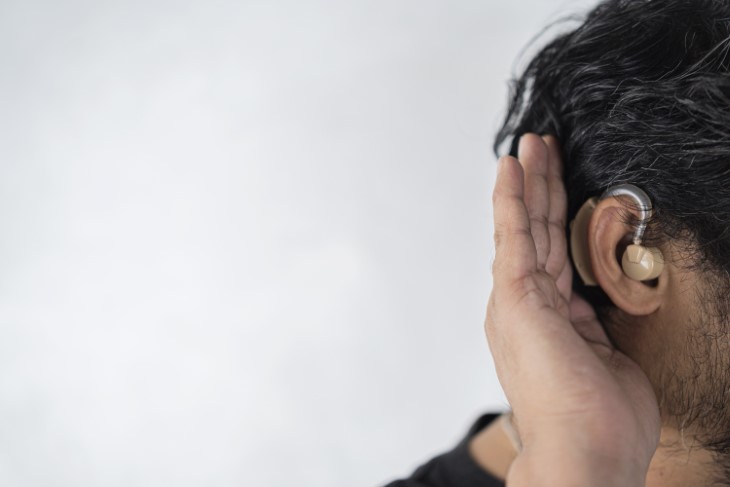
Cost has long been the biggest barrier, but here too things have improved. In the United States, over-the-counter hearing aids are now available for adults with mild to moderate hearing loss. They can be purchased at pharmacies and online without a prescription or a hearing test, often for a fraction of the price of prescription devices. They are not right for everyone, and people with more significant loss still benefit greatly from professionally fitted devices, but for many adults taking their first step, OTC hearing aids have made help far more affordable and accessible. Even some popular consumer earbuds now include a built-in hearing aid feature for mild to moderate loss, blurring the line between gadget and medical device.
One important tip: hearing aids take getting used to. Your brain has slowly adapted to a quieter world, and suddenly hearing everything again, including the refrigerator hum and your own footsteps, can feel overwhelming at first. Give it a few weeks of consistent daily wear. Most people adjust, and most countries and clinics offer a trial period during which you can return or exchange the devices.
For some people, hearing aids cannot provide enough benefit, and that is where surgical solutions come in. The best known is the cochlear implant, a small electronic device that bypasses the damaged hair cells entirely and stimulates the hearing nerve directly. A surgeon places the internal part under the skin behind the ear, and an external processor picks up sound and transmits it inward. Cochlear implants were once reserved mainly for children and for people with total deafness, but today they are increasingly offered to older adults with severe hearing loss who no longer get enough help from hearing aids. The surgery is considered safe even at advanced ages, often done as a same-day procedure, and many recipients in their 70s, 80s and beyond describe it as life-changing. There is an adjustment period, since the brain needs weeks to months to learn to interpret the new signal, but success rates in older adults are excellent.
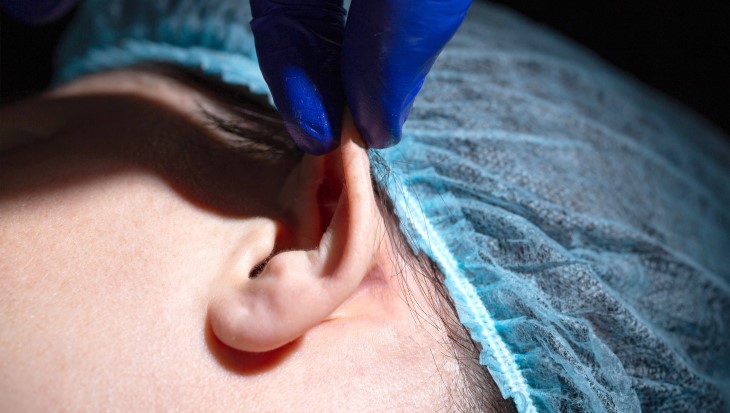
Other surgical options address specific problems. Bone-anchored hearing systems help people with certain types of conductive loss or single-sided deafness by transmitting sound through the skull bone. Conditions like otosclerosis, in which a tiny bone in the middle ear becomes fixed in place, can be corrected with a procedure called a stapedectomy. And of course, problems like a perforated eardrum or chronic fluid in the middle ear have their own well-established fixes. The point is simple: if hearing aids are not solving the problem, do not assume nothing more can be done. Ask for a referral to an ENT specialist.
While there is no home remedy that regrows lost hair cells, there is a great deal you can do to protect the hearing you have and make daily life easier.
Protect your ears from further damage. Wear earplugs or earmuffs when mowing, using power tools, or attending loud events, and keep headphone volume at a sensible level. Manage the health conditions that affect hearing: keeping blood sugar, blood pressure and cholesterol under control protects the blood supply to your inner ear. Regular exercise and not smoking help for the same reason. Never dig at earwax with cotton swabs, which tend to push wax deeper; if wax buildup is a recurring issue for you, have it removed professionally or ask your doctor about safe softening drops.
Around the house, small changes make a big difference. Face the person you are talking to, since we all read lips more than we realize. Reduce background noise during conversations by turning off the TV or moving to a quieter room. Use captions on television and video calls. Consider helpful gadgets such as amplified telephones, doorbell and phone alert flashers, and TV listening devices. And if you wear hearing aids, wear them all day, not just for special occasions; the brain stays sharper at processing speech when it receives consistent input.