
If you have ever stood in the sunscreen aisle feeling like the options never seem to change, you are not imagining things. For more than two decades, the list of approved sunscreen ingredients in the United States stayed frozen in place while the rest of the world moved ahead. That is about to change. In June 2026, the Food and Drug Administration approved a new sunscreen ingredient called bemotrizinol, often shortened to BEMT. It is the first new sunscreen ingredient cleared in the U.S. since 1999, and for many dermatologists, it is a moment they have been waiting on for years.
So why is a single new ingredient such big news? And what does it mean for the bottle you reach for before heading out into the sun? Here is what you need to know.
In the United States, sunscreen is not treated like an ordinary cosmetic. The FDA regulates it as an over-the-counter drug, placing it in the same category as pain relievers and cold medicine. That means any new active ingredient must clear a high bar of testing and review before it can be sold. The process is rigorous, and it has been slow.
Bemotrizinol is a good example of just how slow. It was first approved for use in Europe back in 1999, and people across Europe, Asia, and Australia have been using it safely ever since. The application to bring it to the American market was filed years ago, but a long string of additional studies and regulatory steps kept pushing the timeline back. While Americans waited, sunscreen shoppers in countries like South Korea, Japan, and across Europe already had access to a far wider range of modern options.
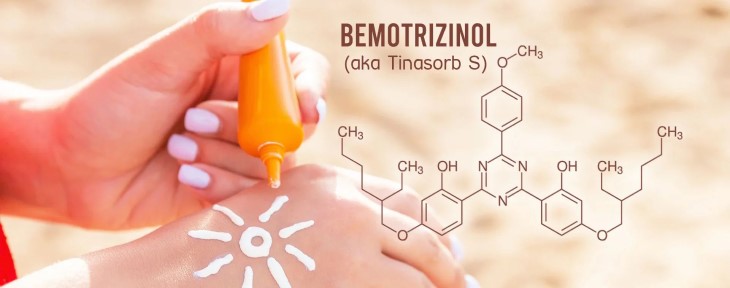
Bemotrizinol, also sold under the brand name Parsol Shield, is an ingredient that absorbs ultraviolet light before it can reach and damage your skin. Sunscreen ingredients like this are often called filters, because they filter out harmful rays.
Sunscreen filters generally fall into two groups. There are mineral filters, like zinc oxide and titanium dioxide, which sit on top of the skin and physically block the sun. And there are chemical filters, which absorb UV light. Bemotrizinol is a chemical filter. One practical upside of this is that, unlike many mineral sunscreens, it does not leave behind that chalky white cast that can make your skin look pale or ghostly. It is designed to be transparent on the skin, which is part of why it has been so popular in countries known for elegant, lightweight skincare.
Bemotrizinol has a few notable advantages over the chemical filters currently used in the United States.
The biggest one is that it covers more of the ultraviolet spectrum on its own. Dermatologists recommend choosing a broad spectrum sunscreen, meaning one that guards against both UVA and UVB rays. UVB rays are the ones that cause sunburn, while UVA rays penetrate deeper and contribute to aging and long-term skin damage. Until now, none of the chemical filters available in the U.S. could cover the full spectrum by themselves, so manufacturers had to combine several ingredients to get there. Bemotrizinol is one of the few chemical filters that protects against both types of rays at once.
It is also more stable in sunlight, meaning it breaks down more slowly than some older filters. A sunscreen that holds up longer offers more reliable protection during a day outdoors. On top of that, the ingredient is versatile. Experts say it gives formulators the flexibility to create lighter, less greasy textures. If the word sunscreen makes you think of something heavy and oily, products built around bemotrizinol may feel pleasantly different.
This is the question on most people's minds, and the answer is reassuring. Bemotrizinol has been tested extensively, and based on that wealth of data, the FDA has designated it as generally recognized as safe and effective. Notably, this is the first time a chemical sunscreen filter has earned that particular designation in the U.S.
The FDA's review found that bemotrizinol has a low risk of toxicity because very little of it is absorbed into the body, a favorable safety profile with minimal skin irritation, and good tolerance across most skin types. The agency considers it safe for adults and children aged six months and older. And because it has already been in everyday use across Europe, Asia, and Australia for years, there is plenty of real-world evidence to back up those findings.
Better and more pleasant sunscreens are not just a matter of comfort. Skin cancer remains one of the most common cancers, and it claims thousands of lives each year. Experts estimate that consistent daily sun protection could prevent a large share of skin cancer cases and reduce the risk of recurrence for those who have already been diagnosed.
The hope among dermatologists is that nicer, more comfortable sunscreens will encourage people to actually wear them every day, rather than only on beach trips. A sunscreen that feels good and disappears into the skin is one you are far more likely to keep using.
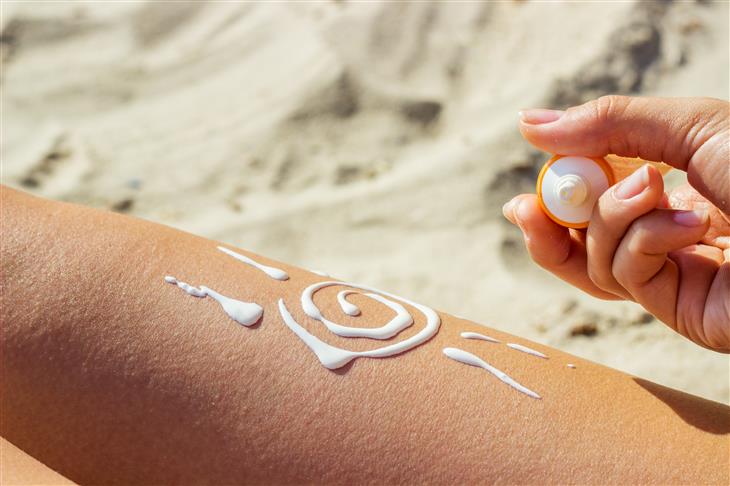
You will need a little patience. After the FDA's final order, there is a waiting period before products containing the new ingredient can be sold. The good news is that manufacturers are already developing formulas, and major brands have said they plan to fold bemotrizinol into their lineups.
So when you are shopping for sunscreen later this year, it is worth turning the bottle over and scanning the drug facts panel. If you spot bemotrizinol listed among the active ingredients, you will know you are holding one of the first products of a new era in American sun protection. In the meantime, the best sunscreen is still the one you will use consistently, so keep applying whatever you have and reapplying through the day.