Summer is the season of plenty. The farmers market overflows with ripe tomatoes, sweet corn, and berries by the basketful, and it is hard to resist bringing home more than we can eat. Then, a few days later, comes the familiar disappointment: mushy berries, a wrinkled peach, a bag of greens gone to slime. It happens to all of us, and it adds up. By some estimates, the average household throws away around a quarter of the food it buys, which can mean well over a thousand dollars a year quietly heading for the bin. The happy news is that a handful of simple storage tricks will keep your produce fresh far longer, saving you both money and waste. Here is how to make the most of every last berry.
The Golden Rules That Apply to Almost Everything
Before we get to specific fruits and vegetables, a few basic principles do most of the heavy lifting. Learn these and you are already most of the way there.
- Do not wash until you are ready to eat. This is the big one. Extra moisture is the enemy, speeding up mold and spoilage. Wait to rinse berries, grapes, and most produce until just before you use them. Leafy greens are the one exception, as you will see below.
- Know what belongs on the counter and what belongs in the fridge. Some produce keeps best at room temperature, while cold ruins the flavor or texture of others. Getting this right is half the battle, and the guide below sorts it out for you.
- Ripen on the counter, then move to the fridge. For fruits like tomatoes, peaches, and melons, let them ripen at room temperature until fragrant and slightly soft, then refrigerate to stop the clock and buy yourself several extra days.
- Keep the troublemakers separate. Certain fruits, including tomatoes, bananas, apples, and stone fruit, give off a natural gas called ethylene that speeds ripening in everything nearby. Keep them away from sensitive vegetables like leafy greens, onions, and potatoes, which will spoil faster in their company. As a rule, store your onions and potatoes apart from each other too.
- Remove the bad ones promptly. The old saying is true: one rotten fruit really can spoil the bunch. Look through your produce every day or two and pull out anything bruised, soft, or moldy before it takes the rest with it. Eat the slightly bruised ones first.
- Let most produce breathe. With the exception of berries and cut items, most fruits and vegetables do best with a little airflow, so loose or perforated bags beat sealed plastic. Airtight containers are for cut produce that you want to keep crisp.
A Quick Summer Produce Guide
Here is where the season's stars belong, and how to keep each one at its best:
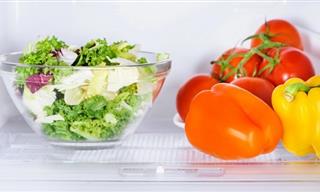
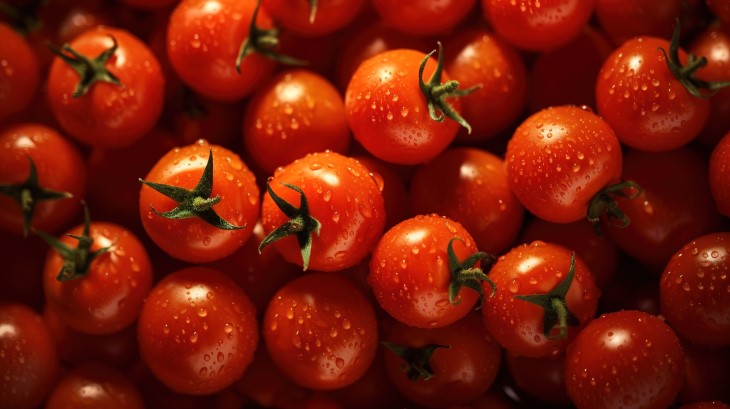
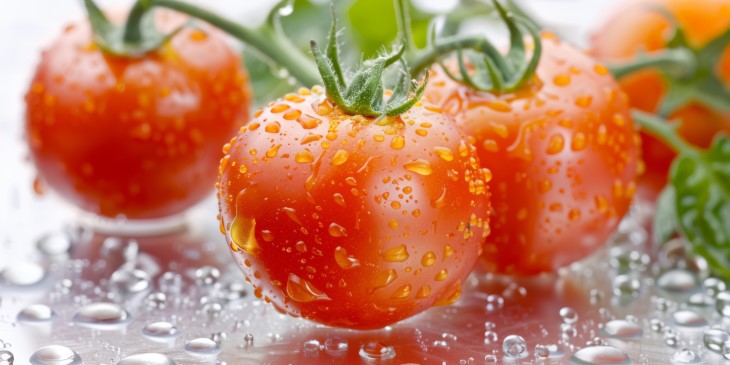
- Tomatoes: Never the fridge, at least not until they are fully ripe. Cold turns them mealy and dull. Keep them on the counter, out of direct sun, stem side down, and enjoy within about five days. Only if a tomato is dead ripe and you cannot eat it in time should you refrigerate it, and then let it return to room temperature before eating for the best flavor.
- Berries: Sort them the moment you get home and discard any moldy or mushy ones. Store the rest unwashed in the fridge, ideally in a single layer lined with a dry paper towel to absorb moisture, and wash only right before eating. For an extra week of life, some people give berries a quick bath of one part vinegar to three parts water, but this only works if you then dry them thoroughly.
- Stone fruit (peaches, plums, nectarines, apricots): Leave them on the counter until they smell sweet and give slightly to a gentle squeeze, then move them to the fridge to hold that perfect ripeness for another few days. Cherries are the exception and go straight into the refrigerator.
- Corn: Freshest the day it is picked, and it loses its sweetness quickly. Keep the husks on and store it in the refrigerator, where it will hold for several days. Aim to eat it as soon as you can.
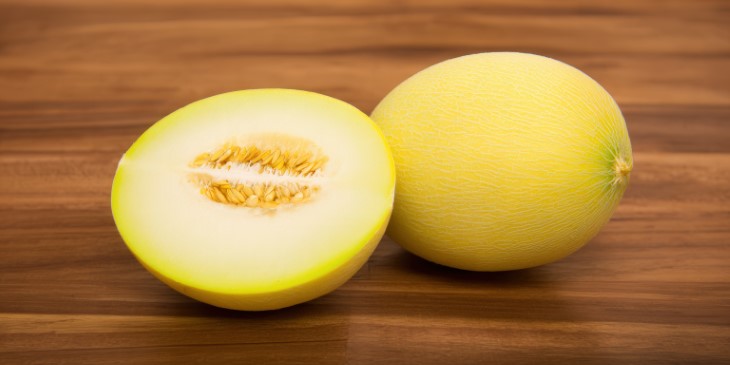
- Melons: A whole, uncut melon is happy on the counter in a cool spot for up to a week. Once you cut it, wrap the pieces or seal them in a container and keep them in the fridge.
- Lettuce and leafy greens: Here is the exception to the no-washing rule. Wash them, then dry them thoroughly, since clinging water causes rot. Store them in a container or loose bag with a dry paper towel tucked in to soak up excess moisture, and keep them in the crisper drawer.
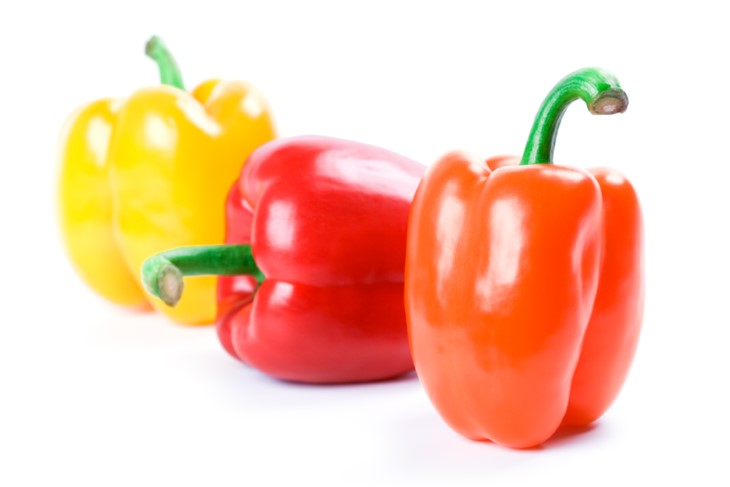
- Cucumbers, zucchini, summer squash, green beans, and peppers: These all keep well, unwashed, in the crisper drawer. Cucumbers prefer a slightly less frigid spot, so the door or a wrapped towel suits them.
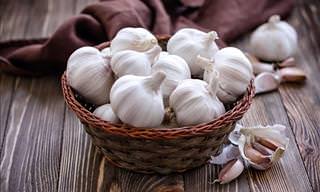
- Onions and garlic: Store them in a cool, dark, dry place with good air circulation, such as a pantry or a ventilated basket, and never in the fridge. Just keep them away from the potatoes.
The Bouquet Trick for Fresh Herbs
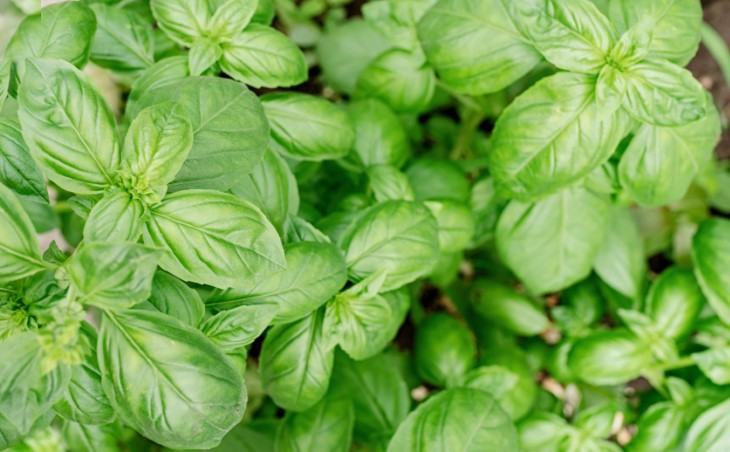
Fresh summer herbs are notorious for wilting within days, but a simple trick keeps them lively far longer. Treat them like a bouquet of flowers. Trim the stem ends and stand them upright in a glass with an inch of water. For most herbs, such as parsley, cilantro, mint, and dill, loosely drape a plastic bag over the top and keep the glass in the refrigerator, changing the water every day or two. Basil is the one that prefers to stay out on the counter, as the cold turns it black. For woody herbs like rosemary, thyme, and sage, you can instead wrap them in a slightly damp paper towel and tuck them in a bag in the fridge.
When in Doubt, Freeze It
The single most powerful way to stop waste is your freezer. When you know you cannot eat something in time, freeze it rather than watching it spoil. The trick to freezing produce so it does not clump into a solid brick is to spread the pieces in a single layer on a baking sheet, freeze them until firm, and then pour them into a bag or container. Many summer favorites freeze beautifully:
- Berries: Rinse, dry well, hull the strawberries, then freeze. Perfect later for smoothies, baking, or spooning over oatmeal.
- Stone fruit: Remove the pit, cut into chunks, and freeze for cobblers and blended drinks.
- Corn: Cut the kernels from the cob and freeze them. A brief dunk in boiling water first helps preserve the flavor.
- Tomatoes: Freeze them whole or cored. They will be soft when thawed, but wonderful for sauces and soups.
- Herbs: Chop them, pack them into an ice cube tray, cover with a little olive oil or water, and freeze. You will have ready-made flavor cubes to drop straight into the pan all winter.

A Few More Waste-Cutting Habits
Beyond storage, some easy everyday habits go a long way toward making sure nothing good ends up in the trash:
- Shop with a plan. Buy what you will realistically eat that week, and resist overloading the basket, however tempting the market may be.
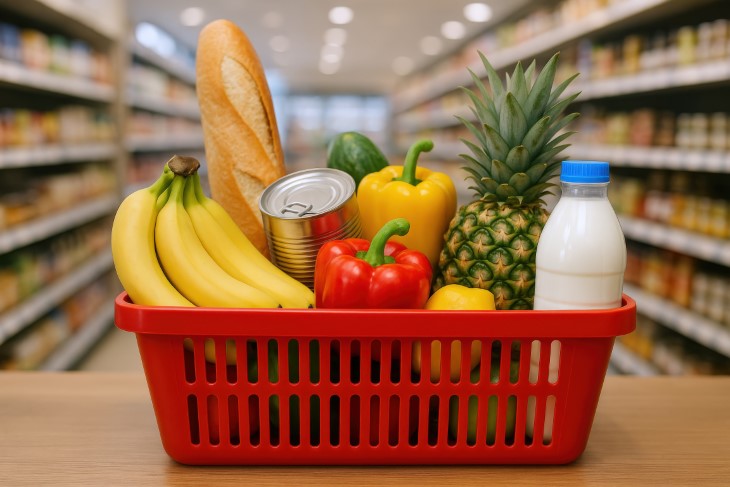
- Practice first in, first out. When you bring new produce home, move the older items to the front so you use them first.
- Give tired produce a second life. Slightly soft fruit is perfect for smoothies, baking, or jam, and wilting vegetables are ideal for soups, stir-fries, and sauces. A limp stalk of celery or carrot often perks right back up after a soak in cold water.
- Store cut produce properly. Once sliced, most fruits and vegetables keep for three to five days in an airtight container in the fridge. Keep cut onion tightly sealed and away from other foods, as its smell travels.
- Save the scraps. Vegetable ends and peels can be gathered in a bag in the freezer and simmered into a homemade broth when you have enough.