
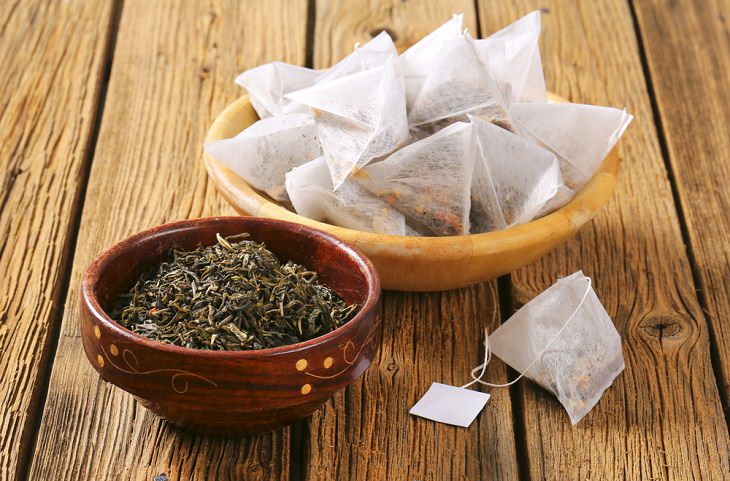
If you are a tea person, like millions of others in the world, you are likely to have started your journey with some form of loose-leaf tea or teabags. You might prefer one over the other, or maybe you like both for different reasons, but have you wondered if there is any real difference between teabags and loose-leaf tea other than the packaging?
In the years to follow, the popularity of teabags kept increasing due to their convenience. Despite this, loose tea leaves continue to be the preferred choice among tea enthusiasts.
See Also: 10 Healthy Herbal Teas and How They Can Benefit You
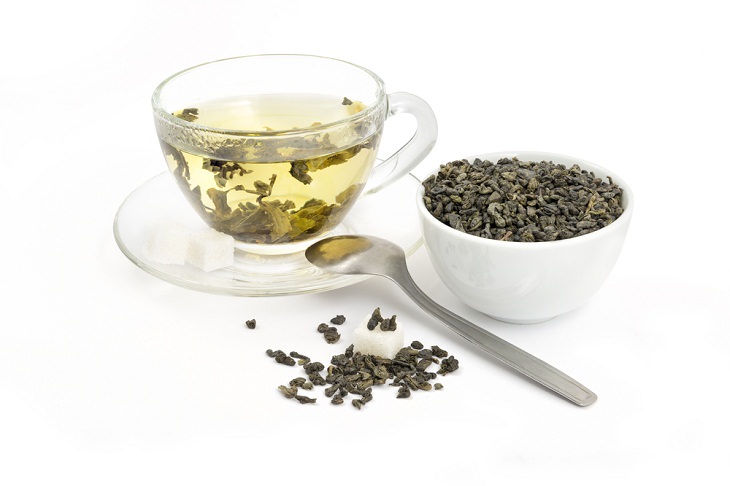
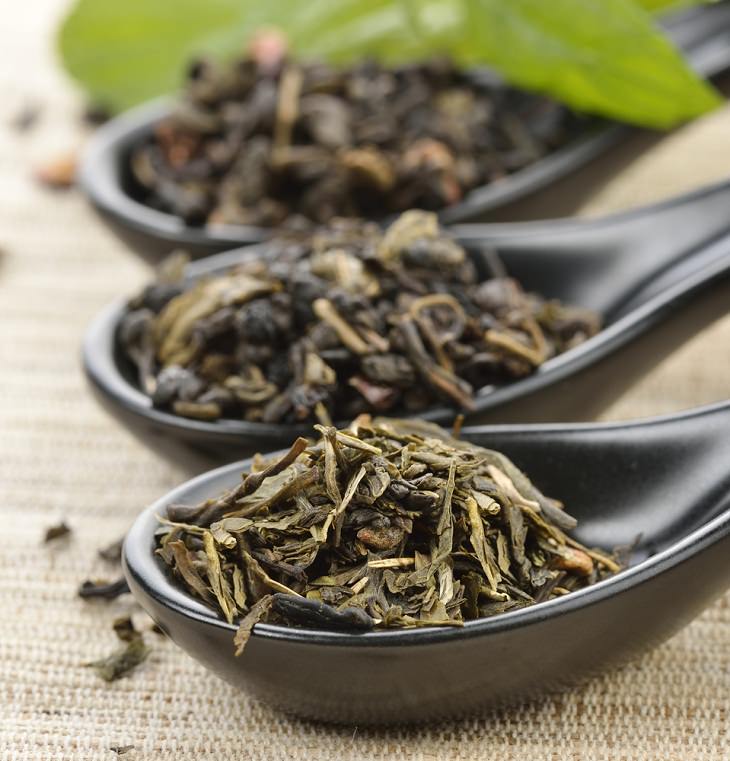
Most tea experts believe that loose-leaf tea is usually of a higher quality. Loose-leaf tea is generally picked and processed with more care to keep the whole leaf intact. With loose tea leaves, you can easily judge the quality of the tea from its appearance - namely, by looking at the color, shape, and integrity of the leaf.
The mass-market teabags we buy at the grocery store, on the other hand, are usually filled with "dust and fannings." These are the smallest grades of tea produced via a highly mechanized method called Crush, Tear, Curl (CTC). Even if the tea itself starts from a good crop, this aggressive processing breaks the leaves down specifically for a fast, dark brew rather than a nuanced one.
Moreover, standard teabag packaging often presents a problem. Many traditional paper teabags are sealed using non-compostable polypropylene plastic. Even the modern "silken" pyramid tea sachets, which are spacious enough to hold full-leaf teas, are frequently made of nylon or PET plastic. Steeping these materials in boiling water releases billions of microplastic and nanoplastic particles directly into your tea.
Tea connoisseurs will tell you that loose-leaf tea provides a vastly superior tasting cup. When steeped, whole tea leaves need room to unfurl (a process sometimes called the "agony of the leaves") to properly release their complex aromatic oils. Because standard teabags tightly restrict the leaves, they cannot expand fully, which limits their ability to develop a rich, well-rounded flavor.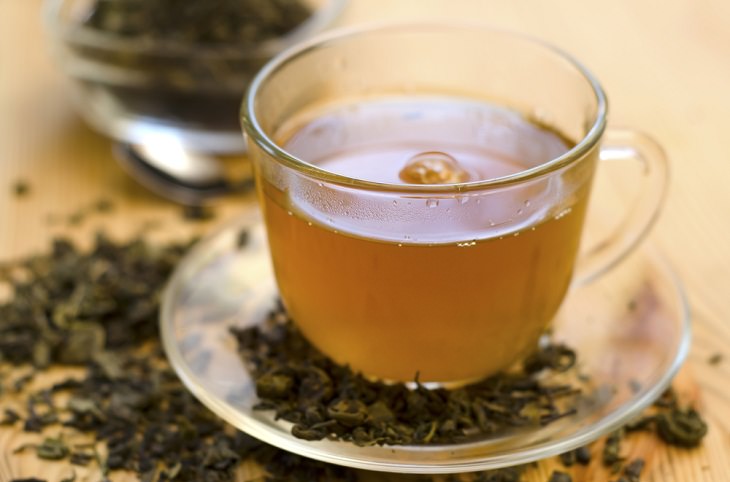
Next, tea experts note that the smaller the leaf particle, the faster it deteriorates. Because the "dust and fannings" inside teabags have a massive surface-area-to-volume ratio, their essential volatile oils evaporate and oxidize very quickly on the shelf, causing them to lose their freshness faster than whole leaves.
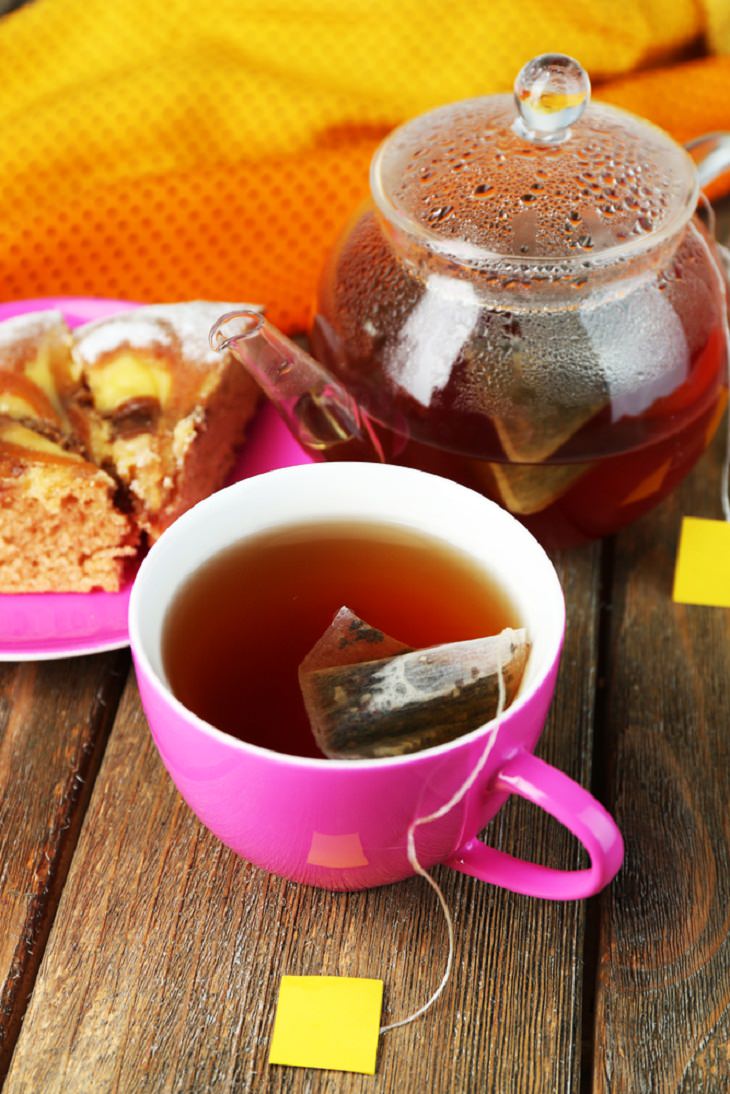
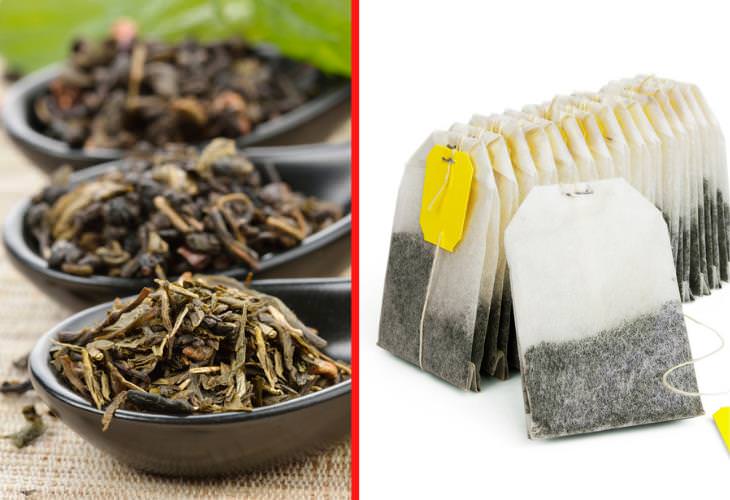
The kind of tea you choose depends on your priorities regarding taste, convenience, and how you take your tea.
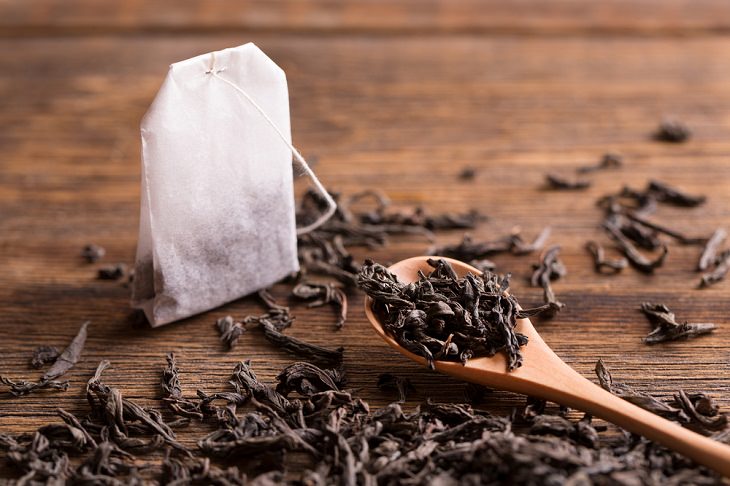
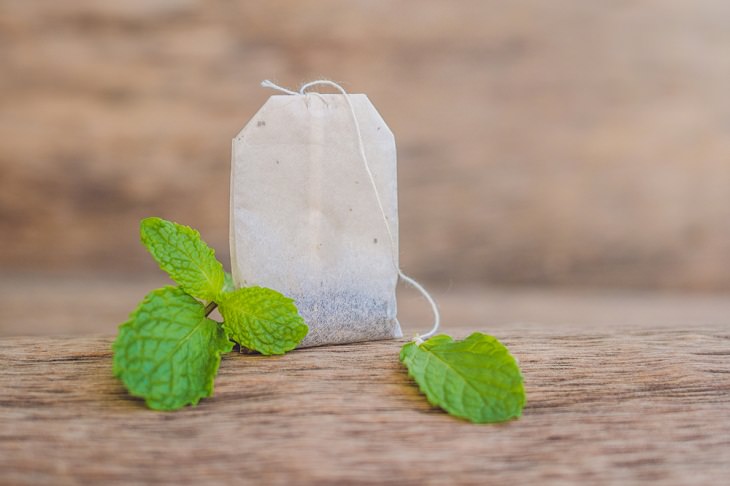
If your priority is convenience and speed, or you just want a quick, highly concentrated hit of caffeine and antioxidants, teabags are the better choice. They are easy to travel with, quick to brew, and require no special strainers or cleanup.
If you like having your tea with milk and sugar, standard teabags are often your best bet. The rapid extraction of tannins from the finely broken leaves creates a dark, robust, and astringent brew that cuts right through heavy dairy and sweeteners. Delicate, high-quality loose-leaf teas are easily overpowered by milk and are usually best enjoyed plain to appreciate their nuanced flavor profiles.
If you are looking for the best, most complex flavor and aroma, loose-leaf tea wins hands down. You have total control over the ratio of leaves to water, allowing you to brew it exactly the way you want.