
There always seems to be a new eating trend making the rounds, and the latest to gain a following on social media is something called "Biblical eating." Also known as the "Bible diet," it encourages people to build their meals around foods mentioned in scripture, favoring simple, whole ingredients over the processed foods that fill so many modern shelves. Its supporters say it can strengthen both body and spirit. But does it live up to the claims? Here is a calm, balanced look at what the trend actually involves, what it gets right, and where a little caution is wise.
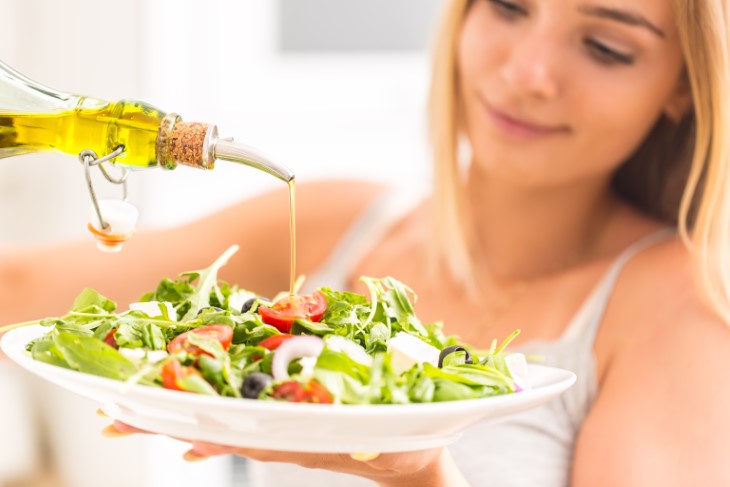
The idea is straightforward: choose foods that appear in the Bible, and steer clear of heavily processed ones. There is no single agreed-upon version of the diet. Some followers stick closely to foods named in scripture, while others take a looser approach, simply favoring whole, minimally processed foods they feel are in keeping with biblical principles. As a result, what counts as a "biblical" food can vary quite a bit from one person to the next.
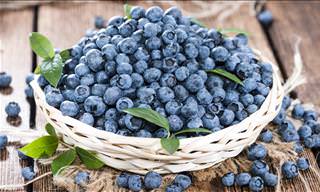
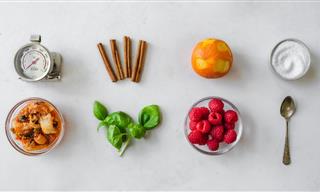
The foods most commonly emphasized include:
In many ways, this resembles the well-known Mediterranean diet, which also centers on whole foods like olive oil, fish, fruits, and vegetables while limiting processed ones. The key difference is the foundation. The Mediterranean pattern grew out of decades of nutrition research, while Biblical eating is rooted in scripture rather than science.
Here is the reassuring part: many of the foods this trend promotes are genuinely good for you, and nutrition experts largely agree on that point. A diet built around olive oil, fish, fruits, vegetables, whole grains, and legumes, with fewer ultra-processed foods, is a sound and healthy way to eat at any age. These are the same wholesome foods that the thoroughly studied Mediterranean diet is famous for.
There may be a second, gentler benefit as well. For people of faith, connecting the simple act of eating to their beliefs can add a sense of meaning and mindfulness to meals. Experts note that when a way of eating encourages you to slow down, eat with intention, and build lasting habits, that thoughtfulness itself can be helpful, quite apart from the particular foods on the plate.
That said, it is worth keeping a clear head about the bolder promises. Biblical eating is not a formally defined or scientifically studied diet, and there is no good evidence that it delivers the specific health benefits some of its online champions claim. Whatever good it does comes from the general pattern of eating more whole foods and fewer processed ones, the very same advice nutritionists have offered for years, and not from anything uniquely biblical about the foods themselves.
In other words, you do not need scripture, or any trend at all, to enjoy the benefits of eating this way. The wholesome foods are wholesome no matter what you call them.
One food deserves special attention, because some versions of this trend actively encourage it: raw, unpasteurized milk. Here the advice from health authorities could not be clearer, and it runs directly against the trend. Raw milk is strongly discouraged.
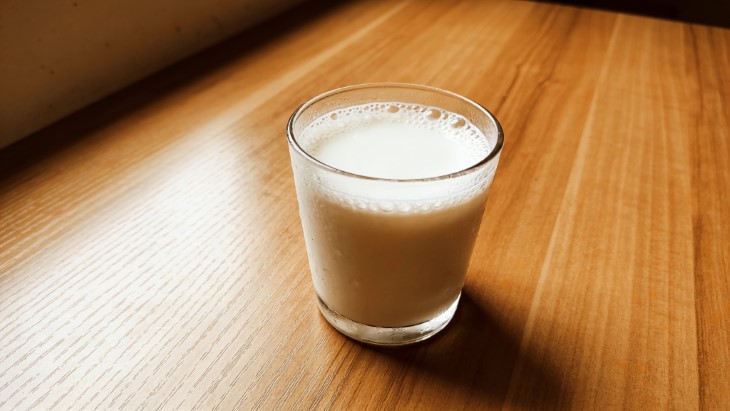
Unpasteurized milk, along with cheese, yogurt, and ice cream made from it, can carry dangerous bacteria such as Salmonella, E. coli, and Listeria, which cause serious food poisoning. Pasteurization, the gentle heating process used for over a century, exists precisely to kill these germs, and it does so without meaningfully changing the milk's nutrition. Crucially for our readers, older adults are among those at the very highest risk of severe illness from these bacteria, along with young children, pregnant women, and anyone with a weakened immune system. Over a recent twenty-year span, raw milk was linked to thousands of illnesses and hundreds of hospitalizations in the United States.
The simple, safe choice is to stick with pasteurized milk and dairy. You lose nothing nutritionally, and you avoid a genuine and serious risk.
Beyond the raw milk issue, there are a couple of broader cautions worth bearing in mind, and they apply to almost any diet trend that spreads online.
The first is the source of the advice. Many of the influencers promoting eating trends have no formal training in nutrition, yet they offer confident health guidance to enormous audiences. It is always worth asking who is actually behind a claim, and leaning on qualified professionals, your doctor or a registered dietitian, rather than a persuasive voice on a screen.
The second is rigidity. Any way of eating can tip into something unhealthy when it becomes too strict, needlessly cuts out nourishing foods, or sorts food into "clean" and "unclean," "good" and "bad." That kind of thinking can breed guilt and an unhealthy relationship with food, and it is particularly unhelpful for anyone prone to rigid eating patterns. A healthy diet should never make you feel ashamed of what is on your plate.
The experts are consistent on what genuinely works: the best way of eating is one that is flexible and sustainable, that provides all the nutrients your body needs, that fits your own culture and lifestyle, and that lets you enjoy food without guilt. Rigid rules tend to fade; balanced habits last.