
If you have spent any time reading about healthy eating lately, you have probably noticed two words popping up everywhere: fiber and protein. Some people swear by loading up on protein to stay strong, while others insist that fiber is the secret to good digestion and a long life. So which one matters more? The honest answer is that this is a bit of a trick question. Both nutrients do important and very different jobs in your body, and the goal is not to pick a winner but to make sure you are getting enough of each one.
Let's take a closer look at what fiber and protein actually do, why they both deserve a place on your plate, and how to make sure you are getting the right amounts as the years go by.
Fiber is a type of carbohydrate, but it is not the kind that spikes your blood sugar. It comes in two forms. Soluble fiber dissolves in water and helps soften stool, while insoluble fiber does not dissolve and instead adds bulk to keep things moving through your digestive system. Together, they keep your digestion regular, feed the helpful bacteria living in your gut, and offer a long list of other benefits we will get to in a moment.

Protein is a completely different kind of nutrient. When you eat it, your body breaks it down into smaller building blocks called amino acids. Your body then uses those building blocks to repair muscle, maintain your organs, support your immune system, and even keep your DNA in good working order. In short, fiber tends to your gut and your metabolism, while protein keeps your body's structure strong and well maintained.
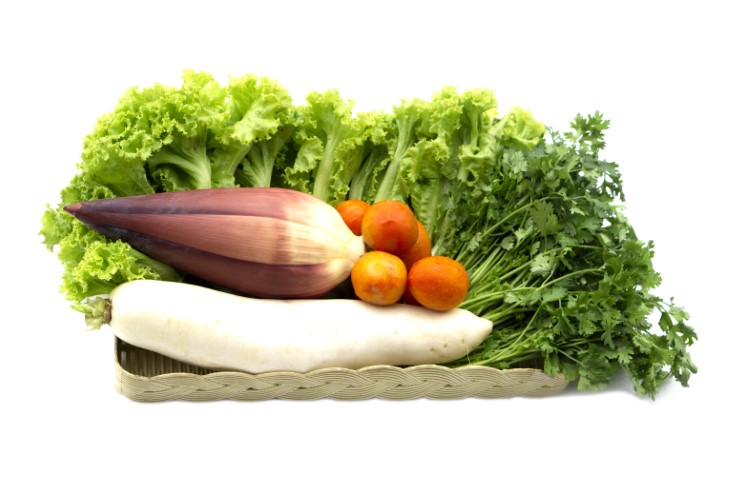
Fiber is one of the most underrated nutrients in the American diet, and the benefits go far beyond keeping you regular. Here is what a good fiber intake can do for you:
Better digestion: Fiber adds bulk to stool and helps prevent constipation, and it can ease symptoms of common conditions like irritable bowel syndrome.
Easier weight management: Fiber-rich foods help you feel full and satisfied, which makes it easier to avoid overeating between meals.
Steadier blood sugar: Fiber improves your body's sensitivity to insulin and is linked to a lower risk of type 2 diabetes.
A healthier gut: Fiber feeds the friendly bacteria in your gut, and a balanced gut community can influence your health in surprising ways, from immunity to mood.
Lower inflammation: Getting enough fiber may help reduce both localized and body-wide inflammation, which is tied to many chronic conditions.
A healthier heart: Fiber can help lower cholesterol, calm inflammation, and improve insulin sensitivity, all of which support cardiovascular health.
Lower cancer risk: A high fiber intake is associated with a reduced risk of colorectal cancer, likely because fiber helps move waste through the digestive tract.
Some research has even linked a fiber-rich diet to a lower risk of depression, possibly thanks to fiber's anti-inflammatory effects.
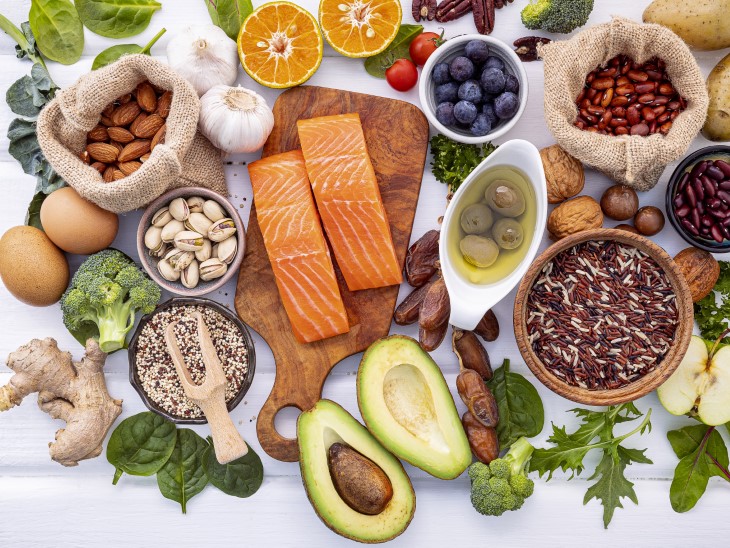
Protein delivers the amino acids your body cannot make on its own, and these become especially important as you grow older. Here are some of the standout benefits:
Preserves muscle: A protein-rich diet helps you hold on to muscle, which naturally tends to slip away with age. This is one of the most important reasons for older adults to pay attention to protein.
Supports a healthy weight: Protein is the most filling of all the nutrients, so it helps you feel satisfied after meals and curbs the urge to snack.
Stronger bones: Recent research points to a positive connection between protein intake and bone mineral density, which can help guard against osteoporosis as you age.
For readers over 50, protein takes on extra importance. After about age 50, the body becomes less efficient at turning the protein we eat into muscle, a change that contributes to the gradual muscle loss known as sarcopenia. Keeping muscle strong is closely tied to staying steady on your feet, avoiding falls, and holding on to your independence, which is why many experts now encourage older adults to spread protein evenly across breakfast, lunch, and dinner rather than saving it all for the evening meal.
Protein recommendations can vary depending on which guidelines you follow. A common baseline is about 0.8 grams of protein for every kilogram of body weight, though newer dietary guidance suggests a higher range of roughly 1.2 to 1.6 grams per kilogram. The good news is that most Americans already eat plenty of protein, and often more than the basic recommendation.
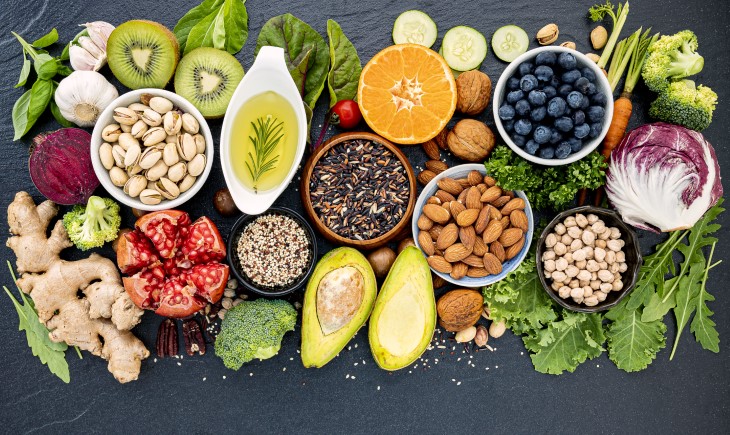
Fiber is a different story. The general guideline is about 14 grams of fiber for every 1,000 calories you eat, which usually works out to somewhere around 25 to 38 grams a day for adults. Yet roughly 94 percent of Americans fall short of even the basic fiber recommendation. If you are going to focus your attention on one nutrient, fiber is the one most of us are missing.
It is possible to overdo either nutrient. Eating very large amounts of protein, especially from animal sources, may put extra strain on the kidneys over time, and some animal proteins are high in saturated fat, which can nudge cholesterol upward. As for fiber, adding too much too quickly can leave you feeling bloated and gassy. The trick is to increase fiber gradually and to drink plenty of water as you do. A small handful of people, such as those with certain digestive conditions, may even need to limit fiber, but for the vast majority of us the bigger problem is not getting enough.
Here is where the good news really comes together. Many wholesome foods deliver fiber and protein at the same time, so you do not have to choose between them.
Great fiber sources include beans, lentils, and chickpeas, along with vegetables like broccoli, Brussels sprouts, carrots, spinach, and kale. Fruits such as apples and pears with the skin on, berries, and avocado are excellent choices, and whole grains like oats and brown rice round things out nicely. Chia seeds are another easy way to sneak in extra fiber.
Great protein sources include poultry, fish, eggs, and dairy products like milk, yogurt, and cheese. Plant-based options such as tofu, beans, lentils, nuts, and whole grains are wonderful too, and they come with the bonus of fiber built right in.
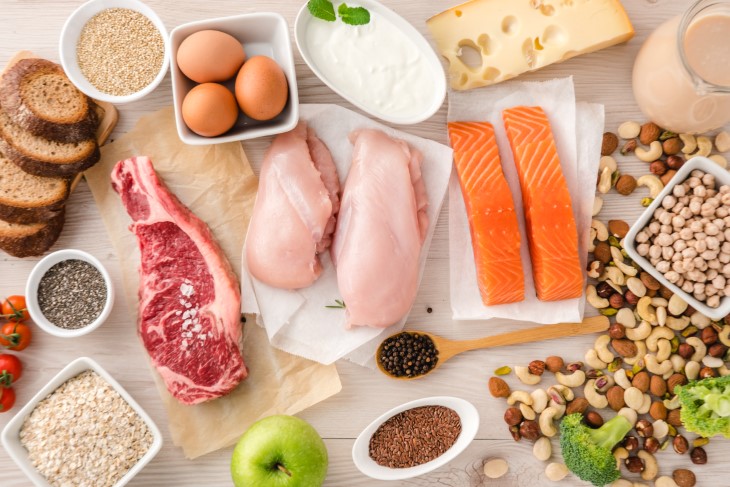
Notice how often beans, lentils, and chickpeas appear on both lists. These humble foods are nutritional powerhouses that give you fiber and protein in a single serving. Building meals around them is one of the simplest ways to cover both bases at once.In