
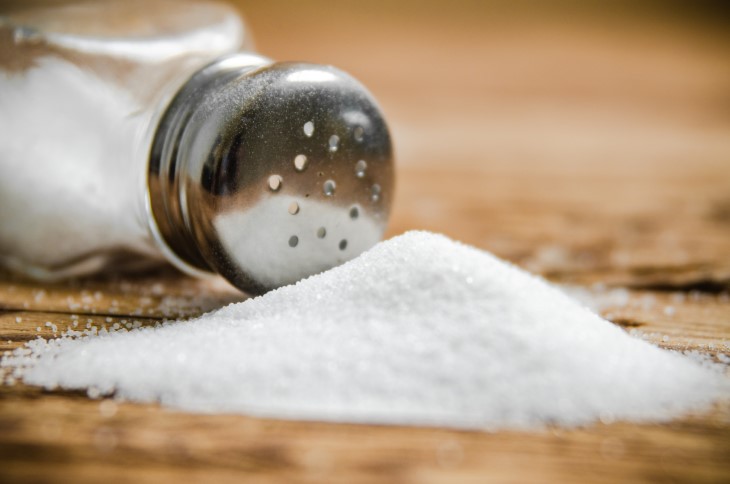
Salt is one of life's great pleasures. It makes food taste of something, and a meal without any at all can feel oddly empty. Yet we are also told, again and again, that too much of it is quietly bad for us, particularly for our blood pressure. So what is the truth, how much is genuinely too much, and, perhaps most surprising of all, is the salt shaker even the real culprit? Here is a clear, practical look at salt and your blood pressure, without the scare tactics.
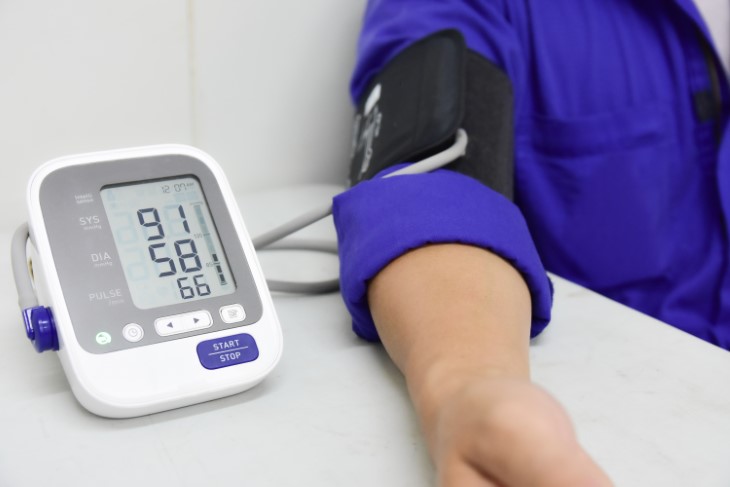
The connection comes down to water. Salt, or more precisely the sodium in it, causes your body to hold on to extra fluid. That additional fluid means there is more volume pushing through your blood vessels, which raises the pressure inside them, rather like turning up the flow through a garden hose. Over the years, that added pressure strains your heart and damages your arteries, which is why a diet high in salt is linked to a greater risk of high blood pressure, and in turn heart disease, stroke, and kidney trouble.
It is worth saying that not everyone responds to salt in the same way. Some people are what researchers call salt-sensitive, and their blood pressure rises noticeably with a salty diet, while others are affected less. The catch is that there is no easy way to know which you are, and salt sensitivity tends to increase with age. Blood pressure also naturally creeps up as we get older, which is exactly why watching your salt becomes more valuable with each passing year.
Here are the figures that matter, and they are simpler than you might expect. A little context first: your body needs only a tiny amount of sodium to function, far less than most of us eat.
One point often causes confusion, so it is worth clearing up. Sodium and salt are not quite the same thing. Table salt is only about 40 percent sodium by weight, so when a label lists sodium, that is the number to compare against the limits above. In practice, the daily 1,500 milligrams of sodium works out to a bit under a teaspoon of actual salt.
You do not need to weigh your food or count every milligram. Simply knowing that a teaspoon a day is the ceiling, and that most people sail well past it, is enough to guide sensible choices.
Here is the single most important thing to understand, and it changes everything about how to cut back. When doctors ask patients about salt, people often say, "Oh, I hardly use any, I never reach for the salt shaker." And they are usually quite sincere. But the salt shaker is not where most of our salt comes from.
Around 70 percent or more of the sodium we eat is already in packaged, processed, and restaurant food before it ever reaches our plate. The salt you sprinkle on at the table is a small part of the picture. This is genuinely good news, because it means the most powerful way to cut your salt is not to suffer bland home cooking, but simply to eat fewer heavily processed and restaurant foods.
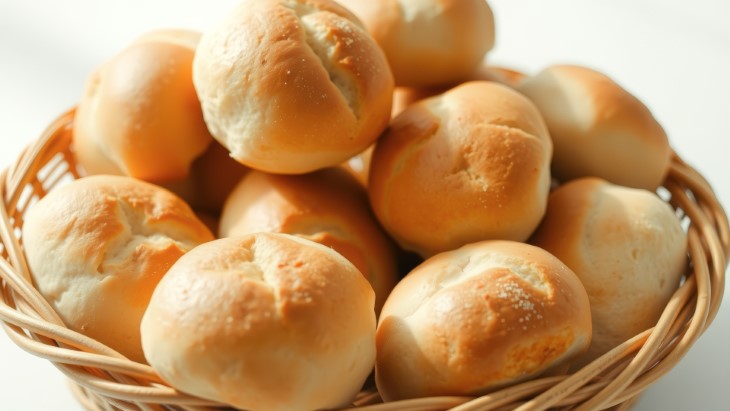
Much of the sodium we eat comes from foods that do not even taste especially salty. The worst offenders are often a surprise:
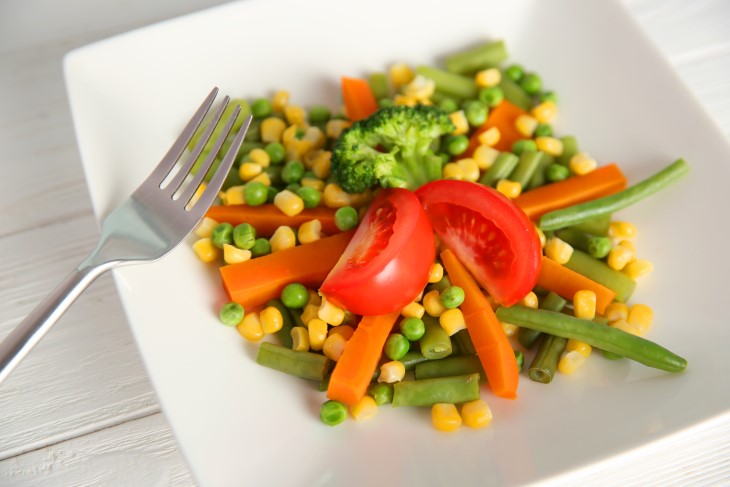
Reducing salt does not mean eating dull food. The trick is to lean on other flavors and to be a little choosier at the shops. Here are the changes that make the biggest difference:
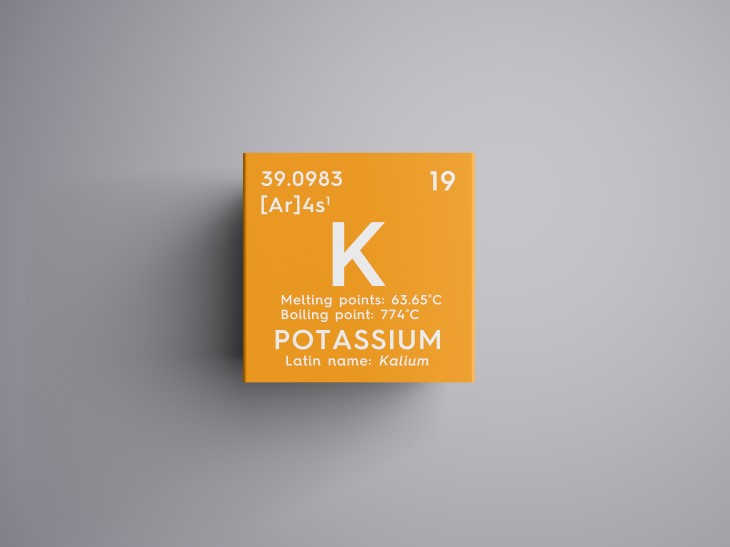
There is a second, less famous side to this. While sodium raises blood pressure, the mineral potassium helps to lower it, by easing tension in the blood vessel walls and helping the body shed excess sodium. Many of us do not get enough of it.
Potassium-rich foods include bananas, potatoes and sweet potatoes, beans and lentils, leafy greens, tomatoes, oranges, and yogurt. Happily, these are exactly the sort of fresh, whole foods that are also low in sodium, so filling your plate with them helps on both counts at once. One important caution, though: if you have kidney disease or take certain blood pressure or heart medications, too much potassium can be harmful, so check with your doctor before making a point of increasing it, and be careful with the potassium-based salt substitutes sold in shops.
Is the effort worth it? For many people, yes, and encouragingly quickly. Trimming your sodium by around 1,000 milligrams a day has been shown to improve blood pressure and heart health. In those who are salt-sensitive or already have high blood pressure, moving toward the lower target can reduce the top blood pressure number by a meaningful amount, sometimes as much as a modest medication would.
That said, honesty matters here too. Not everyone will see a dramatic change, because people vary in how strongly they respond to salt. But since there is little downside to eating a bit less, and a good deal of potential benefit, it is a sensible and low-risk change for almost anyone, particularly as we get older.
Salt is only one piece of the blood pressure puzzle, alongside weight, activity, alcohol, stress, and family history. It is worth a conversation with your doctor if: