
A heart attack can feel like the ground has shifted beneath you. One day life is moving along as usual, and the next you are lying in a hospital bed wondering what comes next, what you can still do, and whether things will ever feel normal again. The good news, and it is very good news, is that the heart is a remarkably resilient organ. With the right care, millions of people go on to live full, active, and happy lives after a heart attack. Many even say they ended up healthier and more grounded than they were before, because the experience pushed them to make changes they had been putting off for years.
Recovery is not just about the heart muscle itself. It involves your body, your daily habits, and very much your state of mind. This guide walks through what to expect and what you can do, step by step, to help your heart grow stronger and your life feel whole again.
The early period after a heart attack is about healing and pacing. Your heart has been through a serious event, and the muscle needs time to recover. In these first weeks, fatigue is completely normal. You may feel tired after activities that used to seem effortless, and your emotions may swing more than usual. None of this means something is wrong. It is your body asking for rest.
The general approach during this stage is to stay lightly active rather than completely still. Short, gentle walks around the house and then around the block help keep your circulation moving and prevent the weakness that comes from too much bed rest. At the same time, heavy lifting, intense exertion, and pushing through exhaustion are best avoided until your care team gives the green light. The simple rule many people find helpful is to listen to your body and stop before you feel wiped out, not after.
This is also the time to learn your medications inside and out. You will likely leave the hospital with several new prescriptions, and taking them exactly as directed is one of the single most important things you can do. More on those in a moment.
If there is one thing worth circling in bold ink, it is cardiac rehabilitation. Cardiac rehab is a structured, medically supervised program designed specifically for people recovering from heart events, and it is one of the most powerful tools available for rebuilding a strong heart. People who complete cardiac rehab tend to live longer, feel better, and have fewer future heart problems than those who skip it. Despite this, many people are never referred or never go, which is a real missed opportunity.
A typical program runs for several weeks and includes a few key parts:
Beyond the physical benefits, cardiac rehab gives many people something just as valuable: confidence. Being in a room with others who have been through the same thing, and seeing your own strength return week by week, does wonders for the spirit. If your doctor has not mentioned cardiac rehab, ask about it directly. It is worth the effort to attend.
Medications after a heart attack are not just treating symptoms. Many of them are actively protecting your heart and lowering the chance of another event. While every person's plan is different, several types are very common:
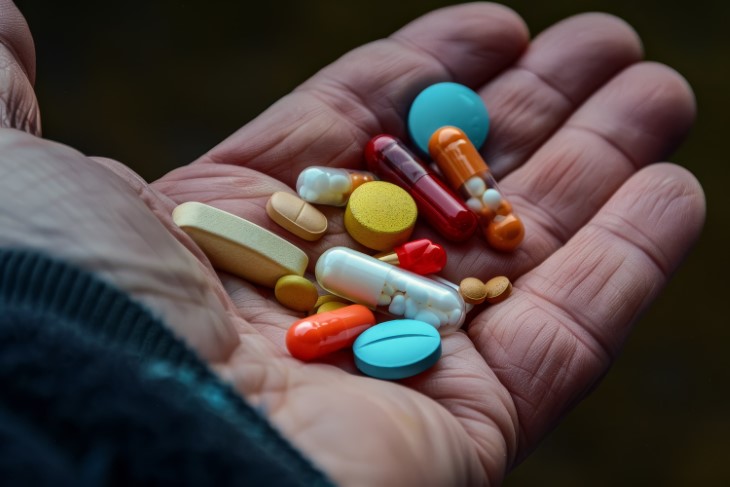
It is normal to dislike taking a handful of pills every day, but stopping them on your own can be dangerous. If you have side effects or concerns about cost, talk to your doctor or pharmacist rather than quietly skipping doses. There are often alternatives, and they would much rather adjust your plan than have you go without protection.
Modern cardiology offers an impressive range of devices and procedures that can support a weakened heart or prevent future trouble. Depending on your situation, your care team may discuss one or more of the following.
Stents. If a blocked artery was opened during your heart attack, you likely received a stent, a tiny mesh tube that props the artery open and keeps blood flowing freely. Stents are extremely common and have transformed heart attack treatment over the past few decades.
Implantable cardioverter defibrillators (ICDs). For people whose heart muscle was significantly weakened, there can be a risk of dangerous heart rhythms. An ICD is a small device placed under the skin that constantly watches the heartbeat and can deliver a corrective shock if a life threatening rhythm occurs. It works quietly in the background, ready to act only if needed.
Pacemakers. If the heart beats too slowly or the electrical signals become unreliable, a pacemaker can keep the rhythm steady. These devices have become smaller and smarter over the years, and many people forget they even have one.
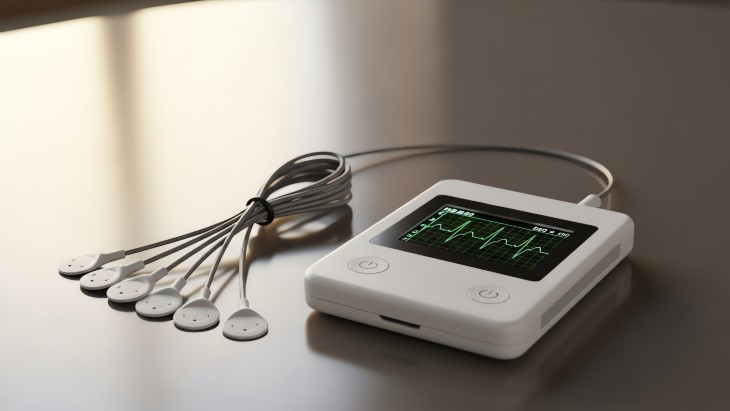
Cardiac resynchronization therapy (CRT). For certain types of heart failure, a special device helps the two sides of the heart pump in better coordination, which can improve how well the heart moves blood and how you feel day to day.
Enhanced external counterpulsation (EECP). This is a noninvasive option for some people with ongoing chest discomfort. Cuffs around the legs inflate and deflate in time with the heartbeat to encourage better blood flow. It is done in a series of outpatient sessions and requires no surgery.
Wearable monitors. Many people leave the hospital with a wearable heart monitor for a period of time, or use a wearable defibrillator vest while doctors decide whether a permanent device is needed. Even consumer smartwatches with heart rhythm features have helped some people catch problems early, though they are a supplement to medical care, not a replacement for it.
You do not need to memorize all of these. The point is simply to know that if your heart needs extra support, there are well established, effective tools available, and your cardiologist will recommend only what fits your specific case.
Once you are cleared to increase activity, gradual and consistent movement becomes your best friend. The heart is a muscle, and like any muscle it grows stronger with appropriate, regular exercise. The key word is gradual.
Walking is the gold standard for most people in recovery. It is free, low impact, and easy to build up slowly. A common pattern is to start with a few minutes at a comfortable pace and add a little more time each week. Over the months, many people work up to a brisk thirty minute walk most days, which is wonderful for heart health.
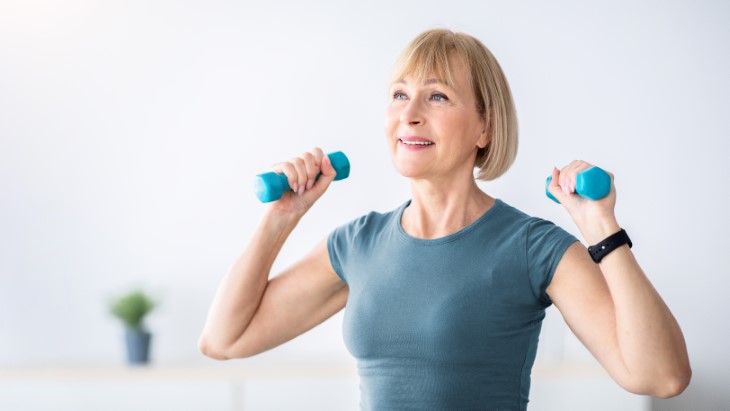
As you progress, light strength work and activities you enjoy, whether that is swimming, cycling, gardening, or dancing, can be added with your doctor's guidance. A few sensible habits help keep things safe:
Progress is not always a straight line. Some days will feel stronger than others, and that is part of the process. What matters is the trend over weeks and months, not any single day.
Food is one of the areas where you have real, daily control over your recovery. The goal is not a punishing diet but a sustainable way of eating that supports your heart. Generally that means leaning toward vegetables, fruits, whole grains, beans, fish, nuts, and olive oil, while cutting back on heavily processed foods, excess salt, sugary items, and red and processed meats. The Mediterranean style of eating is often recommended because it is both heart friendly and genuinely enjoyable.
Small, steady changes tend to stick better than dramatic overhauls. Swapping butter for olive oil, adding an extra serving of vegetables, choosing water over soda, and watching portion sizes all add up over time. If you smoke, quitting is the single most powerful change you can make, and your care team can point you toward real support to do it.

Here is something many heart patients are surprised to learn: the emotional aftermath of a heart attack can be just as challenging as the physical one. A heart attack is a brush with mortality, and it is completely natural for that to stir up powerful feelings. Recognizing these reactions as normal is the first step toward managing them.
Some of the most common psychological experiences include:
The encouraging news is that the emotional side of recovery responds well to attention and support. A few approaches make a real difference:
One of the most common questions after a heart attack is simply, when can I get back to normal? The answer depends on your individual recovery, but most people are eventually able to return to the activities they love, including work, driving, hobbies, travel, and intimacy. Your care team can give you a realistic timeline for each, and cardiac rehab is a great place to ask the questions that feel awkward to bring up elsewhere.
Intimacy in particular is a topic many people worry about silently. For most, resuming a sex life after recovery is safe, and the energy required is comparable to a brisk walk or climbing a couple flights of stairs. If you have concerns, a frank conversation with your doctor can replace worry with reassurance.
Part of recovering with confidence is knowing when to act. Seek emergency help right away if you experience chest pain or pressure that does not ease, pain spreading to the arm, neck, jaw, or back, sudden severe shortness of breath, fainting, or a cold sweat with nausea. It is always better to be checked and reassured than to wait and worry. Keep emergency numbers handy and make sure those close to you know the signs too.
A heart attack is a serious event, but it does not have to be the end of vitality, joy, or independence. Think of it instead as a turning point, a loud and unmistakable nudge to care for the remarkable organ that has carried you through your whole life. With cardiac rehabilitation, the right medications and devices, steady movement, nourishing food, and real attention to your emotional wellbeing, the heart can recover and the spirit can flourish.
Be patient with yourself. Celebrate small victories, lean on the people around you, and trust the process. Many people look back on their recovery as the moment they finally started living more fully and more intentionally. Your heart has more good days ahead, and so do you.
This article is for general information and encouragement, and is not a substitute for personalized medical advice. Always follow the guidance of your own doctor and care team, who know your situation best.