


You receive a message from a friend's WhatsApp or social media account saying they are stranded abroad or in trouble and need money immediately. Their account has been hacked. Always call your friend directly to hear their voice before sending any funds.


Scammers compromise verified social media accounts (or impersonate celebrities) to post links to "giveaways," promising to double any cryptocurrency you send to a specific wallet. Any scheme requiring you to send crypto to receive more is always a scam.
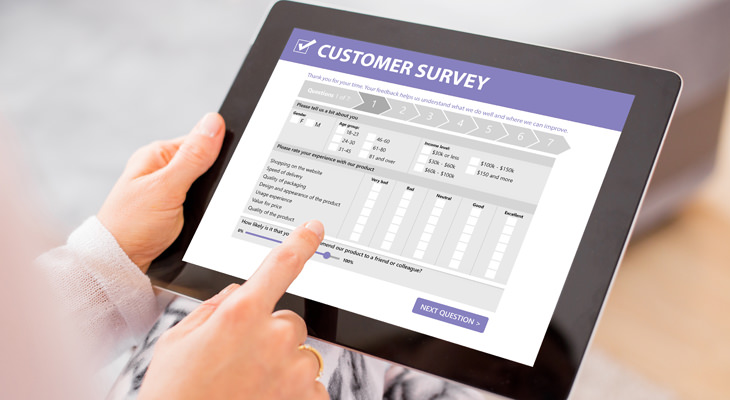
Pop-ups or emails offer a high-value gift card for completing a quick survey. At the end, you are asked to pay a small shipping fee for the reward or enter your bank login details. This is simply a phishing trap to harvest your financial information.

Scammers build a relationship over months, often starting with a "wrong number" text. Once trust is established, they show you how much money they make trading crypto or gold and guide you to a fake trading app. You see fake profits, but when you try to withdraw, you are hit with massive "tax fees" and lose your entire investment.
You find sold-out concert or festival tickets on social media. The seller demands payment via irreversible methods like Zelle, crypto, or PayPal "Friends and Family." Once paid, they block you, and the tickets never arrive.

You receive an automated call or text seemingly from your bank's real phone number, warning of suspicious charges. They ask you to verify your identity by providing your card number or logging into a link. Hang up and call the number on the back of your card directly.
When scammers acquire your bank login, they are stopped by the One-Time Password (OTP) texted to you. They use automated bots to call you, spoofing your bank, asking you to "enter the 6-digit code on your keypad to block fraud." Entering it bypasses your Multi-Factor Authentication and grants them full access.
Scammers place high-quality stickers with malicious QR codes over legitimate ones on parking meters, EV charging stations, or restaurant tables. Scanning them directs you to a fake payment portal that steals your credit card information.

You see a heartbreaking story about a sick child or an injured animal on social media with a link to donate. The images are stolen, and the funds go straight to a scammer. Always verify the organizer before donating to personal crowdfunding campaigns.
You download a seemingly simple app, like a flashlight or calculator, which offers a 3-day free trial. If you forget to cancel, it charges an exorbitant weekly subscription fee directly through your phone's app store billing.

You find incredibly cheap flights or luxury hotel deals on a third-party site. After booking, you arrive to find the reservation doesn't exist, or you are hit with hidden fees that double the original price. Stick to trusted aggregators or book directly with the airline or hotel.
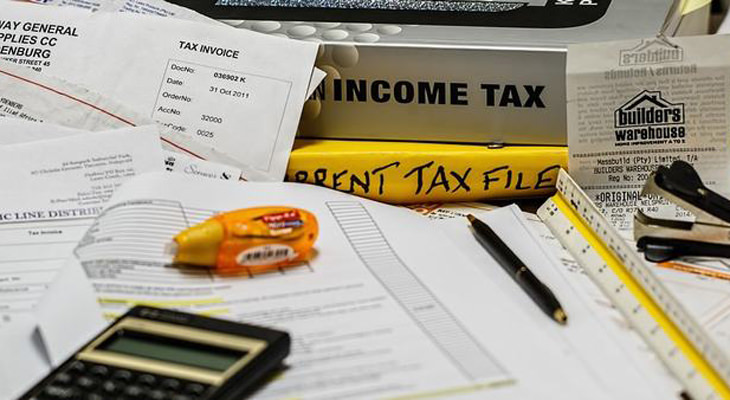
You receive a call from someone claiming to be from the IRS or a government agency, threatening you with immediate arrest for unpaid taxes. They direct you to stay on the phone while you drive to a local Bitcoin ATM to deposit cash into their wallet. Government agencies will never demand payment in cryptocurrency.
Similar to the IRS scam, someone impersonating law enforcement calls to say your relative has been arrested and requires immediate bail. They demand the payment be sent via a crypto ATM, a pre-paid card, or a wire transfer. Police departments do not operate this way.

You receive an email stating your Netflix, Amazon, or Spotify account will be suspended because your payment failed. The provided link leads to a perfect replica of the official login page, designed solely to harvest your credentials and credit card details.
Scammers compromise a vendor's email and monitor conversations. When an invoice is due, they send an email from the vendor's actual account with "updated bank details." The business unknowingly wires a massive payment directly to the fraudster.