When we think about living a long and healthy life, our minds usually go to the familiar numbers: blood pressure, cholesterol, weight on the scale. Those all matter. But there is another measurement that many researchers now consider the single most powerful predictor of how long you will live, and most of us have never had it checked.
It is called your VO2 max. The encouraging news is that, unlike your age, it is something you can actually improve, even after 50, even if you have never thought of yourself as athletic. Let's look at what it is, why it matters so much, and the gentle steps that can move it in the right direction.
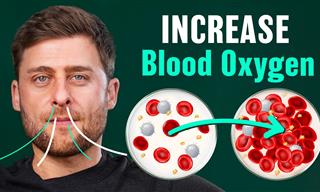
VO2 max is a measure of the largest amount of oxygen your body can take in and use during hard physical effort. In plain terms, it tells you how well your heart, lungs, blood vessels, and muscles all work together to deliver oxygen to where it is needed.
Think of it as a single score for your overall engine. A higher number means your body moves oxygen efficiently and you have more capacity to do the things you enjoy without running out of breath, whether that is climbing stairs, carrying groceries, or playing with your grandchildren. It is sometimes called the gold standard of fitness for exactly this reason.
Here is where it gets remarkable. Over the past few decades, scientists have followed tens of thousands of people for many years after measuring their VO2 max. Again and again, the results point the same way: the people with higher fitness tend to live longer, and by a wide margin.
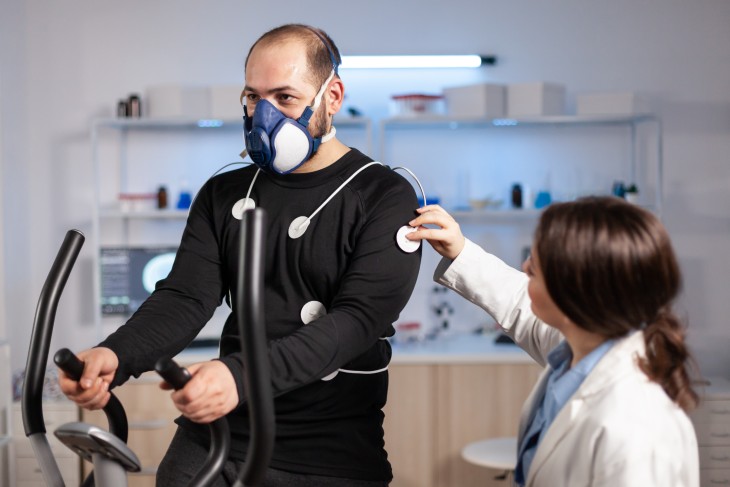
In fact, your level of fitness turns out to be a stronger predictor of how long you will live than smoking, high blood pressure, high cholesterol, or even existing heart disease. One large study found that people with the lowest fitness had roughly four times the risk of dying over the study period compared to those with the highest. Having a poor VO2 max, some researchers note, carries about the same risk to your heart as smoking does.
A strong VO2 max is also linked to a lower risk of heart disease, certain cancers, and even Alzheimer's disease. And in older adults, it is one of the best indicators of whether a person will be able to stay independent and active in the years ahead.
If that all sounds intimidating, here is the part worth holding onto. You do not need to become an athlete to gain most of the benefit. The single biggest jump in protection comes from simply climbing out of the very bottom group.
Research suggests that moving from the lowest fitness level up to merely below average is associated with roughly a 50 percent reduction in the risk of dying from any cause. Climb a little further, to above average, and that reduction grows to around 70 percent. In other words, the people with the most to gain are those who are starting from the least active place. Every small step up from where you are today appears to lower your risk a little more.
Even better, VO2 max is trainable at any age. Studies show that people in their 40s, 60s, and even their 80s can meaningfully improve it. Someone who has been mostly sedentary can often raise their score by 10 to 20 percent within a few months of gentle, consistent effort.
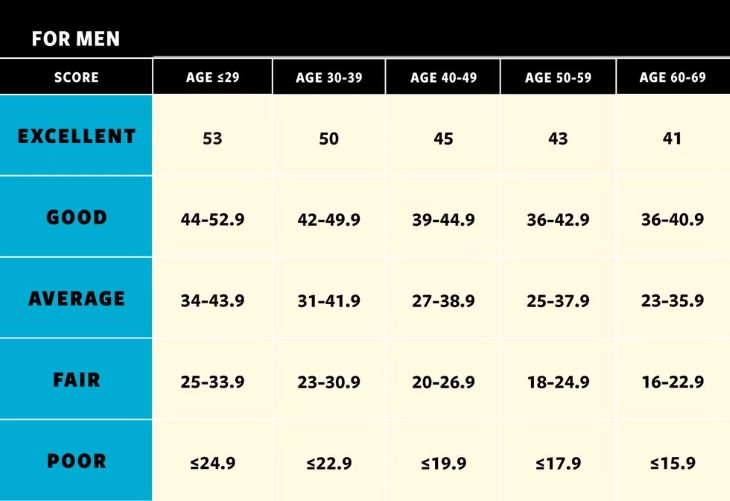
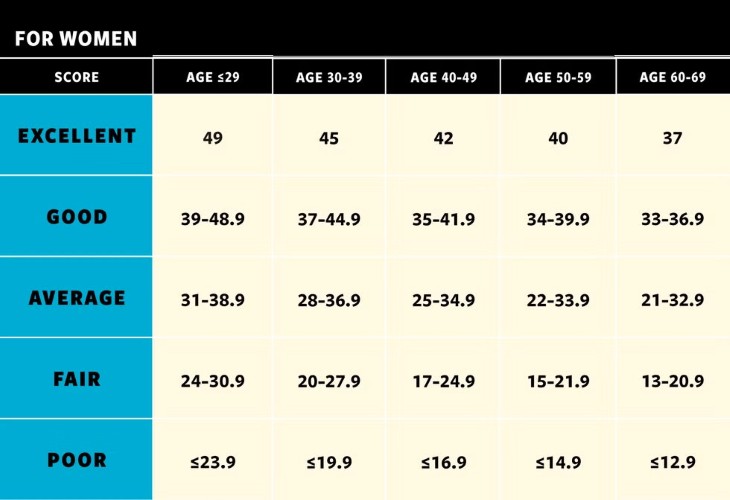
You do not need a fancy watch, a laboratory test, or a gym membership to improve your VO2 max. You really need just two types of movement, woven through your week.
The first is easy, steady activity. This is often called Zone 2, and it simply means moving at a pace where your heart rate is up but you could still hold a conversation. A brisk walk is the perfect example. So is an easy bike ride, a gentle row, or light gardening that keeps you moving. This kind of steady effort builds the foundation, training your heart to pump more efficiently and your muscles to use energy better. Aim for something like 30 to 45 minutes, a few times a week. If a continuous half hour feels like too much at first, break it into ten-minute blocks and add them up across the day.
The second is short bursts of harder effort. These are intervals, and they are the part that nudges your VO2 max higher. The idea is to push a little harder for a short stretch, then recover, and repeat. The key word is "gentle." This is not about sprinting until you collapse.
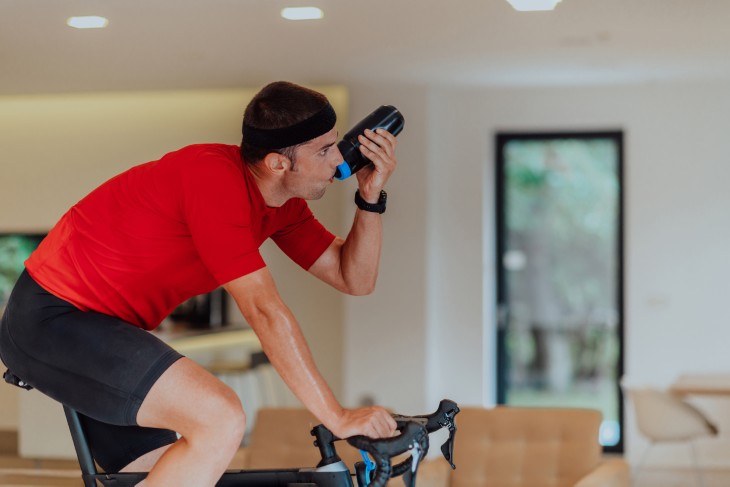
Once you have built up some comfort with regular walking, you can fold in a simple interval session once or twice a week. Here is an approachable version:
That is the whole session, and it takes well under half an hour. If full intervals feel like a lot, you can start with just three or four cycles and build from there. Shorter bursts with longer rests are perfectly effective, and they are often the wiser choice as we get older.
One more piece rounds out the picture. Keeping your muscles strong, especially in your legs, supports your VO2 max and helps you stay steady and independent. A couple of short sessions a week of simple strength movements, like rising from a chair without using your hands, gentle squats holding a counter for balance, or climbing stairs, all add up. Strong legs carry you through everything else.
A realistic week might look like three or four easy walks, one or two short interval sessions, and a bit of strength work, with rest days in between. The most common mistake is pushing hard every single day. Your body makes its gains during recovery, so the gentle, mostly easy approach is not just kinder, it actually works better.
As with any new exercise routine, it is wise to check in with your doctor before adding harder efforts, especially if you have a heart condition or have been inactive for a while. Once you have the green light, start small and let things build naturally.
The takeaway is a hopeful one. The measurement that may matter most for your future is also one of the most responsive to effort, at any age. You do not have to transform your life overnight. A brisk walk today, a few short bursts of effort tomorrow, and a little patience can add not just years to your life, but life to your years.