Stress isn't the enemy. The trouble starts when your body never gets the chance to recover from it.
You may have heard the phrase "nervous system regulation" tossed around lately, often paired with promises of calm, balance, or a quick reset. But what does it actually mean - and why are doctors paying closer attention to it?
Your nervous system is the quiet command center running in the background of everything you do. Made up of your brain, spinal cord, and a vast web of nerves, it constantly reads your environment, interprets what's happening, and decides how your body should respond. Much of this work is handled by the autonomic nervous system, the part that manages your heartbeat, your breathing, and your digestion without you ever giving it a thought.

When people talk about being "regulated," they're usually describing how smoothly this system can switch gears - gearing up when you need energy or focus, and easing back down once the moment has passed.
To understand what that balance looks like (and what happens when it slips), we turned to Dr. Aaron Block, a Family Medicine specialist and founder of The Cove, a concierge medical practice focused on personalized care.
Here's something that might surprise you: stress is not a flaw in the system. It's a feature.
"Stress itself isn't always a bad thing," Dr. Block notes. There's even a name for the helpful kind - eustress - the type that motivates you, sharpens your focus, and gets you moving when you need to be productive.
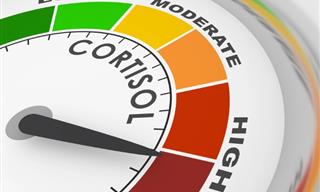
When stress kicks in, your sympathetic nervous system - the famous "fight or flight" response - releases hormones like adrenaline and cortisol. Your heart speeds up, your senses sharpen, and your body braces itself to meet a challenge. In short bursts, this is exactly what your body is designed to do.
The trouble begins when stress no longer comes in short bursts. When pressure piles up and lingers, eustress turns into distress, and the same biological response that was meant to protect you starts wearing you down instead.
A dysregulated nervous system isn't broken. It's simply spending too much time in one gear - usually that high-alert, switched-on setting.
The catch, Dr. Block explains, is that your body responds the same way to a deadline at work, a poor night's sleep, or worries about a loved one as it would to genuine physical danger. Over time, that constant "on" state takes a toll.

In a regulated system, you can shift between states fairly easily. You feel pressure during a hectic afternoon, but once it's over, your body settles back to baseline.
In a dysregulated system, that return to baseline becomes slow or never quite finishes. Recovery falls behind activation. You might recognize the feeling: lying in bed wired and alert, replaying the day in your mind, unable to quiet your thoughts even though you're exhausted. That's your body stuck in stress mode, unable to fully shift into the "rest and repair" state governed by the parasympathetic nervous system.
One reason this kind of dysregulation often slips past unnoticed is that the early signs are easy to brush off as "just stress."
Physical clues tend to show up first:

Given enough time, deeper changes can follow - shifts in blood pressure or in how your body manages blood sugar, both of which become increasingly relevant as we get older.
There are mental signs too. Feeling on edge, snapping at small things, struggling to concentrate, or having trouble falling asleep are all clues that your nervous system is staying switched on far longer than it should. As Dr. Block puts it, this is the same ancient system that once helped our ancestors flee from danger - only now, modern life keeps it humming long past its expiration point.
Lasting dysregulation rarely arrives in a single moment. It accumulates quietly.
Demanding jobs, health worries, caring for a parent or grandchild, financial pressure, strained relationships, and stretches of poor sleep can all keep the body in fight-or-flight mode without enough downtime to reset.
But here's an important nuance: going through a stressful period doesn't automatically dysregulate your system. What matters most isn't the amount of stress you face, but whether your body has enough chances to recover - through sleep, movement, good food, supportive people, and genuine moments of rest.
When that recovery keeps getting cut short, repeated exposure to cortisol begins to affect multiple systems. Blood pressure can creep up. Blood sugar regulation can falter. The risk of heart disease and type 2 diabetes rises. Digestion can suffer too, leading to reflux, stomach discomfort, or changes in bowel habits.

In everyday life, the signs aren't always obvious: lingering fatigue, headaches, brain fog, broken sleep, and feeling overwhelmed by things that wouldn't have rattled you a few years ago. Mental health is woven through all of this - long-term activation of the stress response is closely linked to higher rates of anxiety and depression, a reminder of just how connected body and mind really are.
With nervous system health getting so much attention these days, it's easy to assume there's some kind of master reset button waiting to be pressed. Dr. Block gently steers patients away from that idea.
"The idea of 'fixing' your nervous system can be a little misleading," he says. The nervous system is not a thermostat that you set once. It's a living, adapting system, constantly responding to whatever life throws at it. What looks like dysregulation is usually a system that's overloaded - not one that's permanently damaged.
The real goal isn't a perfect, peaceful state. It's flexibility - the ability to move through stress and find your way back to calm more reliably. Life will always include some stress; the aim is to keep from getting stuck in high alert.
For people facing long-standing or complex stressors, this may mean ongoing management rather than a clean finish line. Even so, real improvement is genuinely possible with steady, consistent support.
Supporting your nervous system doesn't call for dramatic life changes. The science points instead to consistency.
Several practices have solid evidence behind them:
It's worth noting, Dr. Block adds, that many of our armed forces train in these very same techniques to stay steady under intense pressure.

Regular movement matters just as much. Even a daily walk helps your body recover from stress and builds resilience over time. So do the basics that are sometimes too easy to neglect: enough good-quality sleep, regular and balanced meals, and real breaks from screens and obligations.
Awareness is its own quiet skill. Simply pausing during the day to notice how your body feels - your shoulders, your breath, your jaw - can help you catch stress before it has time to settle in.
These habits may sound modest, but they work because they give your nervous system repeated chances to leave stress mode and enter recovery - chances most of us simply aren't getting enough of.
So, regulating your nervous system is really about how well your body moves between stress and recovery. Stress on its own isn't the enemy - it's a built-in response that helps us adapt and meet life's demands. The trouble starts when activation outruns recovery, leaving the body stuck in a state of constant alert.
Long-term well-being depends less on how much stress you encounter and more on whether you give your body the chance to recover - through sleep, movement, nourishment, rest, and the comfort of good company.
When recovery falls behind for too long, the signs show up: poor sleep, fatigue, foggy thinking, irritability, and the sense that everything feels a little too much. At that point, calm rarely returns on its own. It comes back gradually, through small, intentional habits that remind your body, day after day, that it's safe to settle down.