
Think of someone you met once and immediately hoped you’d see again. Maybe they laughed at the same odd detail in a story, or asked a question that made you want to stay and talk a little longer. You might have trouble remembering what they wore, but you probably remember how easy they were to talk to.
Much of what makes a person appealing happens in those ordinary moments. A glance, a well-timed pause, or a simple thank-you can change the feel of a conversation. Here are seven small habits worth paying attention to, whether you’re on a date, meeting a new neighbor, or getting to know someone at work.
A brief look when you greet someone, or when they get to the funny part of a story, can show that you’re right there with them. In a study of spontaneous conversations, people tended to meet each other’s eyes at moments when their attention was especially in sync. That’s familiar if you’ve ever looked away to find the right word, then looked back just in time to catch the other person’s reaction.

How much eye contact feels comfortable varies with the person, the setting, and cultural norms. Some people, including some autistic people, find it distracting or uncomfortable. If you listen better while looking elsewhere, a nod or a question about something the person just said can show you’re following. A walk side by side can also make a good setting for a conversation.
Spend a few minutes with an old friend and you might find yourself speaking at the same pace or leaning forward at the same moment. Psychologists call this mirroring, and it often happens without either person realizing it. In one experiment, subtle mirroring made a brief interaction feel smoother and increased how much people liked their conversation partner.

In everyday life, pay attention to how the other person takes a turn. If they tend to pause before answering, give them a moment to finish their thought. If they light up while telling you about a favorite hobby, give them room to linger on the details. You can keep your own mannerisms and still meet someone halfway. It might be as simple as giving them a little more time to get to the good part.
A scent you enjoy can be a pleasant detail, especially in close company. In one set of experiments, volunteers rated samples of body odor mixed with perfume. The same fragrance changed the ratings differently from person to person. Samples from people wearing a fragrance they had chosen for themselves were also rated more pleasant, on average, than samples from those same people wearing an assigned scent.
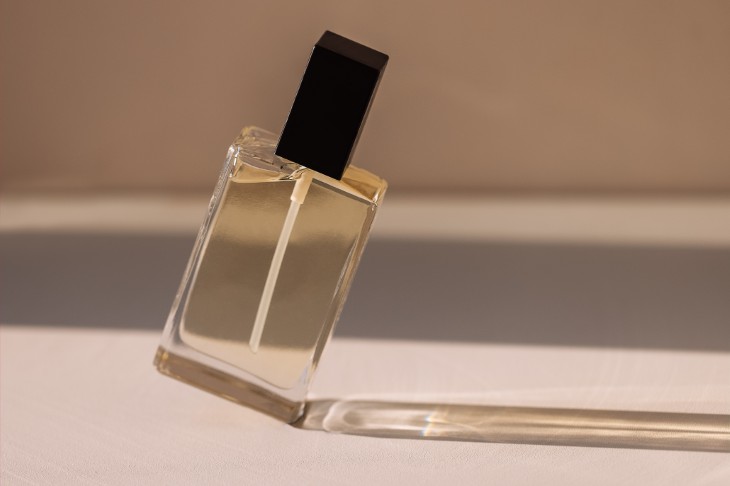
If you’re trying a new perfume or cologne, test a little on your skin and see how you like it later in the day. Think about where you’ll be, too. A light spritz outdoors may feel more noticeable in a car with the windows up. Some people are sensitive to fragrance, so going without it can be a considerate choice in shared spaces. Fresh clothes are a good starting point for any occasion.
A deep voice can sound commanding in some settings. Listeners also pick up confidence from the pace of speech and the way a voice rises and falls. What you can do in a conversation is speak at a pace that feels comfortable and give the important parts of a sentence a little space. Your everyday voice can do that just fine.

Next time someone asks what you think, take a breath before you answer. If you’re telling a story, give people a beat to picture the scene before you get to what happened. An occasional “um” is part of ordinary speech. A short pause can be especially handy when you’re tempted to hurry through the very point you want the other person to hear.
There’s a particular pleasure in seeing someone’s face light up when you walk in. Experiments with facial expressions have found that a smile can make a person look more approachable. In everyday life, warmth can come through just as clearly in a laugh, a kind word, or the pleasure you take in hearing someone’s good news.

Appreciation lands better when it’s specific. If a neighbor helped you carry in the groceries, you might say, “I had my hands full. Thanks for coming over when you saw me.” On a difficult day, warmth might mean giving someone a moment to talk about what went wrong. Sometimes the kindest response is as simple as “That sounds like a rough morning.”
Quiet confidence is easy to recognize in someone who can give an opinion without insisting everyone agree, or say “I don’t know” and stay curious about the answer. It also shows in how they talk about what they do well. Experiments on humblebragging found that disguising a boast as a complaint tended to make people seem less sincere and less likable.

If someone asks about a project you’re proud of, give them a detail they can respond to. “I finally got tomatoes to grow on my balcony. It took three summers” says more about you than a polished account of your gardening skills. At a gathering, confidence can be as ordinary as introducing yourself first or saying what you’d like to do when everyone else is still saying, “Anything is fine with me.”
When someone tells you they’ve started taking piano lessons again, it’s easy to say “How nice” and move on. Try asking what made them want to start again. There might be a story about a piano in their childhood home, a song they’ve always wanted to play, or a lesson they found surprisingly hard. The follow-up gives them somewhere to take the conversation.

In an experiment with people meeting for the first time, those who got an active listening response felt more understood than those who received advice or a brief acknowledgment. You can do this in your own words. If a friend says a family visit left them worn out, “It sounds like you hardly had a minute to yourself” gives them a chance to say whether you’ve understood. On another day, the best sign that you listened might be remembering to ask how that piano recital went.
Think about the last conversation you wished had gone on a little longer. What did the other person do that put you at ease? That small detail might be the habit you’d most enjoy bringing to your next conversation.