
The air fryer is cooking dinner, the kettle is boiling, and there’s still a free socket on the wall. It looks as though there’s room for one more appliance. Unfortunately, that empty socket tells you very little about how much electricity the wiring can safely supply.
Some surprisingly small appliances need a substantial amount of power. Run several together, and you can overload a circuit, causing the breaker to trip and potentially creating a fire hazard. Understanding which appliances make the biggest demands can help you avoid trouble without making everyday life complicated.
First, an important distinction: a different outlet does not necessarily mean a different circuit. Several outlets, sometimes in different rooms, can share the same wiring and circuit breaker. A power strip adds places to plug things in, but it does not increase the circuit’s capacity. The Electrical Safety Foundation International recommends learning which circuits serve your home and having an electrician install additional circuits where needed.
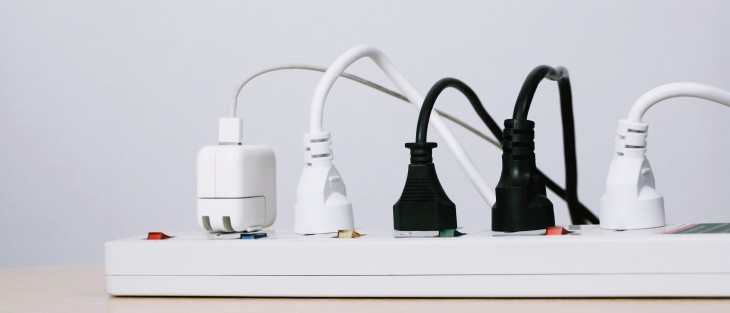
The examples below refer to U.S. household appliances. Ratings vary, so check your appliance’s label and instructions. The concern is usually running demanding appliances together, rather than simply having two plugs connected while the appliances are switched off. Where a manufacturer requires a dedicated circuit, that circuit should supply only that appliance.
A space heater can make a chilly room comfortable remarkably quickly, but producing all that heat takes considerable power. As an illustration, a heater drawing 1,500 watts at 120 volts uses 12.5 amps. Two such heaters would demand 25 amps, exceeding the rating of either a 15-amp or a 20-amp household circuit. Moving the second heater across the room will not help if both outlets share that circuit.

The safer approach: Plug the heater directly into a suitable wall outlet and avoid running another demanding appliance on the same circuit. The U.S. Consumer Product Safety Commission specifically warns against powering space heaters through extension cords or power strips. Keep the heater at least three feet from bedding, curtains, and furniture, and switch it off before sleeping. A thermostat or automatic shutoff does not make an overloaded electrical connection safe.
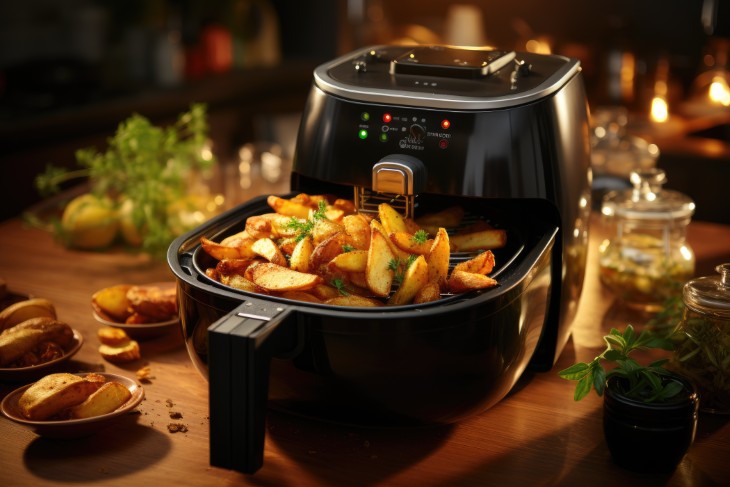
An air fryer may occupy only a small corner of the counter, but its heating element can make it one of the kitchen’s more demanding appliances. For example, Hamilton Beach lists a 1,700-watt model. Pair that with a 1,500-watt kettle and the combined demand is 3,200 watts, or approximately 26.7 amps at 120 volts. That exceeds the rating of an ordinary 15-amp or 20-amp circuit.
The safer approach: Give the air fryer a direct wall connection and use other powerful countertop appliances at a different time unless you know they are supplied by separate, suitable circuits. Cooking efficiently or finishing a meal quickly does not necessarily mean an appliance draws little power while it is heating. It may save energy overall by running for less time, while still placing a substantial demand on the circuit during use.
Breakfast can put several heating appliances to work at once. The toaster browns the bread while another appliance heats water, and it is easy to assume this familiar combination must be harmless. Yet a toaster oven can draw 1,500 watts on its own, as illustrated by Hamilton Beach’s countertop models. Add another powerful heating appliance, and the shared circuit may be overloaded.
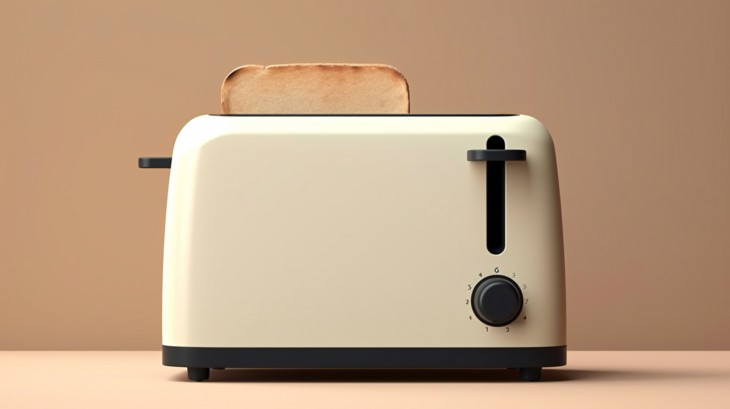
The safer approach: Avoid operating the toaster or toaster oven alongside another demanding appliance on the same circuit. If you do not know how your kitchen is wired, stagger their use. Electrical safety guidance from the Grand River Dam Authority also recommends plugging major appliances directly into wall outlets and using only one heat-producing appliance per receptacle outlet at a time. A two-socket wall outlet should not be treated as two independent power supplies.
A microwave deserves more consideration than its short cooking times might suggest. Heating leftovers for two minutes still creates an electrical demand during those two minutes, and running the toaster oven simultaneously can add a substantial load. Also, the cooking wattage advertised on a microwave is not necessarily its electrical input: look for the input rating on the label or in the manual when checking its power requirements.
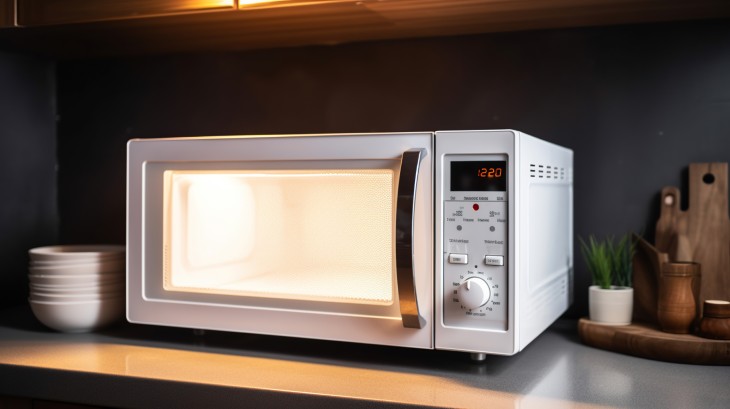
The safer approach: Follow the installation instructions for your particular model. GE specifies an individual, properly grounded 120-volt circuit protected by a 15-amp or 20-amp breaker for its countertop and over-the-range microwaves, and explicitly states that over-the-range models should always have a dedicated circuit. Do not assume a microwave is suitable for a shared power strip simply because it fits on a countertop.
Few appliances look less threatening than a kettle, but bringing water to a boil quickly requires a powerful heating element. Hamilton Beach’s 1.7-liter stainless steel kettle, for example, is rated at 1,500 watts. That makes it a substantial electrical load despite its modest size. Running it alongside an air fryer or toaster oven can push a shared circuit beyond its rating.
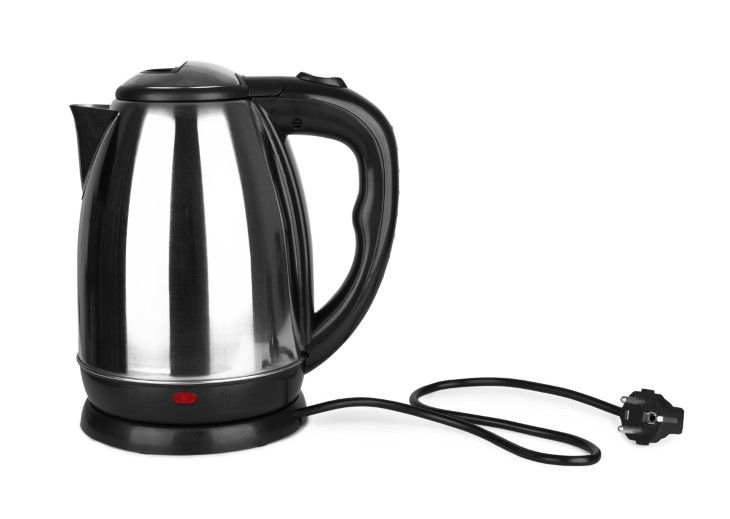
The safer approach: Let the kettle finish boiling before starting another demanding appliance on the same circuit. Boiling only the water you need can shorten its operating time, but it does not substantially reduce the power the heating element requires while switched on. Likewise, automatic shutoff ends the boiling cycle; it does not provide extra capacity for the wiring supplying the kettle.
A hair dryer is another small appliance with a surprisingly large appetite for electricity. Conair, for example, sells a compact model rated at 1,875 watts. Two powerful dryers running together can easily exceed the capacity of a shared bathroom circuit. The same concern applies when a dryer is used while a portable heater is warming the room.
However, styling tools vary considerably. A small curling iron does not necessarily demand anything close to the power of a hair dryer, so it is misleading to treat every possible pairing as equally risky.

The safer approach: Check the ratings and use powerful tools one at a time when they share a circuit. Do not assume an outlet in a second bathroom has a separate supply. If simultaneous use regularly trips the breaker, have an electrician assess the arrangement instead of repeatedly resetting it.
A refrigerator’s electricity use changes throughout the day as its cooling system operates. Many compressor motors briefly draw more current when starting than during steady operation, and some appliances also have automatic defrost heaters. This makes it unwise to judge the available circuit capacity from a quiet moment when the refrigerator appears to be doing very little.

That does not mean every refrigerator draws enormous amounts of power, or that two small refrigerators inevitably overload a circuit. The model and installation requirements matter.
The safer approach: Use a properly grounded wall outlet and follow the manufacturer’s circuit instructions. GE specifies an individual 15-amp or 20-amp circuit for its refrigerators. Avoid adding a microwave or other demanding appliance to that supply. A shared breaker trip can also leave the refrigerator without power unnoticed, turning an electrical problem into spoiled groceries.
A room air conditioner may run for long stretches on a hot afternoon, making it important to get its electrical supply right. Adding another demanding appliance to the same circuit can create problems even when the air conditioner has been operating normally by itself. Its cooling-capacity figure, expressed in BTUs, should not be mistaken for its electrical input rating.
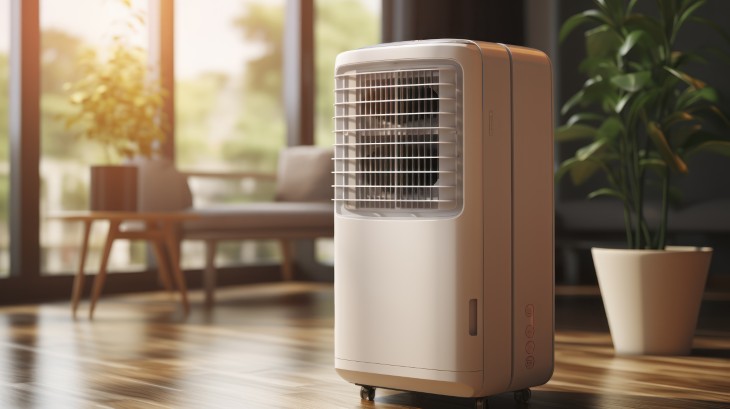
The safer approach: Plug the unit directly into a suitable grounded wall outlet and follow any dedicated-circuit requirement in its instructions. Frigidaire explains that a unit labeled for a single circuit should have a breaker that supplies only that air conditioner. It also warns that an extension cord can reduce the voltage reaching the unit. If the supplied cord cannot reach a suitable outlet, have an electrician assess the installation rather than improvising with extra connections.
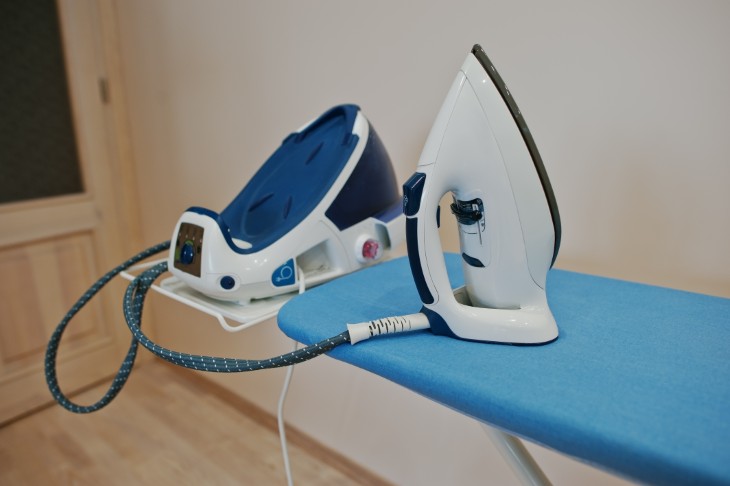
Ironing while a space heater warms the room may feel like an efficient way to tackle a chore, but the two appliances can place heavy demands on the same circuit. Some irons are particularly powerful: Hamilton Beach lists a steam iron rated at 1,800 watts. Garment steamers also use heating elements to turn water into steam, so their electrical requirements deserve the same attention.
The safer approach: Connect the appliance directly to a suitable wall outlet and avoid operating another powerful heating appliance on the same circuit. Remember that an iron’s heating element switches on and off to maintain temperature. A pause in heating does not mean the electrical load has permanently disappeared; it can return while another appliance is running. Check the rating even on a compact or travel model, since size alone is an unreliable guide.
In a garage or workshop, the troublesome combination might be a circular saw and another motorized tool running together. Some tools already have substantial current ratings: DeWalt’s DWE575 circular saw has a 15-amp motor. Adding another powerful tool to the same household circuit can demand more than the supply is designed to deliver.
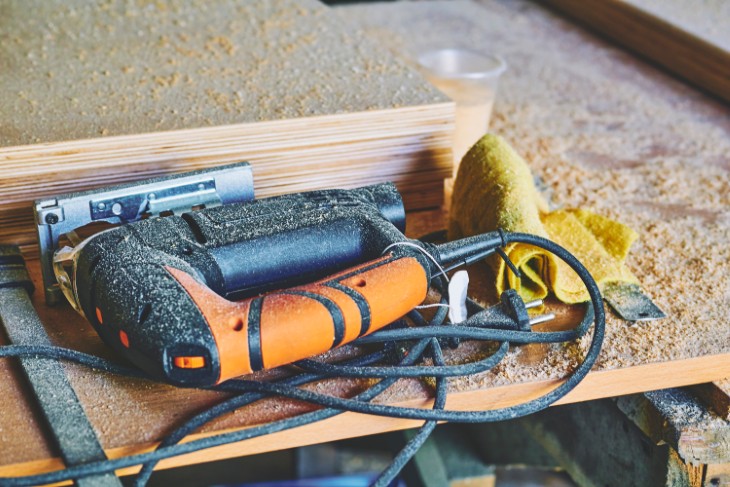
The safer approach: Check each tool’s amperage and the manufacturer’s power-supply instructions before operating equipment together. Where an extension cord is permitted, use the specified type and wire size for the tool and cord length. A power strip does not give a workshop extra electrical capacity. If you regularly need several demanding tools running simultaneously, have an electrician assess the circuit arrangement and provide a suitable supply.
Pay attention to the warning signs
Repeated breaker trips, unusually warm or discolored outlets, buzzing or crackling, and burning smells all deserve attention. These can indicate an overload or another electrical fault. Stop using the affected outlet or appliance and have it checked by a qualified electrician. Do not keep resetting a breaker to carry on with the same setup.
Before switching on another appliance, consider what is already running on its circuit. Giving demanding appliances separate operating times, and arranging suitable circuits where needed, can prevent a familiar household routine from becoming an electrical hazard.