
As the intense heat of summer (in the Northern hemisphere) finally gives way to cooler breezes and the promise of rain, the garden enters a new and exciting phase. October isn't an end to the gardening year; for many climates, it’s a "second spring," offering the perfect opportunity to cultivate a host of delicious vegetables, fragrant herbs, and beautiful flowers that thrive in milder temperatures.
The soil is still warm from the summer sun, but the cooling air reduces stress on young plants, allowing them to establish strong roots before winter. This month is all about setting the stage for a lush, productive winter and spring garden. By choosing the right plants, you can ensure a continuous harvest of fresh produce and a splash of vibrant color right through the coldest months. Here are ten of the best plants to get in the ground this October.
1. Garlic (Alliumsativum)
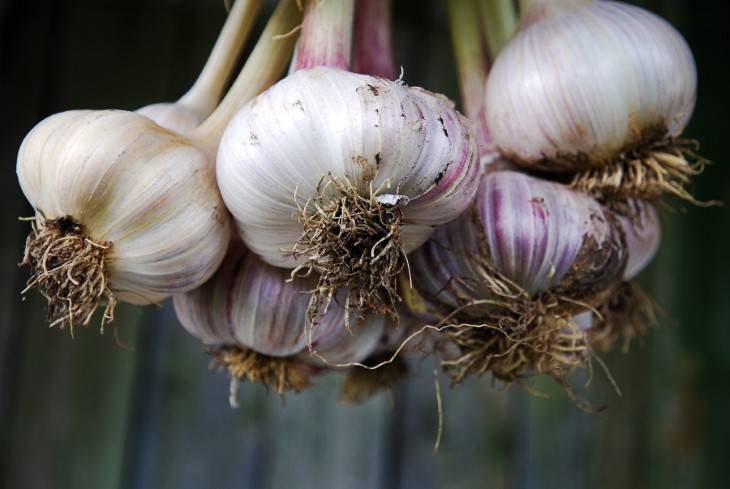
October is the quintessential month for planting garlic. Planting cloves now gives them the long, cool period they need to develop into large, flavorful bulbs for next summer's harvest. It's one of the easiest and most rewarding crops you can grow.
Why Plant Now: Garlic requires a period of cold weather (vernalization) to trigger bulb formation. Planting in autumn ensures the cloves have the entire winter and spring to mature.
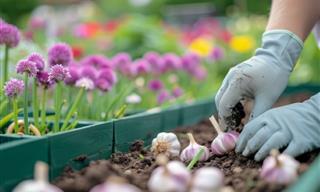
Planting Tips: Separate a healthy bulb into individual cloves, leaving the papery skin on. Plant each clove about 5 cm deep and 15 cm apart, with the pointy end facing up. Choose a sunny spot with well-draining soil, as garlic hates to have "wet feet."
Care and Harvest: Water moderately and keep the area weed-free. Shoots will appear within a few weeks. You can harvest the green shoots (scapes) in spring for a mild garlic flavor, and the bulbs themselves will be ready in early to mid-summer when the lower leaves begin to turn yellow and fall over.
2. Lettuce (Lactucasativa)
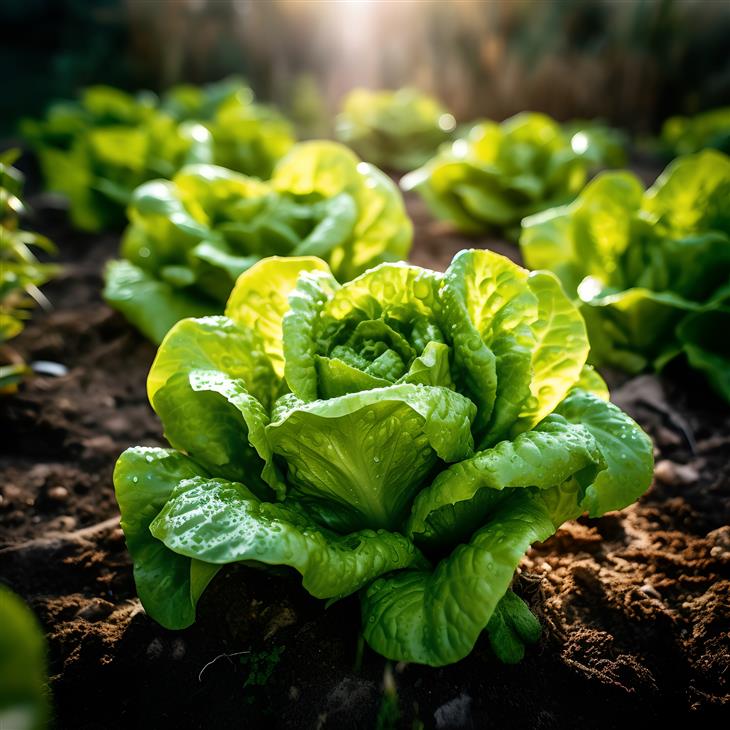
Crisp, fresh lettuce is a staple of the cool-season garden. October's mild weather is ideal for growing a wide variety of lettuces, from buttery Bibb to crunchy Romaine and colorful loose-leaf types.
Why Plant Now: Lettuce seeds germinate quickly in the warm soil, but the plants mature best in cool weather, which prevents them from bolting (flowering prematurely) and turning bitter.
Planting Tips: You can sow seeds directly into the garden bed or start with young seedlings. For a continuous supply, practice "succession planting"—sowing a new small batch every 2-3 weeks.
Care and Harvest: Lettuce has shallow roots, so it requires consistent moisture. For loose-leaf varieties, you can harvest the outer leaves as needed, allowing the plant to keep producing from the center for weeks.
3. Carrots (Daucuscarota)
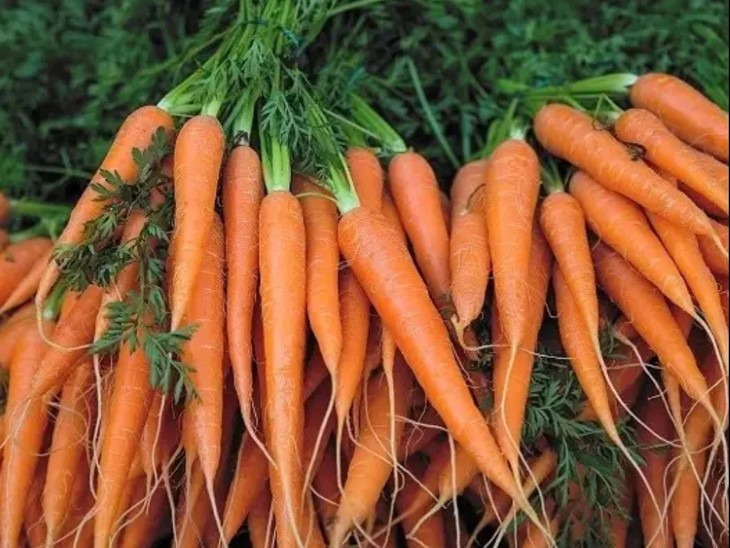
Homegrown carrots are sweeter and more flavorful than any you can buy. October is the perfect time to sow them for a winter or early spring harvest.
Why Plant Now: Carrots develop their best flavor and color in cool soil. Planting in October allows them to mature during the mild winter, with the cold temperatures converting starches into sugars.
Planting Tips: Carrots need loose, sandy, and stone-free soil to grow straight. Sow the tiny seeds thinly in shallow furrows, about 1-2 cm deep. Cover lightly with soil and keep moist.
Care and Harvest: Once the seedlings are a few centimeters tall, you must thin them to about 5-7 cm apart to give the roots room to grow. They are typically ready to harvest in 2-3 months.
4. Broccoli (Brassicaoleracea)
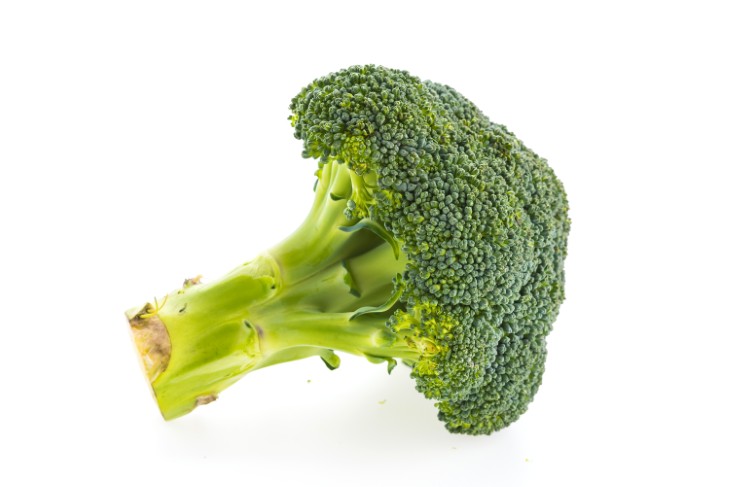
Growing your own broccoli is a true gardening triumph. This nutritious vegetable thrives in the cooler temperatures of autumn and winter, producing large, delicious heads.
Why Plant Now: Broccoli is a heavy feeder that loves cool weather. Planting seedlings in October allows them to establish before the coldest days, setting them up for a perfect harvest in late winter or early spring.
Planting Tips: It's often easiest to plant young seedlings from a nursery. Space them about 45-60 cm apart in rich, well-composted soil. Full sun is essential.
Care and Harvest: Provide consistent water, especially as the head begins to form. Harvest the main head when the florets are tightly packed and dark green. Don't pull the plant! It will often produce smaller, secondary side shoots for weeks after.
5. Peas (Pisumsativum)
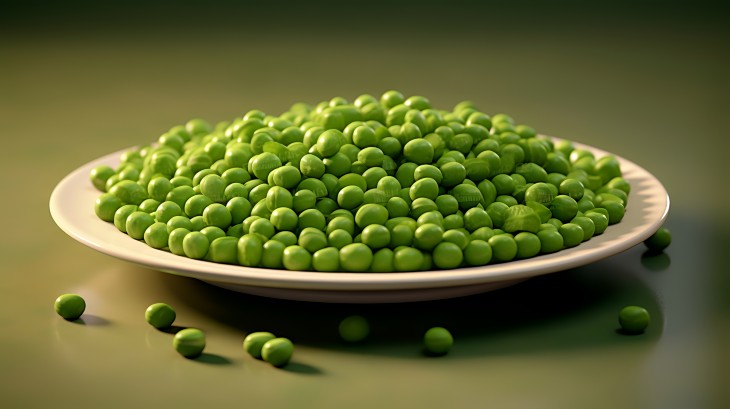
Whether you prefer sweet garden peas, edible-podded snow peas, or crunchy sugar snap peas, autumn is the time to plant them. They are a fast-growing crop that adds nitrogen to the soil.
Why Plant Now: Peas germinate well in soil that is still warm but flourish in cool air. They struggle in the heat, making an October planting ideal for a bountiful spring harvest.
Planting Tips: Sow seeds directly into the soil about 3 cm deep and 5 cm apart. Most varieties are climbers and will need a trellis, fence, or netting to support their growth.
Care and Harvest: Water regularly, especially during flowering and pod development. Harvest pods frequently to encourage the plant to produce more. They are at their sweetest right after being picked.
6. Swiss Chard (Betavulgaris)
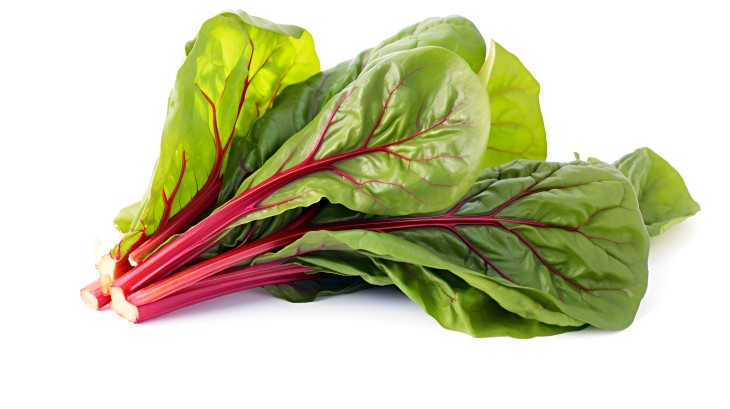
If you want a green that is as beautiful as it is productive, look no further than Swiss Chard. With its vibrant stems in shades of red, yellow, and white, it’s a "cut-and-come-again" crop that will provide you with nutritious leaves all winter long.
Why Plant Now: Chard is incredibly resilient and handles both cool weather and light frosts with ease. An autumn planting provides a much longer harvest season than a spring one.
Planting Tips: Sow seeds 2 cm deep and about 10 cm apart. Thin seedlings to 20-30 cm apart. It grows well in both full sun and partial shade.
Care and Harvest: Harvest by cutting the outer leaves at the base, leaving the inner leaves to continue growing. This method can keep a single plant producing for months.
7. Radishes (Raphanussativus)
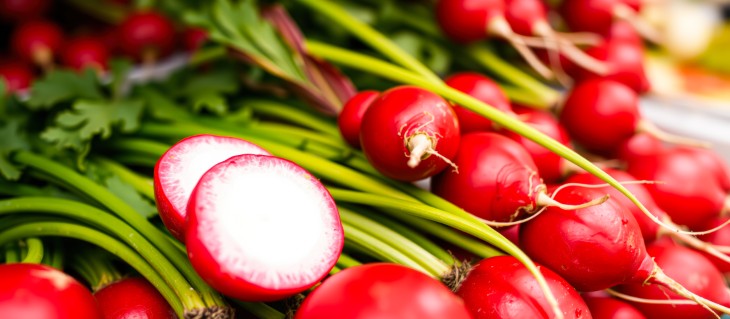
For the impatient gardener, radishes are the ultimate reward. These spicy little roots are one of the fastest-growing vegetables, often ready to harvest in less than a month.
Why Plant Now: Radishes require cool soil to form crisp, mild-flavored roots. Hot weather makes them woody and excessively pungent.
Planting Tips: Sow seeds directly in a sunny spot, about 1-2 cm deep and 3 cm apart. They grow so quickly they can be interplanted between slower-growing crops like carrots or broccoli.
Care and Harvest: Keep the soil consistently moist for the best texture and flavor. Harvest as soon as they reach a usable size to prevent them from becoming tough.
8. Parsley (Petroselinumcrispum)
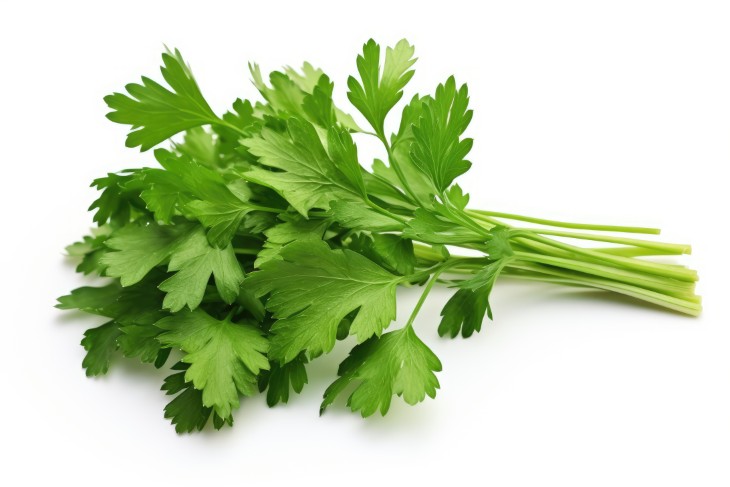
This essential kitchen herb flourishes in the cool, moist conditions of autumn and winter. A few plants will provide you with fresh garnishes and flavorings for all your winter soups and stews.
Why Plant Now: Parsley seeds can be slow to germinate, but once established, the plants are very cold-hardy and will produce prolifically throughout the winter.
Planting Tips: Plant seedlings or sow seeds in a location with morning sun and afternoon shade. Parsley does exceptionally well in containers.
Care and Harvest: Keep the soil moist. Harvest the outer stems first, which encourages new growth from the center of the plant.
9. Calendula (Calendulaofficinalis)
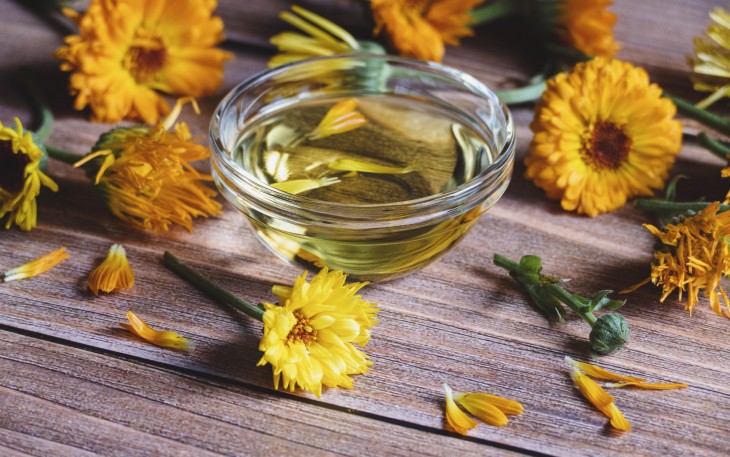
Also known as pot marigold, Calendula is an incredibly cheerful and easy-to-grow flower. Its sunny orange and yellow blooms will brighten up the garden on even the greyest winter days.
Why Plant Now: Calendula thrives in cool weather and will bloom profusely from autumn through spring in mild climates.
Planting Tips: Simply scatter seeds over a prepared, sunny garden bed and rake in lightly. They germinate easily.
Care and Harvest: It requires minimal care. The petals are edible and can be sprinkled on salads for a peppery flavor. The plant is also known for attracting beneficial insects to the garden.
10. Beets (Betavulgaris)
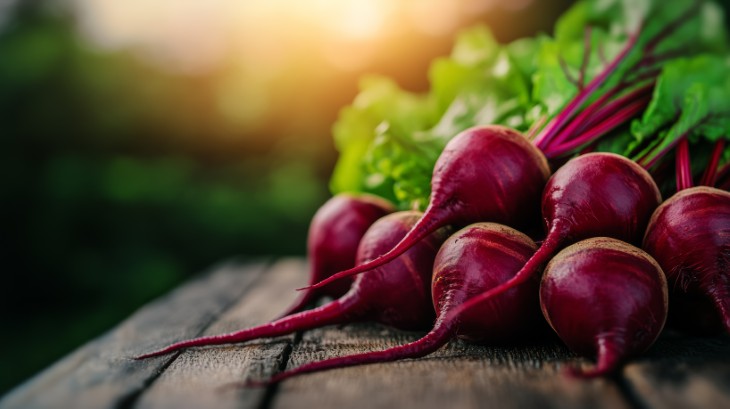
Beets are a fantastic dual-purpose crop. You get the sweet, earthy roots and the nutritious, delicious leafy greens, which can be cooked just like spinach or chard.
Why Plant Now: Like carrots, beets develop the best flavor and a deep, rich color when they mature in cool soil.
Planting Tips: Each bumpy "seed" is actually a cluster of several seeds, so thinning is crucial. Plant seeds about 2 cm deep and 8-10 cm apart in loose, well-draining soil.
Care and Harvest: Provide consistent water. You can begin harvesting the outer leaves when they are large enough, being careful to leave plenty for the root to develop. The roots are typically ready when they are 5-7 cm in diameter.
Embrace the changing season by getting your hands dirty. October offers a golden window of opportunity to plant a garden that will not only survive the winter but thrive in it, rewarding you with fresh flavors and vibrant colors for months to come.