Fall mulching is one of the most beneficial tasks you can complete in your garden before winter arrives, providing essential protection for your plants while improving soil quality. While there are many commercial mulching products available, savvy gardeners know that some of the most effective mulching materials can be obtained completely free of charge.
Free mulch offers a double benefit: it's kind to your wallet and often more environmentally friendly than purchasing bagged products that require manufacturing, packaging, and transportation. These natural materials help reduce waste by repurposing organic matter that might otherwise end up in landfills. Whether you're maintaining expansive flower beds, tending to a vegetable garden, or caring for raised beds, adding a protective layer of organic mulch serves multiple critical purposes. It smothers weeds before they can establish themselves, retains precious soil moisture during dry spells, insulates plant roots against freezing temperatures, and gradually breaks down to enrich your soil with nutrients.
The key to accessing free mulch often lies in knowing where to look and being willing to invest a bit of effort—whether that means collecting materials from your own property, reaching out to neighbors and local services, or gathering natural resources from appropriate public areas.
The following selection of free fall mulching materials can be spread at any time until the ground freezes solid. Fall soil still retains warmth from summer and benefits from seasonal rainfall, making it an ideal time for mulching. For best results, aim to mulch your flower beds and vegetable gardens between September and early November, before the first hard frosts arrive in your region. Acting promptly ensures your plants receive maximum protection before winter weather sets in.
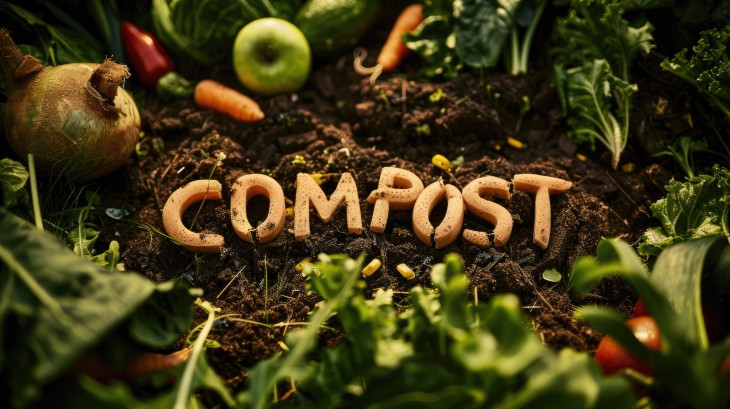
Homemade compost ranks among the finest fall mulching materials available. This rich, dark substance is created from a diverse mix of organic materials including garden waste, kitchen scraps, cardboard, paper, and plant trimmings. As it decomposes, compost significantly boosts soil nutrients and improves soil structure, creating an ideal growing environment for plants.
For gardeners seeking a truly free mulching resource, making your own compost is the perfect solution. Depending on your composting method and the materials you use, finished compost typically takes between three months to a year to produce. You'll know it's ready when the original materials are no longer recognizable, the mixture smells earthy and pleasant, and the texture is dark and crumbly.
If you don't currently maintain a compost system, fall presents an excellent opportunity to start one. Even a simple heap in a corner of your yard or a basic bin can begin producing valuable compost for future seasons. You can construct a freestanding compost bin from pallets or wire mesh, or invest in a manufactured composter or tumbler if you prefer a more contained system.
Once you have finished compost available, spread a layer of several inches over flower beds, vegetable gardens, raised beds, or even around containers. The nutrient-rich material feeds your soil while providing all the protective benefits of mulch.
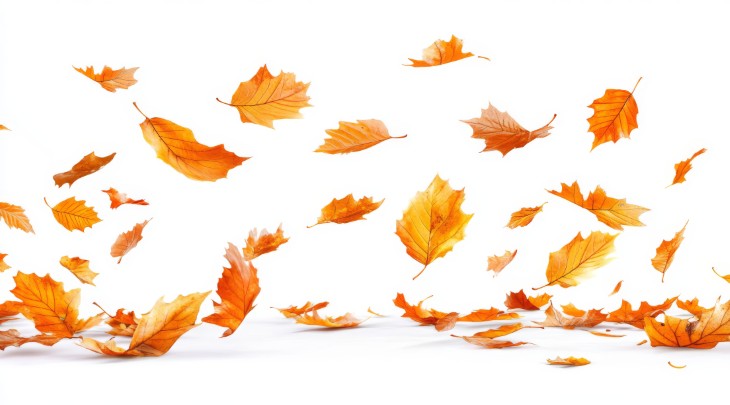
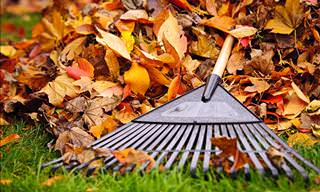
Autumn leaves represent one of the most abundant and accessible free mulching materials, literally falling into your yard at exactly the right time. These natural gifts from deciduous trees can be utilized in two distinct ways, both equally valuable.
Immediate Use: The quickest method is collecting fallen leaves and spreading them directly onto garden beds as mulch. However, before applying whole leaves, it's advisable to chop or shred them using a lawn mower, string trimmer, or garden shears. Shredded leaves allow rainfall to penetrate more easily to the soil below, whereas whole leaves can form a water-resistant mat. Spread the chopped leaves in a layer several inches thick over bare soil around plants.
Leaf Mold: For those willing to wait, fallen leaves can be transformed into leaf mold—a valuable soil conditioner prized by experienced gardeners. Simply collect leaves into a bin, large bag, or designated pile and leave them undisturbed for at least a year. During this time, the leaves break down into a rich, dark, crumbly material with excellent moisture-retention properties. Leaf mold makes an outstanding fall mulch that can be spread generously on vegetable gardens, flower borders, and raised beds.
The beauty of using leaves is that most properties generate more than enough for personal use, and neighbors are often happy to contribute their raked leaves rather than bagging them for disposal.

Most households accumulate cardboard from deliveries, packaging, and various products throughout the year. Instead of sending these boxes to recycling centers or storing them indefinitely, put them to work in your garden as an effective, free mulching material.
Cardboard layers excel at suppressing weeds, retaining soil moisture, and slowly decomposing to add carbon and other nutrients to the soil. This material provides excellent winter protection for garden beds while preventing weed germination during the dormant season.
How to use: Before using cardboard in the garden, remove all tape, labels, staples, and other non-biodegradable materials. Avoid using heavily printed boxes or those with colored inks, as these may introduce unwanted chemicals into your soil. Plain brown cardboard works best.
Lay cardboard sheets directly on the soil, overlapping edges to prevent weeds from finding gaps. Wet the cardboard thoroughly after placement to help it conform to the ground and begin breaking down. If you're not covering the cardboard with soil, compost, or wood chips, weigh it down with stones or stakes to prevent wind displacement. For no-dig garden beds, layer several inches of compost or other organic matter over the cardboard to create planting areas.
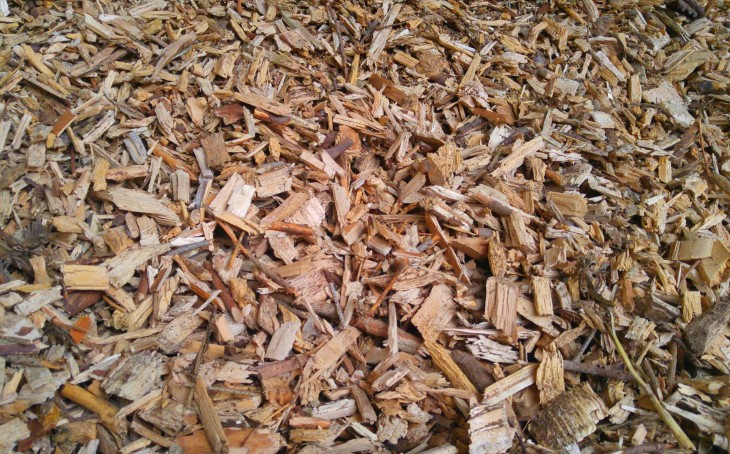
Wood chips and shredded bark from pruned or felled trees make excellent long-lasting mulch for ornamental areas, around trees and shrubs, and for creating attractive garden paths. These materials effectively retain moisture and suppress weeds while slowly breaking down over several years, making them ideal for areas that don't require frequent nutrient replenishment.
Finding Free Wood Chips: While small quantities can be produced at home if you own a wood chipper or shredder, obtaining large volumes of wood chips is surprisingly easy and often completely free. Professional arborists and tree trimming companies frequently face disposal fees for their wood waste, making them happy to deliver truckloads to gardeners at no charge.
To access this free resource, contact local tree service companies and ask if they offer free chip drops. Many cities and regions also have websites or services that connect homeowners with arborists looking to dispose of fresh wood chips. The catch is that you'll need to accept a substantial delivery—often a full truck load—and provide a convenient, accessible location for the drop-off. You'll also need the space to store the chips and the means to move them to your garden beds.
Fresh wood chips can be used immediately around established trees and shrubs, or allowed to age for several months before applying around more delicate plants. Spread them in a layer 2-4 inches deep, being careful to keep the mulch away from plant stems and tree trunks.

Grass clippings from lawn mowing provide a nitrogen-rich mulch that benefits vegetable gardens and ornamental beds alike. Throughout the growing season, fresh clippings can be applied in thin layers of 1-2 inches around plants, where they suppress weeds, retain moisture, and break down relatively quickly to feed the soil.
While fall marks the end of the primary mowing season, lawns continue growing as long as soil temperatures remain above 45°F for cool-season grasses and 50-55°F for warm-season varieties. This means you may still be mowing—and collecting valuable clippings—well into October or November, depending on your climate.
Maximizing Your Supply: To gather enough grass clippings for meaningful mulch coverage, consider collecting from neighbors, friends, and family members. Many people are happy to give away their clippings rather than dealing with disposal themselves. Even if you can't collect enough to mulch large garden areas, smaller quantities work perfectly for raised beds and around individual plants.
Apply grass clippings in thin layers to prevent matting and allow air circulation. Avoid using clippings from lawns recently treated with herbicides, as these chemicals can harm garden plants. Let the clippings dry slightly before applying, as fresh, wet clippings can form a dense, impermeable mat if applied too thickly.
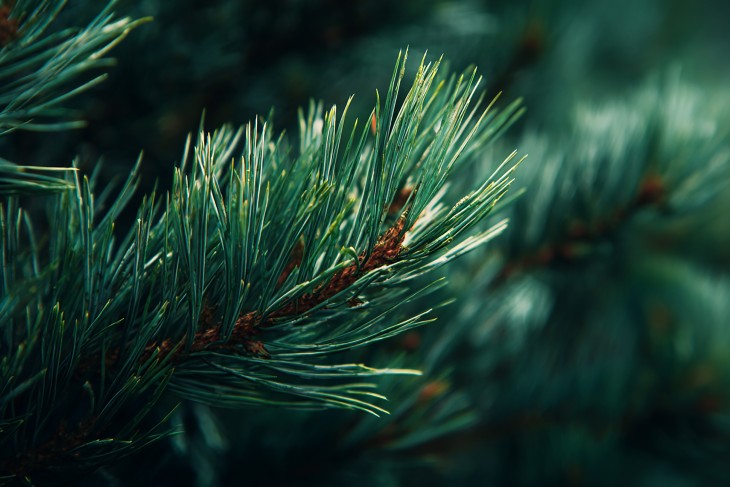
If pine trees grow on your property or in your neighborhood, the needles they shed from late summer through fall provide an excellent free mulching material. These needles are easy to collect using a rake and can be gathered into bags, buckets, or onto a tarp for transport to garden beds.
Acidity Concerns Addressed: Many gardeners worry that pine needles will acidify their soil, potentially harming plants that prefer neutral pH levels. However, this concern has been largely debunked. While fresh pine needles are somewhat acidic, they lose most of their acidity as they age and decompose. The impact on soil pH is negligible, making pine needles safe for use around most garden plants.
Benefits of Pine Needle Mulch: Pine needles offer several advantages over other mulching materials. They decompose slowly, typically lasting two or more years without needing replacement. Unlike some mulches that compact into dense mats, pine needles settle into a light, fluffy layer that allows rainfall to filter through easily while remaining stable enough to resist washing away during storms. This makes them particularly valuable for sloped areas or regions with heavy rainfall.
Spread pine needles in a layer 2-4 inches thick around plants, taking care not to pile them against stems and trunks.
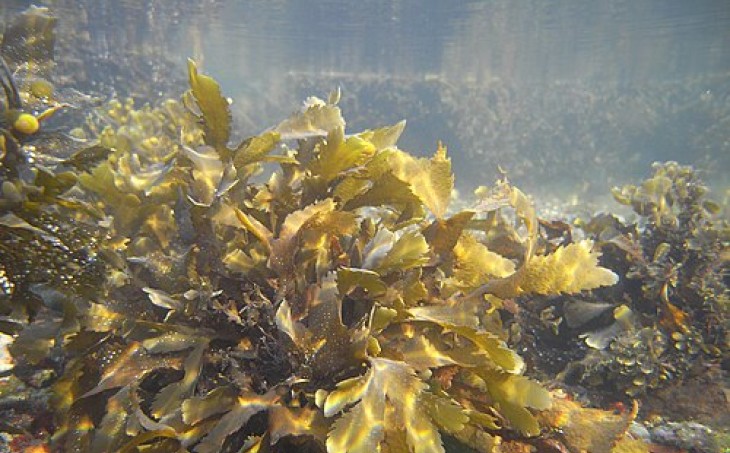
For gardeners living within reasonable distance of the coast, fresh seaweed offers a unique and highly beneficial free mulching material. This ocean harvest can be used alone or mixed with other mulches to create a nutrient-rich protective layer.
Nutritional Benefits: Seaweed contains valuable nutrients including nitrogen, phosphorus, and potassium, along with trace minerals like copper, iron, zinc, and iodine. As the seaweed decomposes, it slowly releases these nutrients to surrounding plants. Additionally, seaweed's natural saltiness and rough texture as it dries help deter slugs and snails—a valuable bonus for vegetable gardens.
Collection Guidelines: You can legally collect seaweed from public beaches without a license in most areas, but avoid taking it from private property, National Parks, or other protected areas. Never collect seaweed near industrial sites or polluted waterways, as contamination could introduce harmful substances to your garden.
Practice sustainable harvesting by collecting seaweed in moderation and cutting it well above the base rather than pulling it up by the roots. This allows the seaweed to regenerate and ensures the resource remains available for future collection.
Application: Rinse seaweed briefly to remove excess salt if desired, though this isn't strictly necessary. Spread a layer at least four inches thick, keeping in mind that seaweed shrinks considerably as it dries. You may need to add a second application to fill gaps that appear after the initial layer dehydrates.
Regardless of which free mulching material you choose, never pile mulch directly against the stems of plants, shrubs, or tree trunks. This practice, sometimes called "volcano mulching" when done around trees, traps moisture against bark and stems, creating ideal conditions for rot, disease, and pest problems. The constant wetness can damage protective bark and provide entry points for pathogens.
Instead, always leave a gap of 2-4 inches around woody stems and tree trunks, creating a mulch-free zone that allows air circulation and keeps the bark dry. Think of it as creating a donut rather than a volcano—mulch should surround the plant but not touch it.