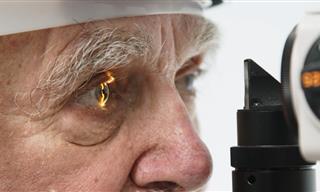

For decades, the message about aging eyes was the same one we all dreaded hearing in the optometrist's chair: get used to reading glasses, hope your cataracts stay quiet, and pray that the words "macular degeneration" never come up. Vision loss was treated as a one way street, and the best most people over 50 could hope for was to slow the slide. That story is changing fast. In just the past year, American patients have gained access to a wave of treatments that would have seemed like science fiction a decade ago. Eye drops that bring back your reading vision in under an hour. A grain of rice sized chip implanted under the retina that lets blind people read letters again. Gene therapy that may replace monthly eye injections with a single dose. Here are some of the most promising new treatments that are now available, some that what is coming soon, and what it means for the way we all see.
1. The First Eye Drops That Replace Reading Glasses

If you are over 45, there is a good chance you have started holding the menu at arm's length. That condition is called presbyopia, and it affects roughly 128 million American adults. For most of human history, the only fix was glasses. That changed in 2021 when the first prescription eye drop for presbyopia arrived, but adoption was slow because of side effects and short lasting results. The newest generation of drops is a different story entirely.
In the summer of 2025, the FDA approved VIZZ, a once daily drop that improves near vision within 30 minutes and keeps working for up to 10 hours. In clinical trials, many participants gained three or more lines on a near vision chart after a single drop. Unlike earlier drops, VIZZ works mainly by narrowing the pupil without forcing the focusing muscle to contract, which means less risk of blurry distance vision, eye ache, and the dim "tunnel" effect that bothered some early users. A second drop called YUVEZZI, a fixed dose combination designed to last all day with one application, received FDA approval in 2026 and is expected on American shelves later this year. For people who never liked the look of reading glasses or the hassle of bifocals, these drops are finally turning a frustrating daily compromise into a five second routine.
2. Gene Therapy: A Single Shot Instead of Monthly Injections

Roughly 20 million Americans over age 40 are living with some form of age related macular degeneration, or AMD, the leading cause of vision loss in people 60 and older. For those with the "wet" form, current treatment means going to the doctor every four to eight weeks for an injection directly into the eyeball. It works, but the burden on patients and caregivers is enormous, and any missed appointments can cost you sight you cannot get back.
That model is now being challenged. Several gene therapies designed to deliver a one time, long lasting treatment have moved deep into late stage clinical trials. The leading candidate, known as ABBV-RGX-314, uses a harmless virus to insert a gene into the retina that programs the eye itself to produce the same anti-VEGF medication that is currently injected month after month. Early results have been striking: most participants needed no additional injections for years after the single procedure. Two large Phase 3 trials are wrapping up in 2026, with FDA decisions expected to follow. If approved, gene therapy could turn wet AMD from a lifelong injection schedule into a one and done procedure, the kind of shift that does not come along often in medicine.
In the meantime, a newer drug called Vabysmo is already FDA approved and stretches the time between injections to three or four months for many patients. Researchers are also testing tyrosine kinase inhibitor implants that could push that interval out to six months. The direction is clear: fewer needles, more freedom.
3. The Retinal Chip That Brings Back Reading

One of the most remarkable breakthroughs of the past year involves a device called the PRIMA implant. About two millimeters across and thinner than a human hair, it is surgically tucked under the retina and paired with a set of specialized glasses that beam infrared light through the eye. In a recent study of 38 patients with geographic atrophy, the late stage form of dry AMD that destroys central vision, more than 80 percent of participants experienced a clinically meaningful improvement in their sight. People who had lost the ability to read at all reported being able to make out letters, numbers, and even short words again.
This is not yet a cure, and it is not yet widely available in the United States. But for the first time, doctors are talking about something that was off the table for AMD patients until very recently: actually restoring lost vision, not just slowing further damage.
4. New Treatments for "Dry" AMD, Long Considered Untreatable
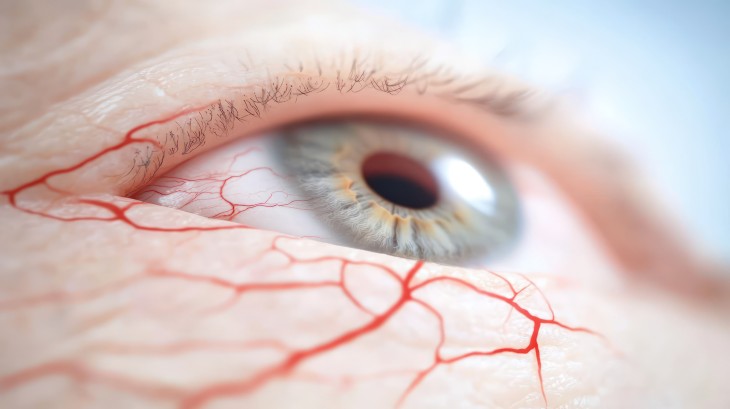
Until 2023, dry age-related macular degeneration (AMD) with geographic atrophy had no FDA approved treatment at all. Patients were told to take vitamins, eat their leafy greens, and watch their vision quietly fade. That dark chapter is finally closing as two complement system inhibitors, Syfovre (pegcetacoplan) and Izervay (avacincaptad pegol), are now approved to slow the growth of the destructive lesions that cause central vision loss. In clinical trials, Izervay reduced lesion growth by 35 percent, a meaningful number for anyone facing this disease.
But they aren't the only ones in the field. Other candidates are advancing quickly. A drug called elamipretide, which patients inject themselves once a day under the skin rather than into the eye, works by stabilizing the tiny power plants inside retinal cells. In early trials, nearly 15 percent of treated patients actually improved their vision, and a Phase 3 trial is reading out in 2026. Another gene therapy called OCU-410 recently showed a 46 percent reduction in atrophic lesion growth, the largest effect reported in this disease to date. After years of being told nothing could be done, dry AMD patients are now choosing between multiple options.
5. Glaucoma Care Enters a New Era
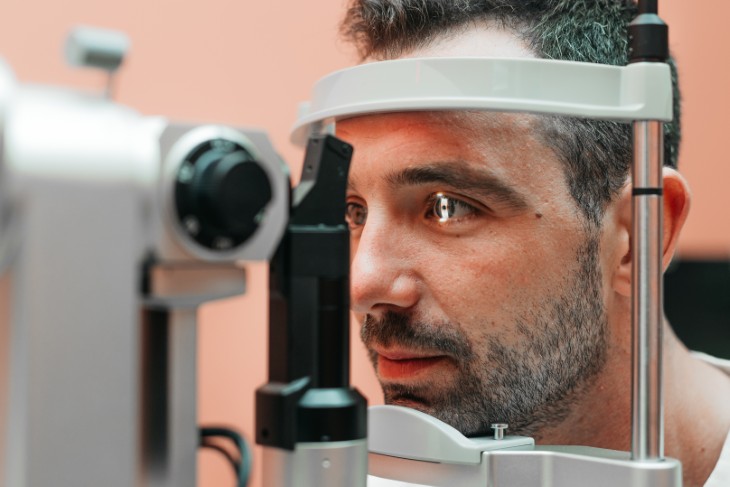
Glaucoma, often called "the silent thief of sight," damages the optic nerve and currently affects more than four million Americans. The traditional treatment of daily pressure lowering eye drops works well but only if patients remember to use them consistently, which is famously difficult. A wave of new options is changing that.
Minimally invasive glaucoma surgery, known as MIGS, allows surgeons to insert microscopic stents and drainage devices through tiny incisions, often during the same procedure as cataract surgery. Tiny intracameral implants like iDose and Durysta now release medication inside the eye for months or even years at a time, eliminating the daily drop routine for many patients. For people whose glaucoma keeps progressing despite well controlled eye pressure, a brand new approach called Eyetronic uses gentle electrical stimulation of the optic nerve and is now in clinical trials in the United States. Early reports suggest it may not only halt vision loss but in some cases partially reverse it, something that until recently was considered impossible in glaucoma care.
Artificial intelligence is also entering the picture. New AI tools can detect early glaucoma progression from retinal scans with accuracy that rivals expert specialists, which means catching the disease and adjusting treatment well before patients notice any change in their vision.
6. Cataract Surgery Becomes Smarter and More Personal
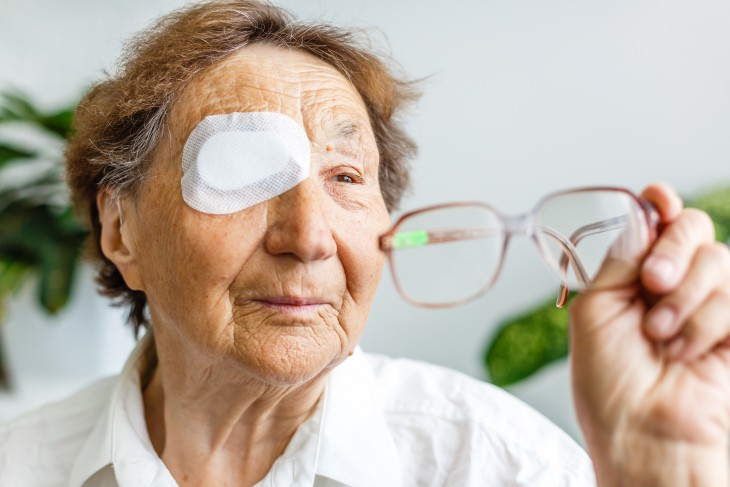
Cataract surgery is already one of the safest and most successful operations in all of medicine, but it keeps getting better. The big story of the past two years has been the rise of the Light Adjustable Lens, an artificial lens that can be fine tuned with a beam of ultraviolet light after surgery. For the first time, if you do not love your vision a few weeks after your operation, your surgeon can literally reshape the lens already inside your eye to sharpen it further. It is the closest thing yet to a custom tailored result.
Premium multifocal and extended depth of focus lenses now allow many patients to read a phone, work on a computer, and drive at night without ever reaching for glasses. Femtosecond lasers and AI assisted measurement systems give surgeons unprecedented precision in placing these lenses exactly where they need to go. For Americans who have been waiting on cataract surgery, the technology available right now is dramatically better than what existed even five years ago.
What This Means for You
The most important takeaway from all of this progress is also the simplest: do not skip your eye exams. Many of these treatments work best, or only work at all, when started early. The new dry AMD drugs slow damage but cannot rebuild what is already gone. Gene therapy candidates are designed for patients who still have functional vision to protect. Glaucoma neuroprotection only helps if the disease is caught before the nerve is severely damaged.
If you are over 50, a comprehensive dilated eye exam every one to two years is no longer just good hygiene. It is the doorway to a set of treatments that, only a few years ago, did not exist. The eyes you have today are not the eyes you are stuck with, and for the first time in a long time, that is genuinely true.