
The modern workforce is changing quickly. Advances in technology, automation, artificial intelligence, manufacturing, healthcare, construction, and energy are creating new career opportunities while also changing the skills employers need. For young people preparing to enter the job market, choosing an educational path is about more than earning a degree. It is also about developing practical abilities that can translate into meaningful employment.
This is where technical education plays an important role. By combining classroom learning with hands-on training, technical programs can help prepare graduates for careers that require specialized knowledge and practical expertise. For those attending college or considering their next educational step, understanding the connection between technical education and workforce development can make career planning much easier.
Technical education focuses on teaching practical skills and specialized knowledge for specific occupations or industries. Programs can be offered through community colleges, technical schools, vocational institutions, and some four-year colleges and universities.
Fields commonly associated with technical education include information technology, cybersecurity, engineering technology, automotive technology, healthcare, advanced manufacturing, electrical systems, construction, welding, and renewable energy.
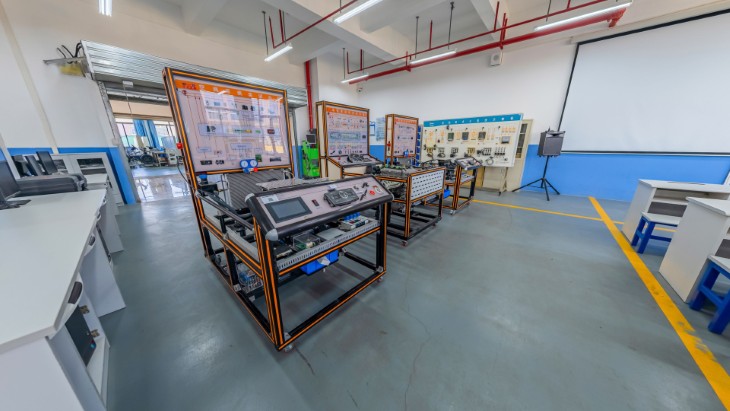
Unlike programs that focus primarily on theoretical concepts, technical education often emphasizes applying knowledge in realistic situations. Learners may work with industry-standard equipment, complete laboratory projects, participate in simulations, or gain experience through internships and apprenticeships.
This combination of theory and practice can provide a strong foundation for entering technical professions.
Technical education plays an important role in workforce development because it helps learners build practical knowledge and specialised skills that employers need. However, preparing for a technical career can be demanding. College students may have to balance lectures, laboratory work, exams, research projects, internships, and career planning at the same time. During particularly difficult periods, additional academic support can help them manage their workload and stay focused on developing professional skills. Students working on a large research project may search for options to buy dissertation online when they are struggling with deadlines or the complexity of their assignment. A professional academic service can provide useful assistance with research, structure, editing, proofreading, and other aspects of a major project. Having this kind of support can give students more time to concentrate on practical training and other important parts of their education. This is particularly relevant in technical fields, where learners need to develop both theoretical knowledge and hands-on abilities.
One of the biggest advantages of technical education is its emphasis on practical experience.
Knowing how something works is valuable, but knowing how to apply that knowledge can be equally important. For example, someone preparing for a career in electrical technology may need to understand electrical theory while also learning how to safely install, test, and troubleshoot systems.
Similarly, someone studying computer networking may learn about network architecture, cybersecurity principles, and troubleshooting techniques while working with actual systems.
This hands-on approach allows learners to develop technical confidence before entering the workplace. It can also help them understand what a particular profession is really like, making it easier to decide whether a career path suits their interests.
Technology is influencing nearly every part of the U.S. economy. As companies adopt automation, artificial intelligence, advanced manufacturing systems, cloud computing, and other technologies, demand for specialized skills continues to evolve.
Technical education can help prepare the workforce for these changes.
For example, advanced manufacturing increasingly requires employees who understand robotics, computer-controlled machinery, electronics, and data systems. Healthcare relies on technicians who can operate sophisticated diagnostic equipment and support medical professionals. The technology sector needs people with expertise in networking, cybersecurity, programming, and IT infrastructure.
By focusing on specific competencies, technical programs can give graduates a pathway into industries where specialized knowledge is essential.
Community colleges are an important part of the U.S. technical education system. Many offer certificates, associate degrees, workforce training programs, and partnerships with local employers.
One advantage is flexibility. A person may be able to complete a certificate in a relatively short period and enter the workforce, while others can pursue an associate degree and later transfer to a four-year institution.
Community colleges also frequently respond to the needs of their surrounding economies. A college located near manufacturing companies, hospitals, technology businesses, or energy facilities may develop programs designed around local employment opportunities.
For those exploring career options, researching community college programs can therefore provide useful information about both education and regional workforce demand.
Technical education does not necessarily mean choosing a career with limited advancement. Many technical professions offer opportunities to develop expertise, earn additional certifications, move into supervisory positions, or continue into advanced education.
A person might begin as an entry-level technician and eventually become a team leader, specialist, project manager, or consultant. Additional training can also make it possible to transition into related fields.
This flexibility is particularly useful in industries where technology changes frequently. Continuing education and professional certifications can help workers keep their knowledge current throughout their careers.
Although technical education emphasizes specialized abilities, technical expertise is only one part of professional success.
Employers also value communication, teamwork, adaptability, critical thinking, organization, and problem-solving. A technician may have excellent technical knowledge, but they may also need to explain a complicated issue to a customer or collaborate with engineers and managers.
College students can therefore benefit from developing technical abilities alongside broader professional skills. Group projects, presentations, internships, campus organizations, and part-time employment can all provide opportunities to strengthen these competencies.
The combination of technical knowledge and interpersonal skills can make graduates more adaptable in a changing workplace.
Anyone considering a technical career should begin by researching industries and occupations that match their interests. Look at job descriptions to identify commonly requested qualifications, certifications, and technical skills.
Next, compare programs at community colleges, technical schools, and universities. Consider program length, tuition, laboratory facilities, internship opportunities, career services, and connections with local employers.
It can also be useful to speak with professionals already working in the field. Their experiences can provide insight into daily responsibilities, career progression, and the skills that matter most.
Internships, apprenticeships, and work-based learning opportunities deserve particular attention because they allow learners to gain experience while building professional connections.
As the U.S. economy becomes increasingly dependent on technology and specialized expertise, education and workforce development will remain closely connected. Employers need people who can operate complex systems, solve practical problems, adapt to new technologies, and continue learning.
Technical education provides one pathway for developing these capabilities. Its combination of specialized knowledge, practical training, and career-focused learning can help connect education with real workplace requirements.
For college students planning their futures, exploring technical education does not necessarily mean choosing between practical training and academic learning. Many career paths benefit from both. Understanding how different forms of education contribute to workforce development can help individuals make informed decisions about their education, skills, and long-term professional goals.
Ultimately, a strong workforce depends on people who can turn knowledge into action. Technical education helps build that connection by preparing individuals not only to understand modern technology and systems, but also to use them effectively in the workplace.w