
Genoa was the center of a powerful maritime empire in medieval times, and it is still a colorful, vibrant city today. Once a great seafaring republic that rivaled Venice, it grew rich on trade across the Mediterranean, and that wealth is written all over its architecture. Skip the tempting harbor cruise here and save your boating adventures for the beautiful nearby towns of the Cinque Terre. Instead, spend your time getting happily lost on foot.
The heart of the city is a maze of narrow medieval alleyways called caruggi, deliberately built like a web to confuse invaders. Today they open onto grand squares and hidden churches, including the striped black-and-white Cathedral of San Lorenzo. Along Via Garibaldi you will find the Palazzi dei Rolli, a collection of opulent merchant palaces so remarkable they are recognized as a UNESCO World Heritage Site. For a break from the streets, ride the Bigo panoramic lift for a sweeping view over the rooftops and the old port.
Down at the revitalized Porto Antico sits the Aquarium of Genoa, the largest in Italy and one of the biggest in Europe. It is home to around 12,000 animals across some 600 species, from sharks and dolphins to gentle manatees, and it is the only place in Italy where you can see these rare creatures. It makes a wonderful indoor option on a rainy afternoon.
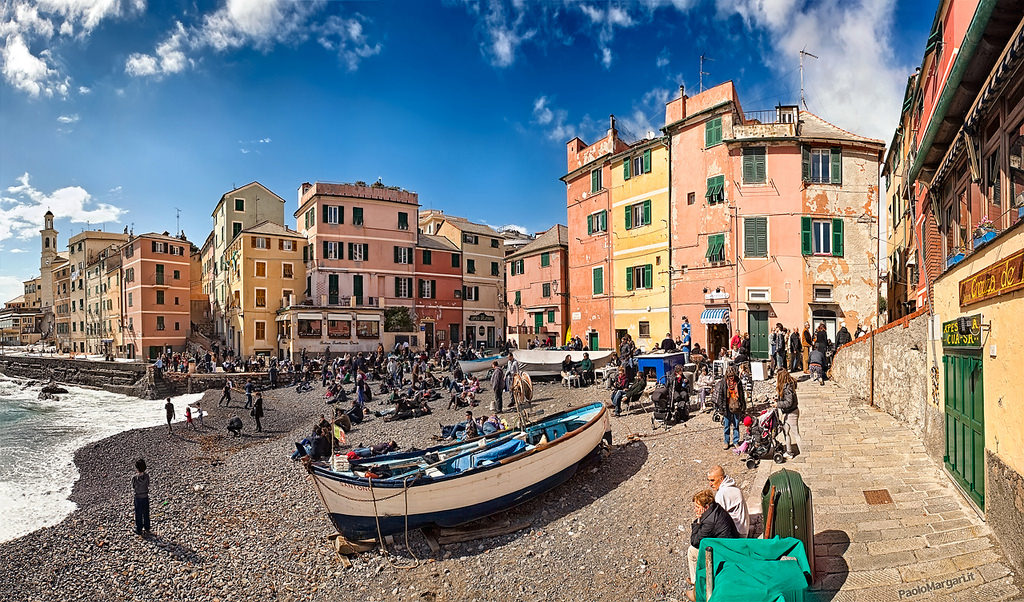
Genoa is also a food lover's dream. This is the birthplace of pesto, the fragrant basil, garlic, pine nut and Parmesan sauce that has traveled the world. Try it over trofie pasta, then sample the local focaccia and farinata, a savory chickpea pancake sold warm from bakeries. When you are ready to explore beyond the city, Genoa is the perfect base. The colorful fishing villages of the Cinque Terre, the glamorous harbor of Portofino and the charming seaside pocket of Boccadasse are all within easy reach. Just be aware that the historic center is atmospheric but a little gritty, so it is best to stay alert around quiet alleyways after dark.
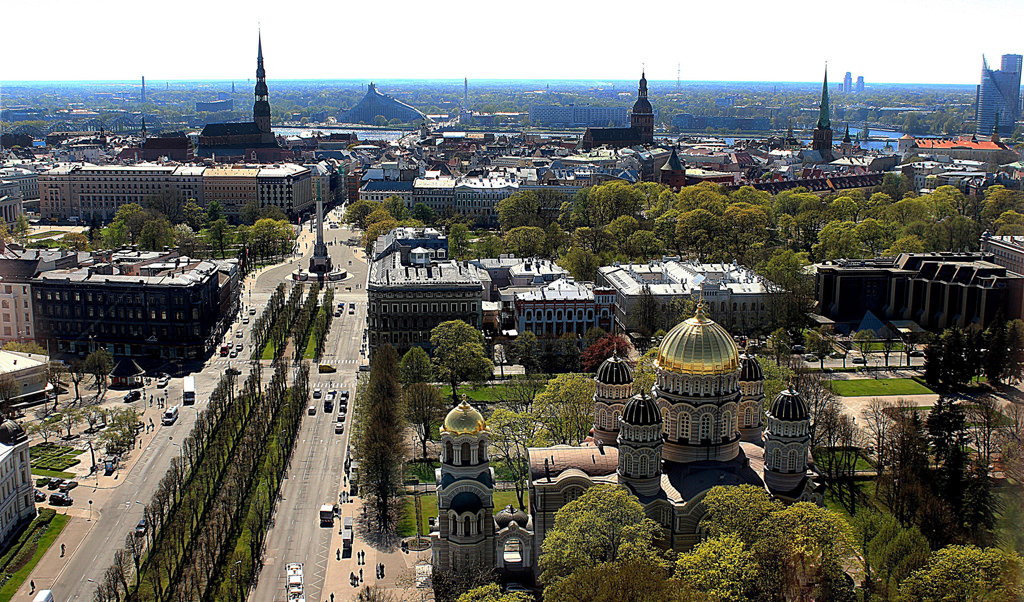
They say the party started in Riga just after the fall of communism and has not stopped since. The Latvian capital, and the largest city in all three Baltic states, is home to a whole array of inexpensive bars and restaurants that fill up with cheerful crowds come the weekend. If you fancy a candlelit dinner with your loved one, the well-known Zila Govs restaurant is a popular choice.
If you are something of a culture lover, Riga will delight you. The compact Old Town, known as Vecriga, is a UNESCO World Heritage Site of cobbled lanes and church spires. Its highlights include the ornate House of the Blackheads, the towering Riga Cathedral and the solemn Freedom Monument, a beloved national symbol. You can climb the spire of St. Peter's Church for one of the best views over the terracotta rooftops.
Riga's real showstopper, though, is its architecture. The city holds one of the finest concentrations of Art Nouveau, or Jugendstil, buildings anywhere in the world. Wander along Alberta Street to admire the flamboyant facades, many decorated with faces, flowers and mythical creatures, and pop into the Art Nouveau Museum to see how a wealthy family lived in the style's heyday. Fans of quirky history can also seek out the throwback Armenian church tucked into the city.
For a taste of local life, head to the Central Market, one of the largest in Europe, cleverly housed in a group of enormous old Zeppelin hangars. Here you can browse stalls piled with smoked fish, dark rye bread, honey, berries and the herbal liqueur Riga Black Balsam, which locals swear cures almost anything. Latvia uses the euro, and prices are generally gentle compared with Western Europe, so your money goes a long way. The Old Town is flat and very walkable, and when you want a change of scenery, the seaside resort town of Jurmala, with its wooden villas and long sandy beach, is just a short train ride away. Riga rewards travelers who like a mix of history, elegant design and good value.
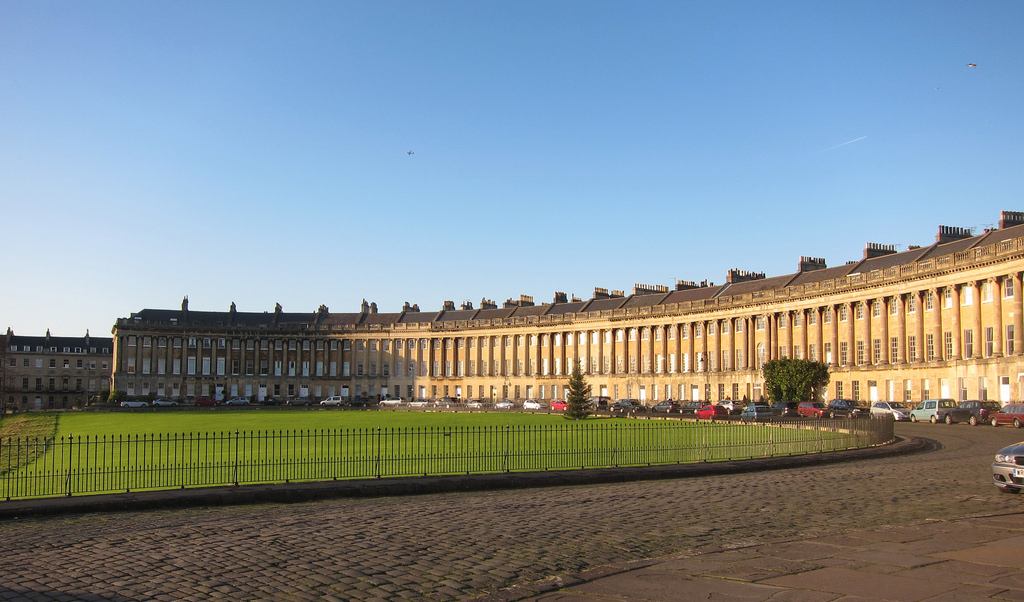
Situated just 90 minutes by train from London, the city of Bath has drawn visitors for well over 2,000 years. It is a spa town, home to magnificent ancient baths fed by naturally hot, mineral-rich spring water. The Romans, who founded the settlement they called Aquae Sulis around 70 AD, built an elaborate bathhouse over these springs, and the Roman Baths remain one of the best-preserved ancient sites in Northern Europe.
A visit takes you around the steaming Great Bath, past the Sacred Spring that still bubbles up at around 115°F (46°C), and through displays of remarkable finds, including the gilded bronze head of the goddess Sulis Minerva and ancient curse tablets scratched by disgruntled Romans. An audio guide is included, with a version narrated by travel writer Bill Bryson, and around 90 percent of the site is accessible to wheelchair users.
You cannot swim in the historic Roman Baths, as the water is untreated, but you can bathe in the very same thermal waters at the modern Thermae Bath Spa a few minutes' walk away. Its showpiece is the open-air rooftop pool, where you can soak in warm water kept at around 96°F (35.5°C) while gazing over the honey-colored city skyline. It is especially magical at dusk.
Bath is a UNESCO World Heritage city, and its Georgian architecture is just as much a draw as its waters. Stroll the sweeping curve of the Royal Crescent, admire the perfectly circular Circus with its rows of classical columns, and cross Pulteney Bridge, one of only a handful in the world lined on both sides with shops. Do not miss Bath Abbey, whose soaring fan-vaulted ceiling is a wonder to look up at.
Lovers of literature will enjoy the city's strong Jane Austen connections. You can take tea in the elegant Pump Room, just as her characters did, or visit the Jane Austen Centre nearby. For a bite to eat, seek out the historic Sally Lunn's, famous for its enormous, fluffy buns. Bath is compact and walkable, though it does have a few hills, and it also makes a fine base for day trips to Stonehenge and the pretty villages of the Cotswolds.
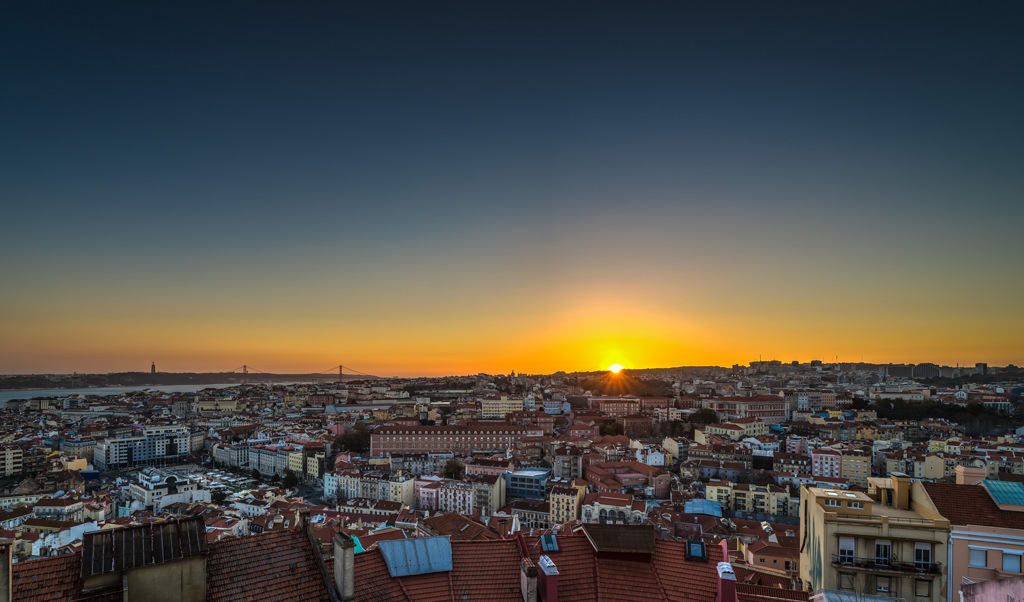
Although it is not exactly a bargain, the Portuguese capital still compares very well to other European capitals, and it offers wonderful value for such a beautiful, sun-soaked city. Lisbon is built across seven hills beside the wide River Tagus, and it rewards visitors who are happy to wander up and down its steep, tiled streets. For somewhere to stay, the design-led hotels in the central Baixa district put you within easy walking distance of the action, and the city's celebrated food markets are never far away. Just follow the scent of grilled sardines and smoked ham.
Once you have grabbed a tasty morsel, look around for somewhere to sit with a glass of local wine or a jug of sangria. Then make your way to the Time Out Market, where dozens of Lisbon's best cooks and bakers gather under one roof. Be sure to try a pastel de nata, the warm custard tart dusted with cinnamon, ideally at the famous Pasteis de Belem in the Belem district, where the recipe has been kept secret for generations.
Lisbon's oldest quarter is the Alfama, a tangle of lanes that survived the great 1755 earthquake. Here you can ride the rattling vintage Tram 28 uphill, listen to the mournful, beautiful music of fado drifting from small bars, and climb to São Jorge Castle for panoramic views over the red rooftops. Down by the water in Belem stand two of the country's greatest treasures, the ornate Jerónimos Monastery and the riverside Belem Tower, both UNESCO World Heritage Sites.
The city is dotted with miradouros, or scenic viewpoints, that are perfect for a rest and a photo. While you are in the area, set aside a day for the enchanting town of Sintra, an easy trip from Lisbon, where the fairytale Pena Palace perches on a misty, forested hilltop in a riot of red and yellow. A word of practical advice for the streets themselves: Lisbon's traditional cobblestone pavements, known as calçada, can be slippery, and the hills are steep, so comfortable, sturdy shoes will make your visit far more enjoyable.
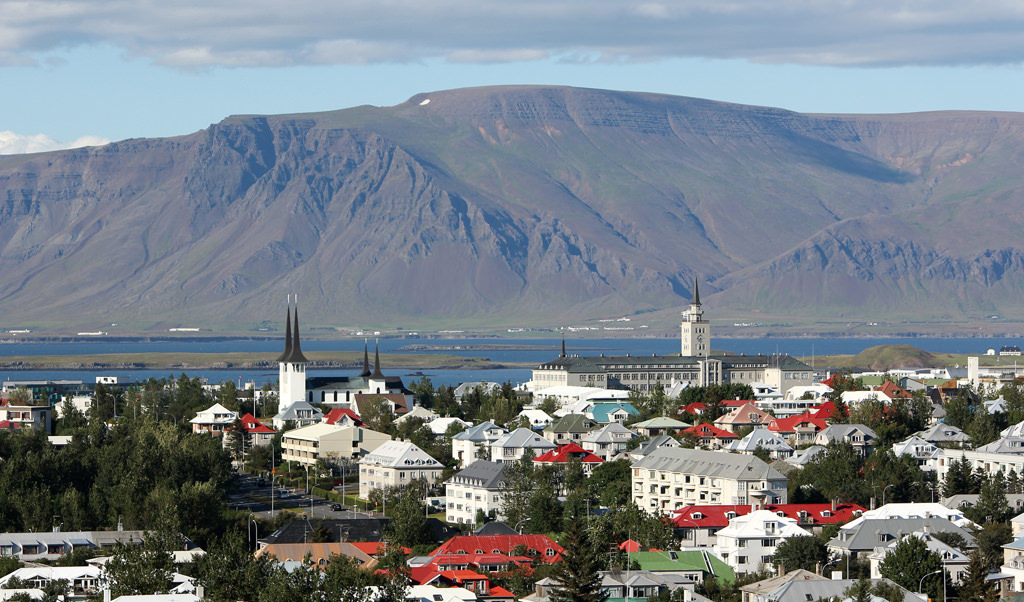
When you need a break from the stunning natural splendor of Iceland, Reykjavik is a cosmopolitan haven ready to satisfy your every whim. As the world's northernmost capital, it is surprisingly small and friendly, with brightly painted houses, welcoming cafes and a thriving arts scene. If you fancy world-class dining, restaurants such as Dill helped put the city's New Nordic cuisine on the map, but do book well in advance, as tables here are not easy to come by.
The city's landmark is Hallgrímskirkja, a soaring concrete church inspired by Iceland's basalt columns. Take the lift up its tower for a colorful view across the rooftops to the sea and mountains beyond. Down by the water you will find the shimmering glass Harpa concert hall and the striking Sun Voyager, a steel sculpture that looks like a Viking ship. Art museums showcasing Scandinavian works are dotted throughout the compact center, all easily reached on foot.
Reykjavik is also the gateway to Iceland's most famous sights. The Golden Circle route takes in the dramatic Þingvellir rift valley, the erupting hot springs at Geysir and the thundering Gullfoss waterfall, all within a day's drive. Nature is woven into city life too, thanks to geothermal energy. Locals gather to relax and chat in warm public bathing pools, a lovely and inexpensive way to soak like a resident. The world-famous Blue Lagoon spa lies out toward the airport and makes a memorable stop.
The seasons here create two very different experiences. In summer the sun barely sets, which can be a little disorienting when you leave a bar at 4am and it is still bright outside. In winter, the long dark nights give you the chance to hunt for the Northern Lights. From the old harbor you can also join a whale-watching trip out into the bay. A few practical notes: Iceland is genuinely expensive, so budget accordingly, but the tap water is among the purest in the world, so there is no need to buy bottled. Pack warm, waterproof layers whatever the season, as the weather changes quickly and often.
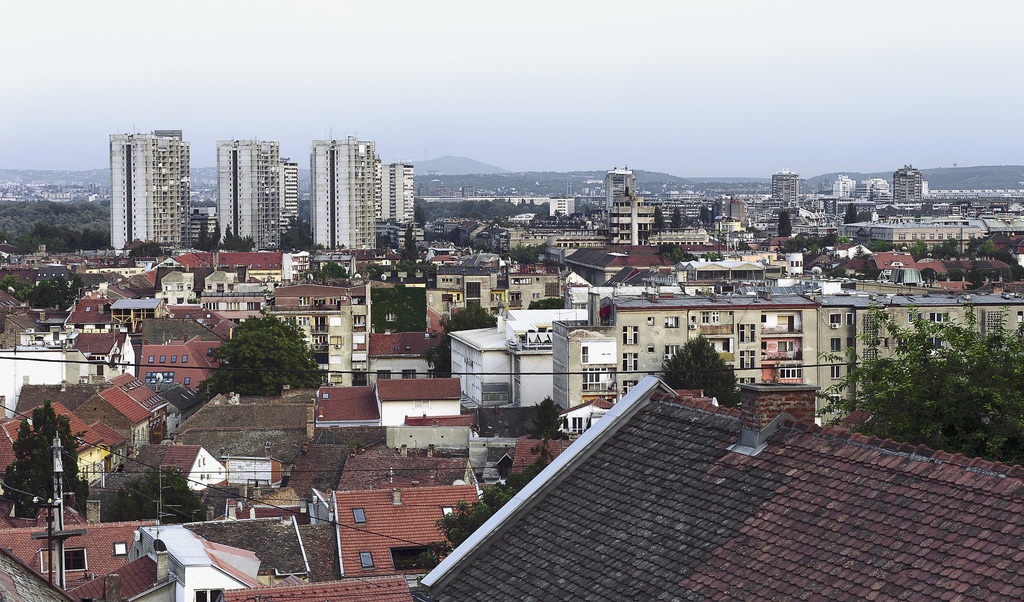
Decades after the Yugoslav wars ended, the Serbian capital is abuzz with youthful energy and optimism. Traces of a difficult past can still be seen, but neighborhoods such as Savamala have become havens for artists and creative types, where once-dilapidated buildings now house galleries, boutiques, workshops and buzzing bars. Belgrade is a city that has reinvented itself, and it does so with real warmth and character.
Belgrade sits at the meeting point of two great rivers, the Sava and the Danube, and this dramatic setting is best appreciated from Kalemegdan, the sprawling old fortress that crowns the city. Its parkland, ramparts and viewpoints make it a favorite spot for an afternoon stroll, and the sunsets over the water are wonderful. Nearby, the bohemian cobbled quarter of Skadarlija is lined with traditional taverns where musicians still play into the night.
For something grander, visit the Temple of Saint Sava, one of the largest Orthodox churches in the world, with a glittering golden mosaic interior. History and science fans will enjoy the Nikola Tesla Museum, dedicated to the pioneering inventor, where you can see some of his devices demonstrated live. When evening comes, Belgrade truly lights up. The city is famous for its nightlife, including the splavovi, floating bars and clubs moored along the riverbanks.
Be sure to try the local food, which is hearty and generous. Head to a trendy riverside restaurant to sample contemporary takes on Serbian classics. Look out for kajmak, a rich, creamy dairy spread, and pljeskavica, a large, flavorful grilled meat patty that is a national favorite. Grilled ćevapi sausages and a glass of the fiery fruit brandy rakija will complete the experience. Best of all, Belgrade remains very affordable by European standards, so you can eat, drink and explore well without spending a fortune. The center is walkable and the people are famously hospitable, quick to point you toward their favorite spot. It is a destination that surprises almost everyone who visits.
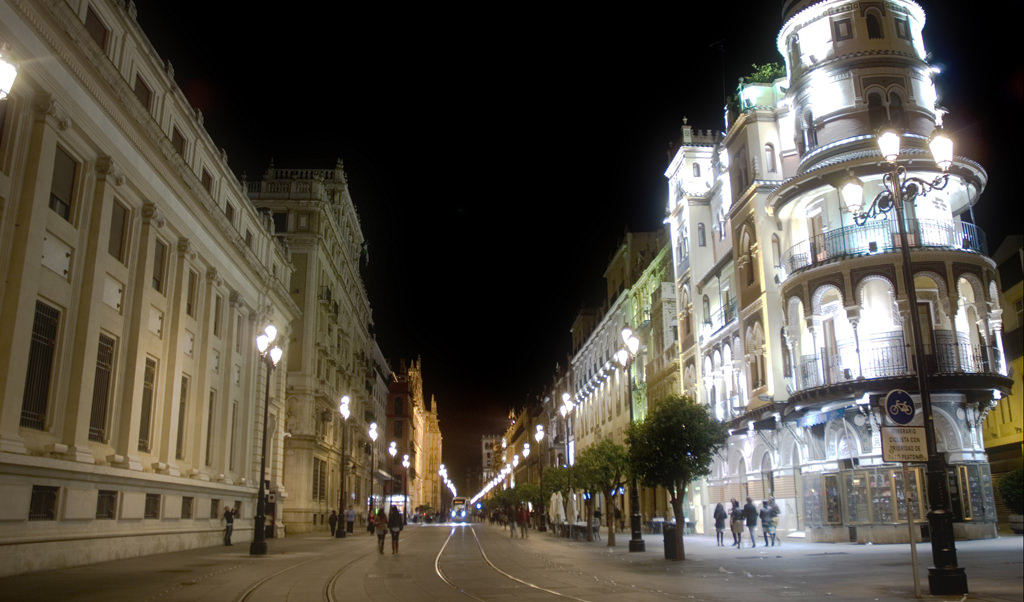
The capital of the sunny Andalusia region, Seville first came into being thanks to the Romans, but it also carries deep Moorish influences from centuries of Arab rule, finished with the gilded wealth that flowed in from the New World. The old sits in perfect harmony with the new here. As you stroll, you will stumble across ancient ramparts, centuries-old wine bodegas and walls made from repurposed millstones, all a short walk from high-speed trains and modern cafes.
Seville's crowning glory is its cathedral, the largest Gothic cathedral in the world, which holds what is said to be the tomb of Christopher Columbus. Beside it rises the Giralda, a graceful bell tower that was once the minaret of a mosque. You can climb it by a series of gentle ramps rather than stairs, which is a welcome relief. A short walk away is the Real Alcázar, a breathtaking royal palace of intricate tilework, carved arches and tranquil gardens. Fans of Game of Thrones may recognize it as the kingdom of Dorne.
Do not miss the magnificent Plaza de España, a grand semicircle of bridges, fountains and colorful ceramic alcoves built for a 1929 exhibition. For a modern contrast, visit the Metropol Parasol, a giant wooden structure locals nicknamed Las Setas, or The Mushrooms, with a walkway across its top. Across the river, the Triana district is considered a birthplace of flamenco, and catching a passionate live performance in an intimate venue is an unforgettable evening.
Seville is a city best enjoyed slowly, ideally over plates of tapas shared in lively bars, with orange trees perfuming the streets. Do not be taken aback by the immediate friendliness of the locals. They can be wonderfully warm, animated and talkative, and you will soon find their manner a refreshing dose of old-world charm. One important tip on timing: summers here are extremely hot, often climbing above 104°F (40°C), so spring and autumn are far more comfortable for sightseeing. If you visit in spring, you might catch the solemn processions of Semana Santa or the joyful, flower-filled Feria de Abril festival.
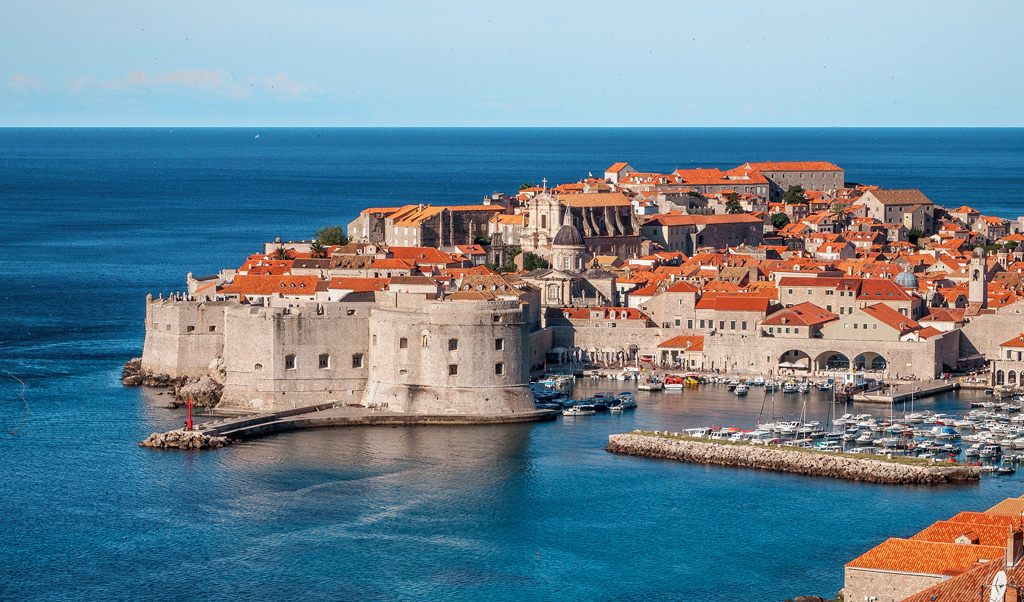
This city is a living, breathing UNESCO World Heritage Site whose Old Town was founded as far back as the 7th century, though the mighty stone walls that ring it were built and strengthened between the 12th and 17th centuries. It looks like something from a fantasy world, and fittingly, the worldwide smash hit Game of Thrones was filmed here in part. Nicknamed the Pearl of the Adriatic, Dubrovnik was once a proud, independent maritime republic that thrived on trade for centuries.
The single best thing to do is to walk the complete circuit of the city walls, which stretch for nearly 1.2 miles and rise up to 82 feet (25 meters) high. So formidable were they that no enemy army ever broke through during the Middle Ages. The walk takes a couple of hours and rewards you at every turn with views over the terracotta rooftops and the turquoise sea. Down below, the gleaming marble main street, the Stradun, runs from the Pile Gate through the heart of the Old Town, past churches, palaces and the elegant Sponza Palace.
Fans of the television series can retrace famous scenes across the city. Fort Lovrijenac, perched dramatically on a rock, stood in for the Red Keep, while the Jesuit Stairs featured in one of the show's most memorable moments. For the best panorama of all, ride the cable car up Mount Srd, where the entire walled city spreads out beneath you like a map. A short ferry hop takes you to the peaceful, wooded island of Lokrum, a lovely escape from the crowds.
Venetian-influenced cobbled streets, layers of history and that jewel-colored sea as a backdrop make Dubrovnik both beautiful and deeply romantic. If you visit at the height of summer, there are plenty of pebbly beaches and swimming spots nearby. A couple of practical points are worth knowing. The Old Town has many steps and steep lanes, so comfortable shoes are essential and the walls walk requires a reasonable level of fitness. The city also gets very hot and very busy in July and August, so the quieter shoulder months of May, June and September are often the most rewarding times to go.
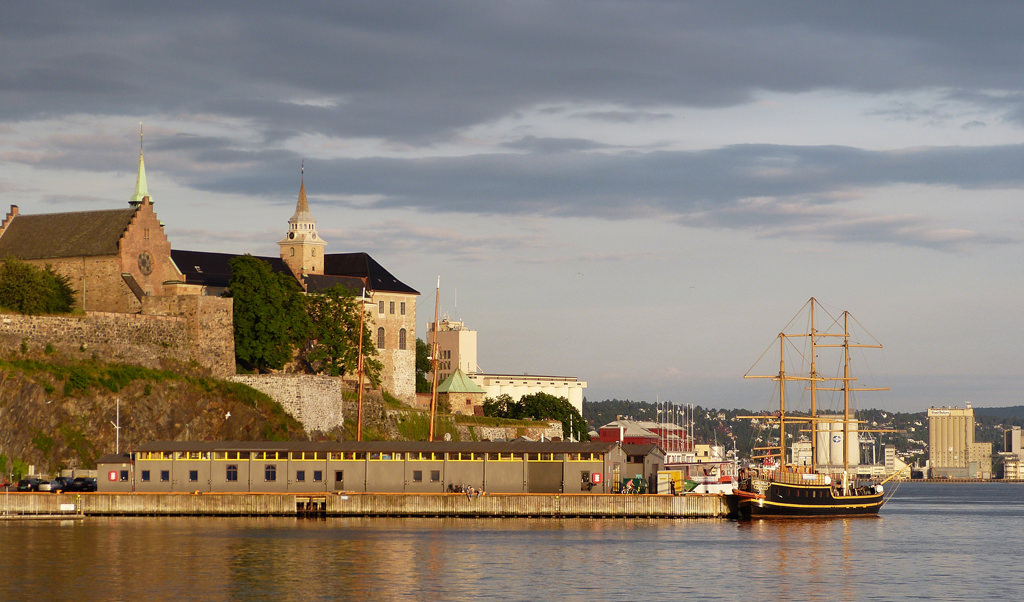
Although it is preceded by its reputation for being very expensive, the Norwegian capital is a genuinely fantastic place to visit, and increasingly a stylish one. Set at the head of a beautiful fjord and surrounded by forested hills, Oslo blends easy access to nature with a lively food and craft beer culture. There are plenty of outdoorsy things to do, and after a day exploring you can wind down with a locally brewed beer on a sunny terrace.
Oslo is also a wonderful city for art. Vigeland Sculpture Park, the largest of its kind created by a single artist, is filled with more than 200 striking bronze and granite human figures and is free to enter. The waterfront Munch Museum houses versions of The Scream, Norway's most famous painting, while the grand National Museum gathers the country's artistic treasures under one roof. Even the architecture is art. The white marble Oslo Opera House rises from the harbor like an iceberg, and you are invited to walk right up its sloping roof for wonderful views.
History lovers can explore the medieval Akershus Fortress guarding the harbor, and the Bygdøy peninsula is home to a cluster of excellent museums celebrating Norway's seafaring and polar heritage, including the Kon-Tiki raft and the polar ship Fram. For a taste of the country's love of the outdoors, head up to the famous Holmenkollen ski jump, which offers a viewing platform and a museum, plus sweeping views back over the city and fjord.
Oslo is a paradise for food lovers. Take in full views of the harbor before walking to Mathallen Oslo, a bustling indoor food hall packed with local producers, delis and small eateries where you can graze your way through Norwegian and international flavors. In summer, one of the great simple pleasures is hopping on a public ferry out to the small islands in the fjord for a swim or a picnic. Yes, Oslo is pricey, so it pays to plan, but the city center is compact and easily walked, and its public transport is excellent, clean and reliable.
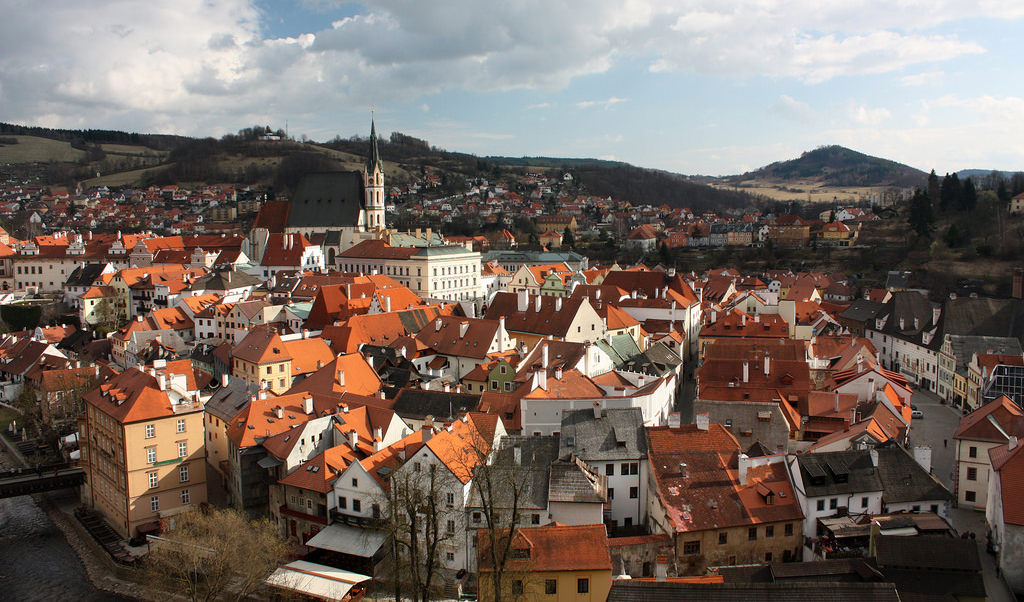
Ceský Krumlov is one of the most beautiful small towns in the Czech Republic, tucked into the rolling countryside of South Bohemia about two and a half to three hours from the capital, Prague. It is compact enough to explore on foot in a day, yet so enchanting that many visitors wish they had stayed longer. Its entire historic center is protected as a UNESCO World Heritage Site, and stepping into it feels like walking straight into a storybook.
The undisputed highlight is the town's enormous castle, whose origins reach back before the year 1300. It is the second-largest castle complex in the whole country, surpassed only by Prague Castle, and a guided tour is well worth your time. The grounds include ornate Baroque and rococo interiors, sprawling terraced gardens and a rare, beautifully preserved Baroque theatre. Climb the colorful, round castle tower for a postcard-perfect view over the red rooftops and the river curling around the town below.
That river is the Vltava, the same one that flows through Prague, and here it loops in a tight horseshoe around the old town. In warmer months you can drift along it by canoe or raft, seeing the town from a completely different and very peaceful angle. Back on land, the winding lanes are lined with old-world architecture, artisan shops and cozy taverns, and art lovers can visit the Egon Schiele Art Centrum, dedicated to the expressionist painter who once lived here.
If you happen to visit in mid-June, you can experience the Five-Petalled Rose Celebration, a spirited Renaissance festival when the townspeople dress in medieval garb, stage jousting tournaments, hold parades and fill the streets with music and market stalls. It is one of the best times to see the town come alive. A practical tip: Ceský Krumlov is deservedly popular and can fill with day-trippers from Prague around midday. Staying overnight lets you enjoy the magical, quiet evenings and early mornings when the crowds have gone. Do bear in mind that the cobbled streets and gentle hills mean supportive shoes are a good idea.
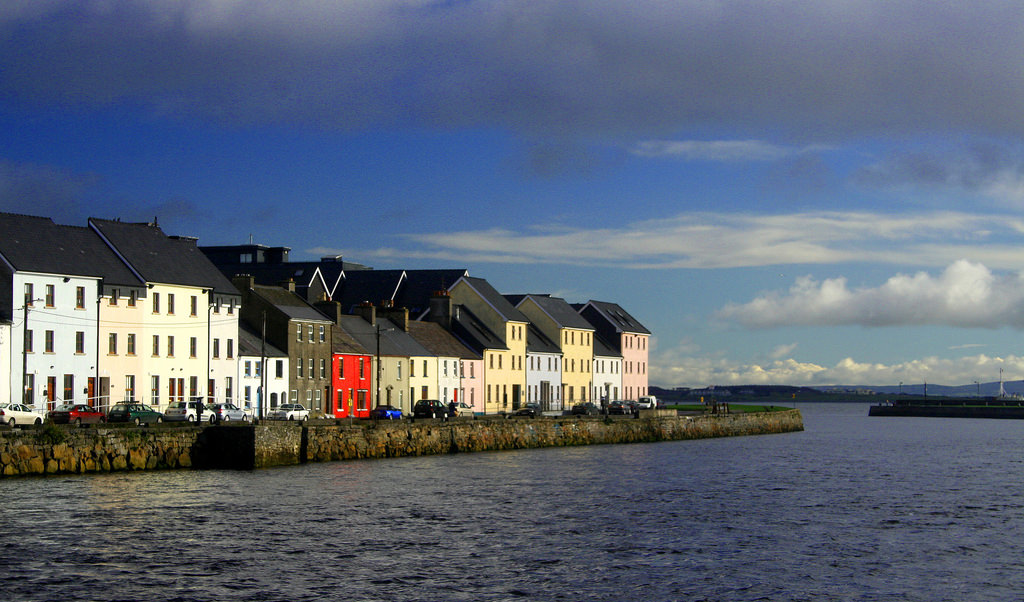
Sitting on Ireland's rugged west coast, directly across the island from the capital Dublin, Galway is all about unwinding over a pint, slowing down and enjoying good company. It would be a mistake to call it a sleepy town, though. Known affectionately as the City of the Tribes, Galway is bustling and youthful, with a large student population and a creative, festival-loving spirit that gives it a wonderful buzz.
The beating heart of the city is the Latin Quarter, a cluster of narrow, colorful streets crammed with pubs, cafes and craft shops. Traditional Irish music spills out of doorways almost every night of the week, and joining locals for a session over a drink is one of the great joys of a visit. Nearby you can see the Spanish Arch, a reminder of Galway's old trading links, and the handsome Galway Cathedral with its striking green dome.
When you are in town, take a walk along the River Corrib, where you may catch rowers racing on the fast-flowing water. From there, head out to the seaside suburb of Salthill, whose long promenade offers bracing walks and breathtaking views across Galway Bay. Following the local tradition of kicking the wall at the end of the prom is a fun way to feel like a resident. Galway is also famous for its lively calendar of events, including the Galway International Arts Festival in summer and the celebrated Oyster Festival in autumn.
Perhaps Galway's greatest asset is its location, as it is the perfect launchpad for exploring some of Ireland's most spectacular scenery. To the west lies the wild, mountainous region of Connemara, with its lakes, bogs and stone-walled fields. Off the coast, the windswept Aran Islands preserve a traditional way of life and the Irish language, reachable by ferry. To the south, the towering Cliffs of Moher make an unforgettable day trip. Do pack a raincoat, as the weather on the Atlantic coast can be changeable, but the compact, friendly city is easy to explore whatever the skies are doing.
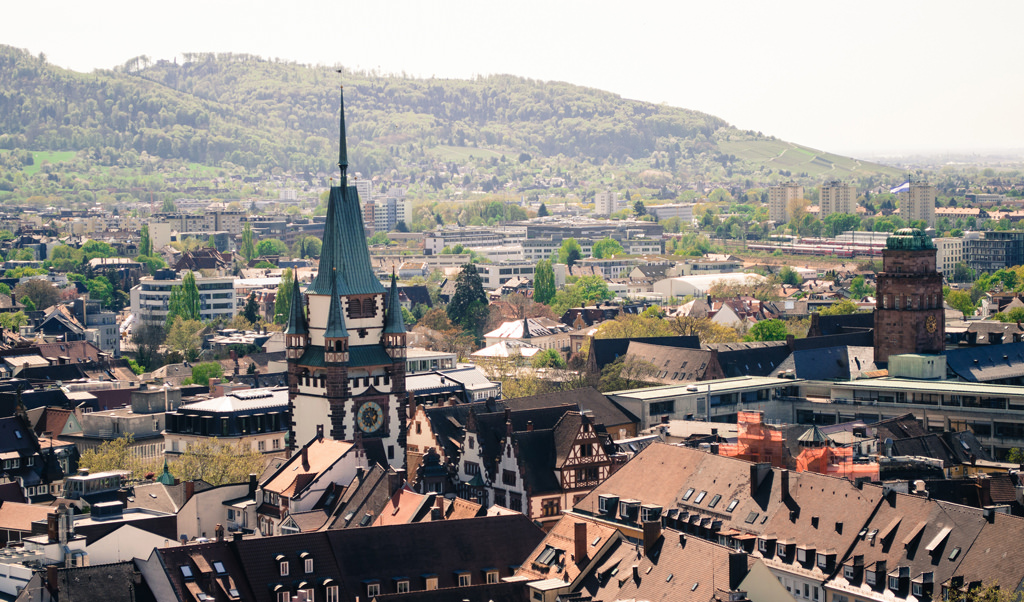
This quaint university town in the southwestern corner of Germany is a favorite base for anyone keen to explore some of the country's most beautiful landscapes. Founded in the 12th century and home to a respected university since 1457, Freiburg combines a lively student atmosphere with a wonderfully preserved medieval old town. It is also known as one of the sunniest cities in Germany, which only adds to its cheerful, relaxed mood.
You certainly will not get bored if you stay in the town itself. The centerpiece is the magnificent Freiburg Münster, a Gothic cathedral that took centuries to build and boasts an intricate stone tower once described as the finest in Christendom. Climb it for a panorama over the rooftops and out toward the surrounding hills. All around the cathedral lies a charming old town of cobbled squares, gabled houses and Renaissance buildings, best explored slowly with an ice cream in hand.
One of Freiburg's most delightful quirks is the Bächle, a network of small water channels that run alongside the streets. These little runnels once helped with fire-fighting and livestock, and today children love to float toy boats in them. Local legend says that if you accidentally step into a Bächle, you are destined to marry someone from Freiburg. For a green escape within the city, ride the funicular or walk up the Schlossberg hill for lovely forest paths and viewpoints.
The town is also a gateway to two glorious natural regions. The legendary Black Forest lies to the east, a vast expanse of dark woodland, waterfalls and hiking trails, with the Schauinsland mountain and its cable car easily reached from the city. Head west instead and you will find yourself in the sunny Upper Rhine Valley, dotted with picturesque villages and the vineyards of the Kaiserstuhl wine region. The pretty lake of Titisee is another popular day trip. Freiburg is famously bike-friendly and easy to get around on foot, and its gentle climate and green, sustainable outlook make it one of Germany's most pleasant places to spend a few unhurried days.