
We hear so much heartbreaking news about vanishing wildlife that it is easy to forget the other side of the story. Sometimes, against all odds, a species claws its way back. Thanks to decades of patient work by scientists, governments, and ordinary people who refused to give up, several animals that were once teetering on the edge of extinction are now doing well enough that experts have officially lowered their risk level. In some cases, they are no longer considered endangered at all.
Here are seven remarkable comeback stories, all recognized within roughly the last ten years. Each one is proof that when we decide a creature is worth saving, we often can.
1. The Giant Panda
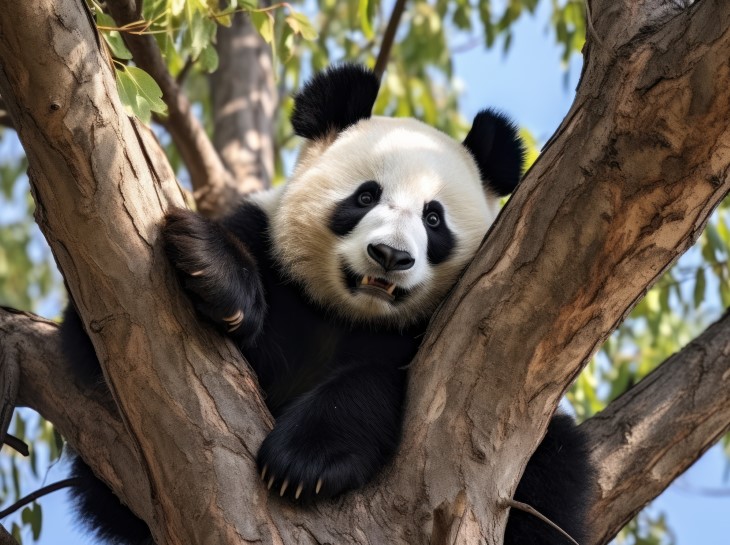
Perhaps the most famous conservation icon of all, the giant panda spent decades as the very symbol of a species in trouble. For years its round face and bamboo diet appeared on posters warning that it might disappear forever. Then, in 2016, came a quiet piece of wonderful news: the panda was moved from "Endangered" to "Vulnerable," meaning it was officially a step further from extinction.
The turnaround came from painstaking work in China, where the wild population climbed from roughly 1,600 pandas in 2004 to about 1,860 a decade later. New nature reserves were created, illegal hunting was cracked down on, and enormous stretches of bamboo forest were protected and connected. China later folded dozens of separate reserves into a single sprawling Giant Panda National Park. The panda is not entirely safe, since climate change still threatens the bamboo it depends on, but its story remains one of the great proofs that conservation pays off.
2. The Iberian Lynx
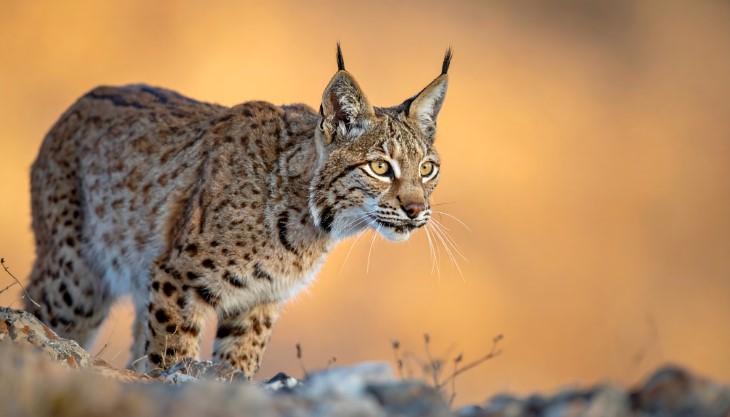
This handsome spotted wildcat, with its tufted ears and short bearded face, was once called the most endangered cat in the world. At its lowest point around the year 2001, only about 62 breeding-age lynx remained in a few scattered pockets of Spain and Portugal. Extinction seemed almost certain.
What followed has been described as the greatest recovery of any cat species ever achieved through conservation. Teams restored the Mediterranean scrubland the lynx calls home, rebuilt populations of the wild rabbits it hunts, reduced deaths on roads, and released more than 400 captive-bred cats back into the wild. By June 2024, the total population had grown past 2,000 animals, and the Iberian lynx was lifted off the Endangered list to the safer "Vulnerable" category. It still needs watching, but a cat that was nearly gone now prowls the hills again in growing numbers.
3. The Saiga Antelope
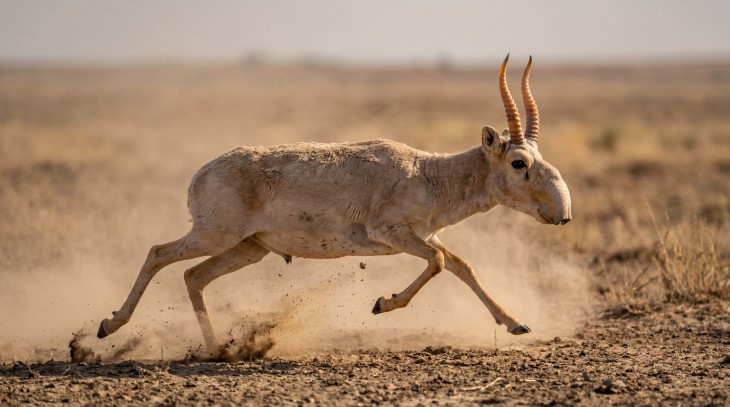
If you have never seen a saiga, prepare to be charmed. This antelope of the Central Asian grasslands has a distinctive, droopy, trunk-like nose that warms freezing winter air and filters summer dust. For a long time, though, it seemed the saiga was headed for oblivion. Rampant poaching drove the Kazakhstan population down to a perilous low of around 48,000 animals in 2005.
Then came one of the most dramatic recoveries of any land mammal ever recorded. Through determined anti-poaching efforts, protected habitat, and close monitoring, the Kazakh saiga population exploded to more than 1.9 million by 2023. That astonishing rebound earned the species a jump from "Critically Endangered," just one rung above extinct in the wild, all the way down to "Near Threatened." Conservationists still keep a close eye on the herds, since the saiga can be hit hard by disease, but its revival has stunned even seasoned experts.
4. The Humpback Whale
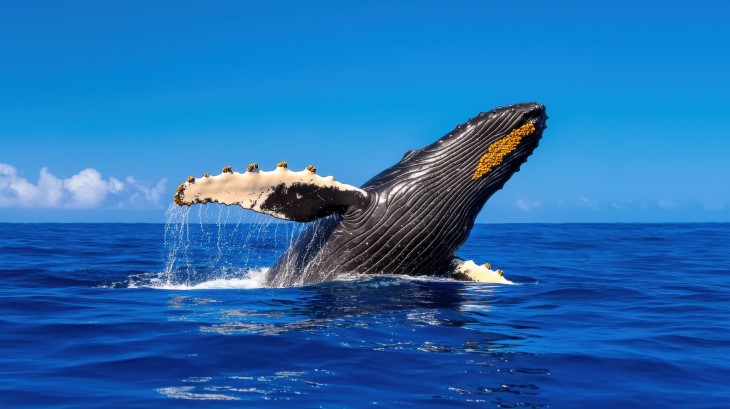
Commercial whaling in the nineteenth and twentieth centuries pushed humpback whales to the edge, with some populations reduced by more than 95 percent. The seas that once echoed with their famous, haunting songs fell nearly silent. It took an international ban on commercial whaling, plus decades of protection, to turn things around.
The recovery has been extraordinary. In 2016, the United States removed nine of the fourteen recognized humpback populations from its endangered species list, having judged them healthy enough to no longer need it. In 2022, Australia followed suit and took humpbacks off its own threatened list, with numbers in some regions rebounding to more than 90 percent of their original levels. A handful of smaller populations, such as those in the Arabian Sea, are still struggling and remain protected, but for most of the world's humpbacks the future looks bright, and their songs once again fill the oceans.
5. The European Bison
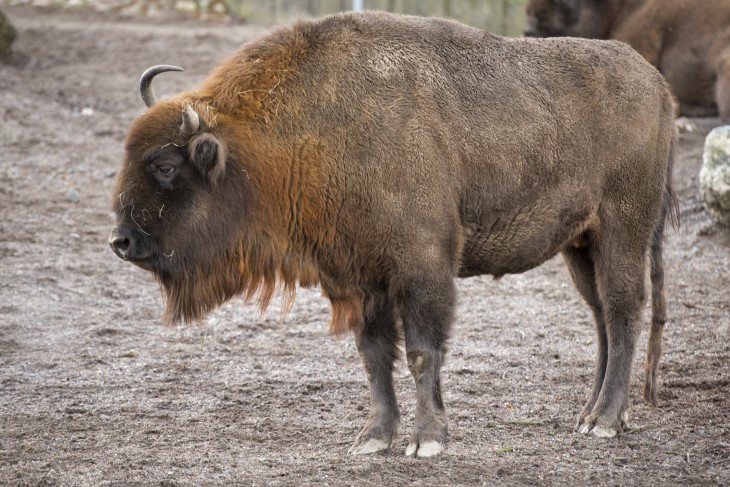
Europe's largest land mammal, a shaggy relative of the American bison, has a history that reads like a genuine resurrection. This animal appeared in prehistoric cave paintings, yet by the early twentieth century it had been hunted out of the wild completely. For a time it survived only in zoos and private collections, a species clinging to existence in captivity.
Careful breeding and reintroduction beginning in the 1950s slowly brought the bison back to the forests. The wild population grew from around 1,800 animals in 2003 to more than 6,200 by 2019, spread across dozens of free-roaming herds in countries such as Poland, Belarus, and Romania. In 2020, that progress earned the European bison an upgrade from "Vulnerable" to "Near Threatened." To see this majestic beast grazing wild meadows today, after it had vanished entirely a century ago, is one of conservation's most moving achievements.
6. The Green Sea Turtle
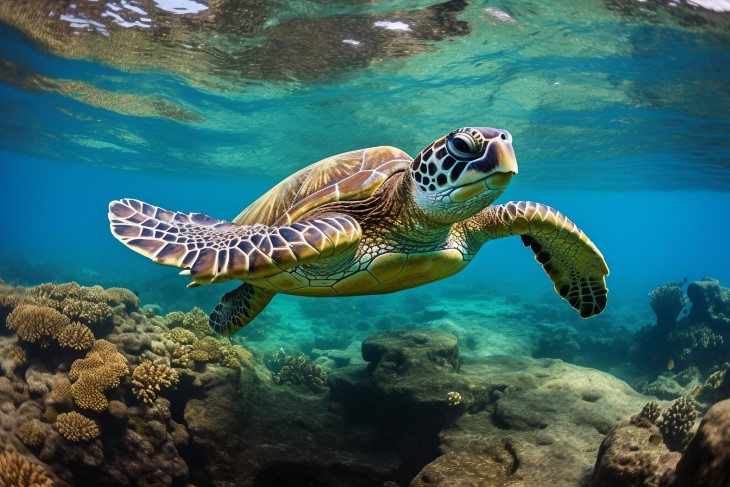
One of the ocean's most beloved and ancient travelers, the green sea turtle was long in decline. For centuries it was overharvested for its meat, its shell, and its eggs, while the beaches where it lays those eggs were lost to development, and countless turtles drowned after becoming tangled in fishing gear.
The response was a truly global effort. Countries banned the international trade in turtle products, coastal communities protected nesting beaches night after night, and fishing fleets adopted turtle-friendly equipment that lets trapped turtles escape. It took decades, but the payoff arrived in October 2025, when the green sea turtle's global status was improved all the way from "Endangered" to "Least Concern," the lowest risk category there is. Few recovery stories are as satisfying, and it stands as a reminder that even slow-growing, long-lived ocean animals can bounce back when the whole world pitches in.
7. Kirtland's Warbler
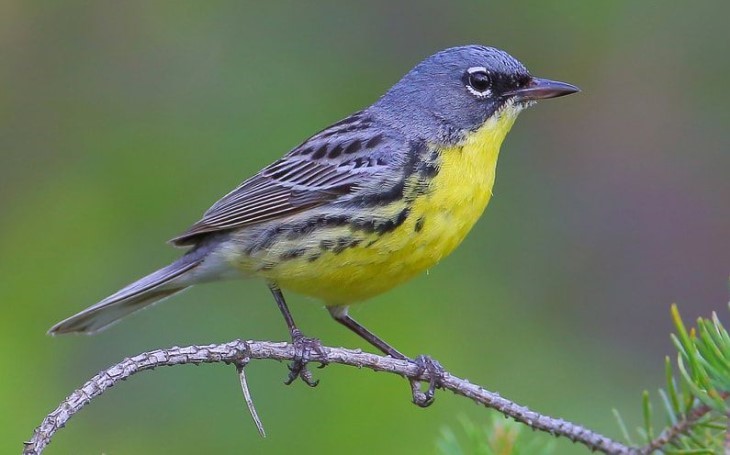
Our final comeback belongs to a small, unassuming songbird with a yellow breast that nests almost exclusively in young jack pine forests of the American Midwest, mainly in Michigan. One of the very first creatures protected under the U.S. Endangered Species Act, the Kirtland's warbler had dwindled to fewer than 200 breeding pairs by the 1970s and 1980s. It was, quite literally, on the endangered list at the moment that list was created.
Saving it took a clever two-part strategy. Foresters managed the land to keep producing the young jack pines the bird prefers, while wildlife managers controlled brown-headed cowbirds, a species that sneaks its own eggs into warbler nests and crowds out the chicks. The plan worked so well that the population roughly tripled its recovery goal, climbing to around 2,000 to 2,300 pairs. In 2019, the Kirtland's warbler was officially removed from the endangered species list, a homegrown American success story that proves even a tiny bird can be pulled back from the brink.
A Reason for Hope
None of these animals is completely out of danger, and every one of them still depends on people continuing to care. But together they carry an encouraging message. Extinction is not always inevitable. When we protect habitats, curb hunting, and give nature a little room and a little time, wildlife has a remarkable ability to recover. These seven comebacks are living proof that our efforts matter, and that the future for the world's most vulnerable creatures can still be written in a hopeful hand.