
header print

How to Cook a Sausage: Methods, Doneness & Healthiest Ways

The humble sausage is a beloved staple in kitchens all over the world. Made from ground meat such as beef, pork, or poultry, seasoned with salt and spices and packed into a casing, it turns up at breakfast tables, summer cookouts, and cozy suppers alike. Yet there is more to cooking a good sausage than tossing it in a pan. As it happens, the method you choose changes not only the taste and texture, but also how healthy the finished sausage is. Some techniques are gentler on your body than others. Here is a friendly guide to the main ways to cook them, how to know when they are ready, and how to enjoy them at their best.

The Main Ways to Cook a Sausage

Sausages are wonderfully versatile, and each method gives a slightly different result. Here are the most popular approaches:
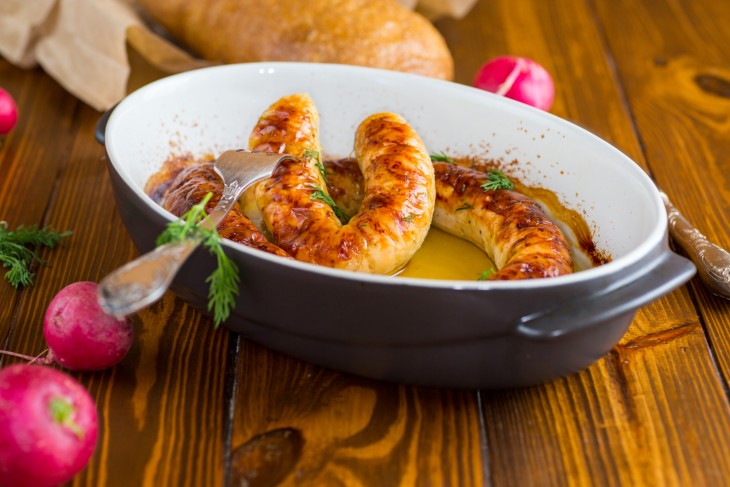
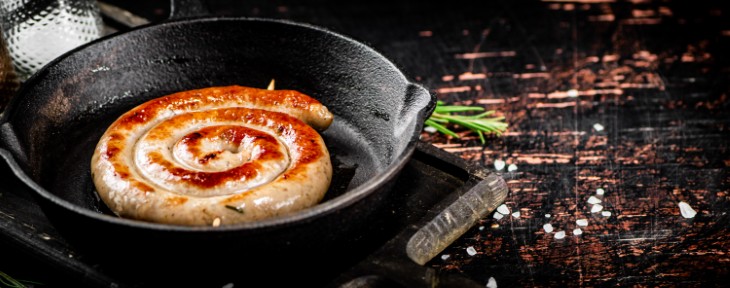
  • Boiling. This is one of the easiest ways to cook sausage links at home. Simply lower them one by one into a pot of simmering water and let them cook, about 10 minutes for pre-cooked sausages and up to 30 minutes for raw ones. Boiled sausages will not be brown and crispy, but you can give them a quick turn in a hot pan with a little oil afterward to color them. Note that only links can be boiled, not patties.
  • Baking. A fine choice for making crisp sausages, especially in larger batches. Heat the oven to 355°F (180°C), place the sausages on a pan, and bake, roughly 15 to 20 minutes for smaller sausages or 30 to 40 for larger ones, turning them halfway through so they brown evenly and cook all the way through. If they tend to dry out in the oven, boil them briefly first to help keep them juicy inside.

sausages

  • Pan-frying and stir-frying. These cook the sausages in a skillet or wok with a little oil. Stir-frying means flipping or stirring them continuously, while pan-frying leaves them to sit and brown. Either way, cook until golden on both sides, about 10 to 15 minutes depending on their size. Good oils to use include olive, avocado, and canola, which hold up well to the heat.

sausages

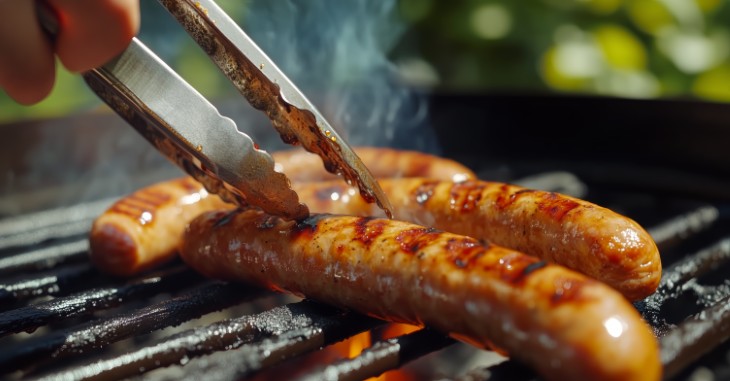
  • Grilling and broiling. Both use dry, high heat, the only difference being where the heat comes from. On a grill it rises from below, so lay the sausages on the grate and cook for 8 to 12 minutes, turning every few minutes until evenly colored. For broiling, the heat comes from above, so place them on a broiler pan in the oven, cook for about 5 minutes, then turn and cook another 5. These high-heat methods give lovely flavor, but as we will see, that intense heat has a small downside worth knowing about.

sausages

  • Deep frying. Here the sausages, usually breaded first, are fully immersed in hot oil. Dip them in beaten egg, coat them in breadcrumbs or batter, and fry for about 5 minutes until cooked through. Delicious, certainly, but this method adds a good deal of fat and calories, making it the least healthy of the bunch.

How to Tell When a Sausage Is Done

This is the part that truly matters, because undercooked sausage is not just unpleasant, it can make you ill. Raw meat may harbor harmful bacteria, and a sausage can look perfectly browned and crisp on the outside while still being raw in the middle.

The surest way to know is with an inexpensive meat thermometer. A sausage is safely cooked when the center reaches 165°F (74°C). If you do not have a thermometer, you can cut into one at the thickest point: firm meat means it is ready, while pink and runny means it needs more time. Slicing or butterflying sausages open also speeds up cooking. And here is a handy trick: boiling sausages before finishing them in a pan or on the grill helps guarantee they are cooked through while staying moist.

The Healthiest Ways to Cook Them

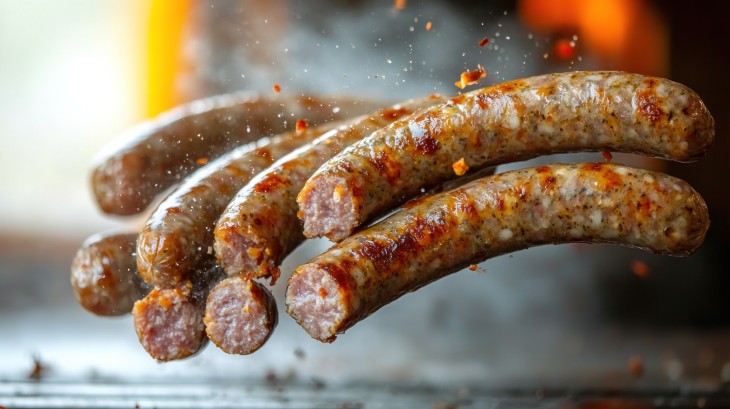
If health is on your mind, the cooking method makes a real difference. Boiling and baking come out on top, since they need little or no added oil and are less likely to create certain unwanted compounds. Deep frying sits at the bottom of the list, thanks to all that extra fat and those extra calories. Pan-frying and stir-frying land comfortably in the middle, and are a good choice as long as you use a quality oil like olive or avocado and take care not to overcook.
sausages

The reason very high heat gets a cautious mention is this: when meat is cooked at scorching temperatures, grilled, broiled, or deep fried, or allowed to char and blacken, it can form a handful of compounds that researchers have linked to health concerns, from certain cancers to heart disease. You do not need to memorize their tongue-twisting names. What helps is knowing how to keep them to a minimum:

  • Avoid charring or blackening the sausages, and trim off any badly burnt bits.
  • Cook over moderate heat rather than the fiercest flame, so the inside cooks before the outside scorches.
  • Soak up the drippings, the fat that seeps out during cooking, rather than letting them flare and smoke.
  • Use healthy oils such as olive and avocado.
  • Boil the sausages first, so they need less time over high heat to finish.

A Word About Sausages and Health

Tasty as they are, sausages are not the healthiest meat on the table. They are a processed meat, meaning they have been preserved through curing, smoking, salting, or drying. A good deal of research has linked eating processed meats to conditions such as high blood pressure, heart disease, and certain cancers of the stomach and bowel.
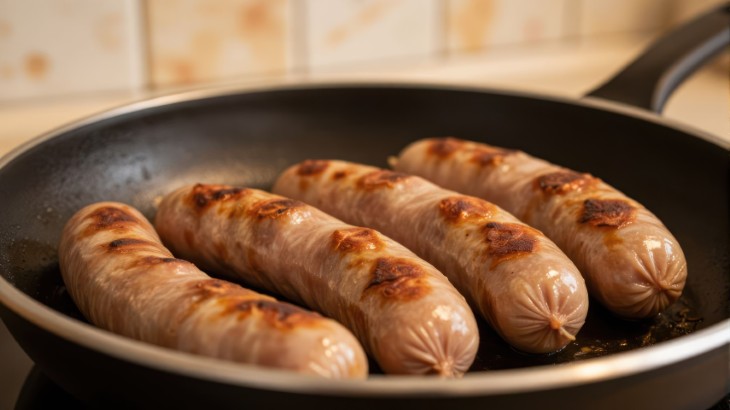
sausages

It is worth keeping this in perspective, though. These studies show an association, not proof that sausages directly cause these conditions, and many factors likely play a part, including preservatives, salt, and the compounds that can form during cooking. The sensible takeaway is simply moderation. There is nothing wrong with enjoying a good sausage from time to time. A few small choices make it a healthier plate: cook them gently rather than to a char, serve them alongside vegetables for fiber and nutrients, and when shopping, look for products listing a meat content of 85 percent or higher, which tend to have less fat and fewer fillers.

A Few Tips for Juicier Sausages

Beyond the method, a few small habits make for a better result every time:
  • Let sausages sit out for a few minutes to lose their fridge chill before cooking, so they cook more evenly.
  • Cook them low and slow rather than blasting them with heat, which helps the inside finish without the casing splitting or burning.
  • Resist the urge to prick them all over. Cooked gently, they will not burst, and leaving them whole keeps the juices inside where you want them.
  • Give them room in the pan. Crowding causes them to steam rather than brown.
  • Let them rest for a minute after cooking before you cut in, so the juices settle.
Next Post
Sign Up for Free Daily Posts!
Did you mean:

Continue With: Facebook Google
By continuing, you agree to our T&C and Privacy Policy
Sign Up for Free Daily Posts!
Did you mean:
Continue With: Facebook Google
By continuing, you agree to our T&C and Privacy Policy