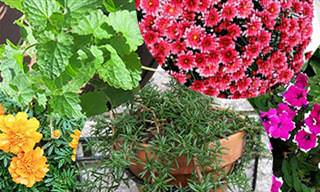

Harvest season has arrived, and yes, you can still put your garden trowel to work. September is one of the best months to plant colorful fall flowers, delicious vegetables, and evergreen shrubs. Whether you're a seasoned gardener or just getting started, now is the perfect time to enjoy watching seeds transform into vibrant flowers and tasty vegetables straight from your backyard. Before you start, check the USDA Hardiness Zone map to see which plants thrive in your area.
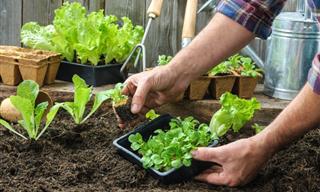
Looking for a quick harvest? Lettuce is your answer. With good soil, lettuce thrives during the cooler autumn months. Baby lettuce varieties are especially fast growing and ready to harvest in just about 30 days. The best part: you don't need much space. Containers or a small deck work perfectly if you don't have garden beds.
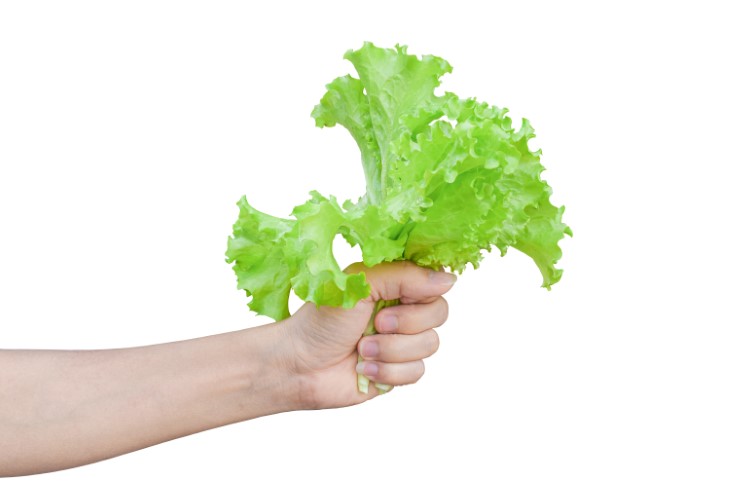
Planting tips: Sow seeds directly into the soil about half an inch deep, spacing them two inches apart. Keep the soil consistently moist but not waterlogged. Lettuce prefers cooler temperatures between 60°F to 70°F (15°C to 21°C), which makes September ideal. You can also succession plant every two weeks for a continuous harvest throughout fall. Thin seedlings to four to six inches apart once they develop their first true leaves. For container growing, use a pot at least six inches deep with drainage holes.
Frosty, cool weather is ideal for Brussels sprouts, which are packed with vitamin C. These hardy vegetables prefer fertile, well-drained soil and need plenty of room to grow. Give each plant between 18 to 24 inches of space as they develop. The wait is worth it when you're harvesting your own crispy Brussels sprouts in the fall.
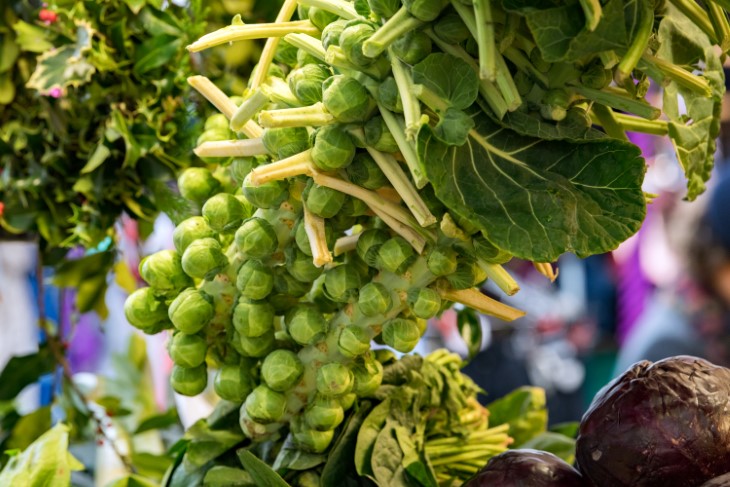
Planting tips: Start with transplants rather than seeds for faster results, planting them in mid-September for an autumn harvest. Mix compost or aged manure into your soil before planting to boost fertility. Dig holes deep enough to bury the stem up to the first set of leaves, which helps them establish stronger roots. Water deeply after planting and mulch around the base to retain moisture and keep soil temperatures cool. Brussels sprouts need consistent watering, about one inch per week. They're also heavy feeders, so consider adding a balanced fertilizer every month. Harvest sprouts from the bottom of the stalk once they reach about one to two inches in diameter, and the plant will keep producing up the stem.
If you want fast results, radishes are hard to beat. They grow in as little as 20 days and work perfectly in containers or garden beds. The key is keeping the soil consistently moist and spacing them correctly. Plant seeds one inch apart, with 12 inches between rows. Perfectly crunchy radishes will be ready before you know it.
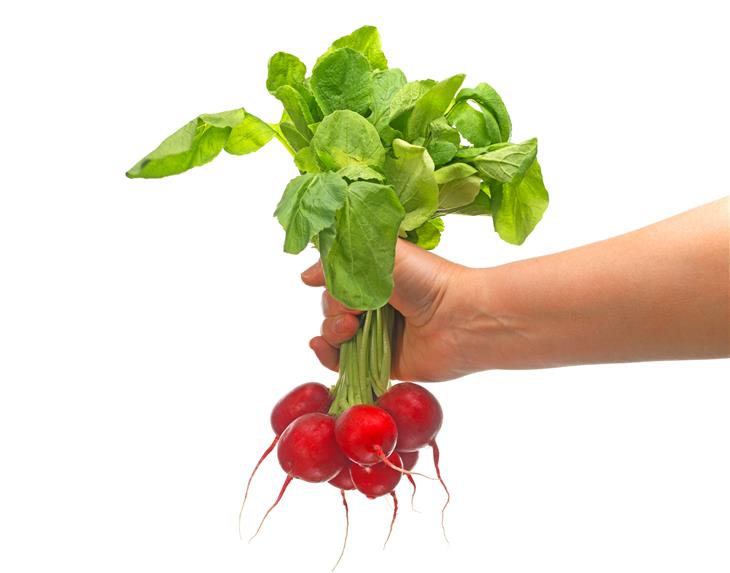
Planting tips: Sow seeds directly into loose, well-draining soil about half an inch deep. Radishes prefer full sun and need at least six hours of sunlight daily. Keep the soil evenly moist, as inconsistent watering can cause them to become tough and pithy. Thin seedlings to one and a half inches apart once they sprout. For a quicker harvest of smaller, milder radishes, pick them at 20 to 25 days. If you let them grow longer, they'll be larger but may become woody. For containers, use well-draining potting soil in a container at least eight inches deep. You can plant radishes every two to three weeks for continuous harvests throughout fall.
Want to add color to your fall garden? Plant calendulas, also called pot marigolds. These vibrant yellow and orange flowers grow up to two feet tall and prefer partial shade with fertile, well-drained soil. Here's a bonus: the petals are edible and can be tossed into salads for a pop of color and mild flavor.
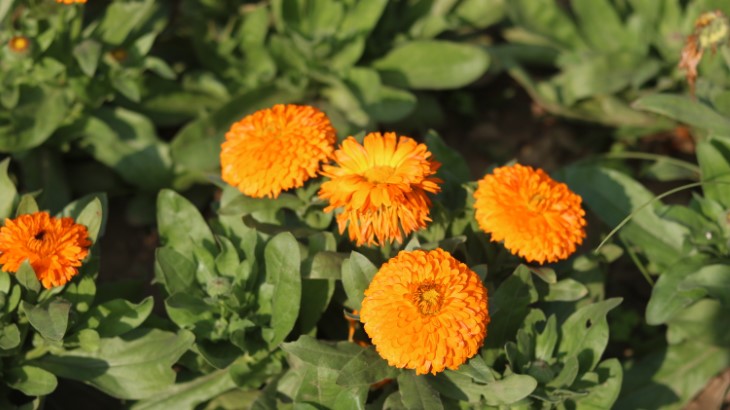
Planting tips: Sow seeds directly into soil or start them indoors about six weeks before your first frost. Plant seeds quarter to half an inch deep and keep soil moist until they germinate, which takes about 10 to 14 days. Space seedlings eight to 12 inches apart. Calendulas prefer cooler fall temperatures and actually bloom better as temperatures drop. While they can tolerate full sun, they'll produce more blooms in partial shade with afternoon shade, especially in warmer regions. Water regularly but let soil dry out slightly between waterings. Deadhead spent flowers to encourage more blooms throughout the season. These cheerful flowers are also pest-resistant and attract beneficial insects to your garden.
September is the ideal planting month for garlic, which will produce a full crop by mid-summer next year. Plant garlic cloves in the ground or in raised beds and choose between two varieties. Softneck garlic grows well in milder climates and contains multiple cloves in each bulb. Hardneck varieties have a much stronger flavor but don't store as long.
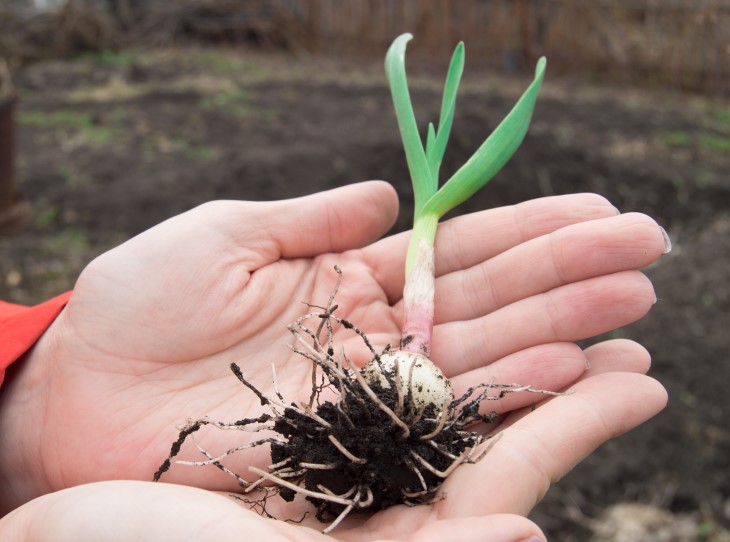
Planting tips: Separate garlic bulbs into individual cloves just before planting, using only large, healthy cloves. Plant cloves pointy side up, about two inches deep and six inches apart in rich, well-draining soil. Garlic needs a cold period over winter to develop properly, so planting in September gives it time to establish roots before the hard freeze. Mulch heavily with three to four inches of straw after planting to protect cloves and suppress weeds. Water regularly during fall and spring growing seasons but reduce watering in summer as bulbs mature. In spring, remove mulch and apply a nitrogen-rich fertilizer when green shoots appear. Garlic typically requires minimal maintenance and is fairly pest-resistant. Softneck varieties mature faster, while hardneck varieties require more cold hours but produce a tall flower shoot (scape) that you can harvest and use in cooking.
Broccoli does best with full sun and rich, moist soil that's slightly acidic. Space your rows at least three feet apart to give plants room to develop. The cooler temperatures of fall actually help broccoli develop better flavor. Plant it now and you'll be harvesting fresh heads in the weeks ahead.
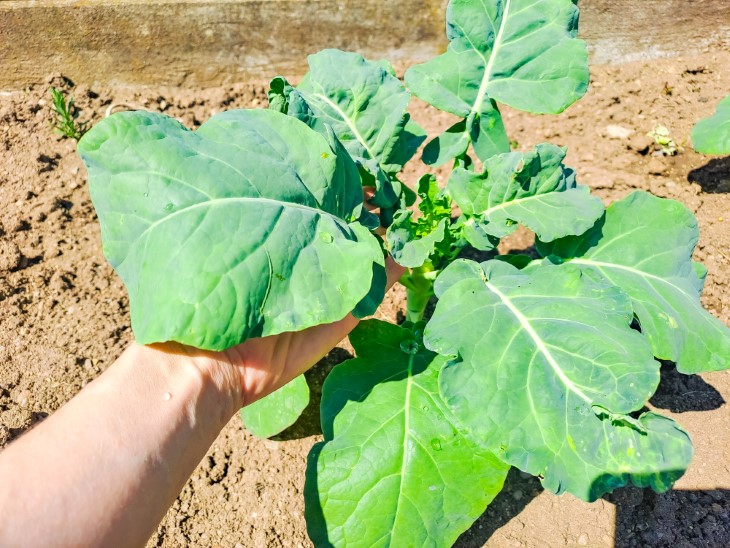
Planting tips: Start with transplants for faster results, planting them in early to mid-September for a fall harvest. Prepare soil by mixing in compost or aged manure to boost fertility, aiming for a pH between 6.0 and 7.5. Dig holes deep enough to bury the stem up to the lowest set of leaves for stronger root development. Space plants 18 to 24 inches apart and water deeply after planting. Broccoli is a heavy feeder, so apply a balanced fertilizer or side-dress with compost every three to four weeks. Keep soil consistently moist with about one inch of water per week. Mulch around plants to retain moisture and keep soil cool. Harvest the main head when the florets are tight and green, usually about 50 to 100 days after transplanting, before they start to loosen or flower. After you harvest the main head, side shoots will continue to develop, giving you additional smaller harvests.
Late summer to early fall is the ideal time to plant carrots. These root vegetables are packed with antioxidants and vitamin A. For best results, use sandy soil with a pH between six and seven. The cooler fall soil temperature actually helps carrots develop their sweetness, making September-planted carrots especially delicious.
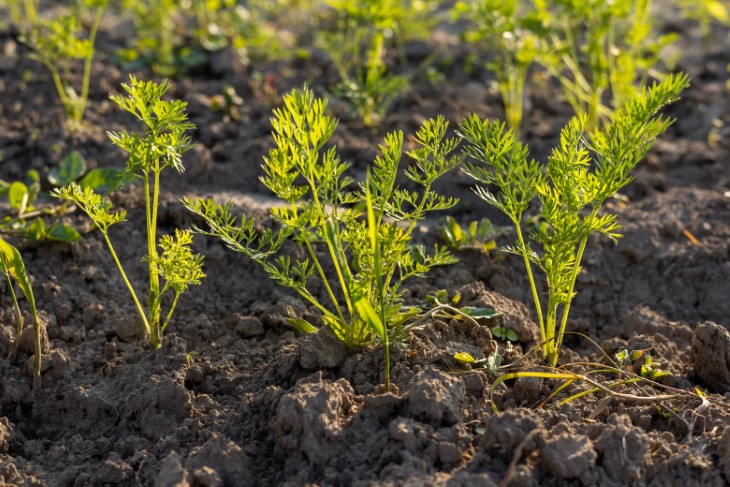
Planting tips: Sow seeds directly into loose, well-draining soil that's free of rocks and clumps, which can cause forked or stunted roots. Plant seeds very shallow, just barely covered with soil. Keep the seedbed moist for 14 to 21 days until seeds germinate. Thin seedlings to two inches apart for smaller varieties or four inches apart for larger varieties once they have their first true leaves. Carrots need full sun and consistent moisture, but avoid overwatering as soggy soil can cause root rot. Mulch lightly to retain moisture and keep soil cool. No fertilizer is needed if soil is reasonably fertile, but avoid excessive nitrogen which can cause forked roots. For container growing, use a container at least 12 inches deep with loose potting soil mixed with sand. Carrots can take 50 to 80 days to mature depending on variety, so plant early-maturing varieties in September for fall harvest.
Looking to add long-term beauty to your garden? Fall is the best time to plant peonies. These eye-catching perennials are low-maintenance and will reward you with stunning blooms next spring. Plant them two inches below the soil surface in a location with full sun and moist, well-draining soil. Space them three to four feet apart to allow for good air circulation.
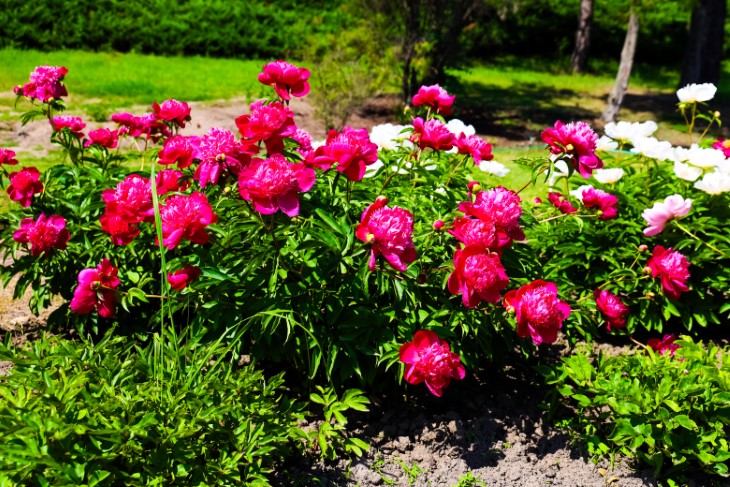
Planting tips: When you receive peony roots or bare root plants, soak them in water for a few hours before planting. Dig a hole large enough to accommodate the roots without crowding them. The "eyes" (buds) should be planted no deeper than two inches below the soil surface, as planting too deep can prevent blooming. Mix compost or aged manure into the planting hole to improve drainage and fertility. Firm soil around the plant and water well. Apply mulch around the base, keeping it away from the crown. Peonies are very long-lived plants, sometimes producing flowers for 50 years or more, so take time to place them where they won't need to be moved. They prefer at least six hours of sunlight daily and may take two to three years to establish and produce their first blooms. Avoid moving peonies once established as they dislike disturbance. Water regularly during the first growing season to help establish deep roots.
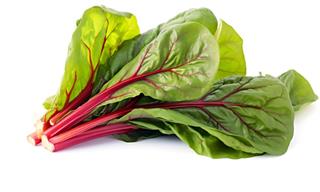
Spinach, especially savoy varieties, grows quickly during the cooler months. Plant it in rich soil where it can get full sun or partial shade. This nutrient-rich vegetable is perfect for fall salads and has a milder, sweeter taste when grown in cooler weather compared to spring and summer plantings.
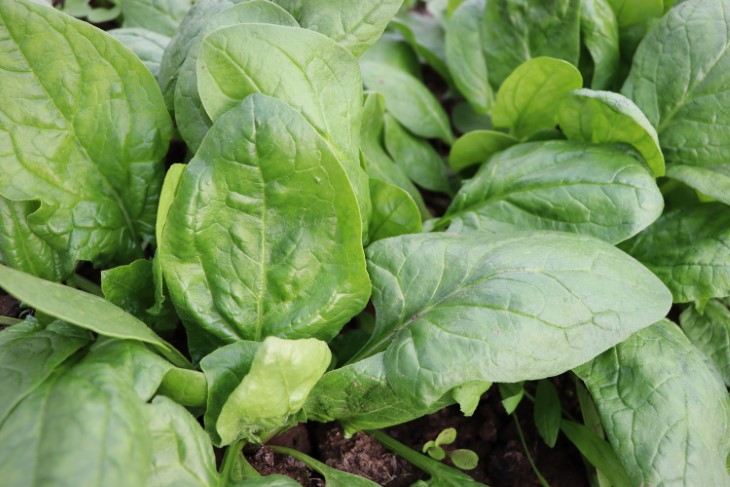
Planting tips: Sow seeds directly into soil about half an inch deep, spacing them three to four inches apart. Keep soil consistently moist during germination, which takes 7 to 10 days. Thin seedlings to six inches apart once they have their first true leaves. Spinach prefers cooler temperatures between 50°F to 70°F (10°C to 21°C), making fall the ideal growing season. Water regularly, providing about one inch per week. Spinach is a light feeder but benefits from rich, well-draining soil amended with compost. You can succession plant every two weeks for continuous harvests throughout fall and into early winter. Harvest by picking outer leaves as they reach full size, leaving the center to continue growing, or harvest the entire plant when it reaches about six inches tall. Spinach can tolerate light frost, and some varieties become even sweeter after exposure to cold.
Eggplants can do well in cooler temperatures when planted in large containers. However, there's one important tip: the weight of their fruit can cause them to tip over, so tie them to stakes for support. To help keep damaging flea beetles away, make sure your containers sit at least a foot and a half off the ground.
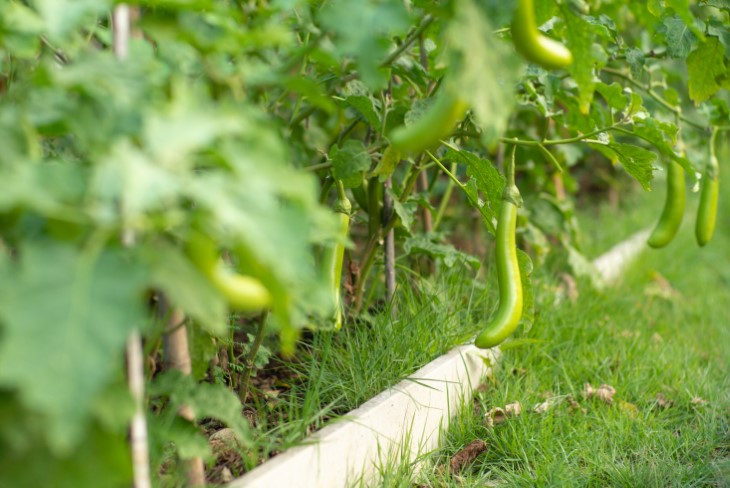
Planting tips: Use large containers, at least 5 gallons in size, filled with quality potting soil rich in organic matter. While eggplants prefer warm weather, September plantings in containers work well because you can move them to protected locations as temperatures drop. Provide a sturdy cage or stake at planting time, and gently tie the main stem as it grows to prevent wind damage. Use ties that won't cut into the stem. Plant where eggplants get full sun, at least six to eight hours daily. Water deeply and consistently, keeping soil moist but not waterlogged. Mulch the container surface to retain moisture. Eggplants benefit from regular fertilizing every two to three weeks with a balanced or slightly higher phosphorus fertilizer to encourage fruiting. Pinch off the first flowers to encourage stronger plant growth before allowing the plant to set fruit. Watch for flea beetles and spider mites by keeping containers elevated and monitoring leaves regularly. Harvest eggplants when they're glossy and reach full size, cutting them from the plant rather than pulling.
Ready to plant? Grab your gardening tools and get started. Your fall garden is waiting.