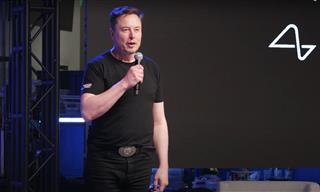

Jensen Huang, CEO of NVIDIA (which at the moment has the highest evaluation of any company in the world) was asked about which degree he recommends and what he would study if he were starting his education today. "If I were a student today, I would study physics - it's the key to the next wave of artificial intelligence," said Huang, who controls and manages the world's largest company. NVIDIA, which supplies chips to the AI industry, is essentially driving the AI field, and Huang is preparing for the next phase in the sector.
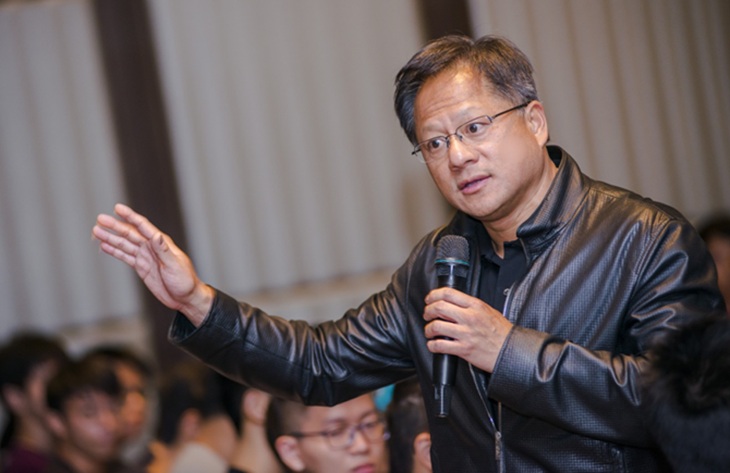
"Young Jensen would probably choose physics over computer science," declared Huang, who studied electrical engineering and advanced to a distinguished career in engineering and technology. The choice of physics, Huang explained, stems from the fact that artificial intelligence will advance and develop into space, and the field will require people with an understanding of the laws of physics.
This will be critical.
The job market is already changing, and accordingly, the education market is also changing due to the introduction of AI. Demand for AI experts is growing dramatically while demand for juniors has dropped dramatically. Most computer science and programming graduates cannot find work - demand for AI experts is soaring, but juniors are fighting for chairs.
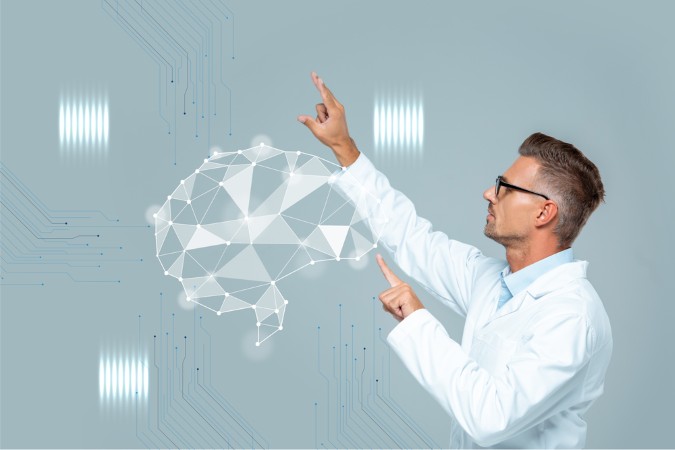
Physical AI: The Next Wave
Huang recently described the evolution of artificial intelligence in three main waves:
Perception AI - The ability of machines to recognize patterns, such as image or voice recognition
Generative AI - Technologies that create content, such as texts, images, or code, as seen in models like ChatGPT
Reasoning AI - AI capable of solving complex problems, understanding contexts, and operating in new situations
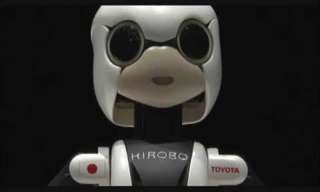
The next wave, according to Huang, is Physical AI, where machines not only understand the digital world but are also capable of operating in the physical world based on the laws of physics, such as friction, inertia, and cause-and-effect relationships.
Huang emphasized that "the next wave requires us to understand the laws of physics, because that's what will enable AI to operate in complex environments like factories, robots, or autonomous vehicles." For example, he referred to the concept of "object permanence" - the understanding that an object continues to exist even when it's out of sight - as a critical capability that requires deep physical understanding.
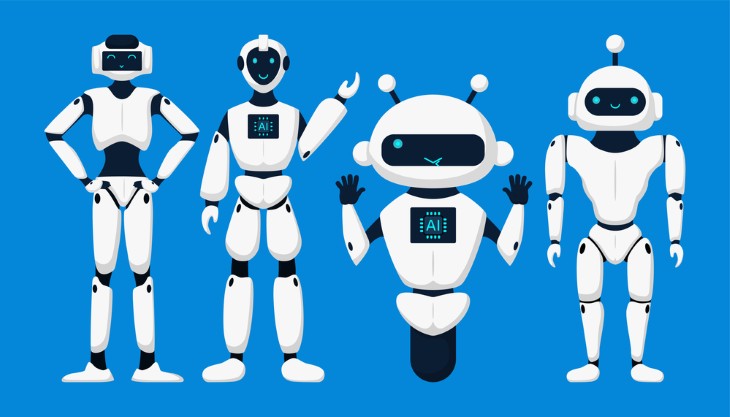
Why Physics Matters for AI's Future
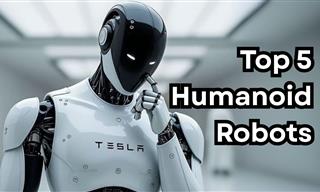
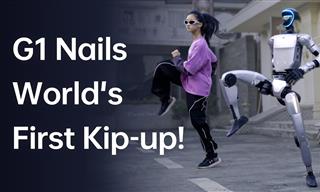
The focus on physics stems from the need to develop AI systems capable of interacting with the real world. According to Huang, "When you take physical AI and put it into a physical body, like a robot, you get advanced robotics." He noted that this field is particularly vital now, as the United States and other countries are building new factories and facilities that require smart robots capable of dealing with labor shortages.
Physics deals with studying the basic laws of nature: motion, forces, energy, matter, and space. Physics provides the theoretical foundations for understanding the physical world, including phenomena like body movement, fluid dynamics, or material behavior in different environments. In the AI field, understanding physics enables the development of models capable of predicting and operating phenomena in the real world, such as robot movement in complex environments or autonomous vehicle behavior in harsh weather conditions.
Computer Science focuses on information processing, algorithms, programming, and data structures. This is the field that enables software and application development, including AI models like neural networks. However, computer science focuses mainly on the digital world and doesn't directly deal with the laws of physics or physical environments.
Electrical Engineering combines principles of physics and computer science to design hardware systems, such as electrical circuits, chips, and processors. Huang himself completed electrical engineering studies for a bachelor's degree at Oregon State University in 1984 and finished a master's degree in the field at Stanford in 1992. This knowledge allowed him to develop the GPU (Graphics Processing Unit) that made NVIDIA a leading company. However, electrical engineering focuses more on practical application of physics laws rather than their theoretical study.

Beyond Traditional Education
Huang's choice of physics reflects his belief that the next wave of AI requires a deeper understanding of the physical world, beyond the programming and hardware capabilities provided by computer science and electrical engineering. While these other two fields were critical to NVIDIA's success in GPU and AI, physics offers the theoretical tools for developing systems capable of "thinking" like humans in complex physical environments.
Huang also spoke about the need for "thinking outside the box" and the importance of interdisciplinary studies. "Technology changes so fast that anyone who wants to succeed must study different fields: from physics to biology and data science," he said. He also encouraged young people "not to fear failure" and to focus on solving big problems, such as climate change or labor shortages, through technology.
Personal Insights from the CEO
Huang also shared insights from his personal journey. In a recent interview, he told how his work as a waiter at Denny's taught him to deal with pressure and heavy workload - skills that became critical as a CEO. "Working at Denny's taught me how to stay calm when everything is burning around you," he said.
He also emphasized the importance of chance encounters that can change career trajectories, such as his meeting with his NVIDIA co-founders, Chris Malachowsky and Curtis Priem, at Denny's in 1993.
The changing job market reflects this shift: while demand for AI experts soars, traditional computer science graduates face increasing competition for entry-level positions. Huang's advice suggests that the future belongs to those who can bridge the gap between digital intelligence and physical reality - making physics the unexpected key to tomorrow's technological breakthroughs.