
If you take medicine regularly, you are far from alone. By the time we reach our fifties and sixties, most of us have at least one prescription in the cabinet, and many of us have several. These medications do important work, lowering cholesterol, steadying blood pressure, easing pain, lifting mood, and keeping blood sugar in check. But almost every one of them comes with a few unwanted passengers we call side effects.
The good news is that most side effects are predictable, often temporary, and frequently manageable once you understand what is causing them. Knowing what to expect can be the difference between giving up on a medicine that is helping you and learning to work around a minor nuisance. Below we walk through the most common classes of medications, the side effects they tend to cause, how long those effects usually last, what other conditions they can interact with, and which foods, drinks, habits, or even genetic traits can make them better or worse.
One important note before we begin. Nothing here is a reason to stop a medication on your own. Stopping certain drugs suddenly can be more dangerous than any side effect. Always talk with your doctor or pharmacist before changing anything. Think of this as background knowledge that helps you ask better questions.
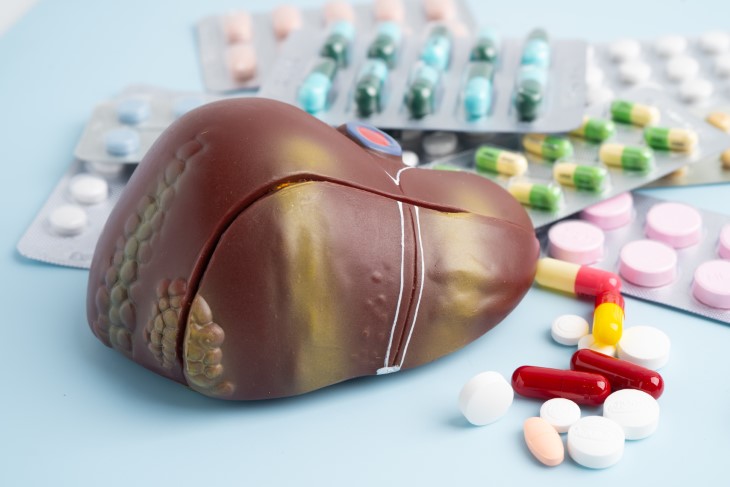
Statins such as atorvastatin, simvastatin, and rosuvastatin are among the most prescribed drugs in the world, and for good reason. They lower the risk of heart attacks and strokes. Their best known side effect is muscle aching, soreness, or weakness, usually felt in the large muscles of the thighs, shoulders, or back.
These muscle symptoms tend to appear within the first few weeks to few months of starting the drug or after a dose increase. For most people they are mild and often fade, and when they do not, switching to a different statin or adjusting the dose frequently solves the problem. True serious muscle damage is rare. Statins can also nudge liver enzymes upward, which is why doctors sometimes check blood work, though significant liver trouble is uncommon.
What can make statin side effects worse? Grapefruit and grapefruit juice are the classic culprits with simvastatin, atorvastatin, and lovastatin. Grapefruit blocks an enzyme in the gut that normally breaks the drug down, so the medicine builds up to higher levels than intended and muscle complaints become more likely. Heavy alcohol use adds extra strain on the liver. There is also a genetic angle. Some people carry a variation in a gene called SLCO1B1 that slows how the body clears certain statins, making muscle aches more likely, particularly with simvastatin. If you have struggled with statin side effects, this is worth mentioning to your doctor.
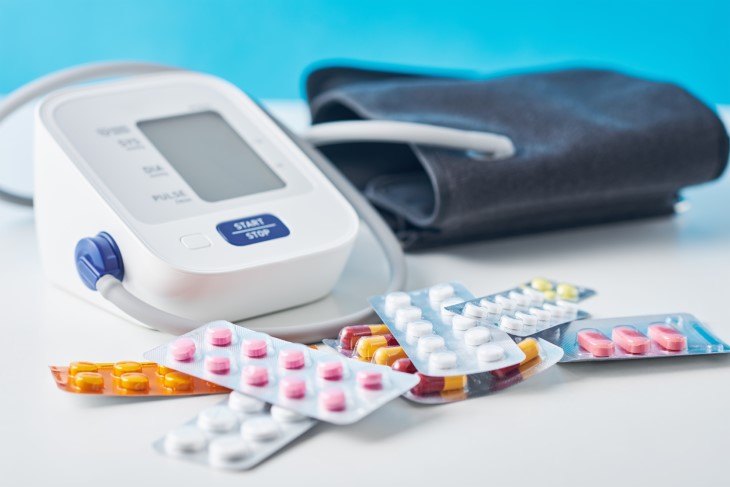
Blood pressure is rarely controlled by a single type of drug, so this is really a family of medications, each with its own personality.
ACE inhibitors such as lisinopril and ramipril are famous for one quirky side effect, a persistent, tickly, dry cough. It is not dangerous, but it can be maddening. The cough comes from a natural chemical that builds up in the airways while on the drug. It can last for as long as you keep taking the medicine and usually fades within days to a few weeks after stopping. These drugs can also raise potassium levels in the blood, which matters more if your kidneys are not at their best or if you use salt substitutes, since many of those are made from potassium. A rarer reaction is sudden swelling of the lips, tongue, or face, which is more common in people of African descent and requires immediate attention.
ARBs such as losartan and valsartan are close cousins that do a similar job with much less coughing, which is often why a doctor switches a patient over. They share the same tendency to raise potassium and can cause lightheadedness if blood pressure drops too low.
Beta blockers such as metoprolol and atenolol commonly cause fatigue, cold hands and feet, and a slower heartbeat. Some people notice vivid dreams or restless sleep. In people with diabetes, beta blockers can quietly mask the early warning signs of low blood sugar, such as a racing heart, so extra attention to glucose levels is wise. These drugs should never be stopped abruptly, because doing so can cause a rebound in heart rate and blood pressure.
Water pills (diuretics) such as hydrochlorothiazide and furosemide do exactly what the nickname suggests, so frequent urination is the obvious effect. Taking them in the morning rather than at night spares your sleep. The bigger concern is what they flush out along with the water, especially potassium and sodium, which can leave you feeling weak, dizzy, or crampy. Some diuretics raise uric acid and can trigger a gout attack in those prone to it, and they can nudge blood sugar upward. Certain ones also make the skin more sensitive to sunlight, so sunscreen matters.
Calcium channel blockers such as amlodipine often cause swelling in the ankles and lower legs, along with flushing, headache, and sometimes constipation. The swelling is usually related to the dose and tends to improve if the dose is lowered. Grapefruit interacts with several drugs in this group too.
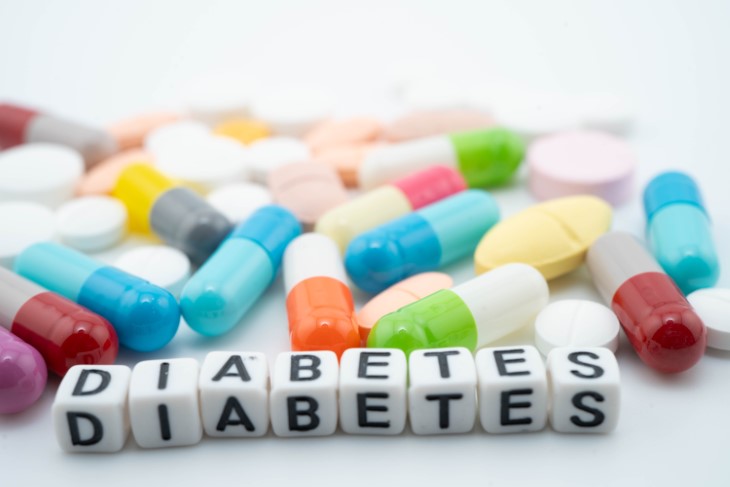
Metformin is the standard starting medicine for type 2 diabetes, and its main drawback is digestive. Nausea, diarrhea, stomach cramps, and a metallic taste in the mouth are common in the first weeks. The encouraging part is that these symptoms usually settle down as the body adjusts, and they can be eased considerably by taking the pill with food or by switching to the extended-release version. Over many years, metformin can lower vitamin B12 levels, so periodic checks are sensible, especially if you notice tingling or unusual fatigue. Alcohol should be kept moderate, since heavy drinking combined with metformin raises the risk of a rare but serious condition involving acid buildup in the blood.
Sulfonylureas such as glipizide and glyburide work by pushing the body to release more insulin, and their signature risk is low blood sugar, particularly if you skip a meal, eat less than usual, or exercise more than planned. They can also cause modest weight gain. Eating regular meals is the simplest protection.
The over the counter anti-inflammatory drugs we reach for so casually, ibuprofen and naproxen among them, deserve respect. Their most common problems are stomach related, ranging from mild upset to ulcers and, in more serious cases, bleeding in the digestive tract. They can also raise blood pressure, cause fluid retention, and stress the kidneys, all of which matter more as we get older or if kidney function is already reduced.
Taking these with food cushions the stomach somewhat. Alcohol makes stomach bleeding more likely, so the two are a poor pairing. Because the kidney and blood pressure effects accumulate, these are not ideal for everyday long term use in older adults without a doctor's guidance. The discomfort from a single dose passes within hours, but the risks build with repeated use.
Opioid pain medicines, when prescribed, bring their own reliable side effects. Constipation is almost universal and, unlike many side effects, it does not fade with time, so it usually needs to be managed directly with diet, fluids, and sometimes a stool softener. Drowsiness and nausea are common early on and often ease within days.
Drugs like omeprazole and esomeprazole are very effective at calming heartburn and reflux, and for short term use they cause few problems. The questions arise with long term daily use stretching over months and years. Extended use has been linked to lower levels of vitamin B12 and magnesium, a somewhat higher risk of bone fractures, and a greater chance of certain intestinal infections. None of this means the drugs are bad, only that they are best used at the lowest effective dose for the time you actually need them.
One practical wrinkle is that stopping these abruptly after long use can cause a temporary surge of acid that feels worse than the original heartburn. Tapering down gradually under guidance avoids that rebound.
The most commonly prescribed antidepressants today, the SSRIs such as sertraline, escitalopram, and fluoxetine, follow a fairly typical pattern. In the first week or two, many people feel some nausea, jitteriness, headache, or changes in sleep. These early effects usually fade as the body adapts, which is helpful to know because the medicine itself often takes several weeks to lift mood, and giving up too soon means quitting before the benefit arrives.
Some side effects are more persistent, particularly changes in sexual function, which tend to stick around as long as the drug is taken. In older adults specifically, these medicines can occasionally lower blood sodium levels, leading to confusion, weakness, or unsteadiness, and they can slightly increase the tendency to bruise or bleed, especially when combined with the anti-inflammatory pain relievers mentioned earlier. Like beta blockers, antidepressants should be tapered rather than stopped suddenly, since an abrupt halt can cause dizziness, flu like feelings, and electric shock sensations known as discontinuation symptoms.
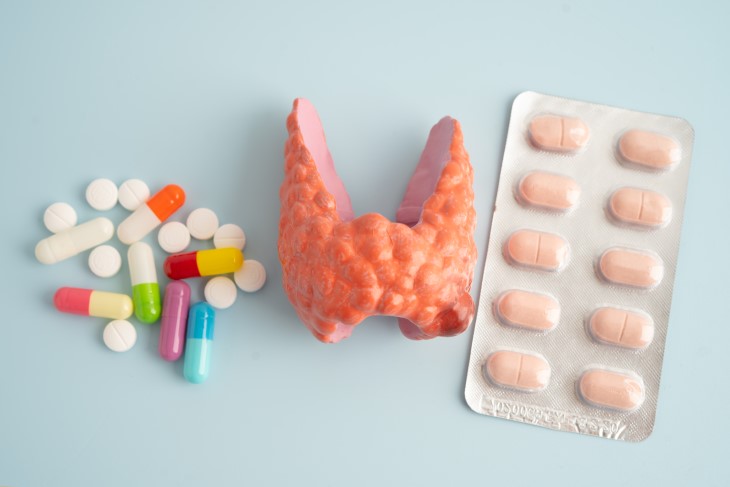
Levothyroxine, which replaces a missing thyroid hormone, is a little different from the others on this list. When taken at the correct dose it should produce no side effects at all, because it is simply restoring something the body lacks. Symptoms usually signal that the dose is off. Too much can cause a racing heart, anxiety, trouble sleeping, and unintended weight loss, while too little leaves the original sluggishness, weight gain, and cold sensitivity in place.
What makes this medicine unusual is how fussy it is about timing and food. It is best taken on an empty stomach, typically thirty to sixty minutes before breakfast, because calcium supplements, iron, soy, coffee, and even a hearty meal can block its absorption. Keeping a consistent routine matters more here than with almost any other drug.
Anticoagulants prevent dangerous clots, and their built in trade off is a greater tendency to bleed and bruise. The classic example is warfarin, which has a famous relationship with food. Leafy green vegetables rich in vitamin K, such as spinach, kale, and broccoli, work against warfarin, so the goal is not to avoid them but to eat them consistently from week to week, since it is sudden changes that throw the medicine off balance. Warfarin also interacts with a long list of other drugs and even some supplements.
The newer blood thinners such as apixaban and rivaroxaban are easier to live with, with far fewer food interactions and no need for routine blood monitoring. With any blood thinner, alcohol in excess and the anti-inflammatory pain relievers both raise bleeding risk, so they call for caution.

The older antihistamines, with diphenhydramine being the most familiar, are worth singling out for readers over fifty. Beyond the expected drowsiness, they tend to cause dry mouth, constipation, difficulty urinating, and, in older adults especially, confusion and a higher risk of falls. Because the body becomes more sensitive to these effects with age, newer non drowsy allergy medicines are generally a safer choice.
Prescription sleep aids and the anti-anxiety drugs in the benzodiazepine family, such as lorazepam and diazepam, share similar concerns. They can cause next day grogginess, unsteadiness, memory lapses, and an increased risk of falls, and the body can become dependent on them over time. Combining them with alcohol is genuinely dangerous, since both slow breathing and sedation. These are best used briefly rather than as a long term solution.
A few themes run through nearly every class of medication. Many side effects are worst at the start and improve as your body adjusts, so the first few weeks are often the hardest. Timing matters more than most people realize, whether it is taking a water pill in the morning, a thyroid pill before breakfast, or an anti-inflammatory with food. Grapefruit, alcohol, and certain everyday foods crop up again and again as factors that amplify side effects. And our genes, our kidneys, and our age all shape how we each respond, which is why two people on the identical dose can have completely different experiences.
The single most useful habit you can build is keeping an up to date list of everything you take, including vitamins and supplements, and reviewing it with your pharmacist or doctor at least once a year. Pharmacists in particular are an underused resource and are usually happy to talk through interactions and timing for free.
Side effects are real, but they are also a conversation, not a verdict. Most can be eased by adjusting the dose, changing the timing, switching to a relative within the same drug family, or simply waiting out the early adjustment period. The aim is never to fear your medicine, but to understand it well enough to get its full benefit with as little bother as possible. When something does not feel right, the answer is rarely to quietly stop taking it. The answer is to pick up the phone and ask.