
Your Hands Are Trying to Tell You Something: How to Heal Dry, Cracked Skin for Good
If your hands have been feeling rough, tight, or uncomfortably dry lately, you're in very good company. Dry hands are one of the most common skin complaints — and one of the most overlooked. We tend to push through the discomfort, maybe swipe on a little lotion when things get really bad, and move on. But there's actually quite a bit you can do to get lasting relief, and it starts with understanding what's behind the dryness in the first place.
What's Causing It?
Most of the time, dry hands come down to one of three things: the environment, your daily habits, or an underlying skin condition.
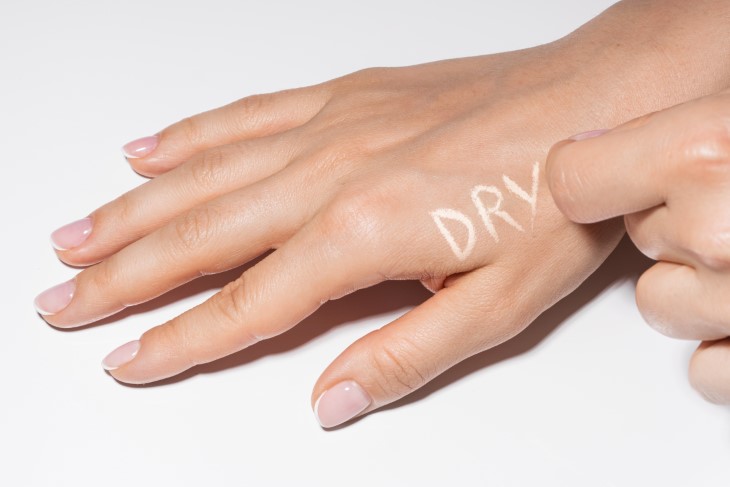
Cold weather is one of the biggest culprits. When temperatures drop, the air loses much of its moisture — and that dry air pulls moisture right out of your skin. If your hands tend to get worse every winter, that's almost certainly why.
Frequent handwashing is another major factor, especially for people who work in healthcare, food service, education, or any field that requires washing up many times a day. Water — paradoxically — strips the skin of its natural protective oils over time, leaving hands dry and vulnerable. The same goes for exposure to cleaning products, chemicals, or other harsh substances.
And then there are medical conditions. Eczema and psoriasis are both known to cause dry, inflamed, peeling skin on the hands. People with diabetes or autoimmune conditions like lupus may also be more prone to dryness, since reduced circulation to the hands makes the skin more easily irritated.
10 Ways to Bring Relief
The good news is that most cases of dry hands respond well to home care. Here's what actually works:
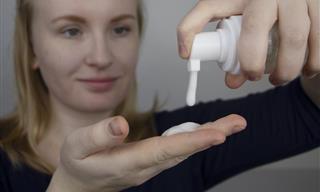
1. Moisturize — and do it consistently. A good lotion or cream applied several times a day makes a real difference. Look for products that contain glycerin, shea butter, jojoba oil, or aloe vera. These ingredients don't just sit on the surface — they actively help draw moisture into the skin and hold it there.
2. Protect your hands from water. If you're washing dishes or cleaning with water regularly, wear rubber gloves. Prolonged exposure to water is surprisingly harsh on skin, and a simple pair of gloves can make a noticeable difference over time.
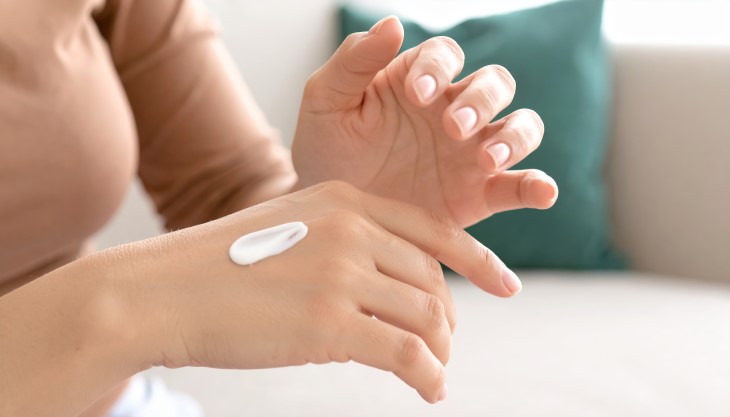
3. Try the overnight trick. This is one of the most effective remedies out there. Before bed, apply a generous layer of lotion — or a petroleum-based moisturizer like Vaseline — to your hands, then slip on a pair of lightweight cotton gloves or socks. The covering traps the moisture and allows it to absorb deeply overnight. By morning, your hands will feel dramatically softer.
4. Look into UV therapy for severe psoriasis. In cases of serious psoriasis on the hands, ultraviolet light therapy is sometimes used to help the skin heal. This is a medical treatment and should only be pursued under a doctor's guidance, but it's a legitimate option for those who haven't found relief through other means.
5. Try a heavy-duty moisturizer. For seriously cracked or dry skin, standard lotions sometimes aren't enough. Products originally designed for animals — like Bag Balm, which was created to heal the cracked skin of cow udders — have become popular among people with very dry hands because of how deeply they penetrate and protect. It sounds unusual, but the results speak for themselves.
6. Use hydrocortisone cream for inflamed skin. When dry skin tips into redness, swelling, or irritation — a condition called dermatitis — a lotion containing hydrocortisone can help calm things down. It's available over the counter and is particularly helpful for soothing skin that's become reactive or inflamed.
7. Keep lotion within reach at work. If your job requires frequent handwashing or exposure to irritants, carry a small bottle of lotion with you and reapply throughout the day. It only takes a moment, and staying ahead of the dryness is much easier than trying to reverse it once it's set in. If your workplace doesn't have lotion dispensers available, it's worth asking about adding them — many employers in healthcare and food service are open to it.
8. Avoid excessive heat. Just as cold air dries out skin, hot air does too. Hot water and electric hand dryers can both strip moisture from your skin faster than you might expect. Where possible, wash with lukewarm water and pat dry gently with a soft towel.
9. Ask your doctor about prescription creams. For persistently dry or scaly skin that isn't responding to over-the-counter options, a doctor can prescribe creams containing lactic acid or urea, which help gently remove dry, flaky skin and encourage healing. These are considerably more powerful than standard lotions and can make a big difference when regular products fall short.

10. Manage stress if eczema is involved. This one surprises a lot of people, but stress is a well-known trigger for eczema flare-ups. If your skin tends to worsen during difficult periods, that's not a coincidence. Building some stress-reduction practices into your routine — whether that's a daily walk, meditation, or simply more rest — can help keep symptoms in check.
When to See a Doctor
Most dry hands improve with consistent home care, but there are a few signs that it's time to get professional help. If you notice skin discoloration, bleeding, extreme redness, swelling, or any drainage from cracked areas, don't wait it out — those can indicate an infection or a more serious underlying condition. Similarly, if your hands simply aren't improving despite trying the remedies above, a dermatologist can help identify what's going on and recommend a more targeted treatment plan.
The Bottom Line
Dry hands are common, uncomfortable, and — most importantly — very treatable. A little consistency goes a long way. Moisturize regularly, protect your skin from water and harsh conditions, and pay attention to what triggers flare-ups. Your hands work hard for you every single day. It's more than worth taking a few extra minutes to take care of them.