
A few years ago, researchers have discovered a gene that could revolutionize how we diagnose Alzheimer's disease - and they found it by asking a simple question: Why do some people's brains succumb to the disease while others don't?
Alzheimer's disease is the leading cause of dementia in the elderly population, and its prevalence is rising steadily as life expectancy increases. Currently, nearly 7 million Americans are living with Alzheimer's, and this number is projected to nearly double to 13 million by 2050. Worldwide, the disease affects millions more, causing immeasurable suffering to patients and their families.
Despite decades of intensive research by scientists around the globe, we still lack effective early diagnostic tools or treatments for Alzheimer's. By the time symptoms appear and a diagnosis is made, significant brain damage has already occurred - damage that cannot be reversed. This is why the recent discovery of a potential early detection marker is generating so much excitement in the medical community.
For years, scientists have focused on amyloid-beta protein as the hallmark of Alzheimer's disease. This protein forms sticky plaques in the brains of people with the disease, disrupting normal brain function. But here's where things get puzzling: recent research has cast doubt on amyloid-beta as the definitive marker of Alzheimer's, because it turns out that this protein also accumulates in healthy brains as people age.

This discovery led researchers to propose a new hypothesis: perhaps some people are simply more sensitive to the accumulation of amyloid-beta, making them more susceptible to developing Alzheimer's when their aging brains start accumulating these protein deposits. If true, this could explain why some elderly people with amyloid plaques in their brains never develop dementia, while others with similar plaque levels experience severe cognitive decline.
To test this hypothesis, an international research team took an innovative approach. They collected blood cell samples from 28 healthy individuals and exposed these cells to amyloid-beta protein in the laboratory. The results were striking: the blood cells from some participants showed high sensitivity to the protein (evidenced by inhibited cell growth), while others showed low sensitivity.
This confirmed the researchers' suspicion - there were indeed two distinct groups. But what was causing this difference?
Using cutting-edge genome-wide screening technology, the research team searched for specific differences between the amyloid-sensitive blood cells and those that were resistant. To their surprise, they discovered a clear distinguishing feature that had never before been linked to Alzheimer's disease: a gene called RGS2 (Regulator of G-protein Signaling 2).
The RGS2 gene has been known to science for many years as responsible for shutting off signals transmitted between nerve cells - a crucial function for proper brain communication. But until now, no one had connected it to Alzheimer's disease. The researchers found that this gene was present at significantly lower levels in blood cells that were sensitive to amyloid-beta, compared to cells that were less sensitive.

The next step was critical: Did this finding apply to actual Alzheimer's patients? The answer was a resounding yes. When the researchers tested blood cells taken from people with Alzheimer's disease, they found that these cells also had characteristically low levels of the RGS2 gene compared to blood cells from healthy volunteers of the same age group.
But the team didn't stop there. To verify their findings from multiple angles, they turned to existing databases of gene expression in Alzheimer's patients - both blood samples and brain tissue taken from patients after death. Using advanced data mining methods, they extracted and analyzed this information. The data confirmed their laboratory results: RGS2 expression was indeed lower in both the blood and brain tissue of Alzheimer's patients compared to healthy individuals.

Perhaps the most exciting finding came when the researchers examined blood samples from people in the earliest stages of the disease - a condition known as Mild Cognitive Impairment (MCI). This is the stage where people experience subtle memory problems but can still function independently. What they discovered was remarkable: the significant decrease in RGS2 expression was already noticeable in the blood of people at this early stage of the disease.
This is the first time scientists have identified such a clear biological marker that could enable diagnosis of Alzheimer's patients in the early stages - and possibly even distinguish them from people experiencing cognitive decline for other reasons. And all of this could potentially be done through a simple blood test.
So what exactly does RGS2 do in the brain, and why does its reduction matter? RGS2 is involved in neuronal plasticity and synaptic signaling - essentially, it helps regulate how brain cells communicate with each other and adapt to new information. The gene is highly expressed in multiple brain regions including the cortex, hippocampus (critical for memory formation), and other areas involved in learning and cognition.
When RGS2 levels are low, this crucial regulatory system becomes impaired. Studies in mice lacking the RGS2 gene have shown that their brain neurons exhibit weaker connectivity and altered activity patterns. This suggests that adequate RGS2 expression is essential for maintaining healthy brain function and that its reduction could make the brain more vulnerable to the toxic effects of amyloid-beta accumulation.
The discovery of RGS2 as a potential biomarker comes at a pivotal time in Alzheimer's research. The field has been intensely focused on developing blood-based tests that can detect the disease early, when interventions might still be effective. Currently, detecting amyloid plaques requires either expensive and time-consuming PET brain scans or invasive spinal taps to collect cerebrospinal fluid - neither of which is practical for widespread screening.
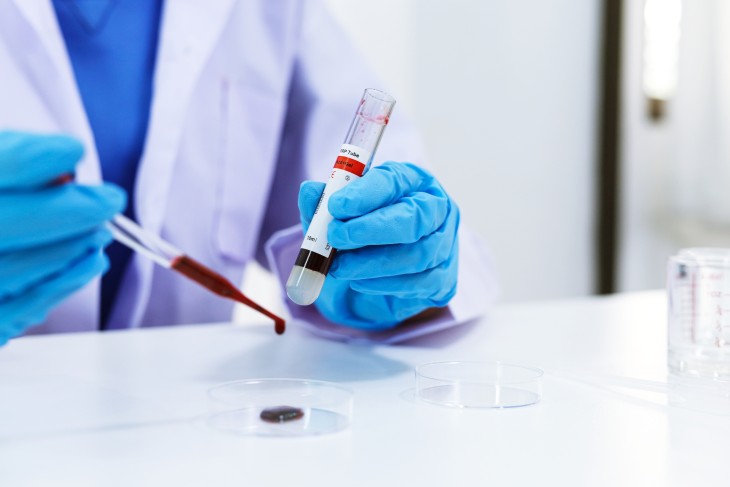
In 2025, the FDA approved the first blood test for Alzheimer's detection, which measures phosphorylated tau protein and beta-amyloid ratios in blood plasma. This test can identify patients with more than 90% accuracy when levels are above a certain threshold. Other blood tests measuring different biomarkers are in development, with some showing the ability to detect toxic protein aggregates even before cognitive symptoms appear - potentially more than a decade before a traditional diagnosis would be possible.
The RGS2 discovery adds another potential tool to this diagnostic arsenal. Research published in 2021 confirmed that RGS2 levels are indeed reduced in the peripheral blood of patients with Mild Cognitive Impairment, and that these levels continue to decrease as the disease progresses - even in patients receiving standard treatment. This suggests that RGS2 could serve not only as a diagnostic marker but also as a way to monitor disease progression and treatment effectiveness.
The urgency for early detection has intensified with the recent approval of disease-modifying treatments for Alzheimer's. These new medications can slow cognitive decline, but they work best when started early in the disease process - before extensive brain damage has occurred. Having accurate, accessible blood tests would allow doctors to identify patients who could benefit from these treatments much sooner than is currently possible.
Early detection also provides other crucial benefits. It gives patients and families time to plan for the future, make important legal and financial decisions while the patient can still participate, and potentially make lifestyle changes that might slow disease progression. Studies have shown that factors like regular exercise, a healthy diet, social engagement, and cognitive stimulation can help maintain brain health, but these interventions are most effective when started early.
Importantly, researchers emphasize that RGS2 should be considered as part of a panel of multiple biomarkers rather than a standalone diagnostic test. Alzheimer's is a complex disease with multiple contributing factors, and no single marker tells the whole story. The initial research found that along with RGS2, another gene called DLGAP1 (involved in synaptic structure) also showed reduced expression in Alzheimer's patients.

The most accurate diagnostic approach will likely combine several blood biomarkers - potentially including RGS2, phosphorylated tau proteins, amyloid ratios, neurofilament light chain (a marker of neuronal damage), and glial fibrillary acidic protein (indicating inflammation) - along with cognitive testing and medical history. This comprehensive approach would maximize both diagnostic accuracy and our ability to detect the disease at its earliest stages.
The research team behind the RGS2 discovery emphasizes that much work remains before this finding can be translated into a clinical test available in doctors' offices. Large-scale validation studies need to be conducted in diverse populations to confirm the findings and establish standardized testing protocols. Researchers must also determine the optimal cutoff values that distinguish normal from abnormal RGS2 levels, accounting for natural variations in different populations.
However, the advantage of blood-based tests like RGS2 is that they use equipment and techniques already common in many laboratories. Unlike specialized PET scanners or complex cerebrospinal fluid analysis, measuring gene expression in blood samples is a well-established procedure. This means that once validated, RGS2 testing could be implemented relatively quickly and affordably compared to other diagnostic methods.
Beyond diagnosis, the RGS2 discovery opens up exciting new possibilities for treatment. If low RGS2 levels make people more susceptible to Alzheimer's, could boosting these levels protect against the disease? This is a question researchers are now exploring. The gene's role as a regulator of G-protein-coupled receptor signaling and its involvement in neuronal plasticity make it an intriguing therapeutic target.
Interestingly, RGS2 has also been linked to other neurological and psychiatric conditions, including anxiety disorders and post-traumatic stress disorder, suggesting its importance in overall brain health. Understanding how to maintain or restore healthy RGS2 function could potentially benefit multiple conditions beyond Alzheimer's.
The discovery represents a significant shift in how researchers approach Alzheimer's disease. Rather than focusing solely on the proteins that accumulate in diseased brains, this research asks why some people's brains are more vulnerable to these accumulations than others. This question has led to identifying protective or susceptibility factors that could be measured in blood - a much more accessible tissue than brain samples.
The research team believes their discovery has the potential to be a true breakthrough that will change the direction of thinking and action for Alzheimer's researchers worldwide. "We believe it has significant potential for developing future diagnostic tools and even a new type of drug for Alzheimer's disease, which causes immense suffering to millions around the world," the researchers concluded.
As the global population continues to age, the need for effective Alzheimer's diagnosis and treatment becomes more urgent every year. The race is on to develop simple, affordable screening tests that can identify at-risk individuals before symptoms appear. The RGS2 discovery, combined with other emerging blood biomarkers, brings us closer to a future where Alzheimer's could be detected and treated early - perhaps even prevented entirely.
Nearly 4 in 5 Americans say they would want to know if they had Alzheimer's disease before it impacted their lives, and 91% would want to take a simple test if it were available. The main reason? Access to early treatment and care. With discoveries like RGS2, we're moving toward making that simple test a reality.
While we're not there yet, each breakthrough brings us one step closer to a world where Alzheimer's disease can be caught early, monitored effectively, and hopefully, stopped in its tracks before it robs people of their memories, their independence, and their lives.
The original research on RGS2 and Alzheimer's disease was published in the journal Translational Psychiatry in 2016, with follow-up validation studies continuing through 2021. The study involved an international collaboration of researchers who used innovative genome-wide screening combined with data mining from existing patient databases to make this important discovery.