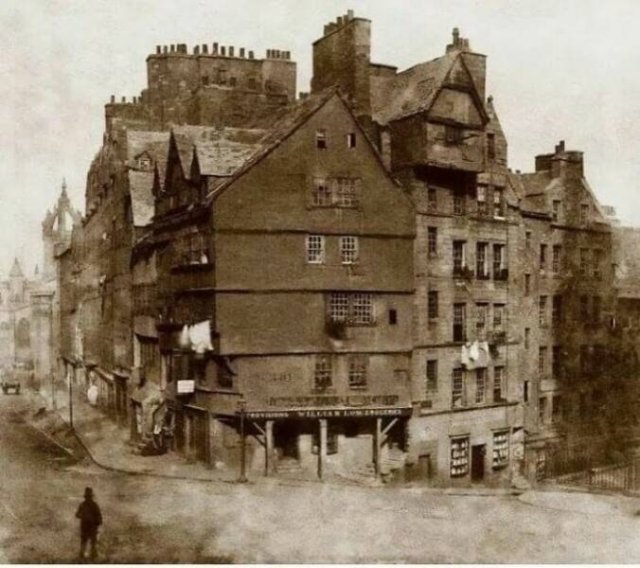
The Bowhead House, Edinburgh, Scotland
Constructed during the mid-1500s, this remarkable structure stood for over three centuries at the head of West Bow, serving as the main entrance to Edinburgh from the west. The tenement was strategically positioned where the zigzag road climbed steeply from the Grassmarket to the Lawnmarket and the Castle. Known locally as "Old Bowhead" or "Bow Head House," this wooden-fronted building represented one of the finest examples of 16th-century Scottish architecture. The building housed various notable occupants, including the Thomas Nelson bookshop and publishing company. Despite surviving major road layout changes in 1829 when Victoria Street was established, cutting across the former West Bow, the Bowhead House stood firm until its demolition between 1878-1879. Many locals mourned its loss, having regarded it as one of the most distinctive relics of old Edinburgh.
The Zwinger Pavilion, Dresden, Germany
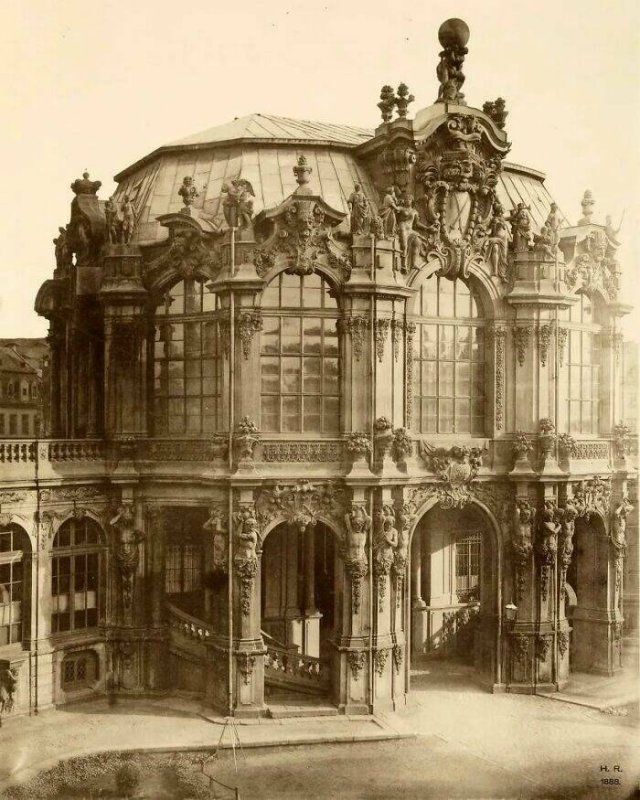
This magnificent baroque pavilion represents one of Dresden's most celebrated architectural achievements and is considered among the finest examples of Baroque architecture in Europe. Commissioned by Augustus II (Augustus the Strong), King of Poland and Elector of Saxony, the Zwinger complex was designed by architect Matthäus Daniel Pöppelmann in collaboration with sculptor Balthasar Permoser. Construction began in 1709, with the Long Gallery completed in 1712 and the famous Crown Gate finished in 1714. The complex was officially inaugurated in 1719 for the wedding of Frederick Augustus to Maria Josepha. The name "Zwinger" refers to the space between concentric rings of city fortifications. Originally intended as a venue for court festivities, tournaments, and royal celebrations, the Zwinger included six large pavilions connected by ornate galleries encircling a courtyard. The complex houses world-renowned museums including the Old Masters Picture Gallery, the Dresden Porcelain Collection, and the Royal Cabinet of Mathematical and Physical Instruments. Though heavily damaged during World War II, it was meticulously reconstructed in its original style.
The Main Portal Of The Capelas Imperfeitas In The Monastery Of Batalha, Portugal
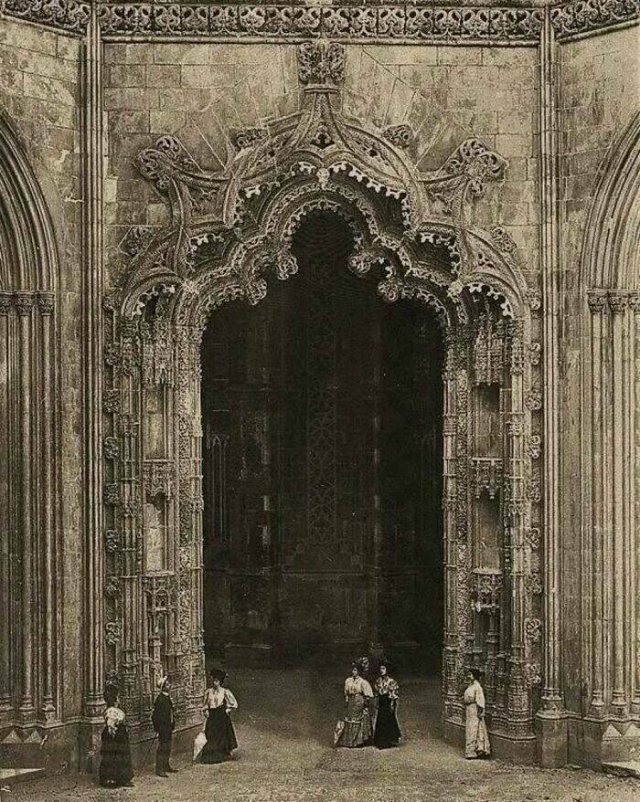
These magnificent "Unfinished Chapels" represent one of the most striking examples of Manueline architecture in Portugal. Originally commissioned by King Duarte I (King Edward) in 1435 as a royal pantheon for him and his family, the chapels were intended to be the second royal burial site within the monastery complex. The ornate doorway was completed in 1509, featuring elaborate Manueline stone carving that transforms the entrance into a masterpiece of decorative art. However, construction of the monastery was halted in 1516 due to the premature death of King Duarte in 1438 and subsequent political changes, leaving the chapels perpetually unfinished and open to the sky. The octagonal structure with seven surrounding chapels stands as a testament to architectural ambition, with massive pillars indicating the grand scale of the original vision. The Royal motto is carved into the portal, and the space serves as both an architectural wonder and a poignant reminder of mortality and the passage of time. Despite being incomplete, the Capelas Imperfeitas are considered an architectural masterpiece and attract visitors worldwide.
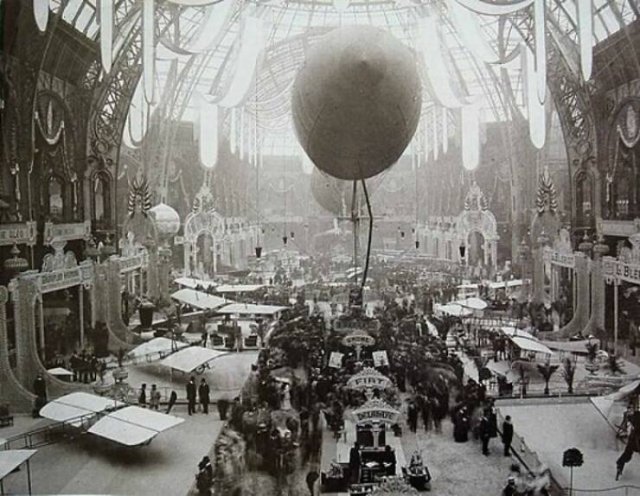
Scenes From The 1909 Paris Airshow In The Grand Palais
The Grand Palais served as the spectacular venue for early aviation exhibitions during the pioneering age of flight. Built for the 1900 Exposition Universelle, this iron and glass architectural marvel with its massive skylights provided the perfect setting to showcase humanity's conquest of the skies. The 1909 airshow represented a pivotal moment in aviation history, displaying the latest flying machines and innovations that would soon transform warfare and transportation forever.
The Palace Of Electricity, Exposition Universelle
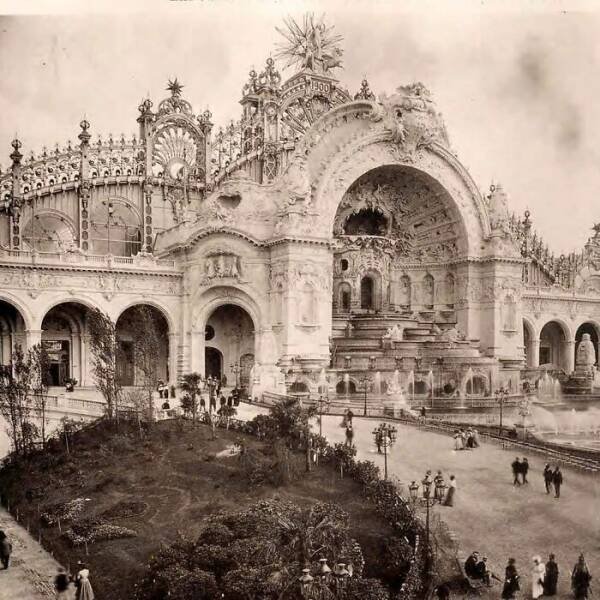
Erected in 1900 for the Paris World's Fair, this architectural marvel was designed by Eugène Hénard and stood as a symbol of the new electrical age. The Palace was enormous, measuring 420 metres long and 60 metres wide, with its form suggesting a giant peacock spreading its tail. The façade was covered with thin stained glass and intricate ceramic decoration, crowned by a chariot drawn by hippogriffs spewing showers of multi-colored flames. Behind the glorious façade lay a massive power station with steam generators that provided electricity for the entire exposition, requiring an astounding 440,000 pounds of oil per hour to operate. The Palace featured 5,000 multi-colored incandescent lights that illuminated the night, making it a glowing beacon and the heart of the fair. A gigantic water fountain designed by Edmond Paulin faced the Palace, circulating 26,000 gallons per minute and was brilliantly illuminated at night with continuously changing colored lights. This temporary marvel, built partly using architectural elements from the 1889 Exposition, was demolished after the fair's conclusion, leaving only photographs to remember this tribute to the electrical revolution.
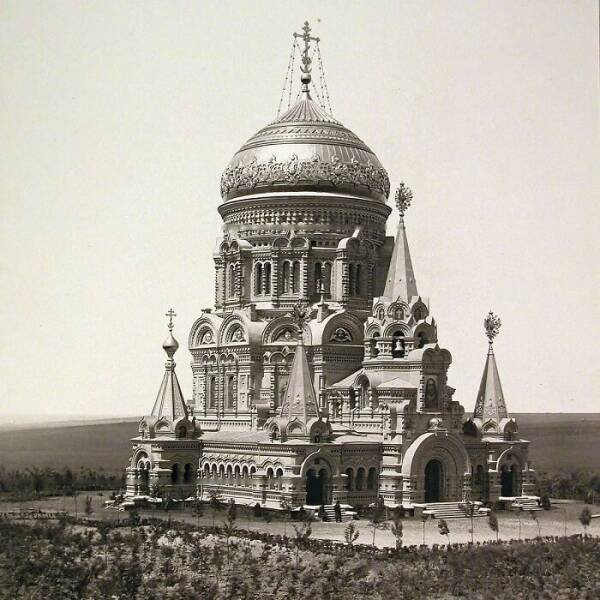
Christ The Savior Cathedral In Borki
Constructed between 1888-1891, this sacred neo-Byzantine cathedral was part of a comprehensive memorial complex commissioned by Alexander III to commemorate his family's miraculous survival of a devastating train derailment at this very location in 1888. The cathedral served both as a place of worship and a monument to divine providence, featuring traditional Russian Orthodox architecture with its distinctive onion domes and rich iconographic decoration. The memorial complex represented the deep religious faith of the Imperial family and their gratitude for being spared in what could have been a catastrophic accident.
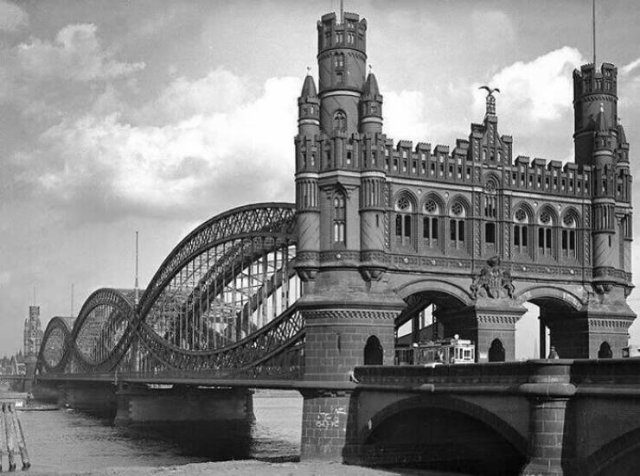
The Original Neue Elbbrücke Bridge, Hamburg, Germany
Completed in 1887, this impressive bridge featured distinctive neo-Gothic towers that became an integral part of Hamburg's skyline for over seven decades. The bridge served as a crucial crossing point over the Elbe River, connecting different parts of the growing industrial city. However, the original towers were demolished in 1959 during the bridge's expansion to accommodate increased traffic demands of the post-war economic boom, representing the ongoing tension between historical preservation and modern development needs.
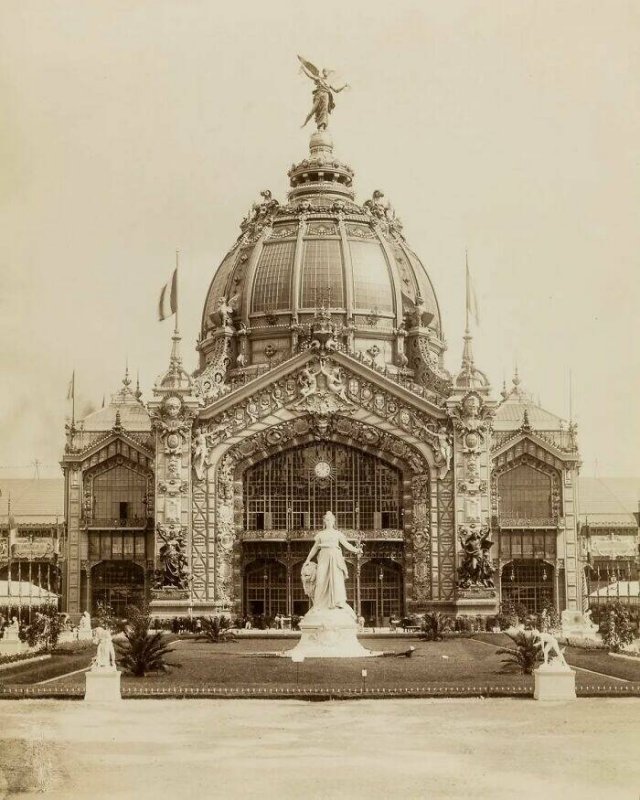
Central Dome, 1889 Exposition Universelle, Paris
This magnificent temporary dome was constructed specifically for the 1889 World's Fair, serving as one of the architectural highlights of the exposition that also featured the newly completed Eiffel Tower. The dome represented the pinnacle of 19th-century engineering and decorative arts, showcasing France's technological prowess and artistic achievement. Like most exposition buildings, it was constructed using temporary materials and dismantled soon after the fair's conclusion, existing only in photographs and memories as a testament to the grand ambitions of the Belle Époque era.
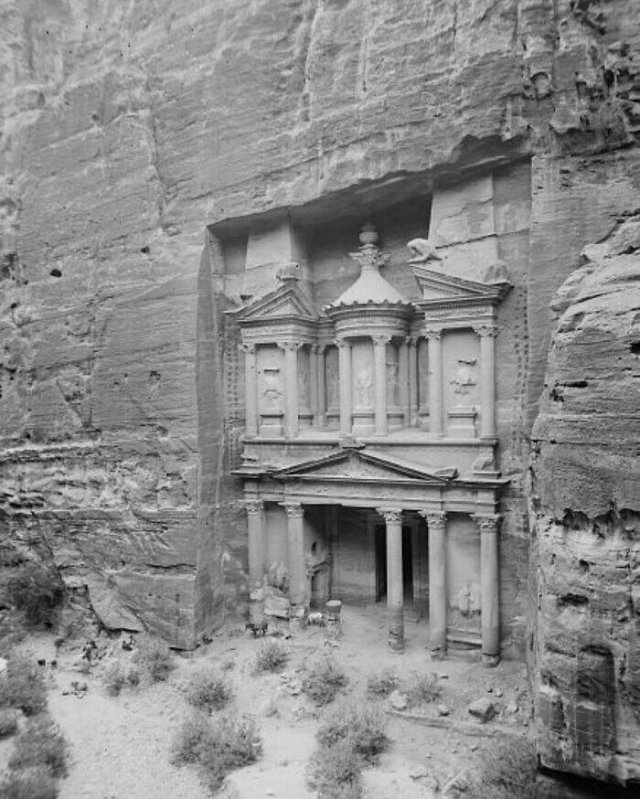
Al-Khazneh, Petra, Jordan
This stunning facade, known as "The Treasury," is believed to have been carved directly into the rose-red sandstone cliff face during the 1st century AD by the Nabataeans, master traders who controlled the ancient spice routes. Standing 40 meters high and 25 meters wide, this elaborate tomb combines Hellenistic, Egyptian, and Mesopotamian architectural influences, reflecting the cosmopolitan nature of Nabataean culture. The intricate facade features Corinthian columns, ornate friezes, and a distinctive urn crowning the structure, which local Bedouins once believed contained hidden treasure—hence the name "Khazneh," meaning treasury in Arabic.
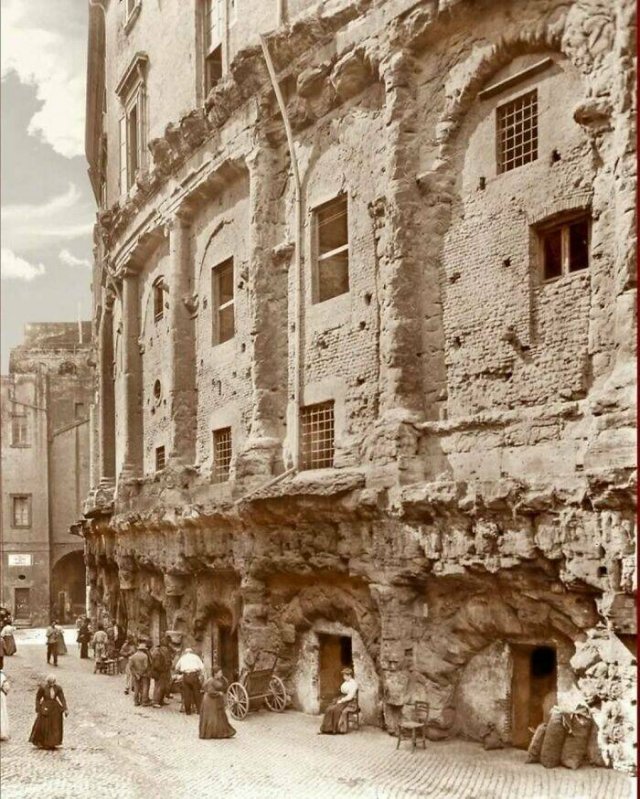
Photographs Of The Theatre Of Marcellus, Rome, Italy
Established in 13 BC by Emperor Augustus and named after his nephew Marcus Claudius Marcellus, this ancient Roman theater originally accommodated up to 20,000 spectators. The structure represents a perfect example of Roman architectural innovation, with its distinctive curved facade and multi-story arched galleries that influenced theater design for centuries. Today, in a remarkable example of adaptive reuse, the upper levels have been converted into luxury residential apartments while the surrounding area serves as an intimate venue for chamber music concerts and cultural events, creating a unique blend of ancient grandeur and modern functionality.
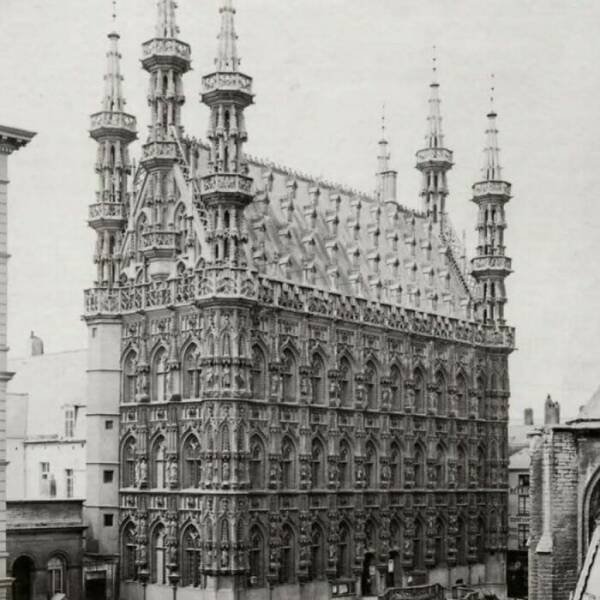
Leuven Town Hall, Belgium
Built between 1448 and 1469, this Gothic masterpiece features 235 sculptural figures adorning its facade, which were added during extensive renovations in the 1800s. The building represents one of the finest examples of Flemish civil Gothic architecture, designed by Mathieu de Layens. Remarkably, this architectural gem survived the devastation that befell Leuven during World War I when much of the city was destroyed, though it suffered damage from bombing during World War II. The wartime damage wasn't fully repaired until 1983, involving painstaking restoration work to maintain its historical integrity. Today, the building serves as an active municipal center and is open for guided tours, allowing visitors to explore its ornate interior halls and learn about its remarkable survival through centuries of conflict.
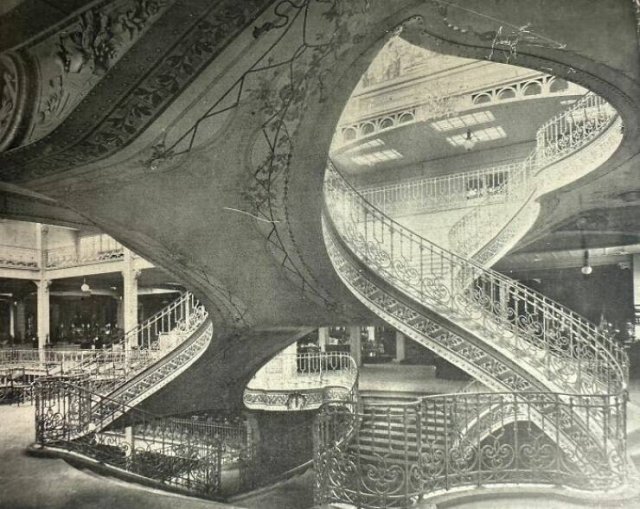
The Grand Magasin Dufayel, Paris, France
Initially opened in 1856 as a furniture store, this establishment underwent multiple dramatic expansions between 1874 and 1913, evolving into one of Europe's most impressive department stores of the early 20th century. The store pioneered innovative retail concepts including installment buying, making luxury goods accessible to the growing middle class. Its elaborate architecture and grand scale reflected the prosperity of the Belle Époque era and the transformation of consumer culture in urban Paris.
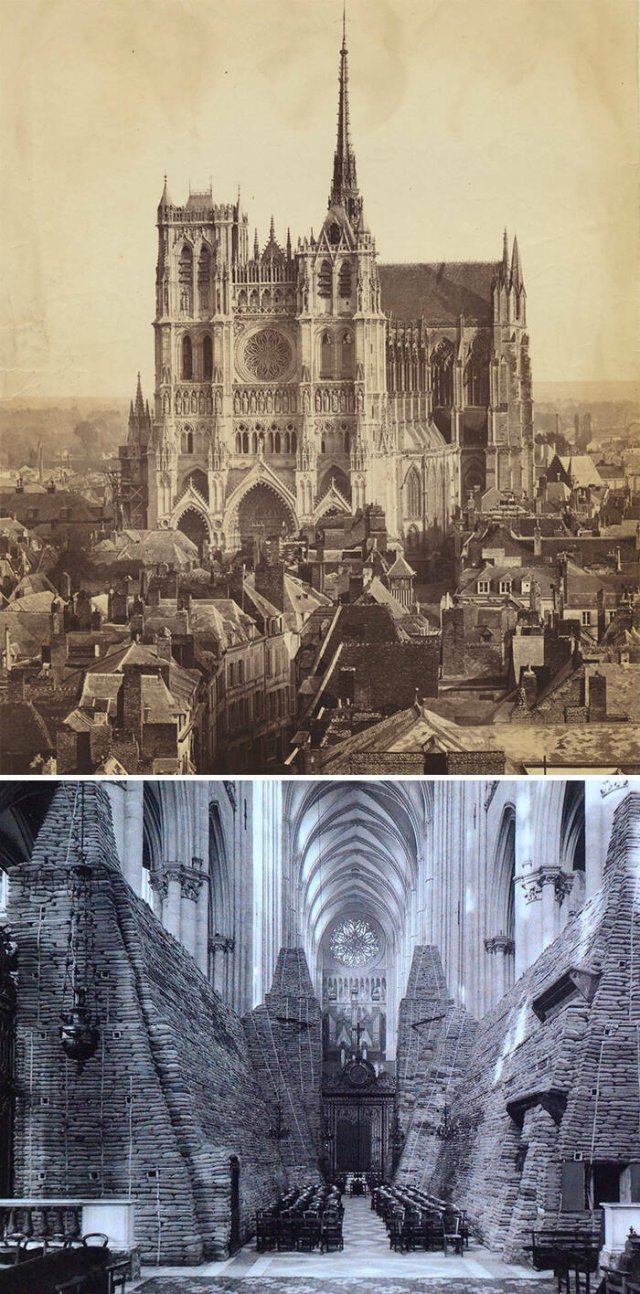
The Notre-Dame Cathedral D'Amiens, France
Completed in 1270, this Gothic masterpiece represents the largest cathedral in France and was designated a UNESCO World Heritage Site in 1981 in recognition of its outstanding universal value. The cathedral showcases the pinnacle of High Gothic architecture with its soaring nave, intricate flying buttresses, and magnificent rose windows. The photograph captures a poignant moment during World War I, showing protective sandbags placed around the building's foundation as French heritage workers took extraordinary measures to protect this architectural treasure from potential bombardment. The cathedral's famous facade sculpture program includes over 3,000 figures and remains one of the most complete examples of medieval stone carving in existence.
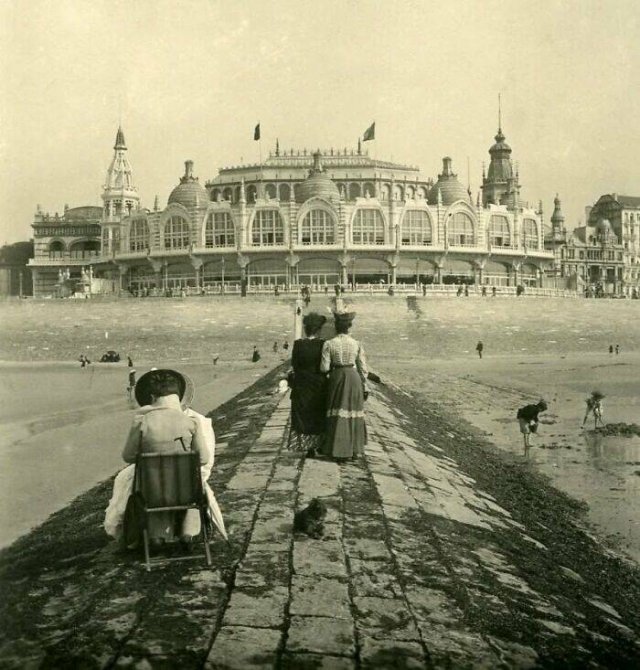
The Casino Kursaal, Ostend, Belgium
Built in 1875 as an elegant theater and entertainment venue for Belgium's premier seaside resort, the original Kursaal was an eclectic, imposing 19th-century building that commanded the approach to Ostend from the sea. This architectural gem served as the social heart of the resort, where affluent tourists from across Europe gathered for dining, entertainment, and cultural events during the Victorian era. The building represented the prosperity and cosmopolitan atmosphere of Ostend's golden age as a fashionable destination. Tragically, the magnificent structure was deliberately demolished by German troops during World War II and replaced with a military bunker. The current modernist Kursaal, designed by architect Léon Stynen and completed in 1950, stands on the same site and incorporates some original cellars, but the ornate original building exists now only in photographs and memories.
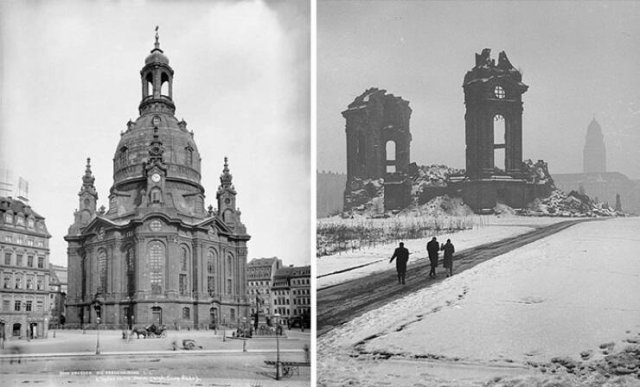
Dresden Frauenkirche, Germany
Built between 1726 and 1743, this baroque Lutheran church was renowned for its massive stone dome and served as an iconic symbol of Dresden's skyline for two centuries. Designed by George Bähr, the church represented a masterpiece of Protestant church architecture and could accommodate up to 3,800 worshippers. The building was completely destroyed on February 13-14, 1945, during the devastating Allied bombing of Dresden, with its dome collapsing and leaving only a pile of rubble. The ruins stood as a war memorial throughout the Communist era until German reunification enabled a remarkable reconstruction project using original stones and plans, completed in 2005.
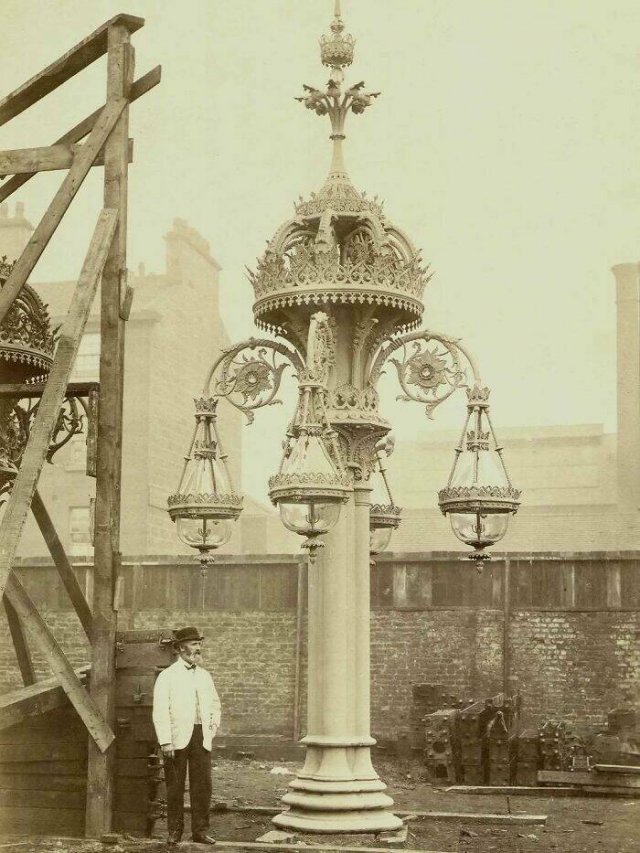
Walter Macfarlane Of Saracen Foundry
This photograph captures Walter Macfarlane, the Scottish industrialist who built one of the world's largest architectural ironwork companies in Victorian Glasgow. The Saracen Foundry, established in 1850, became famous for producing ornate cast-iron architectural elements that were exported globally, from bandstands and drinking fountains to entire building facades. Macfarlane poses beside one of his company's street lamps, representing the thousands of decorative iron pieces that adorned cities across the British Empire and beyond, showcasing the artistry and technical skill of Scottish craftsmanship during the Industrial Revolution.
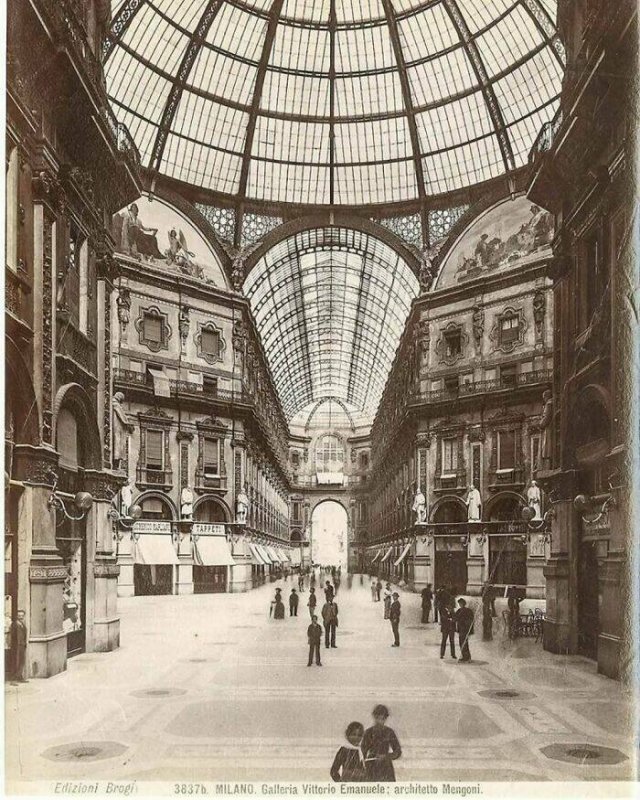
Galleria Vittorio Emanuele II, Milan, Italy
Conceived by Giuseppe Mengoni in 1861 and constructed between 1865 and 1877, this magnificent glass-roofed shopping arcade remains one of the world's oldest and most elegant shopping malls. Named after Victor Emmanuel II, the first king of unified Italy, the galleria features a stunning glass and iron barrel-vaulted roof that spans 196 meters. The octagonal center is crowned with a glass dome 47 meters high, creating a spectacular interplay of light and space. The floor features intricate mosaics representing the coats of arms of Italian cities, and the arcade continues to house luxury shops, historic cafes, and restaurants, maintaining its status as Milan's premier social and commercial destination.
Ulm Minster, Germany
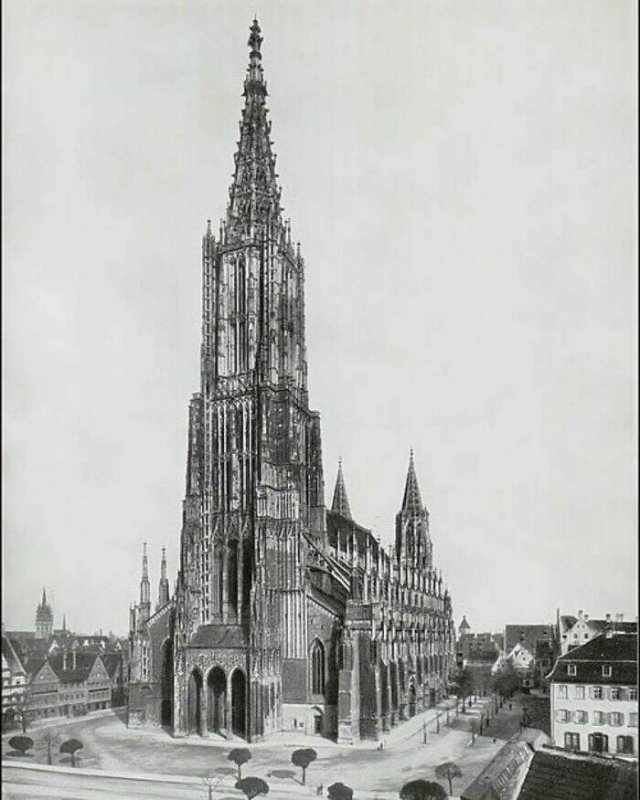
Completed in 1890 after 613 years of construction, this Gothic Lutheran church holds the distinction of being the world's tallest church, with its spire reaching 161.53 meters (530 feet). Construction began in 1377 when the citizens of Ulm decided to finance the project themselves, knowing they would never live to see its completion. The church was originally designed as a Roman Catholic church but became Lutheran during the Reformation in 1530. Work halted in 1543 due to structural problems and economic decline, leaving the building incomplete at 100 meters. Construction resumed in 1844, taking advantage of centuries of engineering advances, with the final stone laid on May 31, 1890. From 1890 to 1894, it held the record as the world's tallest building, surpassing Cologne Cathedral before being overtaken by Philadelphia City Hall. The church survived World War II virtually undamaged despite devastating air raids that destroyed 80% of Ulm's medieval center. Today, visitors can climb 768 steps to reach the top, offering panoramic views that, on clear days, extend to the Alps.
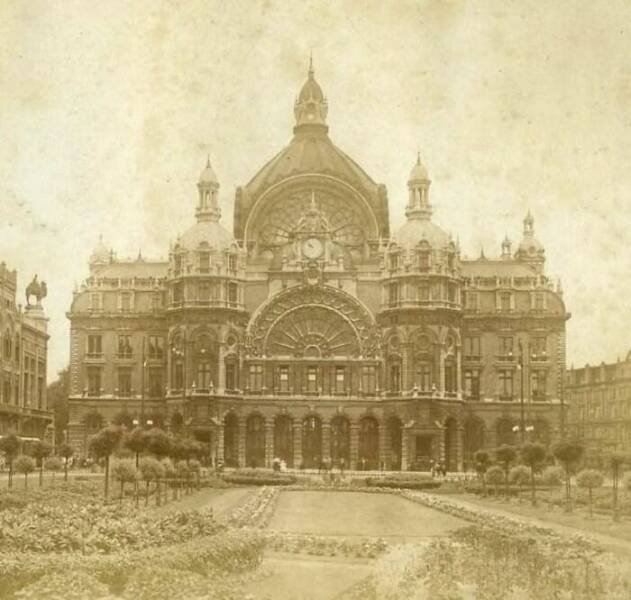
Central Station Antwerp
Constructed between 1895 and 1905, this magnificent railway station earned the nickname "Railroad Cathedral" for its stunning architecture that combines elements of Gothic Revival and Art Nouveau styles. The building was designed by Louis Delacenserie and features a soaring 75-meter high steel and glass dome that creates a cathedral-like atmosphere. During World War II, the station suffered severe damage from V-2 rocket attacks, and authorities seriously considered demolition due to the extensive destruction. However, the architectural and cultural significance of the building led to its preservation and restoration. The station underwent a major renovation completed in 2009, which not only restored its historic grandeur but also adapted it for modern high-speed rail service, ensuring this architectural masterpiece continues to serve travelers while preserving its status as one of the world's most beautiful railway stations.
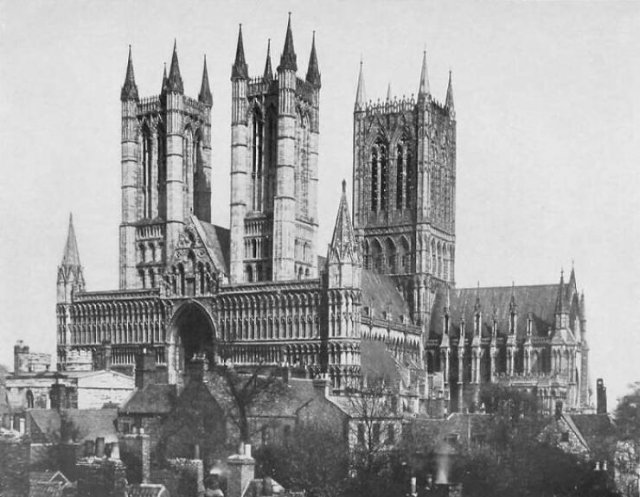
The Lincoln Cathedral, Lincoln, England
Initially constructed between 1072 and 1092 following the Norman Conquest, this magnificent cathedral has witnessed nearly a millennium of English history. The cathedral achieved worldwide fame when its central spire, completed in 1311, became the world's tallest building at 160 meters, surpassing the Great Pyramid of Giza—a record it held until the spire collapsed in 1548. The building showcases the evolution of English Gothic architecture, with its stunning facade, intricate stone carvings, and beautiful stained glass windows. Lincoln Cathedral served as a major pilgrimage destination and remains one of the finest examples of Norman and Gothic architecture in Europe.
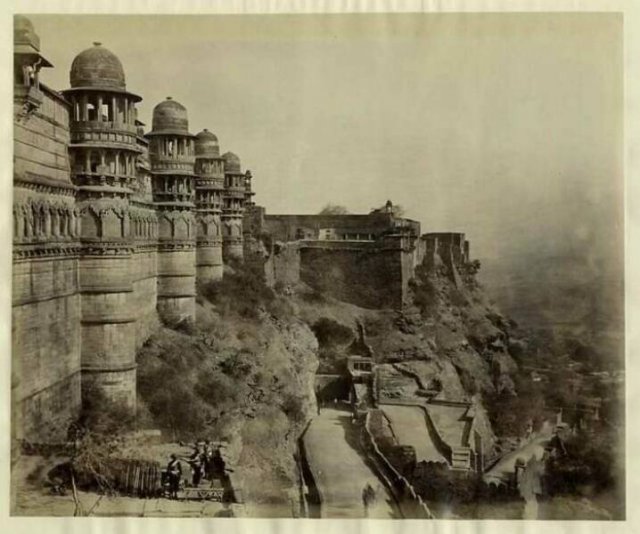
Fort Of Gwalior, Madhya Pradesh, India
This ancient hilltop fortress complex represents over 1,000 years of Indian military architecture and royal heritage. Perched 100 meters above the surrounding plain, the fort has been continuously occupied since at least the 8th century and has witnessed the rise and fall of numerous dynasties. The complex includes magnificent palaces, temples, and defensive structures that showcase the evolution of Indian architectural styles from medieval Hindu to Mughal influences. The fort is particularly renowned for the exquisite Man Singh Palace with its distinctive blue ceramic tiles and intricate stonework that demonstrates the sophisticated artistic traditions of medieval India.
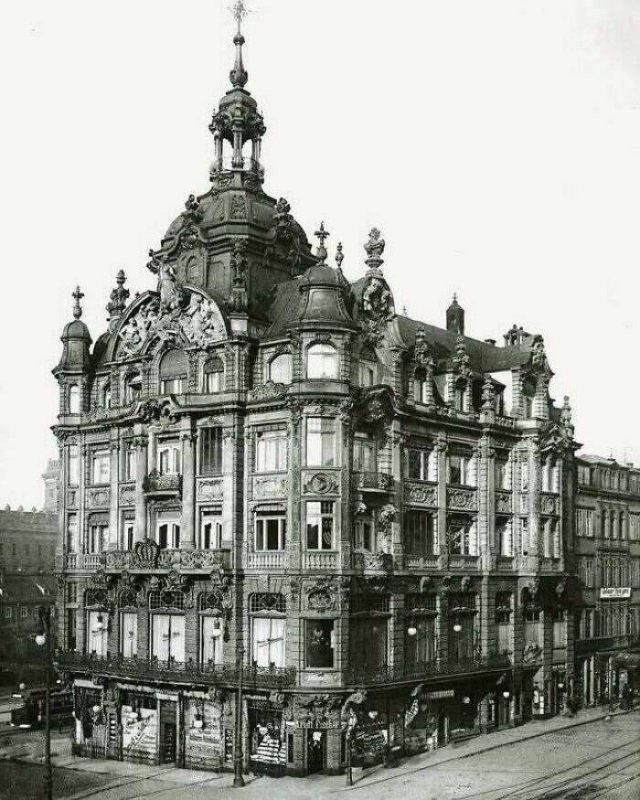
The Kaiserpalast, Dresden
Constructed between 1895-1897 during the reign of Kaiser Wilhelm II, this neo-Renaissance imperial palace represented the power and grandeur of the German Empire at its height. The building served as a symbol of imperial authority and housed important state functions and ceremonial events. Like many of Dresden's architectural treasures, the Kaiserpalast was completely destroyed during the devastating Allied bombing raids of February 13-14, 1945, which reduced much of the city's historic center to rubble. The palace's destruction marked the end of an era and the loss of significant imperial German architecture.
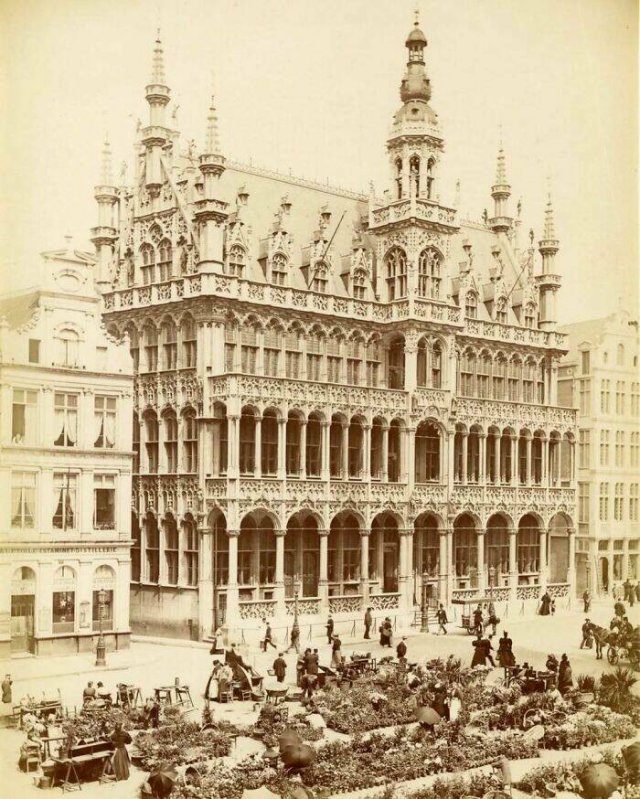
The Maison Du Roi (King's House) Or Broodhuis (Bread House), Brussels, Belgium
Erected between 1874 and 1896, this Gothic Revival masterpiece serves as the centerpiece of Brussels' magnificent Grand Place, one of Europe's most beautiful market squares. Despite its name, the building never housed royalty but served various municipal functions throughout its history, including housing the city's bread guild. The current structure replaced earlier buildings destroyed by French bombardment in 1695. Designed in the neo-Gothic style, it features an elaborate facade with intricate stonework, pointed arches, and a distinctive spire that harmonizes beautifully with the guild houses surrounding the square. The building now houses the Museum of the City of Brussels, preserving the history and heritage of this UNESCO World Heritage site.
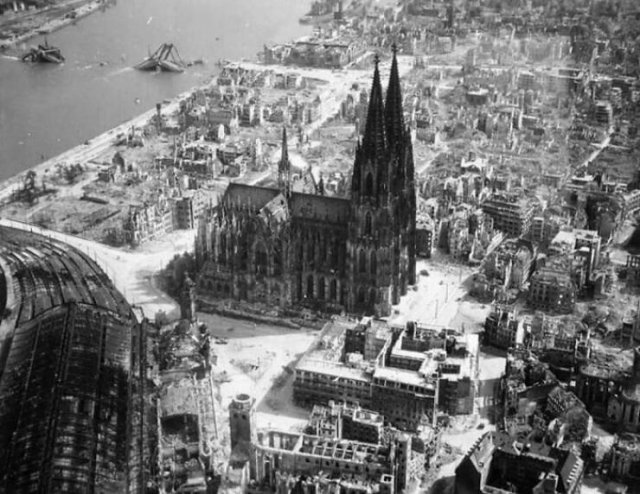
Cologne Cathedral After World War II Bombing
This haunting image captures the Gothic cathedral standing amid the devastation of Cologne following intensive Allied bombing raids during World War II. Despite the city suffering near-total destruction around it, the cathedral's twin spires remained largely intact, serving as a powerful symbol of endurance and hope for the German people. The massive structure, begun in 1248 and completed in 1880, survived numerous direct hits, though the interior suffered significant damage from shockwaves and shrapnel. The cathedral's survival was seen by many as miraculous, and it became a rallying point for post-war reconstruction efforts. The building required extensive restoration work that continued for decades after the war, carefully preserving this masterpiece of High Gothic architecture for future generations.
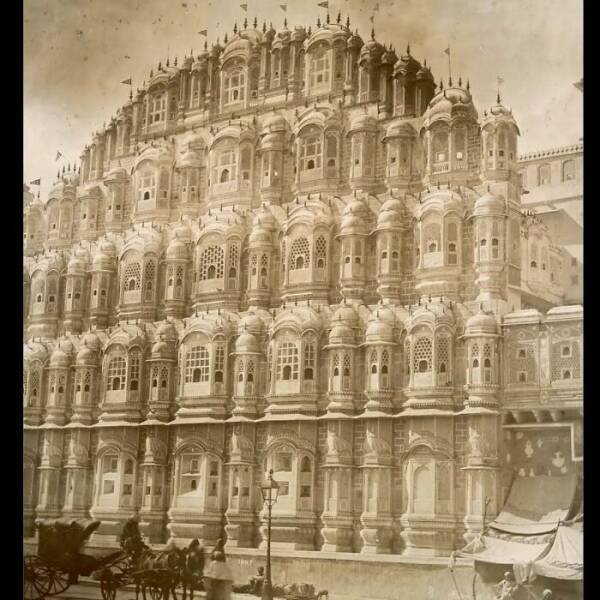
Hawa Mahal, Jaipur, Rajasthan
Constructed in 1799 by Maharaja Sawai Pratap Singh, this remarkable five-story palace known as the "Palace of Winds" represents one of the finest examples of Rajput architecture blended with Mughal influences. The distinctive pink sandstone facade features 953 intricately carved jharokha (small windows) designed to allow the royal ladies of the court to observe street festivals and daily life while remaining unseen behind the ornate lattice work. The pyramid-shaped structure, built without foundations and held together by an ingenious interlocking system, showcases the mathematical precision and artistic sophistication of 18th-century Indian architecture. The building's unique design creates a natural air conditioning system, with the numerous windows channeling cool breezes throughout the interior chambers.