
Most of us use the microwave the same way every day. Put the food in, press a button, and hope for the best. Then we bite into a plate of leftovers that is scorching at the edges and icy in the middle.
A few small changes make a real difference. Your microwave can also do far more than reheat yesterday's dinner. It can clean itself, rescue forgotten pantry items, and even sanitize the germiest object in your kitchen. Here are 12 practical tricks, with simple instructions for each one.
Microwave energy only reaches about an inch or so into food. When leftovers are piled in a mound in the middle of the plate, the outside overheats while the center stays cold.
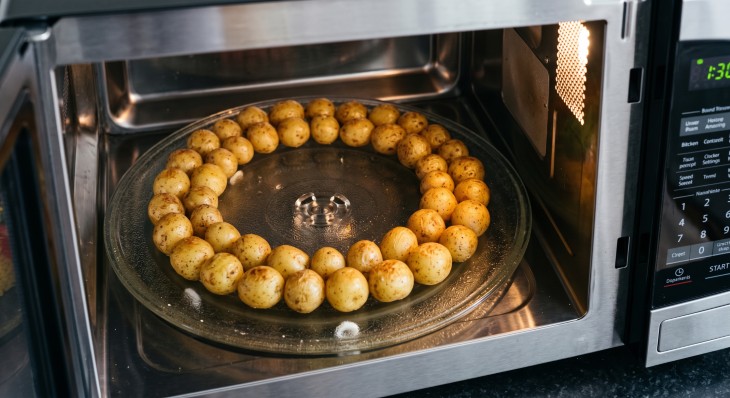
How to do it: Spread the food in a ring around the edge of the plate and leave the center empty, like a donut. Place thicker, denser pieces (such as meat or potatoes) toward the outer edge, and thinner items toward the inside. Stir or turn the food halfway through heating for even better results.
Most people never touch the power button, so the microwave runs at full strength every single time. That works well for a cup of soup, but a thick slice of lasagna or a large serving of casserole will dry out and turn rubbery at the edges long before the middle gets hot.
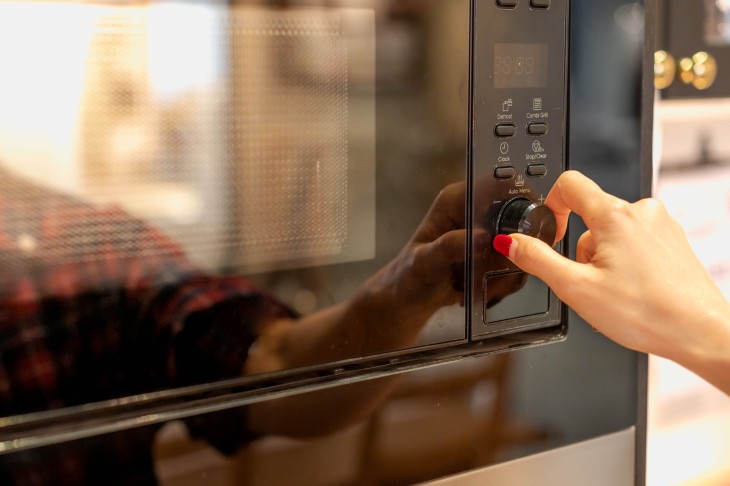
How to do it: Enter the heating time, then press the button labeled "Power" or "Power Level" and choose 5, which means 50%. Roughly double the time you would normally use. The exact order of buttons varies by model, so a quick look at your manual can help. Lower power heats more gently and gives the center a chance to catch up.
When the timer beeps, the food is not quite finished. Heat keeps spreading from the hot spots to the cool spots for several minutes. That is why so many frozen meal packages list a "standing time" in their instructions.
How to do it: Leave the dish in the microwave or on the counter for about 3 minutes before digging in. For leftovers, especially meat, poultry, and casseroles, food safety experts recommend that food reach 165°F (74°C) all the way through. An inexpensive food thermometer is the most reliable way to check.
Rice turns hard, bread turns chewy, and pasta clumps together. What they have lost is moisture, and the microwave can put it back.
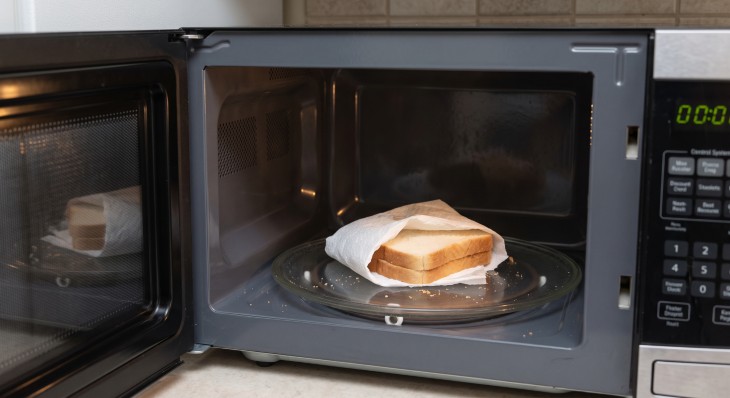
How to do it: For rice or pasta, sprinkle a tablespoon or two of water over the top and cover the dish loosely with a lid or a microwave safe plate before heating. The trapped steam softens everything. For a stale roll or slice of bread, wrap it in a slightly damp paper towel and heat for 10 to 15 seconds. Eat it right away, because microwaved bread firms up again as it cools.
Water heated in a very clean, smooth cup can sometimes rise above its normal boiling point of 212°F (100°C) without showing a single bubble. The moment you move the cup, drop in a tea bag, or stir it, the water can suddenly erupt and cause serious burns. This is called superheating, and many people have never heard of it.
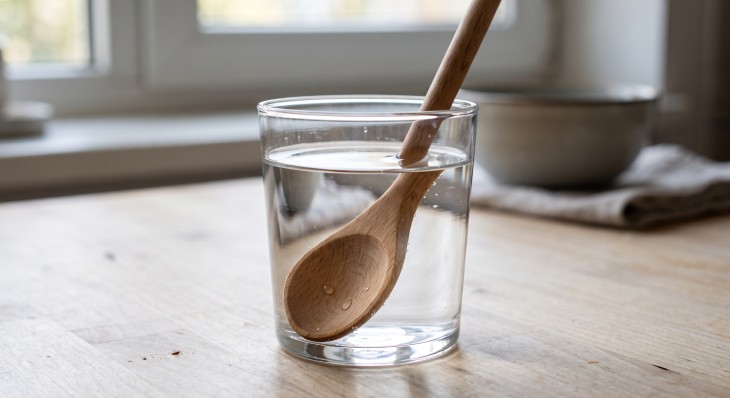
How to do it: Place a wooden spoon, a wooden chopstick, or another microwave safe stirrer in the cup before heating. It gives bubbles a place to form, so the water boils normally. Avoid heating water longer than you need to, and let the cup sit for a moment before lifting it out.
Not sure whether that old mug or bowl belongs in the microwave? Some ceramics contain metal in the clay or glaze. They can get dangerously hot, and some may even crack.
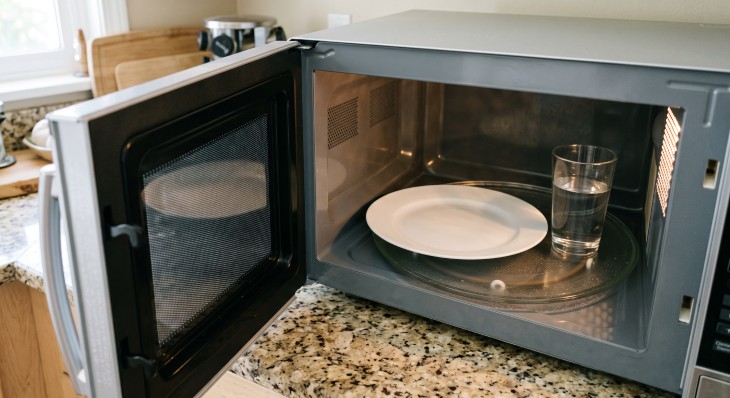
How to do it: Fill a glass measuring cup with 1 cup of water and place it in the microwave next to the empty dish you want to test (not inside it). Heat on high for 1 minute. If the water is warm and the dish stays cool, the dish is safe to use. If the dish feels warm or hot, keep it out of the microwave.
One more rule worth remembering: do not reuse margarine tubs, takeout containers, or other single use plastic tubs for heating food. They can warp or melt, and chemicals from the plastic may end up in your meal.
Dried splatters on the ceiling and walls can seem impossible to scrub off. Steam softens them so they wipe away easily, with no harsh chemicals needed.
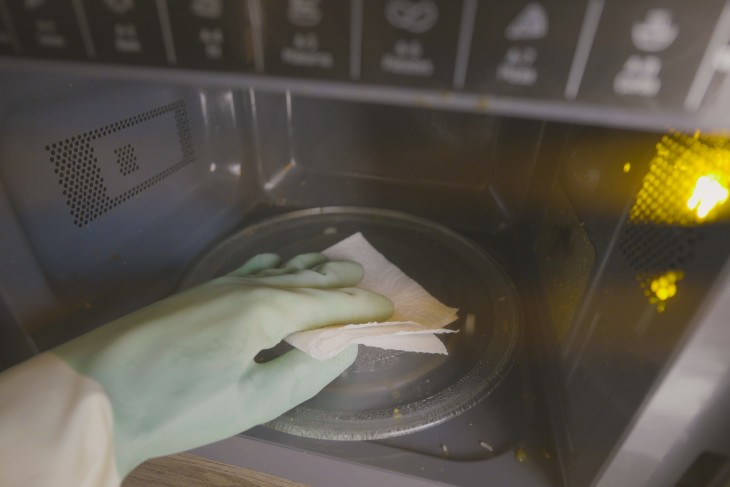
How to do it: Pour 1 cup of water into a microwave safe bowl. Squeeze in the juice of half a lemon and drop the lemon half in too. A tablespoon of white vinegar works just as well. Add a wooden spoon or chopstick to prevent superheating. Heat on high for 3 to 5 minutes, until the window fogs up. Keep the door closed for another 5 minutes so the steam can do its work. Then carefully remove the hot bowl with an oven mitt and wipe the inside with a cloth. Wash the glass turntable in the sink while you are at it.
Your kitchen sponge can hold millions of germs, and rinsing it under the tap does not get rid of them. In laboratory testing, one minute in the microwave killed 99.99999% of the bacteria in heavily contaminated sponges.
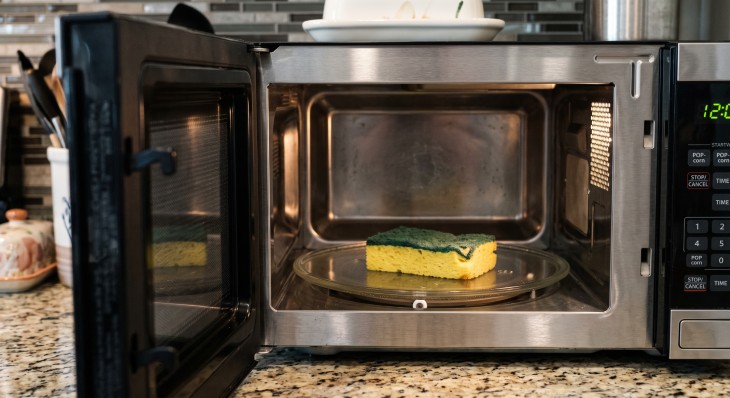
How to do it: Soak the sponge thoroughly in water. It must be wet, because a dry sponge can catch fire. Place it in a microwave safe dish and heat on high for 1 minute. Leave it inside for 10 to 15 minutes to cool down, since it will be extremely hot. Never microwave a sponge with a metal scrubbing pad. For those, run them through the dishwasher on a cycle that includes heated drying, which works almost as well.
Honey that has turned thick and grainy is not spoiled. It has simply crystallized, and gentle warmth brings it back. Brown sugar that has turned into a brick has lost its moisture, and the microwave can restore that too.
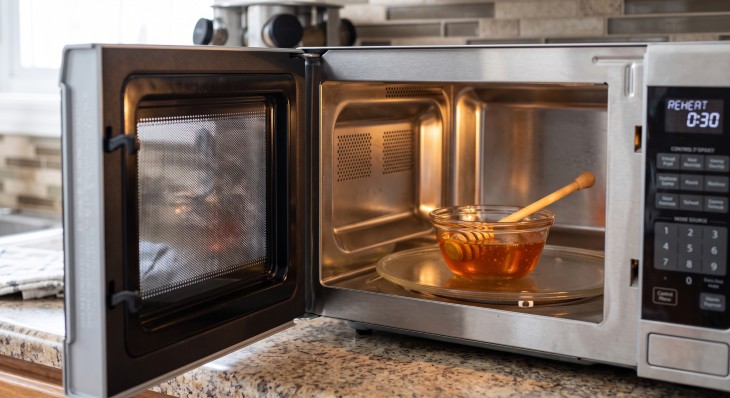
How to do it: For honey in a glass jar, remove the lid and any foil seal. If your honey comes in a plastic bottle, squeeze or scoop it into a glass bowl first. Heat at 50% power for 30 seconds, stir, and repeat until it is smooth and runny again. Do not let it boil.
For brown sugar, place it in a microwave safe bowl, cover it with a damp paper towel, and heat in 20 second bursts. Break it up with a fork between rounds. Use it soon afterward, because it will harden again as it cools.
A cold lemon straight from the refrigerator holds on tightly to its juice. A few seconds of warmth softens the fruit so it gives up more.
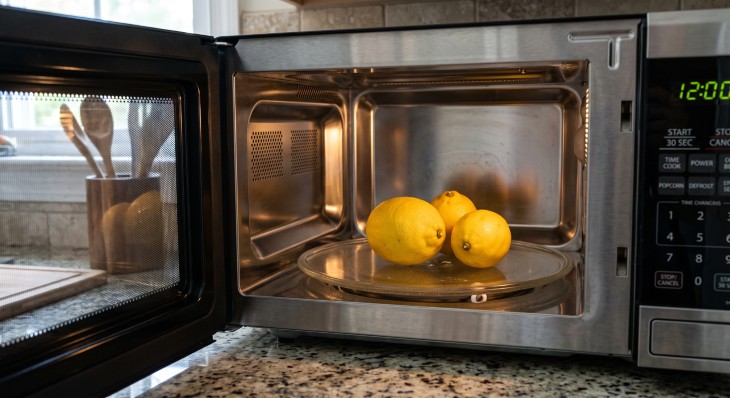
How to do it: Microwave a whole lemon or lime for 10 to 20 seconds. Then press it firmly and roll it on the counter under your palm before cutting and squeezing. The fruit should feel noticeably softer and yield more juice with less effort.
Peeling garlic cloves one by one is fiddly work, and the papery skins cling to your fingers.
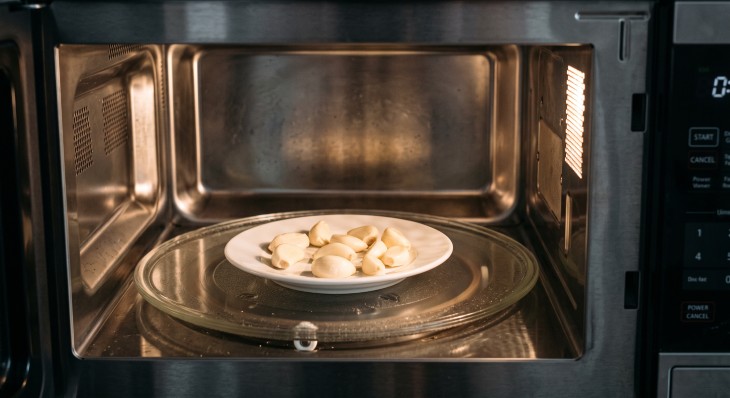
How to do it: Separate the cloves you need, place them on a plate, and microwave for 10 to 15 seconds. The warmth creates a little steam between the clove and its skin, so the peel slips off much more easily. Let the cloves cool for a moment before handling them.
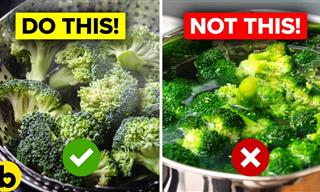
You do not need a steamer basket to cook fresh vegetables. The microwave does the job in minutes. Because it uses very little water and a short cooking time, vegetables tend to keep more of their color, crunch, and vitamins that dissolve in water, such as vitamin C, than when they are boiled.
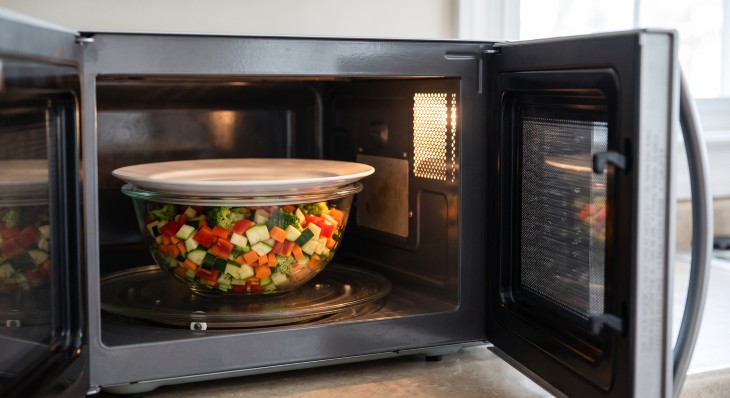
How to do it: Cut the vegetables into evenly sized pieces and place them in a microwave safe bowl with 2 to 3 tablespoons of water. Cover with a lid or a microwave safe plate. Heat on high for 2 to 4 minutes, depending on the vegetable. Broccoli and green beans cook quickly, while carrots take a little longer. Let them stand for a minute, then lift the cover away from your face, because the escaping steam is very hot.
Most of these tricks take less than a minute to try. Start with the easiest two the next time you reheat lunch: spread your food in a ring and give it a few minutes to rest. Keep a wooden spoon near the microwave for heating water, and run the one minute test on any dish you are unsure about. Your meals will taste better, your kitchen will be cleaner, and you may find yourself reaching for the microwave in ways you never did before.