
Some people seem to have a magic touch with plants, while the rest of us have watched more than one hopeful little pot wither on the windowsill. If you count yourself among the second group, take heart. There is a whole family of houseplants so tough and forgiving that they practically thrive on neglect. They ask for very little, they shrug off the odd missed watering, and they fill a room with cheerful green life. Even if you have failed with plants before, these are the ones to try. Here is a friendly guide to the easiest, hardiest houseplants around, and how to keep them happy.
Before we meet the plants, here is the single most useful thing to know, and it surprises almost everyone. The number one killer of houseplants is not forgetting to water them. It is watering them too much. Soggy soil suffocates the roots and leads to rot, so with these hardy plants, less is genuinely more.
The simple rule is to check before you pour. Poke a finger into the soil, and only water when the top inch or so feels dry. Then water thoroughly until it runs out the bottom, which means your pots should always have drainage holes. Cut back further in winter, when shorter days slow the plants down and they drink far less. Match each plant to the light you have, whether that is a bright sill or a dim corner, and if you are new to all this, start with just one or two and let a little success build your confidence.
Every plant below is known for being tough, forgiving, and easy on the eyes. Where it matters, note the mention of whether a plant is safe around pets and small children, since a few of the toughest ones can be harmful if chewed.
1. Pothos (also called Devil's Ivy)
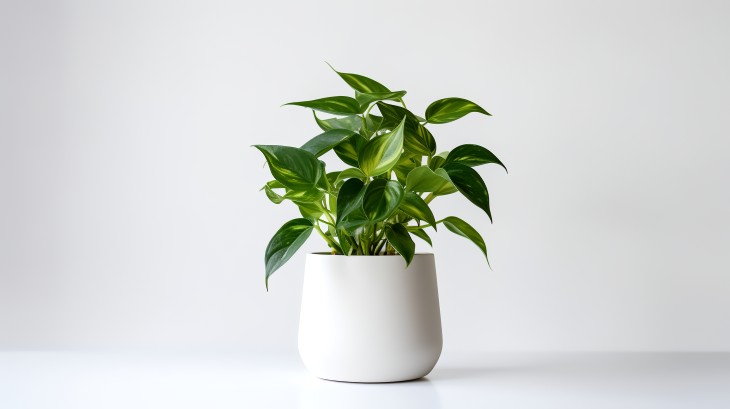
Hailing from the tropical islands of the South Pacific, where it climbs high into the rainforest trees, pothos is the reigning champion of hard-to-kill plants. It is a trailing vine with glossy, heart-shaped leaves, often marbled with yellow or white. To thrive, it likes bright, indirect light, though it will soldier on in a surprisingly dim corner. The variegated types keep their pretty patterns best with a bit more light, while the solid green ones cope with the least. Water it only when the top inch of soil feels dry, and give it ordinary potting soil and normal room warmth. Here is a lovely tip: pothos can either tumble from a high shelf or climb a support, and you can trim it whenever you like to keep it full and bushy. Better still, pop a trimmed cutting in a glass of water and it will sprout roots within a few weeks, giving you a brand new plant for free. Do keep it out of reach of pets and grandchildren, as it is toxic if nibbled.
2. Snake Plant (Mother-in-Law's Tongue)
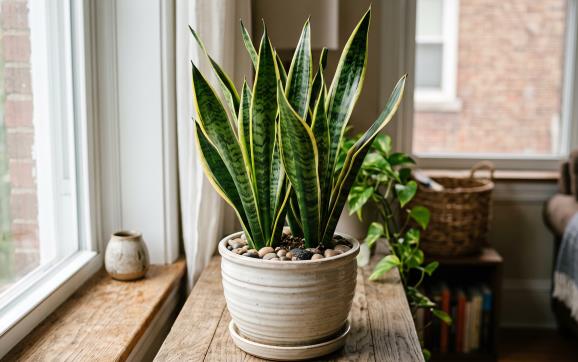
Native to the warm, dry regions of tropical West Africa, this striking plant is built for survival. Its stiff, upright, sword-like leaves store water, so it can go weeks without a drink and shrug off almost any neglect. It tolerates low light happily, though it grows a little faster in brighter, indirect light. The one thing it cannot forgive is overwatering, so let the soil dry out completely, water sparingly, roughly every couple of weeks and even less in winter, and always use a pot with drainage. If a leaf ever turns soft and mushy, that is a sure sign it has had too much water. Give the flat leaves an occasional wipe with a damp cloth to keep them handsome. Like several plants here, it is toxic if eaten, so place it thoughtfully in homes with pets or little ones.
3. ZZ Plant
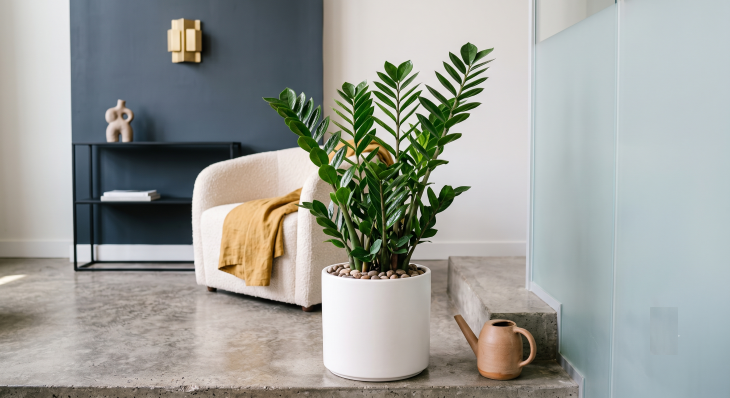
A relative newcomer to our windowsills, the ZZ plant comes from the dry grasslands and forests of eastern Africa and only became a popular houseplant in the 1990s. Its secret is underground: it stores water in thick, potato-like roots, which is why it sails through the odd forgotten watering. Glossy and dark green, it thrives in low to bright indirect light and does perfectly well under office-style lighting, making it ideal for a dim room. Water it only when the soil has dried out, about every two to three weeks, and never leave it standing in water. A word of care: its sap can irritate skin, so wash your hands after trimming it, and it is toxic if chewed, so keep it away from children and pets. Wipe the leaves now and then and they will gleam!
4. Spider Plant
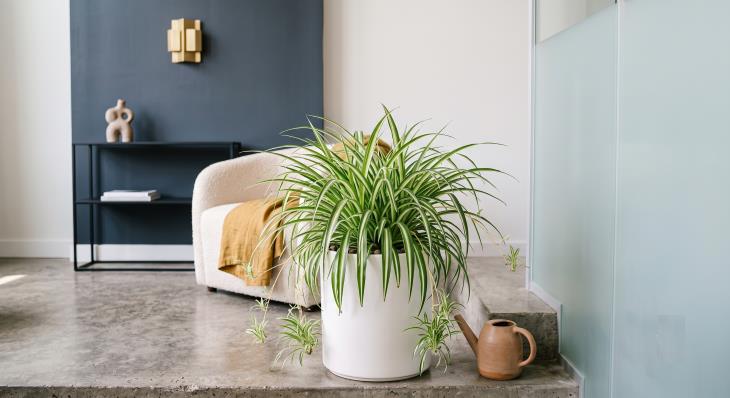
Native to southern Africa, the spider plant is cheerful, fast-growing, and wonderfully forgiving. It sends out arching, green-and-cream striped leaves and dangles baby plantlets, its charming "spiderettes," on long stems that spill beautifully over the edge of a hanging basket. It likes bright, indirect light and prefers its soil kept lightly moist rather than bone dry. One common quirk is brown leaf tips, usually caused by the minerals in tap water or by letting the plant get too dry. Watering with filtered or collected rainwater, or leaving tap water out overnight before using it, keeps the tips green. Snip off one of the babies, sit it in soil or water to root, and you have a free plant to share. Best of all, it is completely safe for cats and dogs.
5. Cast Iron Plant
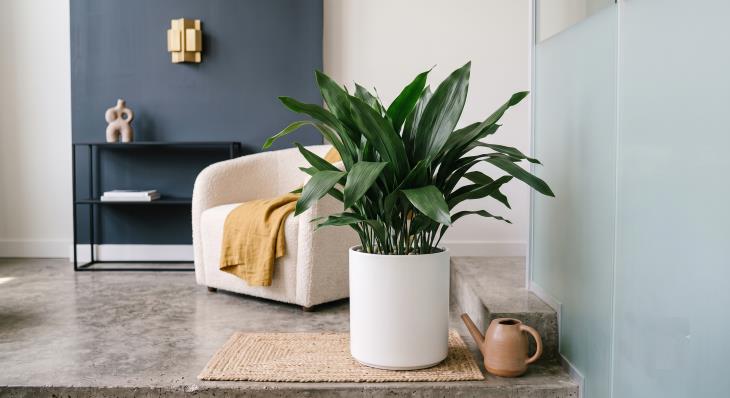
Originally from the shaded forest floors of Japan and Taiwan, this plant is so used to life in deep shade that it happily survives the gloomy corners where little else will grow. It earned its tough-sounding name back in Victorian times, when it flourished in dim, drafty parlors thick with the soot and fumes of gas lamps, conditions that finished off fussier plants. If it could survive all that, it can certainly manage your hallway. Its broad, arching, deep green leaves bring a dark spot to life, and there are handsome variegated kinds striped with cream, though those need a little more light to hold their markings.
It asks only for lightly moist soil, watered when the top inch dries out and rather less in winter, and it positively dislikes direct sun, which scorches and bleaches its leaves. It also shrugs off cool rooms, drafts, and the occasional forgotten watering without complaint. Two things it does prefer: to be left undisturbed, since it dislikes having its roots repotted and is happiest staying put for years, and a light feeding once a month or so through spring and summer.
Patience is the watchword, as it is a genuinely slow grower, so do not expect a jungle overnight. But that slowness comes with a gift, for a well-treated cast iron plant can live for decades, often outlasting every other plant in the house and even being handed down through a family. Wipe the large leaves now and then to keep them glossy and dust-free, and in summer it enjoys a spell outdoors in a fully shaded spot. Happily, it is non-toxic to pets, so you can enjoy it without any worry.
6. Peace Lily
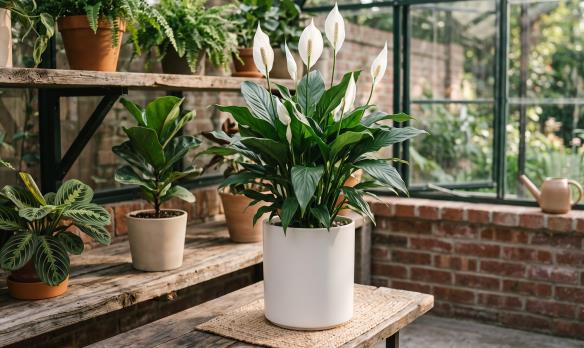
This graceful plant comes from the warm, humid rainforest floors of tropical America, where it grows in dappled shade beneath the canopy. That heritage tells you what it likes: gentle, indirect light and a bit of humidity, which is why it does so well in a bathroom or kitchen. It is one of the few easy plants that flowers indoors, sending up elegant white blooms, and it will flower more freely with a little more light, though never direct sun. Keep its soil lightly and consistently moist. Its finest trick is honesty: when thirsty, the whole plant droops dramatically, then springs back within hours of a drink, though it is kinder not to let it wilt again and again. Brown leaf tips usually mean too much direct sun or minerals in the water. It is toxic if chewed, so keep it out of reach of pets and small children.
7. Chinese Evergreen
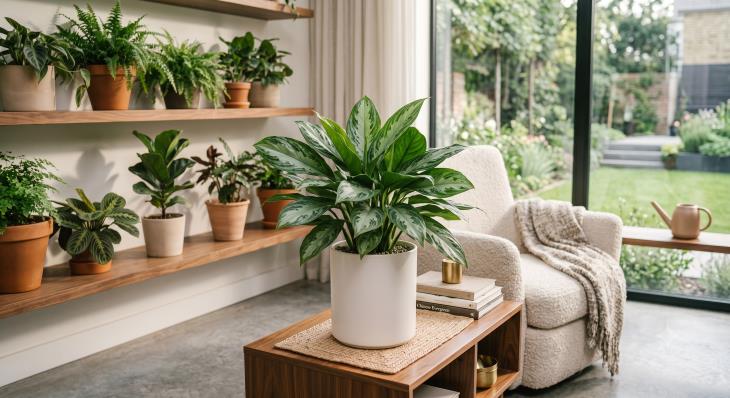
Native to the tropical forests of Asia, where it grows in the shady understory beneath taller trees, this plant is prized for its beautifully patterned leaves, often splashed with silver, cream, or even rose-pink. It brings welcome color to a dim spot and tolerates low light well, though here is a useful rule: the more colorful the leaves, the more light the plant wants, while the plainer green varieties are happiest in shade. Water it when the top inch of soil dries out, and keep it warm, as it dislikes cold drafts and chilly windowsills below about 60 degrees Fahrenheit (16 degrees Celsius). Wipe its leaves to let their colors shine. Like several here, it is toxic if eaten, so choose its home with care.
8. Parlor Palm
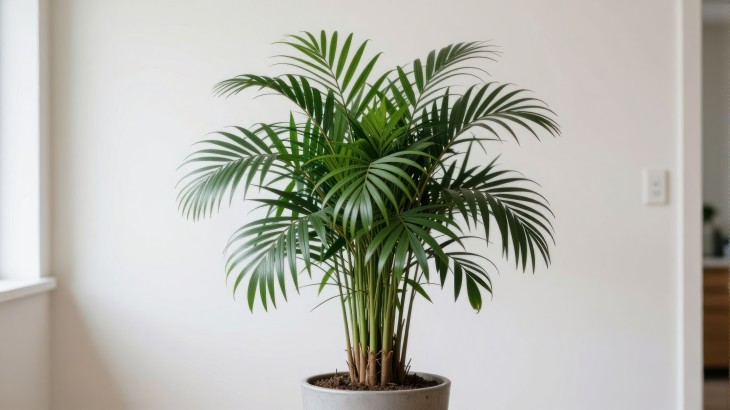
A native of the rainforests of southern Mexico and Guatemala, where it grows beneath the taller trees, this dainty palm has charmed indoor gardeners for well over a century. It adds soft, feathery, tropical elegance and stays a comfortable size. It prefers bright, indirect light but tolerates shadier spots, and likes the top of its soil to dry slightly between waterings. Overwatering is its main enemy, so if the fronds turn yellow, ease off. Coming from a humid jungle, it appreciates the occasional misting or the company of other plants, and brown tips are often a sign the air is too dry. Reassuringly, it is safe for pets, a lush and worry-free way to green up a corner.
9. Aloe Vera
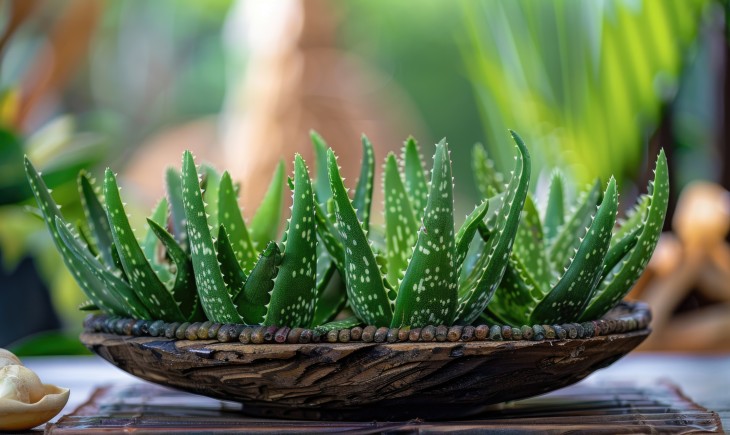
This handsome succulent traces its roots to the hot, dry Arabian Peninsula, and like all desert plants it is built to store water and endure drought. That heritage shapes its care entirely: give it plenty of bright light, even a few hours of direct sun on a windowsill, and plant it in gritty, well-draining soil, ideally the kind sold for cacti and succulents. Water it deeply but rarely, letting the soil dry out completely between drinks, roughly every couple of weeks and much less in winter. Overwatering is the one thing that will do it in: soft, mushy, browning leaves mean too much water, while thin, curling leaves mean it is thirsty. Its bonus is practical, as the soothing gel inside its leaves can calm minor burns and skin irritation. Simply snip an outer leaf when you need it, ideally once the plant is a few years old. Note that it can be mildly upsetting to pets if eaten, so keep it out of their reach.
You may have noticed that several of the toughest plants, including pothos, snake plant, ZZ plant, peace lily, Chinese evergreen, and aloe, can be harmful if a curious pet or grandchild takes a bite. This does not mean you cannot enjoy them. It simply means placing them up high, on a shelf or a plant stand, or in a room the little ones do not roam. If you would rather not worry at all, the spider plant, cast iron plant, and parlor palm are all genuinely safe choices that are every bit as easy to grow.