
When it comes to protecting your heart, what you put on your plate matters enormously. Alongside regular exercise and not smoking, diet is one of the most powerful tools you have. That's because the foods you eat directly influence inflammation, blood pressure, cholesterol, and other key risk factors for heart disease. Diets rich in fiber, healthy fats, and antioxidants have been shown to support heart health — while diets heavy in added sugars and processed meats are linked to increased risk.
Many diets claim to be heart-healthy, but not all of them are backed by solid science or realistic enough to stick with long term. Here are five that check both boxes.
1. The Mediterranean Diet

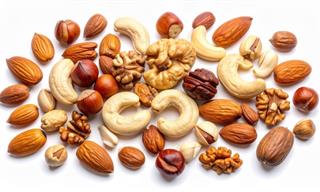
Consistently ranked among the best eating patterns in the world, the Mediterranean diet is based on the traditional food habits of people living in Greece and Southern Italy in the 1960s. It centers on whole, minimally processed foods: whole grains, fruits, vegetables, legumes, nuts, seeds, fish, and extra virgin olive oil. It also allows moderate amounts of poultry, eggs, low-fat dairy, and even red wine — while limiting added sugars, refined carbohydrates, highly processed snacks, and red and processed meats.
The heart benefits are thought to stem largely from its emphasis on plant foods and healthy fats. Extra virgin olive oil, for example, is rich in monounsaturated fats and powerful antioxidant and anti-inflammatory compounds. Regular physical activity and lower sugar intake — both naturally encouraged by this lifestyle — add to the effect.
2. The DASH Diet
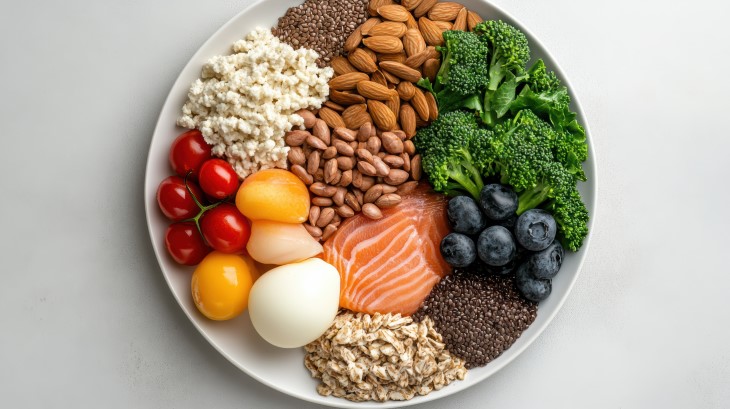
DASH stands for Dietary Approaches to Stop Hypertension, and it was specifically designed to help prevent and treat high blood pressure — one of the leading risk factors for heart disease. Like the Mediterranean diet, it doesn't come with a rigid list of forbidden foods. Instead, it recommends specific amounts from each food group based on your calorie needs, with an emphasis on whole grains, fruits, vegetables, low-fat dairy, and lean meats, while limiting red meat, refined grains, and added sugars.
A key feature of DASH is its sodium guidelines: no more than 1 teaspoon (2,300 mg) of salt per day, with a stricter version capping intake at ¾ teaspoon (1,500 mg). For people with high blood pressure, cutting sodium — especially when combined with the full DASH approach — has been shown to produce meaningful reductions. Its high-fiber foods and elimination of saturated fats further contribute to its heart-protective effects.
3. Vegan and Vegetarian Diets
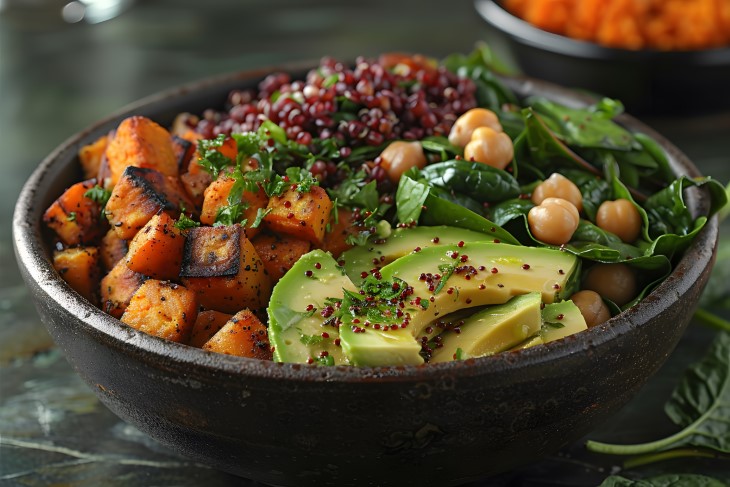
Plant-based eating patterns have earned a strong reputation for heart health, and for good reason. Both vegan and vegetarian diets eliminate all meat — including poultry, red meat, and fish. Vegetarians may still include eggs and dairy, while vegans avoid all animal-derived products entirely, including honey and gelatin.
In their place, these diets feature generous amounts of fruits, vegetables, beans, lentils, soy products, whole grains, nuts, seeds, and plant-based oils. This naturally translates to high levels of fiber, antioxidants, and anti-inflammatory compounds — all of which benefit the heart.
One important caveat: not all plant-based diets are created equal. A vegan diet loaded with added sugars, refined grains, and heavily processed foods won't deliver the same benefits as one built around whole, minimally processed ingredients. Quality still counts.
4. The Flexitarian Diet
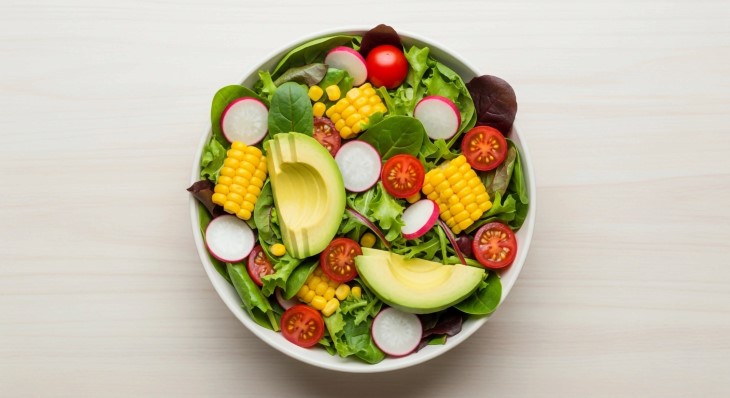
For those who like the idea of eating more plants without committing to a fully vegetarian or vegan lifestyle, the Flexitarian Diet offers an appealing middle ground. Created by dietitian Dawn Jackson Blatner, it's centered on plant foods but allows moderate amounts of meat, fish, dairy, and other animal products. There are no strict rules about how much or how often — it simply encourages you to get the bulk of your protein from plant sources and to prioritize whole, minimally processed foods while limiting added sugars, refined grains, and processed meats.
While its flexibility makes it harder to study than more rigid diets, observational research consistently links greater adherence to plant-based eating with a lower risk of heart disease. The fruits, vegetables, whole grains, and legumes at its core have all been tied to improvements in heart disease risk factors. For many people, this may simply be the most sustainable heart-healthy approach available.
5. The TLC Diet
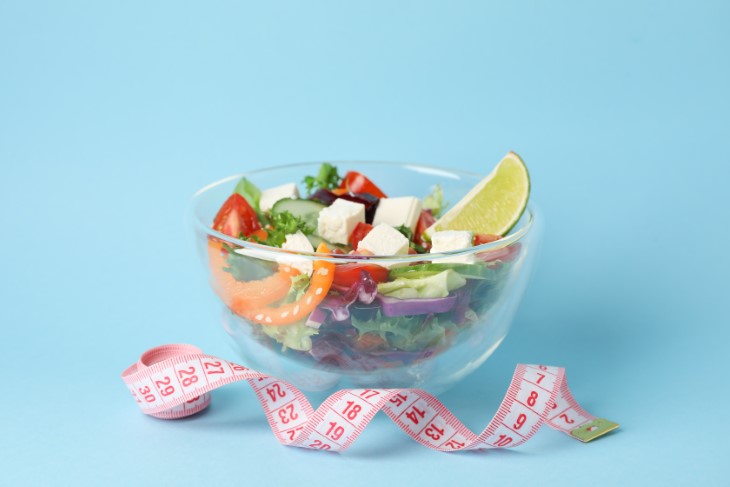
Developed by the National Institutes of Health, the Therapeutic Lifestyle Changes (TLC) diet was designed with a specific goal in mind: reducing the risk of heart disease and stroke by promoting healthy cholesterol levels and a healthy weight.
Its recommendations are detailed and evidence-based. It calls for less than 7% of daily calories from saturated fat, less than 200 mg of dietary cholesterol per day, and no more than 2,300 mg of sodium daily. Total fat intake should fall between 25 and 35% of daily calories. It also recommends 2 grams per day of plant stanols or sterols — naturally occurring compounds found in fruits, vegetables, whole grains, legumes, nuts, and seeds — and between 10 and 25 grams of soluble fiber daily, found in foods like oat bran, beans, lentils, and certain fruits and vegetables.
One distinctive feature of the TLC diet is its explicit lifestyle component: at least 30 minutes of moderate exercise every day is built directly into the plan.
What All Five Have in Common
Despite their differences, these five diets share a common thread. They all emphasize whole, minimally processed foods, and they all restrict heavily processed options — especially those high in added sugar and saturated fat. No matter which approach appeals to you most, that simple principle is the foundation of heart-healthy eating.
Of course, diet is just one piece of the picture. Regular exercise, avoiding smoking, and managing stress all play an important role as well. But if your heart health is a priority — and at a certain age, it absolutely should be — any one of these well-researched eating patterns is a smart place to start.