
Your skin barrier is your body's first line of defense, protecting you from environmental threats while keeping essential moisture locked in. Understanding how it works and how to care for it is key to maintaining healthy, resilient skin.
Your skin is composed of multiple layers, with the outermost layer called the stratum corneum serving as your protective barrier. Think of it as a brick wall: tough skin cells (corneocytes) act as the bricks, held together by lipids that function like mortar.
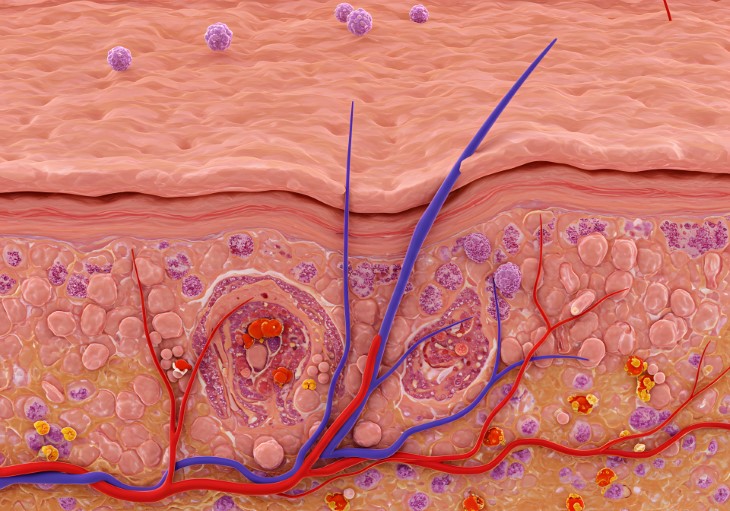
These lipids include cholesterol, fatty acids, and ceramides, while the skin cells themselves contain keratin and natural moisturizers. This structure creates a thin but effective shield that prevents harmful environmental toxins and pathogens from entering your body, while simultaneously preventing water loss from within.
Your skin barrier maintains a slightly acidic pH between 4.0 and 5.8, creating what's known as the acid mantle. This acidity acts as a natural buffer against harmful bacteria, viruses, and fungi that could damage your skin and cause infections. The acid mantle is particularly crucial for wound healing, where skin acidity plays an important role in the biological processes of repair.
Your skin faces constant challenges from both external and internal factors:
External threats:
Internal factors:
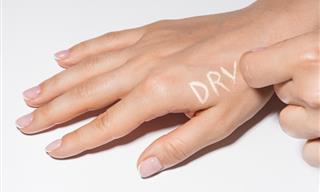
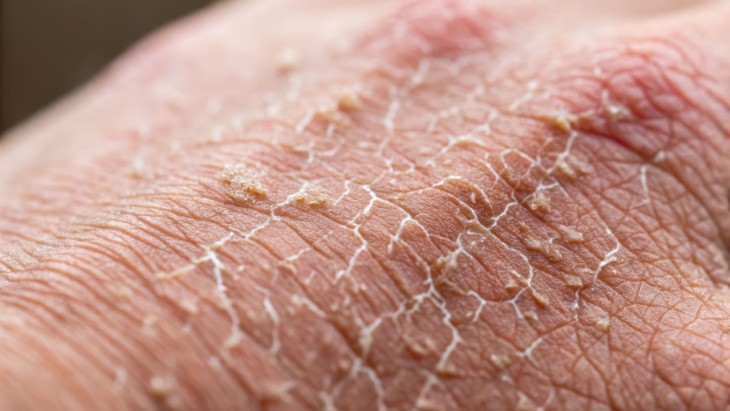
When your skin barrier isn't functioning properly, you may notice:
Less can often be more when it comes to skin care. Focus on essential products that truly benefit your skin, and be mindful of how exfoliation methods affect your barrier. Those with sensitive skin or darker skin tones may benefit from gentler approaches using soft cloths and mild chemical exfoliants rather than harsh scrubs.
Choose cleansers with a pH between 4.0 and 5.0 to maintain your skin's natural acidity. This helps preserve the protective acid mantle without disrupting your barrier's delicate balance.
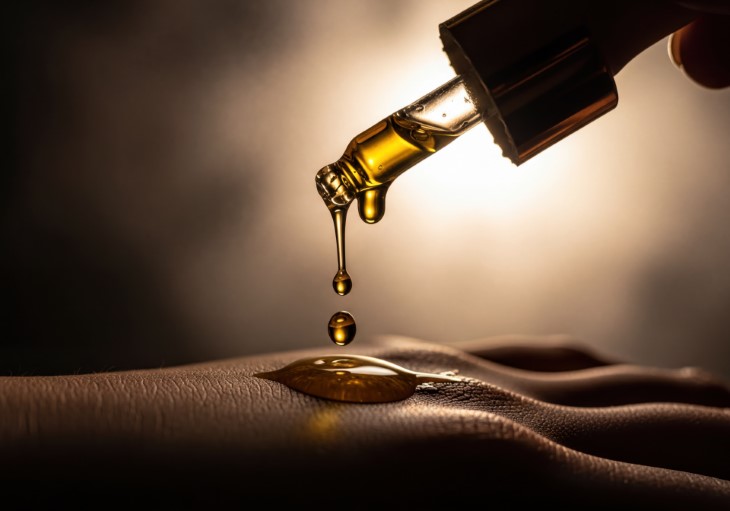
Certain plant oils can help repair your skin barrier while preventing moisture loss. Many also offer antibacterial, anti-inflammatory, and antioxidant benefits. Effective options include:
Apply these oils directly to your skin or look for creams and lotions containing them as ingredients. Always perform a patch test first to check for sensitivity.
Ceramides are essential waxy lipids naturally found in high concentrations in your skin barrier. Products containing ceramides or pseudo-ceramides can significantly improve dryness, itchiness, and scaling, particularly for those dealing with atopic dermatitis.
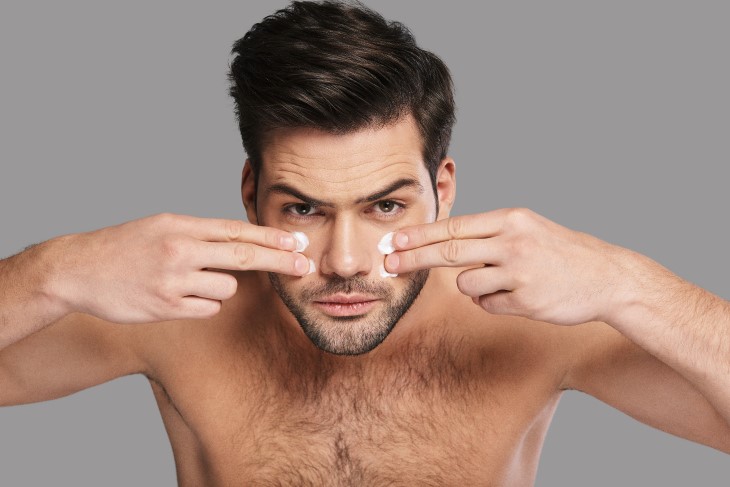
Different moisturizer types offer unique benefits:
Occlusive moisturizers like petrolatum create a protective film that reduces water loss—petrolatum can block up to 99% of moisture evaporation.
Humectants draw water from the environment or your body's deeper layers and bind it into your skin. Look for products containing:
Since individual skin responds differently to various ingredients, you may need to experiment to find what works best for you.
Your skin barrier does more than keep you looking good—it's essential for your overall health and body function. By simplifying your routine, choosing pH-appropriate products, and incorporating barrier-supporting ingredients like ceramides and humectants, you can maintain and restore this crucial protective layer.
Remember, protecting your skin barrier isn't just a cosmetic concern—it's about keeping your body's frontline defense strong and effective. If you're experiencing persistent skin issues, consulting with a dermatologist can provide personalized guidance for your specific needs.