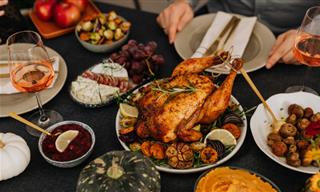

The holiday season is a time for friends, family, and loved ones to come together under one roof and share meals. With so many gatherings during this festive period, there's a good chance you'll be hosting someone with food allergies at your table.
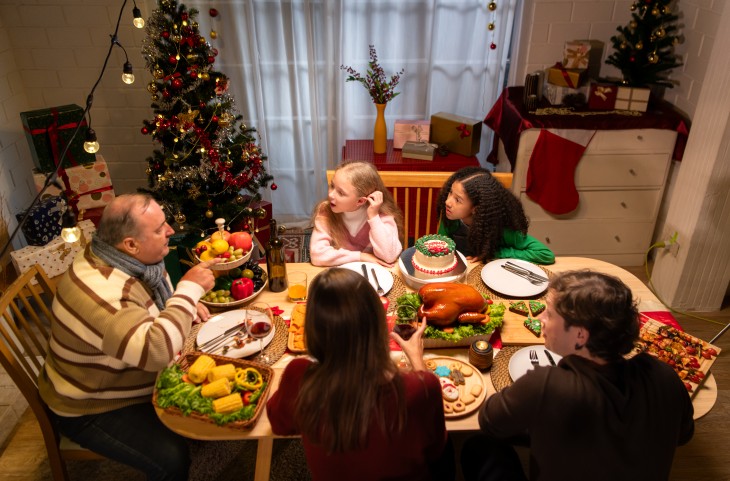
Food allergies can vary significantly in severity, and not everyone will conform to a one-size-fits-all approach. However, here are some general tips to help you create a welcoming and safe environment for all your guests this holiday season.
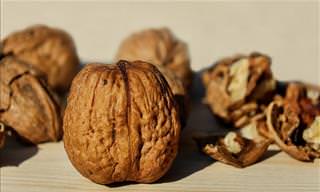
The most common food allergies are caused by a group of nine foods: milk, eggs, fish, crustacean shellfish, tree nuts, peanuts, wheat, soybeans, and sesame. These foods account for about 90% of all food allergic reactions. In children, milk, eggs, and peanuts are the most common causes, while shellfish allergies are more frequent in adult
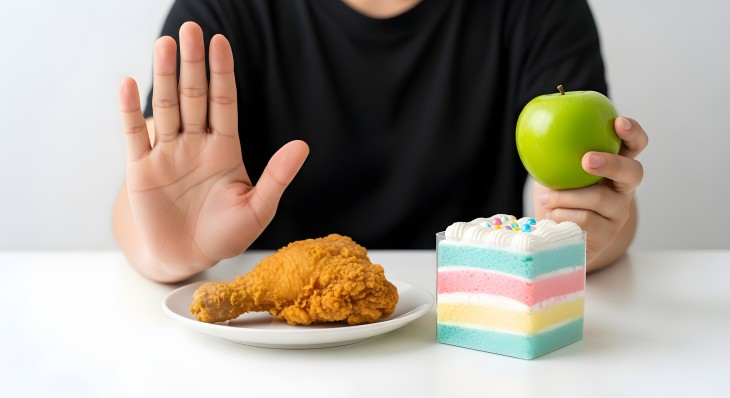
Although it may seem obvious, providing sufficient options for individuals with food allergies is crucial during holiday meals.
Consider that some allergens are more prevalent in traditional holiday dishes than others. For example, it may be more challenging for someone with dairy or gluten allergies to navigate a typical holiday spread compared to someone with a nut allergy, as butter, cream, and wheat-based ingredients are common in festive cooking.
Many individuals with food allergies have been in situations where they could only eat one or two dishes that didn't add up to a full meal. During the holidays especially, ensuring that everyone can enjoy a balanced, filling meal will help prevent people with food allergies from feeling left out or bothered while everyone else indulges in the feast.
One of the simplest yet most important things you can do is separate foods containing allergens from the other foods being served.
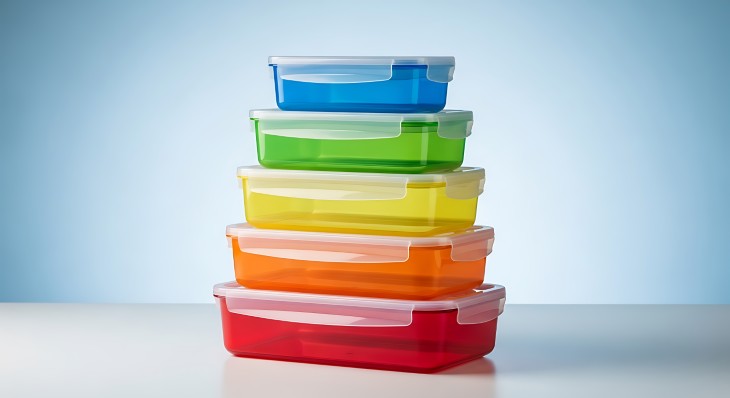
While this may sound straightforward—such as putting dishes on different plates when serving—depending on the severity of the person's allergies, this can involve preparing dishes with allergens completely separately. This means:
Using separate bowls and utensils is crucial for preventing cross-contamination. Though it may not seem like a big deal, a single utensil or hand touching a dish with allergens could be enough to trigger an allergic reaction.
Common Misconceptions
Depending on the severity of one's food allergies, preparing a dish with allergens and then removing them at a later point—for example, nuts in a salad—may not be a safe or effective approach.
If someone has allergies, you should prepare two separate versions of the dish: one containing the allergen and one that has never had contact with the allergen. Alternatively, you could prepare the entire dish without the allergen, setting it aside separately as an option for people to add to their own plate if they wish.
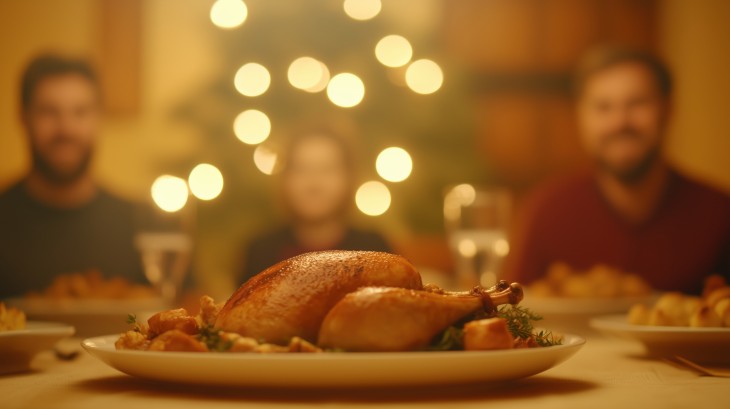
If you're serving a buffet-style holiday spread, labeling is an effective way to indicate which foods contain allergens and which do not. This makes it clear which dishes are safe to eat, rather than leaving people with allergies to guess.
While you could simply state which dishes contain an allergen and which don't, listing the entire recipe on a label may be more effective, especially if you're hosting people you don't know well.
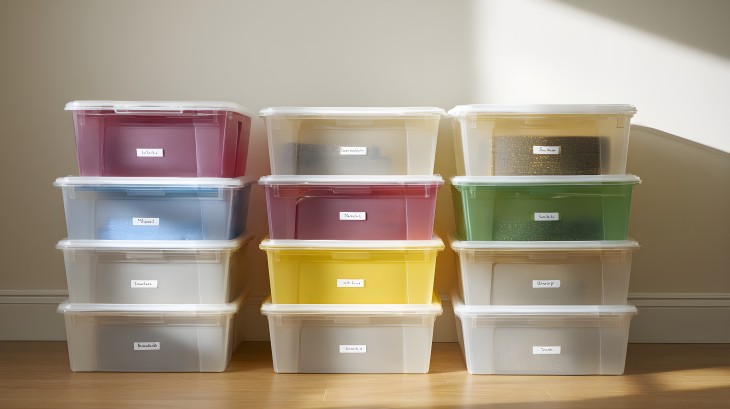
Making the contents of each dish clear will save your guests the guesswork and you the time of having to explain to everyone who asks. Additionally, if someone wants the recipe for your famous holiday dish, they can easily take a picture of the label instead of having to ask you in the middle of hosting.
You may also consider using different colored labels for foods with and without allergens to make identification even easier.
The most important and effective thing you can do is communicate with the individual who has the food allergy, even if you've known them for a long time.
Hearing from them directly about the severity of their food allergy and their needs will prevent any guesswork on both ends. Having this confirmation can also be reassuring for both parties as the holiday gathering approaches.
You may even decide to ask for input from those with food allergies before deciding what to make for your holiday menu. They can let you know if they'll be unable to eat certain traditional dishes you're planning.
They'll also let you know if they'd like everyone at the gathering to be informed of their allergy. While this can be helpful for some people, especially those with severe allergies, others may prefer to manage it on their own without drawing attention.
Attending large gatherings during the holiday season may add an additional layer of considerations if individuals with food allergies will be present. However, many of these tips are relatively minor adjustments that can prevent potentially hazardous situations and ensure everyone enjoys the festivities.
Not all of these measures may be necessary for every guest. Simply communicating with the affected individual may be enough to ensure they feel safe and welcome at your holiday table.