
Windows provide natural light and ventilation to your home's interior, but they inevitably become dirty over time. Dust, grime, fingerprints, and pollen build up on glass surfaces, reducing your home's curb appeal and blocking precious natural light. Understanding when and how often to clean your windows is essential for maintaining both their appearance and functionality.
For interior windows, plan to clean monthly or whenever they become smudged or dirty. This frequency works well for most households, though you may need to increase cleaning to weekly intervals if you have children or pets. Little hands, wet noses, and curious paws can quickly leave their marks on glass surfaces, requiring more frequent attention.
Exterior windows benefit from thorough cleaning twice yearly, once in spring and once in fall. This semi-annual schedule helps maintain your windows' appearance while also extending their lifespan. Clean windows are slightly more energy-efficient than dirty ones, and keeping up with regular cleaning can help limit your long-term window replacement costs. The accumulated dirt and grime that builds up on exterior surfaces requires more intensive cleaning methods than interior maintenance.

Your local environment plays a significant role in determining how often your windows need attention. Trees surrounding your property create one of the most common challenges for window cleanliness. Windows in areas with lots of trees typically get dirtier because of pollen, sap, leaves, and other organic debris that constantly falls and sticks to glass surfaces. If your home is nestled among mature trees, you'll likely need to clean more frequently than the standard twice-yearly schedule.
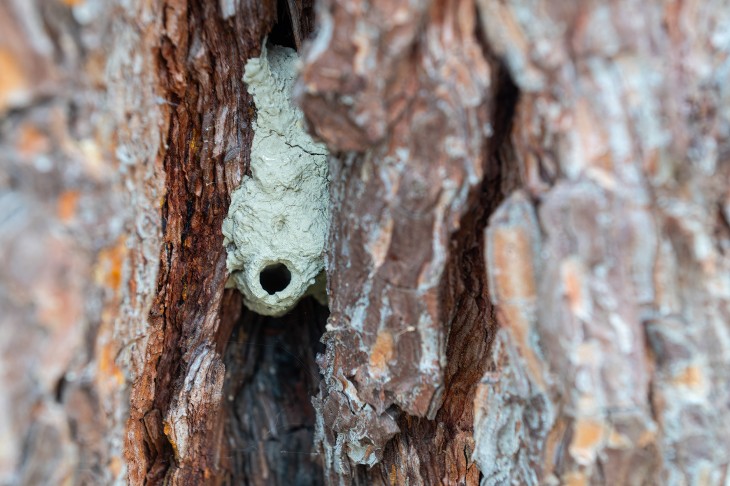
Insect activity presents another consideration for window maintenance. High insect populations mean more cobwebs and nests appearing on or near your windows, particularly during warmer months. Weather conditions also play a crucial role in how quickly your windows accumulate dirt. High winds kick up dust and particles that settle on glass, while precipitation of all kinds leaves behind streaks and water spots. Most homeowners schedule their exterior window cleaning as the weather turns warmer in spring and then again in fall to wash away the evidence of summer storms.
The immediate surroundings of your home create unique challenges as well. If your home is located near a busy street, car traffic sends more dirt and exhaust particles into the air, which inevitably settles on your windows. Living near a construction site can have the same effect, with dust and debris from building activities coating your glass surfaces. In areas that experience heavy snowfall, snow plows toss road salt, gravel, and other debris toward windows, creating additional cleaning challenges during winter months.
Hard water poses a particular problem for window cleaning. Hosing down your windows with hard water, which contains extra minerals, often leaves streaks and spots as the water dries. If your home has hard water, you'll need to take extra care when rinsing windows to prevent mineral buildup that can be difficult to remove later.

Different climates present unique window cleaning challenges that require schedule adjustments. Humid climates may require more frequent cleaning due to mold and mildew growth on window frames and glass surfaces. The constant moisture in the air creates ideal conditions for these growths, which can quickly become unsightly and even damage window materials if left unchecked. Dry, dusty areas might need more regular dusting and cleaning as airborne particles constantly settle on surfaces.
Coastal regions face the challenge of salt spray, which can accumulate quickly on windows and create a hazy film that blocks light and obscures views. The corrosive nature of salt also means that leaving it on windows for extended periods can potentially damage glass and frames. Homeowners in coastal areas often need to clean their exterior windows more frequently than the standard twice-yearly recommendation.
If you live in an area with high pollution or smog, you may need to clean your exterior windows up to three times a year. Urban and industrial areas where air quality is compromised require more intensive maintenance. In these high-pollution environments, consider using a stronger cleaning solution designed for heavy-duty cleaning. Applying a protective coating to your windows can help repel pollutants and make cleaning easier. Additionally, rinsing windows more frequently between deep cleanings can prevent the buildup of harmful substances that could cause long-term damage.
The type of windows and materials in your home also influence cleaning frequency and methods. While all types of glass windows require regular cleaning, those without exterior screens are subject to more debris and insect activity and thus require more frequent attention. Screens act as a first line of defense, catching much of the airborne debris before it can reach the glass surface.

Window frame material makes a considerable difference in maintenance requirements. Vinyl, aluminum, fiberglass, and composite frames can all be wiped down with a mild cleaning solution without much concern. However, wood frames require extra care and attention. Wood must remain sealed and painted in order to keep moisture out, making it a more demanding material that needs more maintenance than other frame types. When cleaning wood-framed windows, you must be careful not to saturate the wood or damage the protective sealant.
The easiest way to ensure your windows stay clean is to implement a regular window cleaning schedule that fits your household's needs. For homes where interior windows are prone to getting dirty from daily activities, wiping them down with a mild glass cleaner once per week is ideal. Use a microfiber towel or other lint-free cloth to remove smudges, fingerprints, and streaks from the inside surfaces of your windows. This quick weekly maintenance prevents buildup and keeps your windows looking clear.

If your windows aren't subjected to paws, wet noses, or curious little hands on a regular basis, monthly interior cleaning is often sufficient. Even if you choose to clean weekly, you may want to set aside a few extra minutes once per month to do a more thorough job. Start with a dry cloth to wipe off any dust or dirt that has accumulated in nooks and crannies around the window frame and sash. Follow this with a wet glass cleaner, cleaning both the window panes and frames thoroughly. These solutions typically don't need to be dried, though you can use another dry cloth to wipe away excess solution for a particularly streak-free finish.
Completing a full exterior cleaning requires removing your window screens and gathering the proper tools. You'll need a bucket, liquid dish detergent, microfiber towel, rubbing alcohol, a sponge or window scrubber, a squeegee, and a terry cloth rag. Fill the bucket with water and mix your own cleaning solution by combining one-quarter cup of dish detergent and one teaspoon of rubbing alcohol for every two gallons of water. This simple mixture is effective at cutting through dirt and grime while being gentle enough not to damage window materials.

Wet the sponge or window scrubber, wring out excess liquid, and begin wiping the glass, working from top to bottom. This technique prevents dirty water from dripping onto areas you've already cleaned. Then switch to the squeegee, scraping it at approximately a thirty-degree angle to the glass. You can use the squeegee to create horizontal or vertical swipes, whichever feels more comfortable and natural to you. Either way, work from top to bottom and wipe the squeegee's edge with the terry cloth rag between every swipe to prevent transferring dirt back onto the glass. When you've finished with the squeegee, give the glass one last dry with the microfiber towel and replace the window screens.
Choosing the right time to clean your windows makes a significant difference in your results. A hot, sunny day isn't the best time to clean windows because the cleaning solution may dry too quickly, leaving streaks behind before you can properly wipe or squeegee the surface. Instead, wait for a cloudy but dry day with temperatures in the mid-sixties to mid-seventies Fahrenheit. These conditions give you enough time to work without the solution evaporating too quickly, while still providing adequate drying conditions.
If you need to defrost or clean the outside of your windows when the weather is cold, use lukewarm to cool water. Never throw hot water on cold glass, as the sudden temperature change could cause the glass to crack. This thermal shock can create expensive damage that far outweighs the inconvenience of waiting for better weather conditions.
If you have casement windows or double-hung windows with tilt hinges, you can often completely clean your windows from the inside, which is much safer and more convenient. Partially open the casement windows or hinge down the double-hung windows on their tracks and wipe the exterior surfaces from inside your home. For traditional double-hung windows with this feature, unlock and raise the bottom sash about three inches, tilt the sash inward, and clean the exterior surface. Repeat this process for the top sash, then clean the window frame and tracks. Casement windows that open outward make exterior cleaning even easier. Simply open the window fully, clean the interior surface and frame, then reach out and clean the exterior surface. Pay special attention to hinges and mechanisms, keeping them clean and lubricated to promote smooth operation.
Many homeowners inadvertently make their window cleaning more difficult by using improper cleaning solutions. Using the wrong products can leave streaks or even damage your windows permanently. Avoid ammonia-based cleaners on tinted windows, as they can damage the tinting film. Don't use abrasive materials on glass surfaces, which can create tiny scratches that accumulate dirt and become more visible over time. Steer clear of acidic solutions that can damage window frames and seals. For most windows, stick to mild, glass-specific window cleaners or a simple dish soap and water solution.
Another common mistake is focusing solely on the glass while overlooking other important components. Window tracks accumulate dirt, dust, and debris that can prevent windows from opening and closing smoothly. Wiping down frames prevents mold and mildew growth that can damage materials and create health concerns. Checking and cleaning weatherstripping maintains energy efficiency by ensuring proper seals. Paying attention to these often-neglected areas will improve overall window performance and longevity, making your cleaning efforts more effective and worthwhile.

When deciding whether to clean your windows yourself or hire professionals, consider both the practical and safety aspects of the task. The comparison breaks down as follows:
DIY Window Cleaning: This approach requires only inexpensive tools and no specialized skills. The hardest part is safely accessing all your windows, particularly those on upper floors. Safety is paramount when working above ground level. If you need to use a ladder, practice proper ladder safety by placing it on level ground and having another adult hold it while you work. Never attempt to clean exterior windows by sitting on an open ledge and leaning out, as this creates serious fall risks.
Professional Window Cleaning: Professional services typically cost between one hundred fifty and three hundred dollars for a whole home. This option provides convenience and eliminates safety risks associated with cleaning second-story windows yourself. Many homeowners choose professional cleaning for their spring and fall exterior maintenance, finding the cost worthwhile for the peace of mind and time saved.
Regular window cleaning offers benefits that extend far beyond simple appearance improvements. Clean windows contribute to your home's energy efficiency by allowing more natural light to enter, reducing your need for artificial lighting during daylight hours. They also improve solar heat gain during winter months, helping to warm your home naturally. Additionally, regular cleaning helps you identify any seal failures or damage that could affect your windows' insulation properties, allowing you to address problems before they become serious.
Consistent cleaning can also extend the life of your windows significantly. It prevents the buildup of corrosive substances that can damage glass and frames over time. Regular maintenance allows for early detection of potential issues like seal failures, frame damage, or mechanism problems. By maintaining the integrity of seals and moving parts through regular cleaning and inspection, you can help avoid costly window replacements prematurely.
By implementing a thorough cleaning schedule tailored to your home's specific circumstances and adjusting frequency based on environmental factors, you can maintain clean, efficient windows that enhance your home's appearance, improve energy efficiency, and provide years of reliable service.