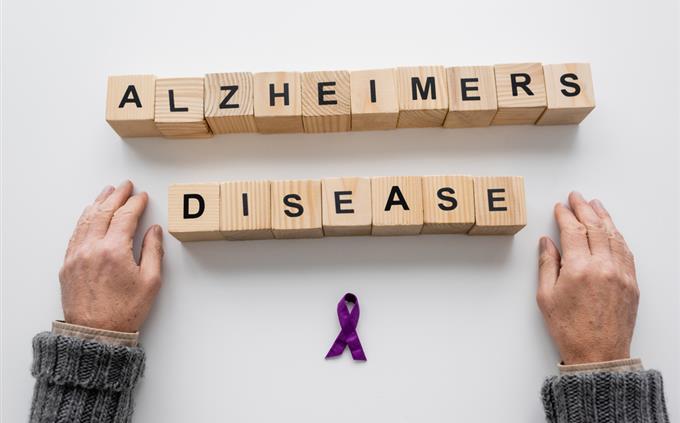
Welcome to our Dementia Awareness Quiz. This quiz is designed to test your knowledge and deepen your understanding of dementia, a condition that affects millions of individuals and families across the globe. Whether you're learning for personal reasons or to support someone you care about, this quiz offers a range of questions from basic facts to more intricate details about symptoms, risk factors, and current research. By participating, you not only assess your own awareness but also contribute to a larger conversation about health and aging.
What IS dementia?
A specific disease
A symptom of aging
A general term for loss of memory and other mental abilities
A type of migraine
Which of the following is a common EARLY symptom of dementia?
Difficulty finding the right words
Losing sense of direction in familiar places
Mood swings
Intense headache
What is believed to be a leading cause of dementia?
Vitamin C deficiency
Frequent physical exercise
abnormal build-up of proteins
Consumption of fast food
Which part of the brain is first affected by Alzheimer's Disease, a common type of dementia?
The frontal lobe
The occipital lobe
The hippocampus
The cerebellum
Can dementia be cured?
No, but it can be managed with treatment
Yes, with dietary changes
No, there's no way to stop or slow it down
Yes, with special antibiotics
Which of the following is not a typical form of non-Alzheimer’s dementia?
Hypertensive dementia is not a typical form of non-Alzheimer’s dementia. Vascular dementia, frontotemporal dementia, and Lewy body dementia are established types.
Vascular dementia
Frontotemporal dementia
Lewy body dementia
Hypertensive dementia
Which of these is a known risk factor for developing dementia?
High blood pressure can cause vascular damage and lead to brain atrophy as well as an increased risk of a stroke
High blood pressure
High protein diet
Over-exercising
Smoking marijuana
What role does genetics play in dementia?
No role
A minor role
A significant role, especially in early-onset forms
It is the only factor
True or False? High blood sugar is linked to an increased risk of developing dementia
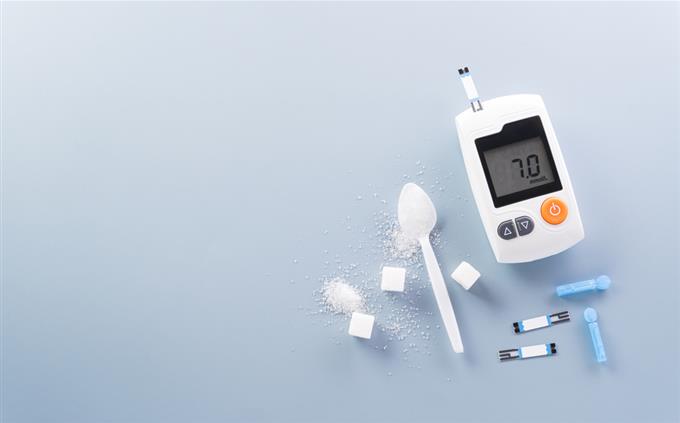
When blood sugar levels are consistently high, it can lead to damage in the blood vessels throughout the body, including those in the brain. This vascular damage can reduce blood flow to the brain, leading to vascular dementia. Additionally, high blood sugar can contribute to inflammation and other biochemical changes in the brain that may exacerbate the development of Alzheimer's disease and other types of dementia. Managing blood
True
False
What is the term for when dementia symptoms worsen in the evening?
Twilight confusion
Sundowning
Nightfall syndrome
Evening fog
How is dementia diagnosed?
Through a single blood test
By identifying symptoms and ruling out other conditions
Through a genetic test
Through a urine test
What percentage of dementia cases worldwide does Alzheimer’s disease account for?
About 40%
About 60%
About 80%
About 20%
Which imaging technique is most commonly used to observe brain changes in patients with suspected dementia?
Positron Emission Tomography (PET) is most commonly used to observe brain changes in patients with suspected dementia. PET scans can detect amyloid plaques and other changes related to dementia.
X-ray
Positron Emission Tomography (PET)
Ultrasound
Electroencephalogram (EEG)
Recent studies suggest that the risk of dementia can be reduced by managing hearing loss. What is the proposed mechanism for this relationship?
Recent studies suggest that managing hearing loss may reduce the risk of dementia because better hearing increases social interactions, which enhance cognitive reserve and overall brain health.
Improved hearing reduces brain strain and cognitive load
Hearing aids emit frequencies that stimulate brain activity
Better hearing increases social interactions, which enhance cognitive reserve
Managing hearing loss improves balance and prevents head injuries
ApoE4 is a gene variant known to influence the risk of developing Alzheimer's disease. How does having one ApoE4 allele compare to having two in terms of risk level?
Having one allele does not affect the risk
Having two alleles slightly increases the risk
Having one allele doubles the risk, while having two can multiply the risk by four
Having two alleles halves the risk compared to one
More Research Needed
Thank you for taking the time to complete our dementia awareness quiz. It looks like there are still some areas where you could benefit from more information. Dementia is a complex condition with many facets, and understanding it can help in recognizing the signs early and managing its progression effectively. We encourage you to read more about how lifestyle factors, medical treatments, and supportive care can impact dementia. Knowledge is power, especially when it comes to health matters that may affect us all as we age.
Well done on achieving a good score on our dementia awareness quiz! You've demonstrated a solid understanding of many key aspects of dementia, including its symptoms, risk factors, and the impact it has on individuals and families. This knowledge is crucial for early recognition and supportive care. Keep building on this foundation—perhaps by exploring the latest research on preventative measures and treatments. Staying informed helps everyone make better health decisions and provides support to those affected by dementia.
Impressive! Your results indicate a deep understanding of dementia, suggesting a high level of engagement with the subject matter, possibly through personal experience, professional training, or significant research. You've mastered complex topics like genetic factors, diagnostic techniques, and therapeutic interventions. As an expert, your insights could greatly benefit others who are seeking information or support. Consider sharing your knowledge through community groups, blogs, or seminars to help raise awareness and educate others about managing and understanding this challenging condition. Your expertise is a valuable resource in the fight against dementia.
Subscribe and REMOVE ALL ADS
LOVE our articles but HATE our ads? For only $3.89 per month, enjoy a seamless, ad-free experience that lets you focus on what matters most — enjoying all of our content, uninterrupted. 🔒 100% Secure Payment 📅 Cancel Anytime, No Strings Attached Unlock a cleaner, faster browsing experience today and gain the freedom to navigate without visual clutter.
Ready for a Ad-Free experience? Upgrade now for just $3.89/month!
To enable your Ad-Free Subscription, please fill the fields below
Thank you for your subscription!
Your subscription was successful, now you can enjoy an ad-free experience!! Note: To make sure you get no ads, please make sure to log in to your account. If you are logged in already, then refresh the page. The subscription can be cancelled at any time.
This content is reserved for our members
Join Our Community for FREE and Enjoy:
Full and free access to ALL content.
The 'Daily Mail' service sends the highest quality and the most fascinating content directly to your inbox.
 Shai K.
5/1/2024
Shai K.
5/1/2024







 Go to BabaMail