If your eyes have been itchier, your nose stuffier, and your sneezing more relentless than usual - you're not imagining it. Spring allergies are genuinely getting worse, and they're arriving earlier too. Experts say this trend is likely to continue, but there's quite a bit you can do to protect yourself.
The Season Is Starting Sooner - and Hitting Harder
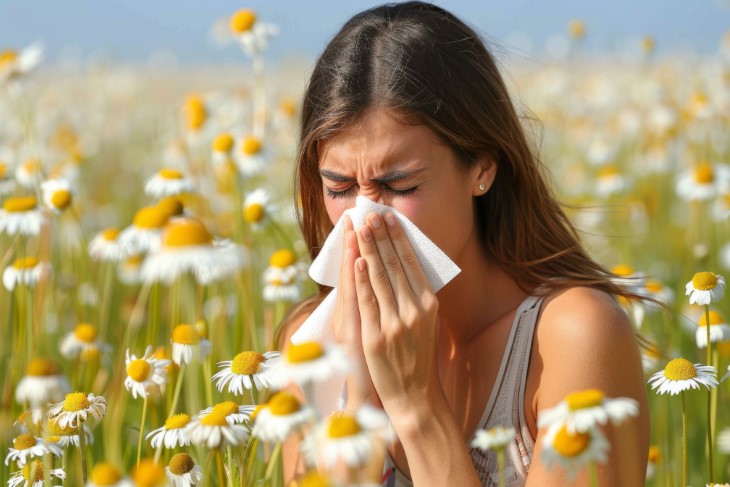
For the roughly 60 million Americans who suffer from seasonal allergies (also called hay fever) each year, the 2026 season is already off to an aggressive start. According to AccuWeather, pollen levels in the South and West began rising ahead of schedule, with forecasts pointing to stronger tree pollen seasons in certain regions and a potential grass pollen spike later in the year.
Research backs this up. A 2021 study found that pollen season now begins about 20 days earlier than it did in 1990 - and produces around 21% more pollen overall.
The culprit? Climate change. "Pollen seasons are getting earlier and earlier due to climate change, causing unseasonably high temperatures starting earlier than typical springtime," explains Dr. Purvi Parikh, an allergist with Allergy & Asthma Network. Higher CO2 levels in the atmosphere also encourage certain plants to become "super-pollinators" - producing larger quantities of pollen than they naturally would. The result: longer seasons, and stronger ones.
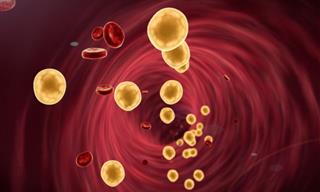
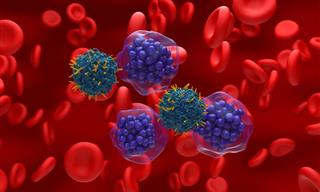
Here's the basic science behind what's happening in your body. When your immune system encounters a trigger like pollen, it produces IgE antibodies. Each time you're exposed after that, your immune system overreacts - releasing a chemical called histamine into your bloodstream, which causes that familiar cascade of sneezing, congestion, and itchy, watery eyes. The more pollen in the air, the more intense that reaction tends to be.
You may also notice your symptoms feel worse compared to a few years ago for another reason: during the COVID-19 pandemic, masks provided a surprising layer of protection against airborne allergens. With mask-wearing largely behind us, that buffer is gone.
How to Limit Your Pollen Exposure

You can't control the climate, but you can control how much pollen makes it into your daily life. A few practical steps go a long way.
On high-pollen days, avoid outdoor yard work like mowing the lawn, which stirs up allergens. Keep your windows and doors closed to prevent pollen from drifting inside and settling on surfaces. And if you've spent time outdoors, change your clothes when you get home - pollen clings to fabric and will follow you onto your couch and into your bed if you don't. A shower before bed is equally important: it washes pollen off your hair and skin and prevents it from irritating you through the night.
Managing Your Symptoms

Even with careful precautions, some exposure is hard to avoid. When symptoms strike, Dr. Parikh recommends 24-hour antihistamines like Claritin, Zyrtec, or Allegra. One important note: she advises steering clear of anti-allergy products that also contain decongestants, as these can actually make allergies worse over time.
For those who prefer a more natural approach, Dr. Fred Pescatore, author of The Allergy & Asthma Cure, recommends Pycnogenol French Maritime Pine Bark Extract, which works as an anti-inflammatory to help calm the body's reaction to allergens.
Your diet matters more than you might think, too. According to Dr. Pescatore, foods like sugar, gluten, and dairy can trigger inflammatory responses that amplify allergy symptoms. Replacing them with fresh, local, seasonal produce can help reduce that internal inflammation.
Finally, don't underestimate water. "Your body produces more histamines when it's dehydrated," Dr. Pescatore explains, "so drinking water can help prevent your symptoms from getting worse." It's one of the simplest - and most overlooked - tools in your allergy toolkit.
When It's Time to See a Doctor
Most allergy symptoms are uncomfortable but manageable. However, certain signs call for a medical visit. Dr. Parikh urges anyone experiencing breathing-related symptoms - coughing, wheezing, or shortness of breath - to see a physician promptly. Chest pain, pressure, or tightness are also red flags. "These can be signs that you are developing asthma, which can be deadly," she warns.
You should also check in with your doctor if eye, nose, throat, or skin symptoms aren't improving - or are getting worse - despite using over-the-counter medications.
Spring doesn't have to mean suffering. With the right habits and a little extra awareness this season, you can keep the sneezing to a minimum and actually enjoy the warmer weather.