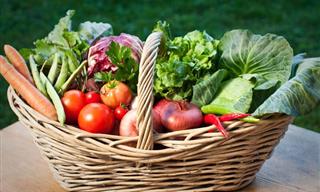
We've all been told the same thing for decades: eat your fruits and vegetables, choose whole grains, and you'll live a longer, healthier life. So when a new study suggested that young non-smokers who eat the most produce are actually more likely to develop lung cancer, it raised more than a few eyebrows. Before you toss out your apples and broccoli, though, let's take a careful look at what this research actually found—and what it doesn't tell us.
A Puzzling Pattern Among Young Non-Smokers
Researchers at the University of Southern California recently presented their findings at the annual meeting of the American Association for Cancer Research. The team looked at 187 people who had been diagnosed with lung cancer before the age of 50, asking them detailed questions about their smoking history, eating habits, and backgrounds.

What they discovered was striking. Most of the patients had never smoked a day in their lives, and the type of lung cancer they developed appeared biologically different from the kind typically caused by tobacco. Even more surprising? When researchers compared their diets to the average American's using the Healthy Eating Index—a scale that runs from 1 to 100—these lung cancer patients scored considerably higher. They averaged 65, while the typical American scores closer to 57. In other words, the very people getting sick were eating better than most of us.
Women, in particular, scored higher than men, which lines up with another concerning trend: among non-smokers age 50 and younger, women are now developing lung cancer at higher rates than men. Overall lung cancer rates in the United States have been dropping since the 1980s as smoking has declined, but this hasn't held true for younger non-smokers, especially women.
Could Pesticides Be the Culprit?
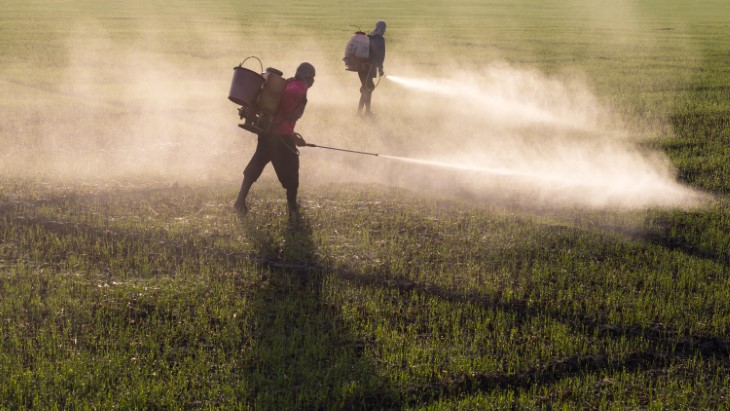
If healthy food itself isn't the problem, what could be driving this connection? The study's lead researcher, Dr. Jorge Nieva, suspects the answer may lie not in the produce itself, but in what's sprayed on it. Conventionally grown fruits, vegetables, and whole grains tend to carry higher levels of pesticide residue than processed foods, meat, or dairy. Previous research has already shown that agricultural workers exposed to pesticides on the job face higher rates of lung cancer, which lends some weight to the theory.
Still, the researchers are quick to point out that they didn't actually measure pesticide levels in their patients. That's the next step. They hope to test blood and urine samples from young lung cancer patients to see whether pesticide exposure can be directly linked to their illness.
Why You Shouldn't Panic - or Skip the Salad
Here's the most important takeaway from all this: the experts who reviewed the study are nearly unanimous in their advice. Don't change what's on your plate based on this single piece of research.

The study was small. It didn't prove that fruits and vegetables cause lung cancer—only that there's an unexpected pattern worth investigating. And decades of solid evidence continue to show that diets rich in produce help lower the risk of many cancers, heart disease, and other serious conditions. Cutting back on plant foods would almost certainly do more harm than good.
Dr. George Chaux, a pulmonologist in Santa Monica, pointed out that lung cancer in young non-smokers, while rising, remains relatively rare and seems linked to a combination of genetic predisposition and environmental exposure. Pesticides may be one piece of the puzzle, but they're unlikely to be the whole picture.
Smart Steps You Can Take Today
While the science continues to develop, there are simple, practical things you can do right now to reduce your exposure to pesticide residue without giving up the foods that nourish you:
Rinse everything thoroughly. Whether your produce is organic or conventional, washing it under cold running water with a bit of gentle friction can remove a meaningful amount of dirt, bacteria, and chemical residue. This applies to items you peel, too, since residue can transfer from your hands or knife to the flesh inside.
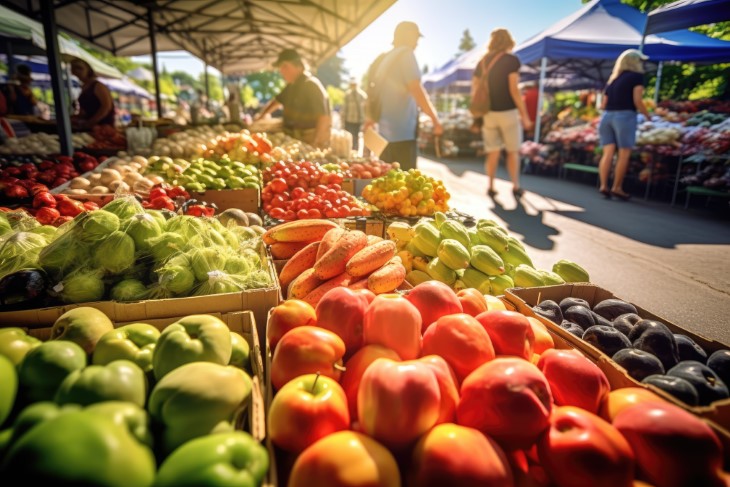
Visit your local farmers' market. Many small-scale growers use fewer pesticides than large commercial operations, and you can often ask them directly about their practices. The produce also tends to be fresher and more flavorful.
Try growing your own. Even a small herb garden on a windowsill or a few tomato plants on a patio can give you control over what goes onto your food—and there's something deeply satisfying about harvesting your own dinner.
Don't feel pressured to go fully organic. Organic produce can be considerably more expensive, and most experts agree that washing conventional produce well is a reasonable approach for most people.