
Acupuncture, a healing technique rooted in traditional Chinese medicine (TCM), may help temporarily lower blood pressure by reducing stress and influencing your body's hormones. However, more research is needed to understand how it may fit into a high blood pressure management plan.
This ancient practice involves placing very fine, flexible needles into specific spots on your body, called acupoints, to stimulate healing. Modern acupuncture can also include electroacupuncture, which channels an electric current between acupuncture needles.

Existing evidence exploring the benefits of acupuncture for hypertension remains fairly mixed. Some research shows promise, but other studies have found it difficult to eliminate bias and come up with consistent results.
Several smaller studies suggest that acupuncture may help improve high blood pressure:
A small 2015 study found that 33 participants treated with acupuncture had lower blood pressure after 8 weeks of treatment. Research from 2018 found that acupuncture treatments may help lower blood pressure for anywhere from 1 to 24 hours. A 2019 research review discovered that acupuncture combined with Western medicine approaches—which include medications and lifestyle changes—could help improve hypertension more effectively than Western medicine alone.

Even so, experts call into question the size, quality, and rigor of many of these studies.
Acupuncture may help lower blood pressure for some people, but many studies don't conduct follow-ups to determine how long any reductions in blood pressure may last. You may need sessions weekly, if not more frequently, to make acupuncture a viable long-term approach to lowering your blood pressure.
Larger, high-quality studies are needed to understand acupuncture's short- and long-term effects on hypertension.
According to TCM practitioners, acupuncture helps balance your body's qi, or vital energy. Acupoints are the specific points where qi can flow from your organs to the surface of your body. Meridians, or pathways, connect these external points to your internal organs.
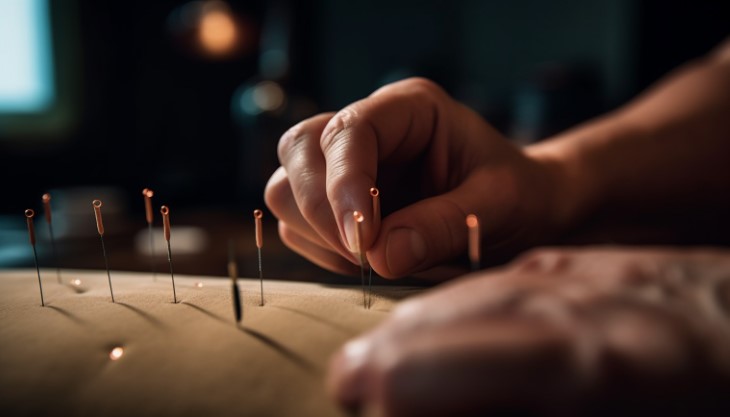
When an acupuncturist stimulates combinations of specific acupoints in the right way, it's thought to balance your qi and help regulate different bodily functions, including your blood pressure.
Scientific evidence has yet to identify exactly how acupuncture works, but stimulating certain points on your body may act on your body's central nervous system, influencing blood flow as well as the way your body produces key hormones.
When it comes to hypertension, acupuncture may help regulate your blood pressure by acting on the hormones involved in the renin-angiotensin-aldosterone system (RAAS). This system helps moderate your blood pressure and balances your fluids and electrolytes.
In particular, acupuncture may change how the hormones and enzymes in your RAAS show up in your blood and stimulate receptors in your body that regulate blood pressure.
Acupuncture could also act on your limbic system to increase your levels of the neurotransmitter dopamine, which plays a key role in your brain's reward system. Research from 2021 suggests that dopamine may lower oxidative stress—an excess of free radicals that can damage your cells—and help keep your blood pressure balanced.
Acupuncture may also have a relaxing effect on the walls of your arteries and veins, which may help lower your blood pressure.
Your acupuncturist will most likely tailor your treatment around your specific needs after conducting a health study, so they may focus on one or more acupoints during your session.
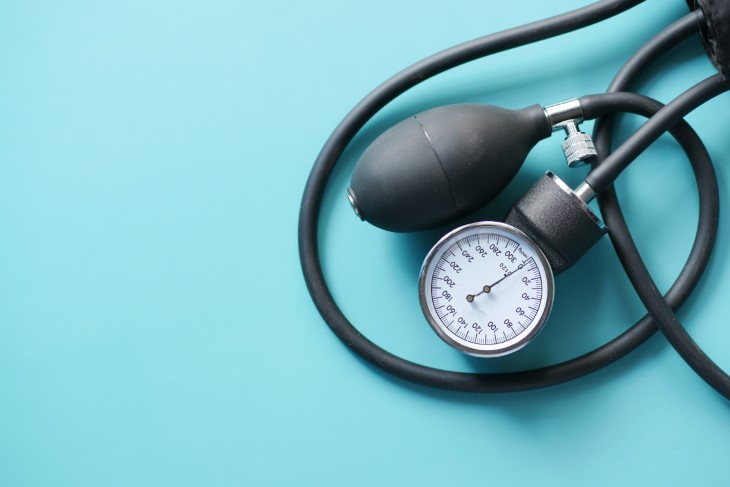
There are two main types of hypertension: primary (essential) and secondary. Some studies suggest that acupuncture could have potential benefits for both types.
Primary hypertension doesn't have a single identifiable cause. It typically relates to risk factors such as genetics, age, and lifestyle.
Secondary hypertension occurs due to certain health conditions, such as preeclampsia or obstructive sleep apnea (OSA), or medications. This type is less common.
Most research focuses on acupuncture for essential hypertension. According to a 2023 research review, acupuncture may help manage essential hypertension, but the researchers also emphasize that the overall quality of the existing evidence is low.
Many conditions can contribute to secondary hypertension, and studies that focus on these conditions have arrived at mixed results.
For example, a 2019 study of 44 people with OSA—a condition that can cause secondary hypertension—found that acupuncture seemed to have no effect on the participants' blood pressure.
However, a small 2018 study that included 22 pregnant women with preeclampsia, a condition that involves high blood pressure, found some potential benefits. Half the participants received up to 10 acupuncture sessions over 2 weeks, while the other half received treatment as usual. Adding acupuncture to the usual treatments for preeclampsia lowered both systolic and diastolic blood pressure more than the usual treatments alone.
Ultimately, more research is needed to fully understand acupuncture's role in managing blood pressure.
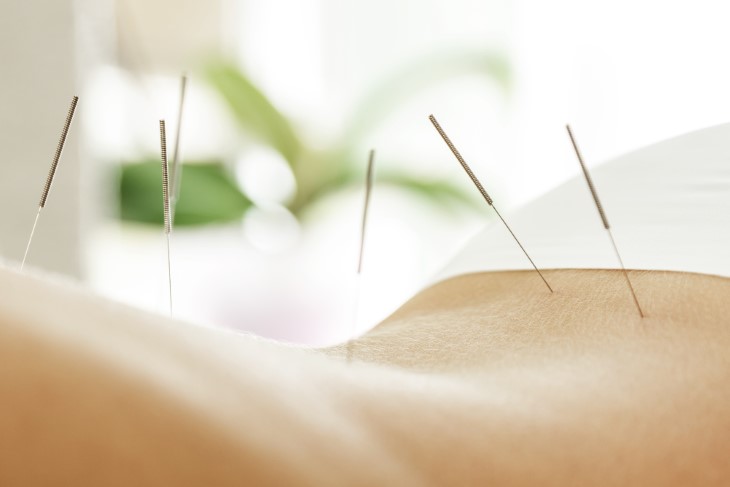
When performed by a board-certified acupuncturist, acupuncture is generally safe for most people, with little risk of side effects.
Side effects aren't common, but you may notice:
Issues can arise if your practitioner doesn't use sterile, single-use needles. But for trained and licensed acupuncturists, this is standard practice.
Improperly performed acupuncture may lead to infection or, in rare cases, severe side effects such as central nervous system injuries or punctured organs.
Talk with a healthcare professional before trying acupuncture to make sure it's safe for you. People with bleeding disorders, metal allergies, or other health conditions may need to find an alternative treatment. People with certain implantable devices, like defibrillators, should also avoid acupuncture that uses electric currents.
It's always best to opt for a board-certified acupuncturist.
In the United States, the National Certification Commission for Acupuncture and Oriental Medicine certifies acupuncturists. You can find a licensed acupuncturist in your area using their directory.
Other helpful tips for finding the right acupuncturist:
Once you find a potential acupuncturist, make sure they hold a current license to practice acupuncture, and feel free to ask any questions you have about the process. If they don't answer your questions to your satisfaction, or you don't feel comfortable with them, you may want to find someone who's a better fit.
While its effectiveness for lowering blood pressure in the long-term remains up for debate, smaller studies suggest acupuncture could temporarily help improve high blood pressure.
You can safely use acupuncture alongside most blood pressure medications, and this combination could do more to lower your blood pressure than medication alone.