
In the spring of 1943, the tide of the Second World War was beginning to turn. The Allies had just won the long campaign in North Africa, and their eyes turned across the Mediterranean toward Nazi-occupied Europe. The next target was obvious. Sicily, the great island at the toe of Italy, was the natural stepping stone into the continent. It was so obvious, in fact, that Winston Churchill himself remarked that anybody but a fool could see Sicily was where the Allies would strike next.
And that was precisely the problem. If the British and Americans could see it, so could Hitler. The Germans would fortify the island and turn the landing into a bloodbath. The Allies needed Hitler to look the other way. What followed was one of the strangest and most brilliant deceptions in the history of warfare, and at its center was a dead man who had never existed.
The seed of the idea came from a memo written early in the war by British naval intelligence. Among its list of tricks for fooling the enemy was a curious suggestion: plant false documents on a corpse and let the other side find them. The likely author of that memo was a young intelligence assistant named Ian Fleming, who years later would become world famous as the creator of James Bond.
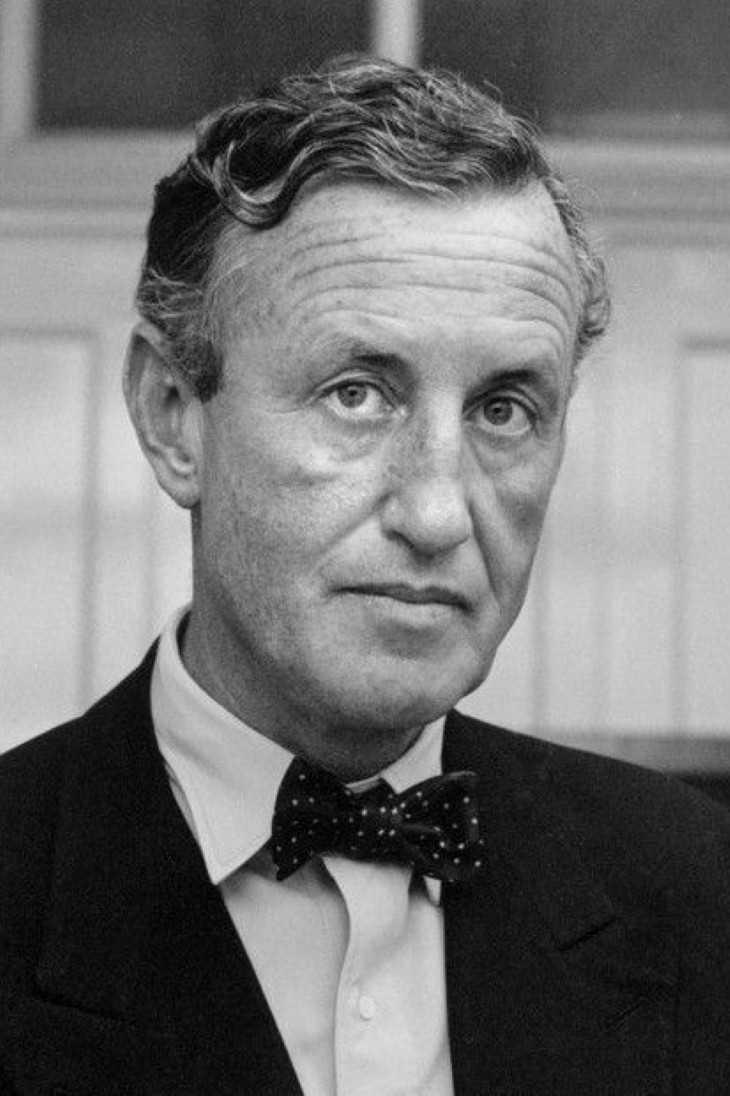
Ian fleming
The notion sat on a shelf until two officers picked it up and ran with it. One was Ewen Montagu, a sharp naval intelligence officer and lawyer in civilian life. The other was Charles Cholmondeley, an inventive officer from the Royal Air Force. Together they built the scheme into a full operation, and gave it a darkly fitting code name: Mincemeat.
The plan needed a body, and finding one was no small matter. It had to be a man who appeared to have died recently and naturally, with no family who would ask questions. The team eventually obtained the body of a homeless Welshman named Glyndwr Michael, who had died at the age of 34 after ingesting rat poison. In death, this man who had lived unknown and unloved would help change the course of the war.
From this corpse, Montagu and Cholmondeley constructed an entire human being. They named him Captain William Martin, given the acting rank of Major in the Royal Marines. The rank was chosen with care. It was senior enough that he might plausibly carry secret documents, yet junior enough that no German officer would expect to have heard of him.
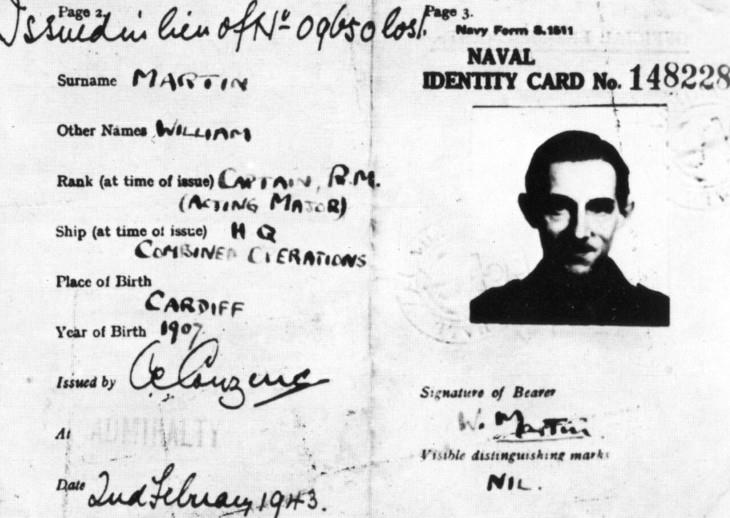
Martin's ID
Then came the details, and the details were everything. They filled his pockets with the small debris of an ordinary life, what they called pocket litter. There was an identity card, a photograph of a sweetheart named Pam, two tender love letters from her, and a receipt for an engagement ring. The photograph was actually of a young woman who worked in British intelligence. They added theater ticket stubs, a letter from a stern father, a bill from his tailor, keys, cigarettes, and matches. Each item was a brushstroke, painting a living, breathing young officer who had a fiancée, money troubles, and an evening at the theater just before he flew off to war.
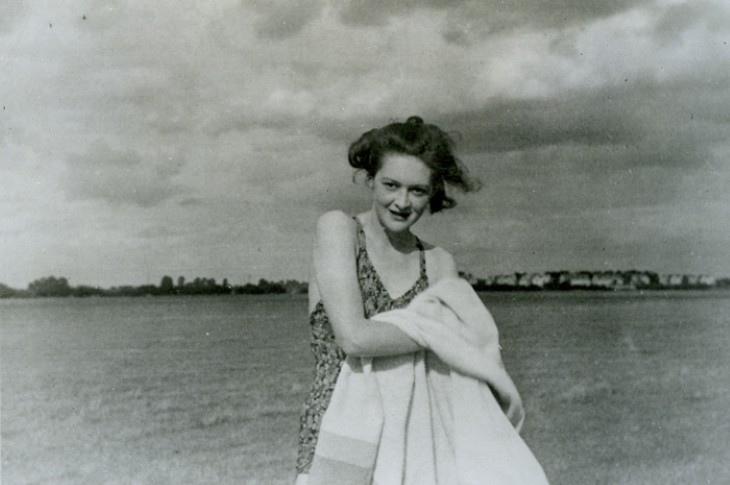
The photo of the woman who was actually in the intelligence service
The real purpose of all this was a single set of papers, tucked into a briefcase. The documents were written to look like private correspondence between senior British generals. Their carefully crafted message was that the Allies were planning to invade Greece and Sardinia, and that any move against Sicily would be only a feint, a fake attack meant to draw attention away from the true targets.
In other words, the papers told Hitler the exact opposite of the truth. If he believed them, he would rush his troops to defend Greece and the wrong islands, leaving Sicily exposed.
On the last day of April in 1943, a British submarine slipped quietly through the waters off the southern coast of Spain. There, just off the town of Huelva, the crew gently lowered the body of Major Martin into the sea and let the current carry him toward shore.
Spain had been chosen with great thought. Though officially neutral in the war, its government was riddled with Nazi sympathizers, and the area around Huelva was known to host German agents who would surely take an interest in a dead British officer carrying a briefcase. The local currents were right, and the coroner was unlikely to examine the body too closely. Everything had been arranged so the trap would spring exactly as intended.
A fisherman discovered the body the next morning. Just as the British had hoped, Spanish officials quietly opened the briefcase, photographed the secret papers, and passed copies to German intelligence before returning the originals. To make the bait even more tempting, the British in London put on a frantic show, sending urgent messages pleading for the return of the highly important documents. Nothing makes a secret more believable than someone desperate to get it back.
The Germans took the bait completely. The forged letters made their way up the chain of command to Hitler himself, who became convinced that Greece and Sardinia were the real targets. He acted on that belief with great energy. Troops on Sardinia were doubled. German divisions were sent toward Greece and the Balkans. A prized armored division was moved all the way from France, and torpedo boats were shifted away from Sicily. Hitler even pulled forces from the Russian front, weakening his position in the great battles raging in the east.
So thoroughly was the deception believed that even after the Allies actually landed on Sicily, some German commanders still expected the main blow to fall elsewhere.
On the ninth of July, 1943, the Allies launched the real invasion of Sicily. Over three days, more than 150,000 troops came ashore, supported by some 3,000 ships and 4,000 aircraft. Because Hitler had scattered his strength to defend places that were never in danger, the island was far less protected than it should have been.
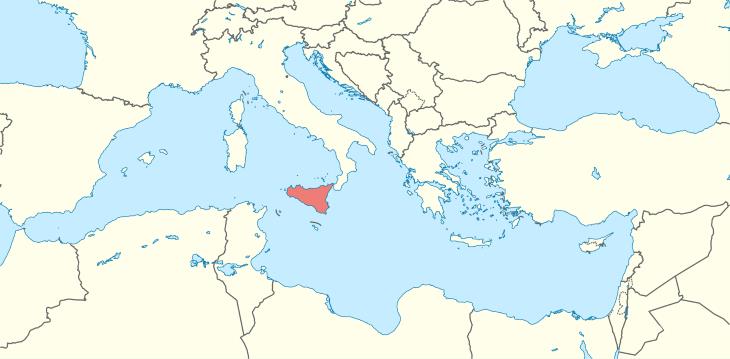
The results were striking. Sicily fell to the Allies in just 38 days, far quicker than the 90 days the planners had feared, and at a far smaller cost in lives. The shock of the invasion helped topple the Italian dictator Benito Mussolini from power within weeks. A single dead man, dressed in a borrowed uniform and carrying a packet of lies, had helped open the door to the liberation of Europe.
For decades, the true identity of the body remained one of the war's best-kept secrets. The grave in Huelva bore only the name of William Martin, the officer who had never lived. Not until 1997 did the truth finally appear on the headstone, when the name of Glyndwr Michael was added at last, with a quiet line noting that he had served as Major William Martin.
It is a haunting and rather moving footnote. A man who had nothing in life, who died alone and forgotten, ended up performing one of the most valuable services of the entire war. He could never have known it, but the homeless Welshman became, in the end, a most unlikely hero, the man who never was, and yet the man who helped change everything.