1. Nadi – The Perfect Place for a Cultural Encounter
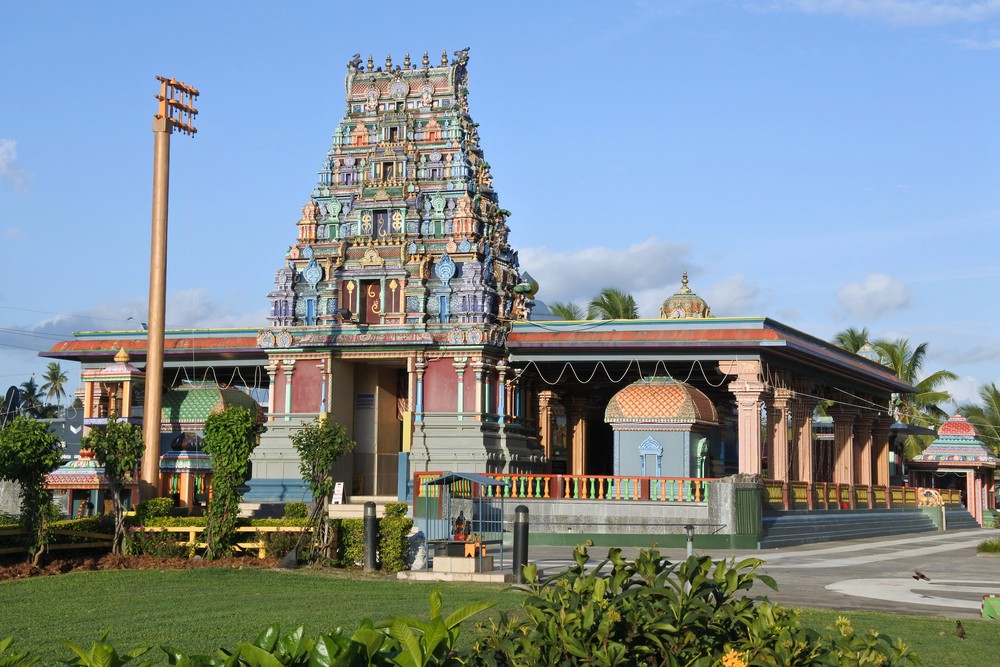
Nadi is home to Fiji’s international airport, and it’s likely where you’ll start your trip. You’ll meet locals, sit in cafes, party in bars and nightclubs, and even participate in the traditional kava-drinking ceremony. At the edge of the city is the colorful Sri Siva Subramaniya Temple, a perfect spot for photos, and there are also plenty of high-quality hotels and restaurants. Wailoaloa Beach, southwest of the airport, comes alive every evening as locals gather to drink beer and cocktails to the sound of live music – don’t miss it!
2. Yasawa Islands – For Those Who Want to "Escape to a Deserted Island"
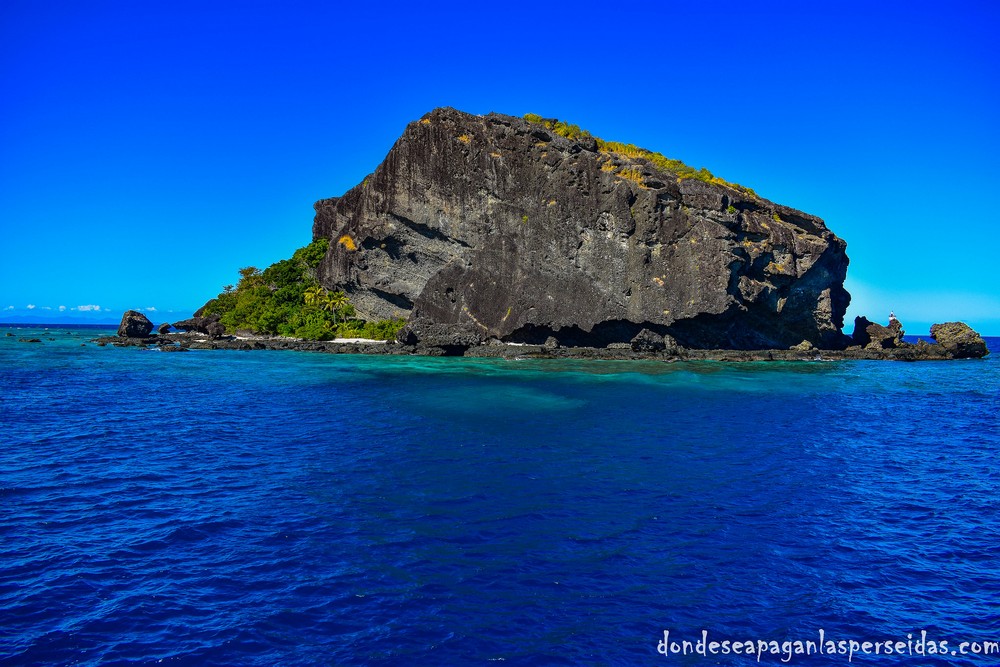
This narrow strip of islands stretches along Fiji’s northwest border, where you can dive with reef sharks on Kuata Island, swim in limestone caves on Sawa-i-Lau, experience local life on Yasawa, watch manta rays swim in Drawaqa’s waters, or simply relax at one of the many resorts lining the coast. It takes two to three hours to reach the island by ferry from Viti Levu, and you can visit for just a day or continue to other destinations.
3. Rainbow Reef – The Perfect Place for Diving
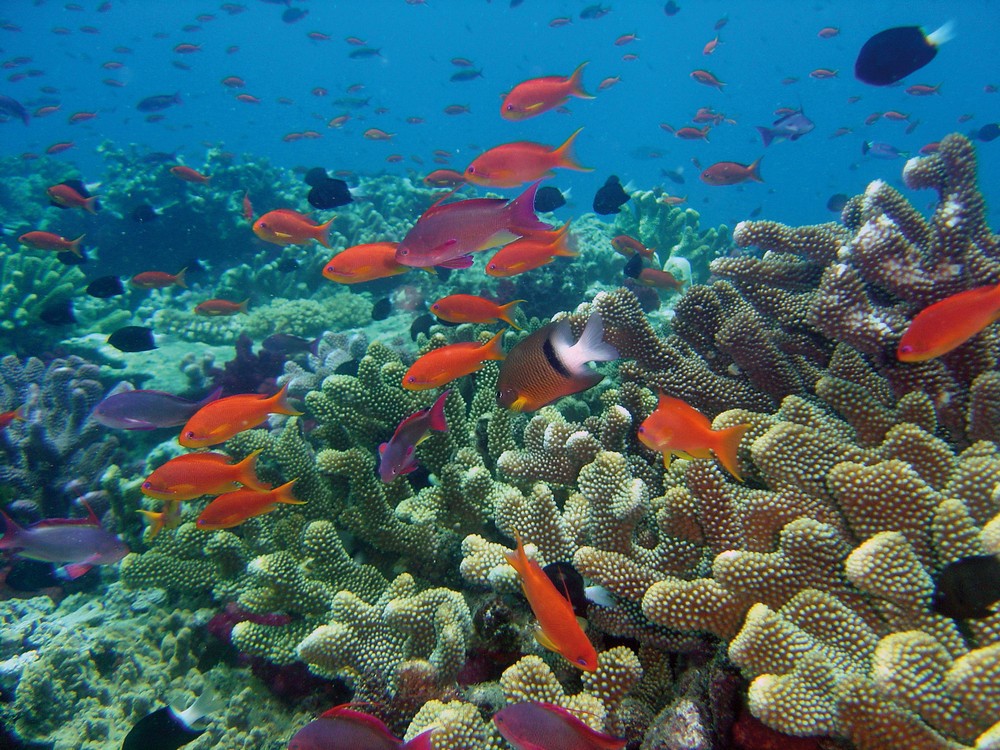
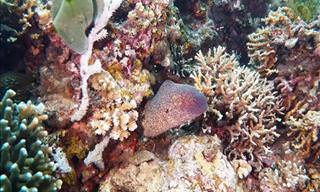
The name already hints at what to expect here. This is a colorful and stunning reef, home to over 200 species of corals with different colors and textures. It’s one of the most recommended diving spots in the world, reaching depths of 65 meters, where you can see sharks, manta rays, turtles, and even humpback whales at different times of the year. The top diving sites are Great White Wall and Cabbage Patch, and you can reach the reef by a half-hour boat ride from Taveuni Island, where you can book a morning dive through various dive shops.
4. Savusavu – The Perfect Place for Families
This town has earned a reputation for its diving sites but also for its shopping experience. They produce organic chocolate, you can find authentic Fiji pearls, and a two-hour boat ride takes you to Namena Marine Reserve, one of the most unique diving spots. There are also great nature and spa sites, many of which are suitable for families looking for a relaxing yet exciting vacation.
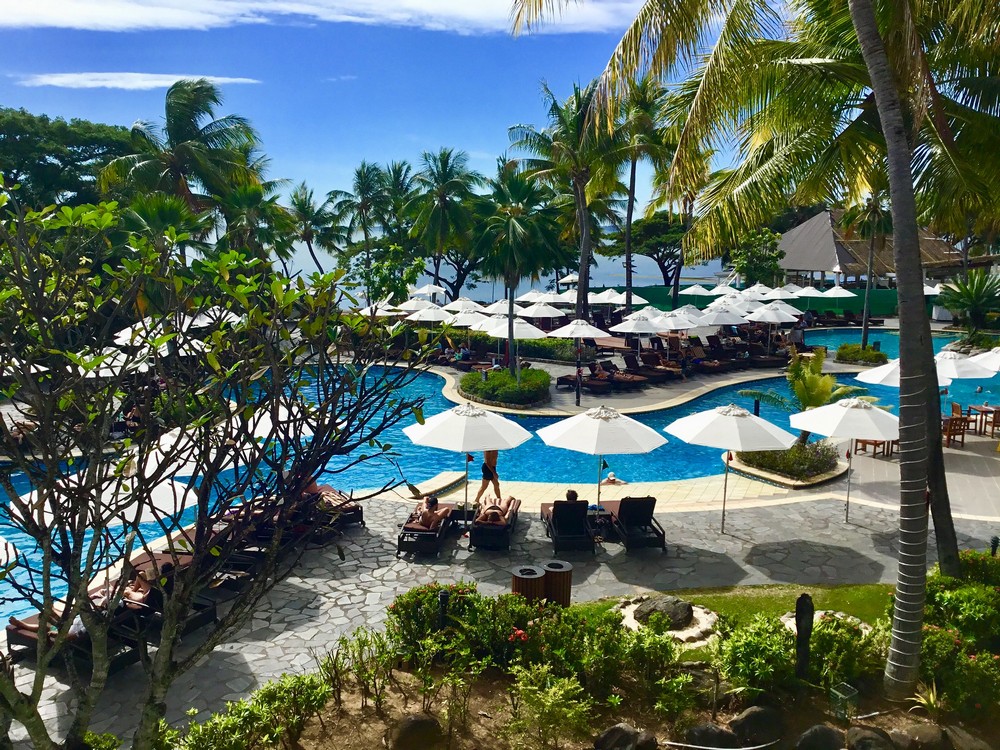
5. Denarau – Recommended for Those Seeking a Luxurious Experience
This artificial island is full of high-end resorts, where you can enjoy golf courses, a water park, and boutique shops for fashion and art. You can easily spend a few relaxing days here (even with kids), including boat trips, water sports activities, quality restaurants, and, of course, pampering by the pool at your chosen resort.
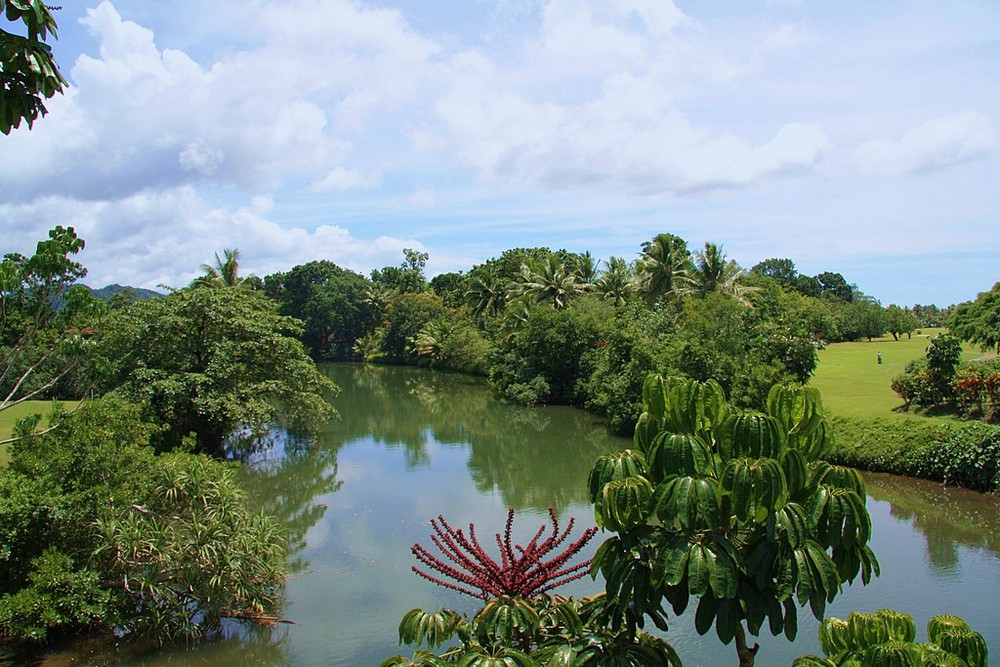
6. Pacific Harbour – For Nature and Scenery Lovers
This is the place where adventurers flock to in Fiji, as it offers a variety of adrenaline-pumping activities, all in nature. You can dive with bull sharks, go rafting, or hike through the canyons and mountains scattered across the island. Visitors often choose to stay at one of the resorts here for a night or two, and you can also take a boat trip to Beqa Island from here.
7. Wailoaloa – A Great Place for Long and Remote Nature Trips
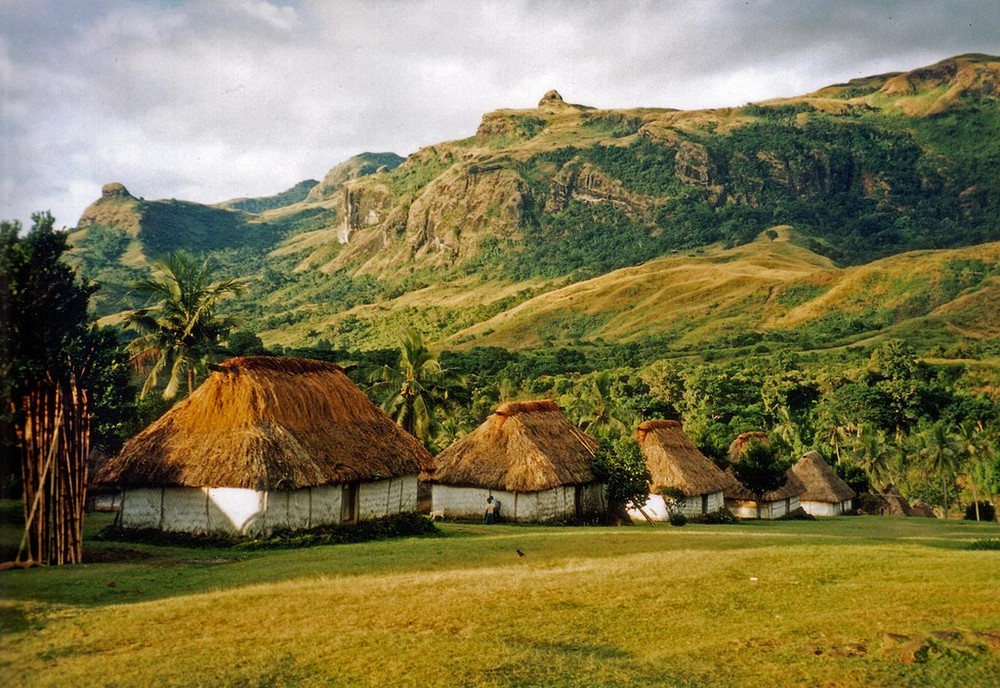
You can go on boat and nature trips almost anywhere in Fiji, but the boats departing from Wailoaloa can take you to stunning nature sites that will keep you occupied for entire days. You can climb Mount Tomanivi, Fiji’s highest peak, visit the Nabalesere Waterfall, explore the traditional Navala Village, or watch dolphins during a boat trip around Moon Reef.
8. Suva – A Great Place with an Urban Landscape
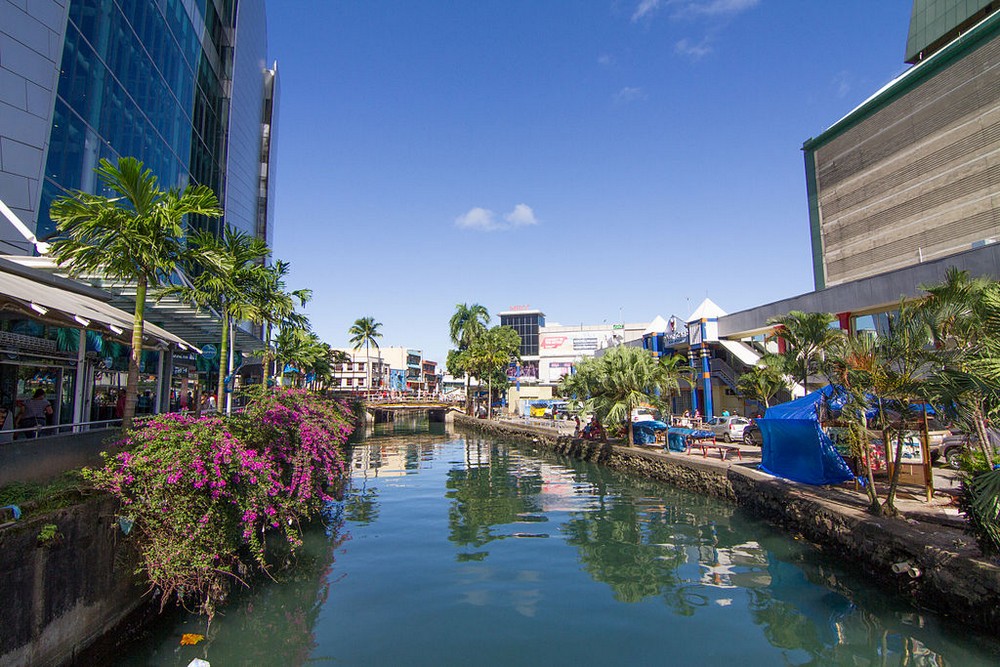
Suva is less popular among travelers, but unjustly so. It has beautiful buildings, colorful gardens, and parks adorned with palm trees planted in the 19th and 20th centuries. It’s a perfect spot for photographers looking to capture more commercial and vibrant areas, with plenty of malls, shops, and markets where you can find things you won’t see anywhere else in Fiji. If you have an extra day or two and don’t know what to do, it’s recommended to come here and simply stroll the streets with pleasure. Don’t forget to visit the Fiji Museum to learn about the country’s history.
9. Ovalau – For History Enthusiasts
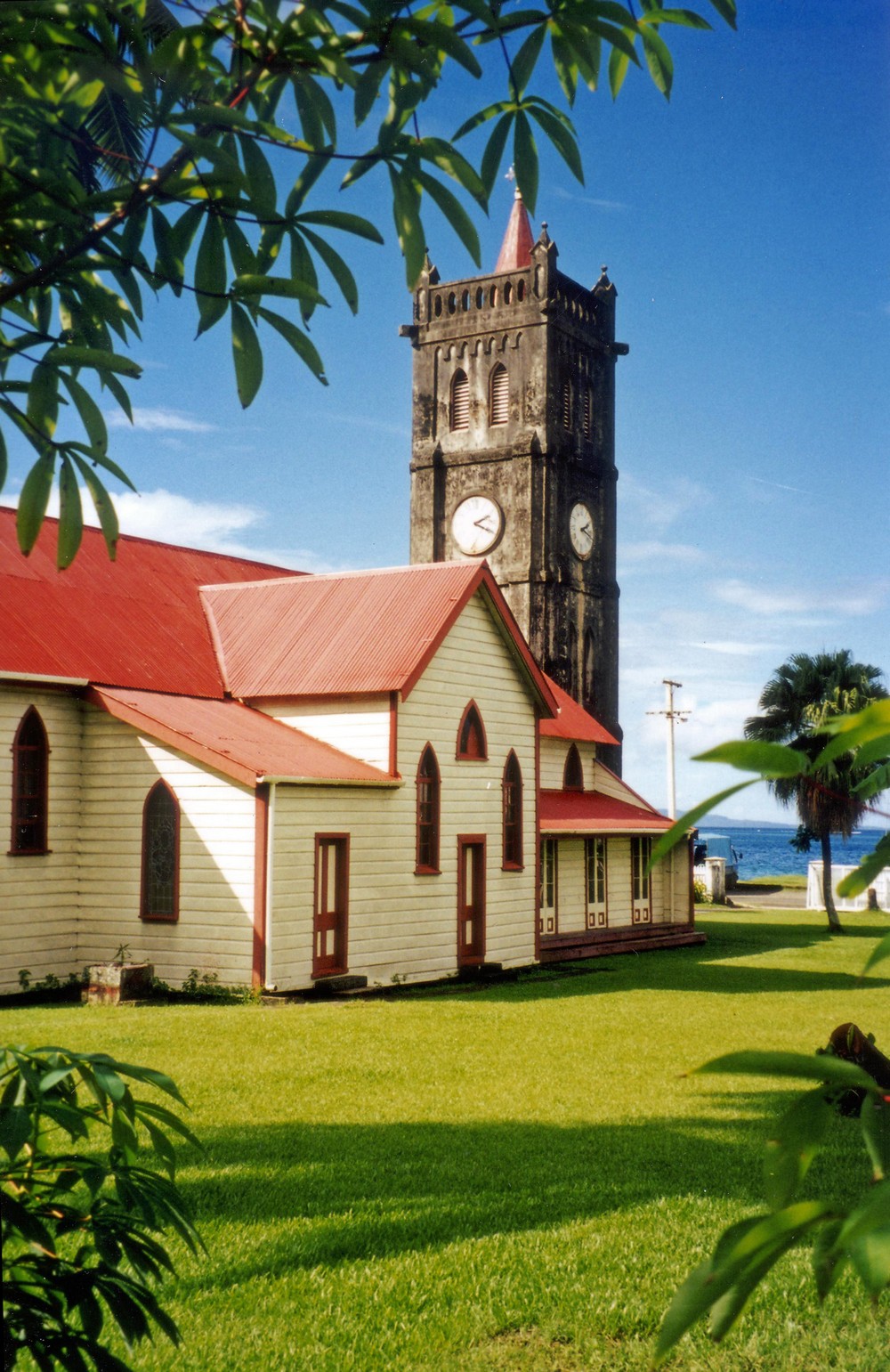
Ovalau Island is steeped in history, having experienced a boom in the 19th century that attracted traders, missionaries, and sailors from around the world. The charm it had back then still lingers today, and it’s strongly felt when observing the well-maintained and preserved buildings on the streets, including banks, churches, schools, and even old police stations. For brief moments, this island might even make you think you’re in Europe!