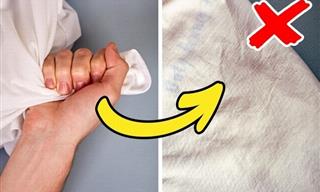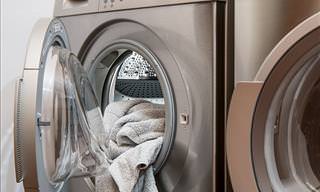

Over time, your linens and towels may become rigid, appear grimy and faded, or lose their ability to absorb water effectively. Before discarding them, consider this: The technique known as laundry stripping can eliminate accumulated residue that stems from excessive detergent or fabric softener use, mineral deposits from hard water, or oils from the body.
In 2020, this cleaning approach became a viral sensation online, and today, #Cleantok users continue to test the technique. Simply described, the process requires soaking fabric items in a borax solution. The method frequently produces bathtubs full of cloudy, dark water — suggesting the materials were far grimier than anticipated, though this isn't necessarily accurate.
Prior to attempting this popular cleaning technique, it's essential to understand precisely what laundry stripping entails and whether this labor-intensive procedure is appropriate for your garments and linens.
Laundry stripping represents an intensive cleaning technique designed to eliminate residue from textiles. This accumulation may originate from body oils, hard water minerals, fabric softener, or excess detergent that has become embedded in the fibers of garments, towels, or linens. The procedure requires significant time investment: Towels, linens, or clothing must remain submerged in a hot water bath containing borax, washing soda (sodium carbonate), and laundry detergent until the water reaches room temperature — typically requiring no less than four hours.
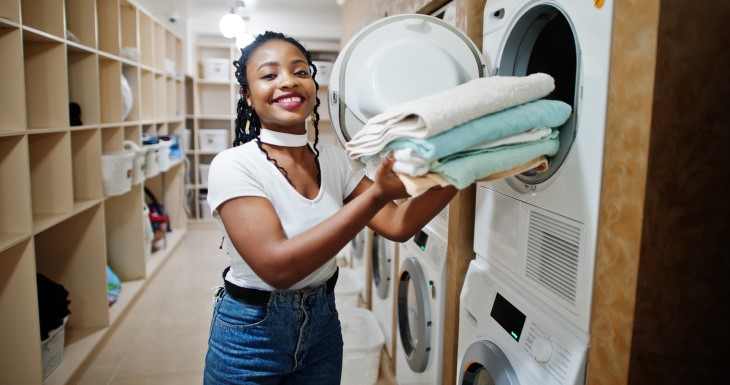
Required Materials:
Refrain from treating colored textiles, delicate pieces, and materials susceptible to shrinkage using this approach. Laundry stripping performs optimally on white, light-colored, and colorfast bath towels and bedding that can withstand hot water cleaning without color loss. Always verify an item's care label — any piece requiring cold, cool, or warm water washing may experience fading or shrinkage from the elevated temperatures necessary for laundry stripping.
We advise against soaking colored materials, as the dyes may bleed — partially accounting for why the water frequently becomes dark brown or gray throughout the stripping procedure. Should you choose to soak colored items, keep them separate from whites to prevent unintended dye transfer.
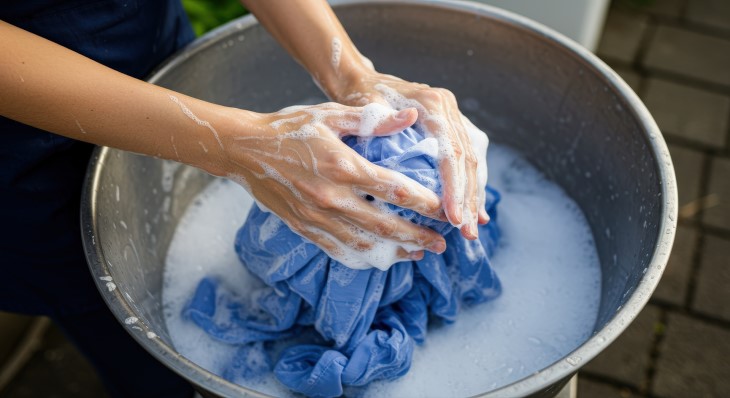
Our assessment suggests it isn't. Though laundry stripping can prove effective, regular stripping of towels and linens shouldn't be necessary when following proper washing protocols. Additionally, laundry stripping demands considerable time and effort. Certain situations may warrant laundry stripping, particularly when you observe buildup following washes with homemade detergent, excessive or frequent dryer sheet or liquid fabric softener application, or residence in a hard water region without an installed water softening system.
When you successfully prevent buildup in your textiles, laundry stripping becomes largely unnecessary. Implement these intelligent laundry habits with every load: