
Cuticle oil is a skincare product that can work wonders for the health and appearance of your nails and the skin surrounding them. You can purchase ready-made cuticle oil in stores or online, but making it at home is simpler than it seems, and this way you can control exactly what goes on your nails.
Why Should You Use Cuticle Oil?
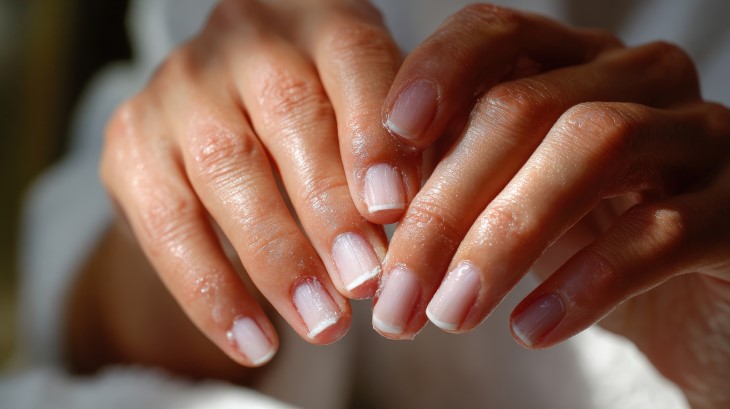
Cuticles, that delicate layer of skin that protects the base of your fingernails and toenails, are exposed to numerous hazards in daily life. Dry weather, frequent handwashing, exposure to chemicals like chlorine, and even cosmetic damage from manicures or artificial nails – all of these can harm cuticle health and cause them to crack, dry out, or become injured.
Cuticle oil helps in several important ways:
Moisture and Improved Appearance: The oil provides deep hydration to the cuticles and surrounding skin, reducing dryness, cracking, hangnails, and other damage. Research shows that hydrated nails bend instead of breaking – that's exactly the distinction between healthy and brittle nails.
Natural Protection: Healthy cuticles provide a natural protective barrier for the nail itself. When cuticles are dry or damaged, this protection weakens, which may increase the risk of inflammation or infections like paronychia. Bacteria or other microorganisms can enter through damaged cuticles and spread to the nail, nail bed, or in severe cases to other parts of the finger.
Antibacterial Properties: Many ingredients in cuticle oils, especially essential oils like tea tree oil and lavender, have natural antibacterial and antifungal properties. These qualities help prevent infections and fungi that could damage the nail structure and cause discoloration or damage.
Extended Manicure Life: Consistent use of cuticle oil can help gel or acrylic manicures last longer. The oil prevents gel and acrylic from drying out, which leads to chipping and peeling.
Protection Against Chemotherapy Damage: Research suggests that cuticle oil may help protect nails from damage caused by chemotherapy treatments, though more research is needed in this area.
Many people believe that applying cuticle oil can stimulate nail growth by increasing blood circulation to the area. The idea is that the combination of nutrient-rich ingredients together with the massage process used to apply the oil creates improved blood flow in the nail area, thereby stimulating growth.
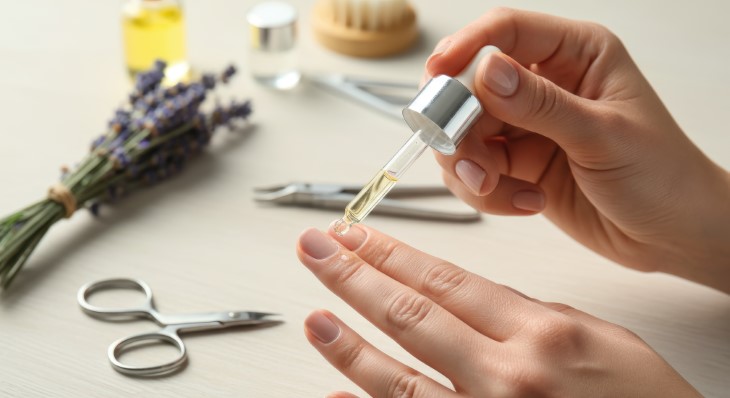
However, it's important to note that there is no solid scientific evidence for this claim. Most of the benefit comes from the oil's ability to prevent breaking and cracking, thus allowing the nail to grow to its natural length without breaking. Hydrated and flexible nails are simply stronger and able to grow without damage.
Cuticle oils can be made from one type of oil, like jojoba oil, or they may be a combination of several oils. Most oils are plant-based like jojoba, tea tree, almond, avocado, or grapeseed, and some may also contain B vitamins or vitamin E.
Jojoba Oil – The Leading Star: Jojoba oil has received special attention in research on nail care. Technically, it's a wax ester rather than an oil, and it's remarkably similar to sebum (the natural oil our bodies produce). The molecular structure of jojoba is almost identical to sebum, which allows it to penetrate through the keratin layers that make up the nail.
Nail expert Doug Schoon explains in his book "Nail Structure and Product Chemistry" that only two molecules are small enough to pass through the 50 layers of keratin that make up nails – water and sebum. Jojoba oil, thanks to its molecular similarity to sebum, is the only oil that can actually penetrate into the nail plate and work between the keratin fibers.
Essential Oils and Fragrances: Some oils include essential oils to give them a pleasant scent. People who are sensitive to fragrances or have skin conditions that may be triggered by fragrances, like eczema, may want to avoid these.
Important Tip: Thinner oils absorb much more easily than thicker oils. You can apply a thinner oil with a cotton swab or apply it with a small brush, and massage the oil in to help it absorb. Depending on how damaged your cuticles are, you may want to apply cuticle oil once a day or more often.
Making cuticle oil at home is relatively simple and cost-effective. You can repurpose plant-based oils like jojoba, grapeseed, flaxseed, almond, avocado, or olive oil – but remember that thicker oils, like coconut oil, may not absorb as easily as thinner oils.
Basic Homemade Cuticle Oil Recipe:
Ingredients:
Recommended Essential Oils:

Preparation Method:
Additional Tips for DIY Preparation:
Proper Storage: Keep your homemade cuticle oil in a cool, dark place, away from direct light. Light can oxidize delicate essential oils and shorten shelf life. Under proper storage conditions, the oil will last up to one year.
Identifying Spoiled Oil: If you notice a rancid smell or a change in color or consistency, it's time to throw out the oil and make a fresh batch.
Personalization: You can add additional ingredients like castor oil (known for its antibacterial properties and helpful for hair and eyelash growth), camellia oil, or rosehip oil, depending on your personal preferences and needs.
Creative Scents: Experiment with different combinations of essential oils to find the scent you love most. Some people add vanilla, rose, or even mint for a pleasant cooling sensation.
Frequency of Use: How often you use it depends on the condition of your cuticles. If your cuticles are very dry or damaged, apply the oil twice daily – once in the morning and once before bed. For healthier cuticles, once a day is sufficient.
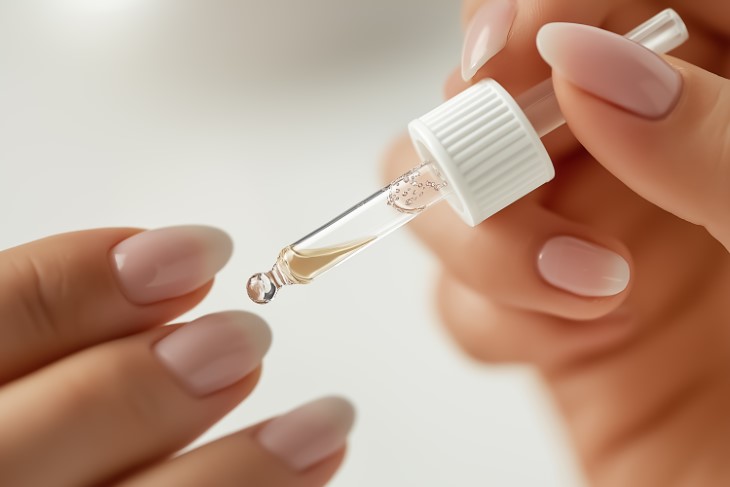
Proper Application Technique: Place a few small drops on each nail and cuticle, or use a roller or brush. Gently massage the oil into the cuticles and surrounding skin for a minute or two. Massage helps the oil penetrate better and improves blood circulation.
Ideal Application Times:
Before Bed: This is an excellent time to apply cuticle oil, as the oil can absorb throughout the night without interruption.
After Washing Hands: Frequent handwashing dries out cuticles. Applying oil after washing hands helps restore lost moisture.
Before Manicures: Applying oil before painting nails softens the cuticles and makes them easier to push back. Just make sure the oil is completely absorbed before applying polish so the polish adheres properly.
After Polish Removal: Nail polish removers and acetone dry out nails. Applying oil immediately after removing polish helps restore lost moisture.
Safety: Cuticle oil is typically safe for most people. However, if you have known allergies to almonds, olive oil, or certain essential oils, avoid them and choose suitable alternatives.
Research Limitations: It's important to note that there isn't much scientific research on cuticle oil or the benefits of different formulations. Vitamin E may have some nail-protecting properties, and essential oils like lavender oil may have anti-inflammatory effects, but they haven't been studied specifically in cuticle oils.
Consult a Dermatologist: If you're not sure about using cuticle oil, or if you have existing skin or nail problems, it's recommended to consult with a dermatologist first. They can help you understand your options and figure out what may work best for you.
Cuticle oil can be a helpful way to keep your cuticles strong and healthy, which may in turn help protect your nails. These oils are often plant-based and may contain other vitamins or essential oils.
Making cuticle oil at home is cost-effective, simple, and gives you complete control over the ingredients. By choosing high-quality oils and customizing the formula to your needs, you can create a personalized skincare product that's perfect for your nails.
Remember – healthy nails start with consistent care. Daily application of cuticle oil, along with good care habits like wearing gloves when using cleaning products, maintaining a balanced diet, and avoiding harsh chemicals, can make a significant difference in the appearance and health of your nails.