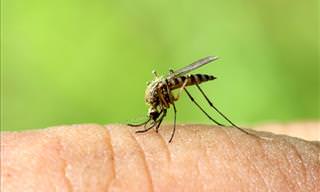

There is nothing quite like a warm summer day spent outdoors, whether you are gardening in the backyard, hiking a wooded trail, or simply enjoying a picnic in the park. Unfortunately, the same conditions that make summer so pleasant for us are also exactly what ticks are waiting for. These tiny creatures become especially active in the warmer months, and they can turn an otherwise lovely afternoon into a source of worry. The good news is that with a little knowledge and a few simple habits, you can dramatically reduce your chances of an unwelcome encounter, and you can handle any tick you do find calmly and correctly.
What Brings Ticks Out in the Summer?
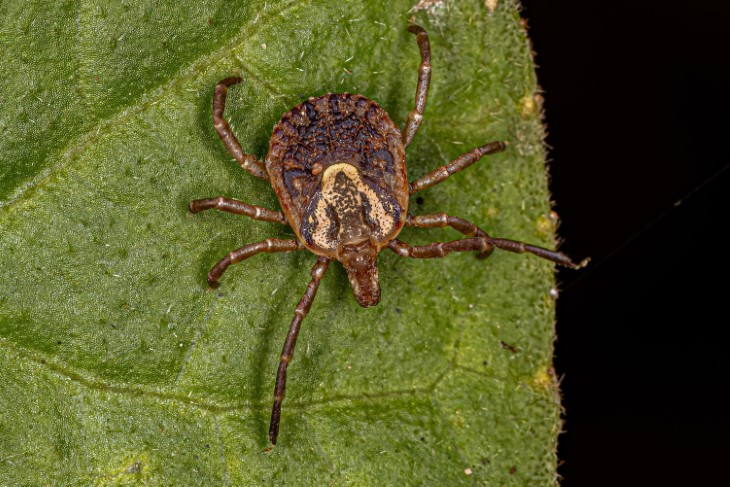
Ticks are not insects at all. They are arachnids, more closely related to spiders than to mosquitoes or flies. They survive by feeding on the blood of animals and people, and they are remarkably patient about finding a meal. Unlike a mosquito that flies to you, a tick cannot jump or fly. Instead, it relies on a behavior known as questing. It climbs to the tip of a blade of grass or the edge of a leaf, stretches out its front legs, and simply waits for a warm body to brush past. When you or your pet walk by, the tick grabs on and begins searching for a good spot to attach.
Summer is prime tick season for a few clear reasons. Warmth and humidity allow ticks to stay active and reproduce, and the eggs laid earlier in the year hatch into hungry young ticks looking for their first meal. At the same time, this is when people and animals spend the most time outdoors, walking through the tall grass, brush, and leaf litter where ticks like to wait. The combination of more ticks and more outdoor activity is what makes the season so risky.
Certain places are far more likely to harbor ticks than others. They tend to gather in shady, moist areas with plenty of vegetation. Wooded areas, the edges where lawns meet forest, tall grass, piles of leaves, and overgrown shrubs are all favorite hiding spots. Even your own yard can host them, particularly if you have wooded borders, ground cover, or areas where wildlife like deer and mice pass through. Pets are especially good at picking up ticks because they move low to the ground and push through exactly the kind of brush where ticks lie in wait.
One of the trickiest things about ticks is that their bite is usually painless. They release a numbing substance in their saliva, so you typically will not feel them attach or feed. This is why a thorough check after spending time outdoors is so important. You cannot rely on a sensation to alert you.
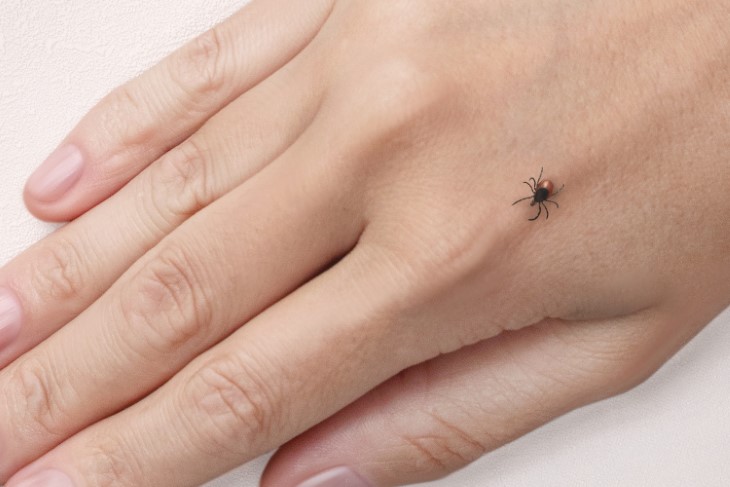
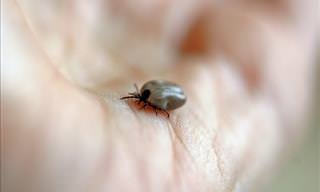
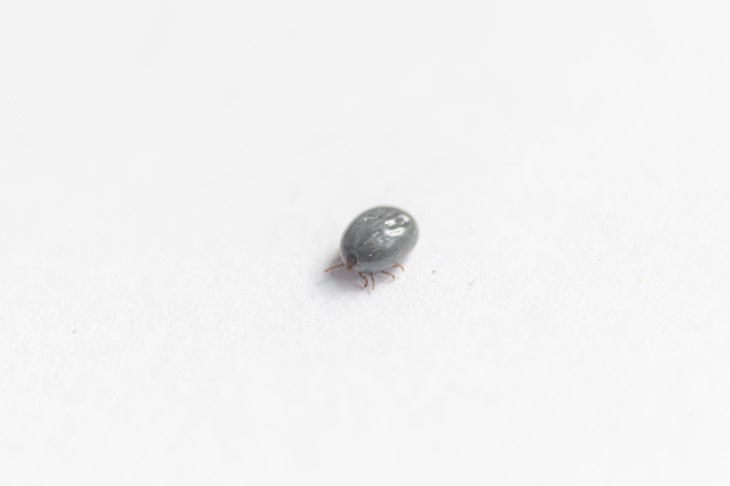
When you look for ticks on yourself, you are searching for a small dark spot that was not there before. A tick that has not yet fed can be as tiny as a poppy seed, while one that has been feeding for a while swells up and can look like a small grayish or brownish bean attached to the skin. Run your fingers slowly over your skin and feel for any small bump. Pay special attention to warm, hidden areas, since ticks prefer to attach where the skin is soft and they are less likely to be disturbed. The most common spots include behind the knees, in the groin area, around the waist, in the armpits, behind the ears, along the hairline, and on the scalp.
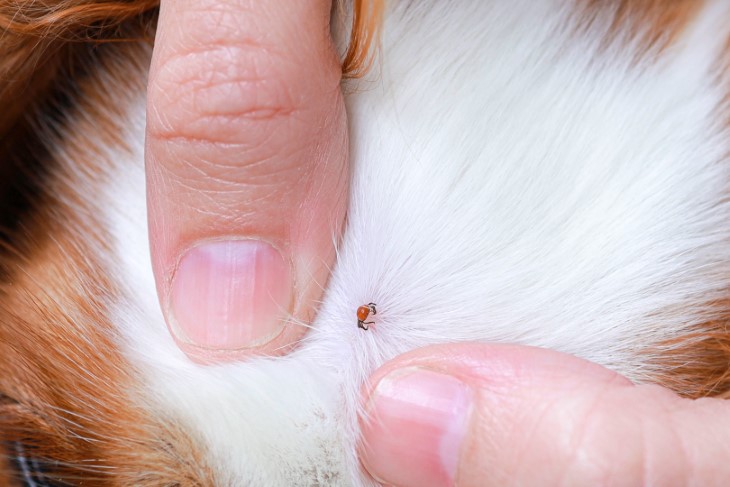
On a pet, run your hands firmly over their entire body, feeling for small bumps beneath the fur. Be sure to check inside and around the ears, between the toes, under the collar, around the face and chin, under the front legs, and near the tail. Long-haired animals require extra care because ticks can hide easily in thick fur.
It is also worth knowing the signs that a tick bite may have caused a problem. A small red bump at the site of a bite is common and usually harmless, much like a mosquito bite. However, an expanding circular rash, sometimes resembling a target or bullseye, deserves attention. Other warning signs to watch for in the days and weeks after a bite include fever, fatigue, headaches, muscle or joint aches, and swollen glands. If any of these appear, it is wise to speak with a doctor and mention the possible tick exposure.
Prevention is by far the easiest way to deal with ticks, and most of the steps are simple to fit into your routine.
When you head outdoors into grassy or wooded areas, dress strategically. Wearing long sleeves and long pants gives ticks less skin to reach. Tucking your pants into your socks may not be the height of fashion, but it creates a real barrier that keeps ticks on the outside of your clothing where you can spot them. Light-colored clothing also helps, because a dark tick is much easier to see against a pale background.
Insect repellents are another strong line of defense. Products containing DEET are effective against ticks when applied to the skin according to the label directions. For clothing and gear, a product called permethrin can be applied to fabric and remains effective through several washes. Always read and follow the instructions on any repellent, and take extra care when using these products on or around children.
When you are out on trails, try to walk in the center of the path and avoid brushing against tall grass and overhanging branches. After you come back inside, make a habit of checking yourself, your children, and your pets right away. Putting your clothes in a hot dryer for about ten minutes can kill any ticks that hitched a ride, and showering soon after coming indoors gives you a chance to find and wash off ticks that have not yet attached.
Your yard can be made less inviting too. Keeping the grass mowed short, clearing away leaf litter, and trimming back brush reduces the shady, moist hiding spots ticks rely on. Creating a barrier of gravel or wood chips between your lawn and any wooded area can discourage ticks from migrating into the spaces where you spend time. Discouraging deer and rodents, which carry ticks, also helps lower the population near your home.
For pets, prevention is especially important. There are many veterinary products available, including monthly topical treatments, oral medications, and tick-repelling collars. Your veterinarian can recommend the option best suited to your pet, your region, and your animal's health. Regular checks remain valuable even when your pet is on a preventive product.
Finding a tick is unpleasant, but try not to panic. Removing it promptly and correctly greatly reduces any risk, since a tick generally needs to be attached for many hours before it can transmit anything harmful. The key is to remove it properly rather than rushing.
The recommended method is straightforward. Use a pair of fine-tipped tweezers and grasp the tick as close to the skin as you possibly can. Pull upward with steady, even pressure. Do not twist or jerk, because that can cause the mouthparts to break off and remain in the skin. Just hold firm and pull slowly until the tick lets go. If a small piece does stay behind, try to remove it with the tweezers, and if you cannot, leave it alone and let the skin heal on its own.
It is important to avoid the old folk remedies. Do not try to burn the tick with a match, smother it with petroleum jelly or nail polish, or twist it out with your fingers. These methods can cause the tick to release more of its saliva into the bite, which is the opposite of what you want.
Once the tick is out, clean the bite area and your hands thoroughly with soap and water or rubbing alcohol. To dispose of the tick, you can place it in a sealed bag or container, wrap it tightly in tape, or flush it down the toilet. Some people like to keep the tick in a sealed bag for a little while in case symptoms develop later, as it can help a doctor with identification.
After removal, keep an eye on the bite site for the next few weeks. Make a note of the date you found it. If a rash develops, or if you begin to feel unwell with fever, aches, or fatigue, contact your doctor and let them know about the bite. The same applies to your pets. If you remove a tick from your dog or cat and they later seem lethargic, lose their appetite, or show stiffness, a call to the veterinarian is the right move.
Ticks are a genuine part of summer, but they do not have to keep you indoors or rob you of the pleasure of being out in nature. The vast majority of tick encounters end with nothing more than a quick removal and a clean bite site. By understanding where ticks live and how they find a host, checking yourself and your pets after time outdoors, taking sensible precautions with clothing and repellents, and knowing exactly what to do if you find one, you put yourself firmly in control. A little awareness goes a long way, and it leaves you free to enjoy every warm, sunny day the season has to offer.