Rows of colorful plants at a garden center can be hard to resist. With so many shapes, textures, and blooms competing for attention, it is easy to choose a plant simply because it looks good. But before placing that pot in your cart, take a closer look at the small plastic tag tucked inside. That tag holds important clues about how the plant grows and what it needs to thrive. Once you know what to look for, it becomes one of the most useful tools in a gardener's arsenal.
Start With the Name
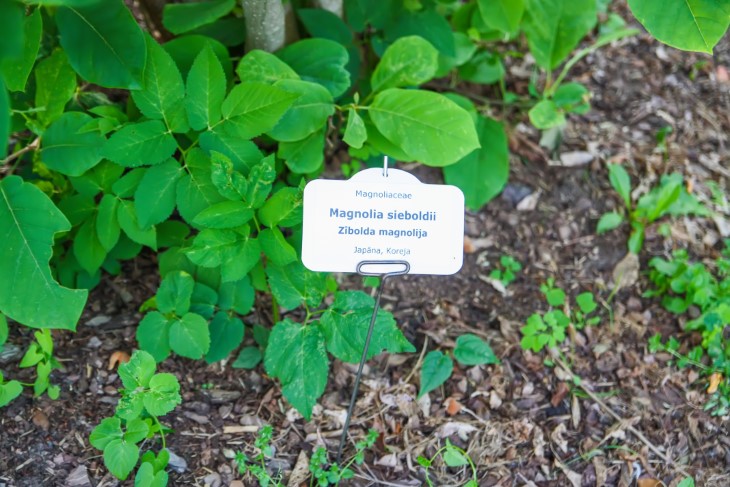
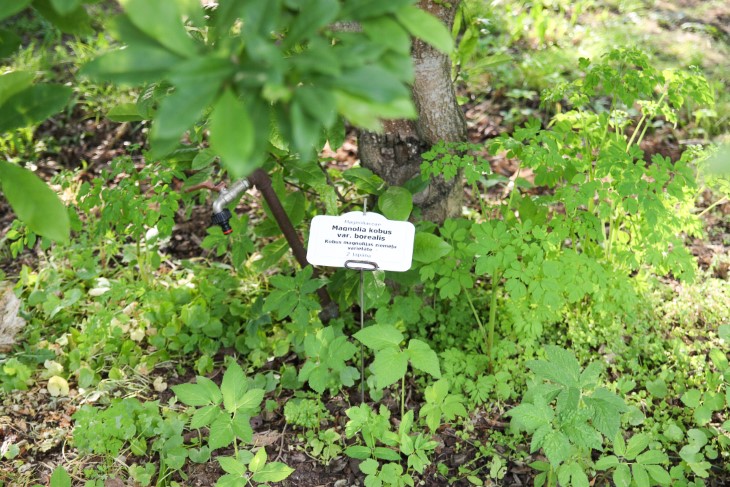
Most plant tags begin with the plant's name, usually listed as both a common name and a botanical name. The common name is the everyday term most gardeners recognize, such as Japanese holly or hydrangea, but common names can sometimes refer to several different plants. The botanical name provides a more precise identification and follows a simple three-part structure: genus, species, and cultivar. A tag might list Japanese holly 'Compacta', with the botanical name Ilex crenata, telling you exactly which plant you are buying. The cultivar name, in this case 'Compacta', identifies a specific bred variety that may differ in size, color, or growth habit from the original species. Understanding all three parts helps you choose plants that will grow and perform exactly as you expect in your garden.
Check Your Hardiness Zone
One of the most important details on any plant tag is the USDA hardiness zone rating, and it deserves your full attention before anything else. Hardiness zones indicate the coldest winter temperatures a plant can reliably tolerate, with the country divided into 13 zones based on average annual minimum temperatures. A plant marked Zones 5 to 9, for example, can typically handle winters in those regions but may struggle or die entirely in colder climates. If the tag lists only warmer zones than where you live, the plant may not survive winter outdoors unless you treat it as an annual or bring it inside when temperatures drop. Knowing your zone before you shop saves a lot of disappointment later.
Match the Light
Plant tags include a symbol or short phrase describing how much sunlight a plant needs, and getting this right is just as important as the hardiness zone. Full sun means at least 6 to 8 hours of direct sunlight each day, part sun or part shade means roughly 3 to 6 hours, and full shade means less than 3 hours of direct sun. A sun-loving plant placed in too much shade may grow weak or produce far fewer flowers than expected. Shade-loving plants, on the other hand, can scorch badly if exposed to intense afternoon sun. It is also worth remembering that sunlight shifts throughout the day and across seasons, so observing how light moves through your garden during the growing season before you plant can make a real difference.
Plan for Mature Size
Ignoring mature size is one of the most common and costly planting mistakes gardeners make. Plants at the garden center may look small and manageable, but the tag reveals how large they will eventually become, listing both mature height and spread. A shrub that grows six feet wide can quickly overwhelm a narrow flower bed if planted without enough space. Tags also include spacing recommendations based on mature spread, ensuring enough room for healthy growth and good air circulation. If a tag recommends spacing plants 24 to 36 inches apart, that is how large each plant will eventually grow to fill that space. Following these guidelines helps prevent overcrowding and reduces the risk of disease by keeping airflow healthy around each plant.
Look for the Extra Clues
Plant tags often include small icons or short notes highlighting additional traits worth knowing about. These might include drought tolerance, pollinator friendliness, deer resistance, bloom time, flower color, or water needs. While symbols vary between growers, they offer quick and valuable guidance about how a plant behaves in the landscape. A pollinator icon may indicate the plant attracts bees, butterflies, or hummingbirds. Drought tolerance symbols are especially helpful for gardeners in drier climates or those looking to conserve water. Taking a moment to read these details can help you choose plants that truly match your goals, whether that means supporting wildlife, reducing maintenance, or keeping your garden colorful across multiple seasons.