
Keeping a home clean means going beyond what’s visible. Behind couches, under beds, and around heavy bookshelves, dust and debris quietly pile up. These hidden messes can trigger allergies, irritate breathing conditions, and even invite pests. But while these areas are notoriously tough to reach, cleaning them doesn’t have to be exhausting or risky. With a thoughtful plan and the right tools, you can handle these neglected spots effectively—and without damaging your floors or furniture.
Before you get started, take a moment to inspect the area behind and under the furniture. Shine a flashlight to see exactly what you’re dealing with—look for dust bunnies, cobwebs, pet hair clumps, or even crumbs. Check both the height off the floor and the distance from the wall to determine which tools will be able to reach. If the space is just an inch high, you’ll need flat, low-profile tools. For deeper gaps behind furniture, extendable tools are key. Assessing ahead of time avoids frustration and ensures you choose the most effective method for the job.
Set yourself up for success by gathering everything you’ll need before you start. This includes long-handled dusters, vacuum attachments (especially a crevice tool), microfiber cloths, cleaning solutions, gloves, and any aids for moving furniture. Furniture sliders can make even heavy pieces glide across hard floors without scratching them, while lifting aids reduce strain on your body. For makeshift solutions, a sock over a stick or a broom with a pole can do the trick. Planning ahead keeps your cleaning session smooth and efficient.
Whenever possible, it’s best to move furniture away from the wall or lift it slightly to clean underneath. Use sliders on each leg to protect your floors and reduce resistance when moving heavy furniture. If the piece is too bulky or awkward to handle alone, don’t risk injury—get someone to help. Once moved, vacuum thoroughly to remove the dust layer that’s likely been sitting there for months (or years). This is also a good opportunity to inspect the floor underneath for any signs of spills, stains, or moisture.
Not all furniture can be moved easily. For those cases, equip yourself with tools designed to reach where your arms can't. An electrostatic duster with an extendable handle works great for lifting dust from behind large entertainment centers or low-sitting sofas. Flexible heads on these tools allow you to angle into awkward spaces, and electrostatic or microfiber materials cling to dust instead of scattering it. For caked-on grime, a long-handled broom or brush helps dislodge debris before vacuuming it up. This method is great for tight spaces where disassembly or lifting just isn’t practical.
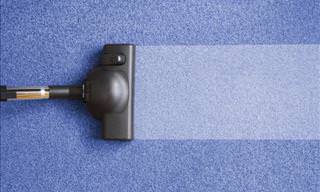
Vacuuming is essential to get rid of fine dust, allergens, and hair that sweeping alone can’t handle. A vacuum with a long hose and narrow crevice attachment is ideal for navigating tight spots. Go slowly to allow full suction, especially in corners and along baseboards. Tapered nozzles can reach into sharp angles around furniture legs or along the wall. If you're dealing with a large area or frequent buildup, a handheld vacuum can be used for detailed follow-up cleaning. Robot vacuums, if your furniture is high enough (usually 3–4 inches of clearance), can automate this task on a regular basis.
Sometimes, regular methods don’t cut it. For lighter or mid-size pieces, use the leverage method—carefully tilt the item just enough to slip a tool or vacuum underneath. Be sure to hold it securely or have someone assist. If you want long-term access for cleaning, consider using furniture risers. They lift your furniture by a few inches, creating space for vacuums and dusters. If you're in a pinch, wrap a microfiber sock around a yardstick or coat hanger, secure it with a rubber band, and lightly spray with dusting spray. This low-tech but effective solution can help clear out dust from hard-to-reach spots.
Dust can be stubborn. Start with a lightly dampened cloth to trap and lift fine particles. A microfiber cloth dampened with water or a gentle cleaner works best, especially for sensitive surfaces. Follow with a dry cloth to pick up any residual moisture and remaining debris. This two-step process not only improves cleanliness but also helps avoid streaks or residue, especially on wood or tile. Be careful not to oversaturate the cloth—excess water can damage wood and leave streaks on other surfaces.
If you have pets, hair is probably a constant issue. It collects along baseboards, under furniture edges, and in carpet seams—places vacuums sometimes miss. Attach an adhesive lint roller to a stick or pole to reach these tight spots. Lint rollers can be especially helpful for upholstered furniture backs and carpeted flooring. For an eco-friendly option, a rubber squeegee or rubber-gloved hand can also gather pet hair from hard-to-reach corners when dragged across surfaces.
When all else fails, a little creativity can go a long way. A leaf blower, for example, can push dust and debris from behind or beneath heavy furniture out into the open, where you can then sweep or vacuum it up. It’s messy—but it works. This method is best used in a closed-off room with the windows open and a dust mask on. After blowing out the debris, wait for the dust to settle before cleaning it thoroughly. It’s a last resort, but for extremely stubborn or hard-to-reach messes, it can save time and effort.
Dust and grime don’t just build up on the floor—they collect on the backs and undersides of furniture, too. Wipe these surfaces down with a damp cloth and a mild cleaner. For wooden pieces, stick with a wood-safe polish to avoid damage. Dust buildup here can attract pests or become airborne over time, so don’t skip these spots just because they’re out of sight. A little attention to detail here goes a long way toward improving air quality and reducing allergens.
Sometimes moving furniture reveals more than dust—like stains from past spills or pet accidents. These can damage floors or trap allergens if left untreated. Use a mild cleaning solution such as diluted dish soap or a 50/50 vinegar-water mix to spot-clean the area. Be cautious with vinegar on wood, as it can damage the finish. Blot the area with a damp cloth rather than scrubbing, then follow up with a dry towel to absorb moisture. Prompt treatment prevents lasting damage and lingering odors.
If you discover mold or mildew, it’s important to address it immediately. Wear protective gloves and a dust mask to avoid inhaling spores. Use an antimicrobial cleaner or a vinegar-based solution to kill the mold, and make sure the area dries completely afterward. Most importantly, identify and fix the moisture source—whether it’s a leak, spill, or poor ventilation—to prevent the problem from returning. Left unchecked, mold can seriously affect your home’s air quality and damage your floors or walls.
Once the dust and grime are gone, freshen things up. Sprinkle baking soda on carpets or rugs to neutralize odors—leave it for 15 minutes before vacuuming. Tuck dryer sheets or small sachets with pleasant scents behind or under furniture for a subtle freshness boost. Avoid strong artificial fragrances if you’re sensitive to scents; natural options like lavender sachets or activated charcoal pouches can deodorize gently and effectively.
Once your deep cleaning is done, maintenance becomes much easier. Aim to clean behind and under furniture every 3 to 6 months, or more often if you have pets, allergies, or heavy foot traffic. Regular upkeep prevents serious buildup, reduces allergens, and saves you from the labor of a major deep clean every time. Set a recurring reminder so it doesn’t fall off your radar.
Conclusion
Cleaning behind and under heavy furniture might not be fun, but it’s essential. These hidden areas can affect your home’s cleanliness, air quality, and even your health. With smart tools and practical techniques, you can stay on top of it without hurting your back—or your sanity. Want a version of this as a checklist or printable reference? Just say the word.