
There is never a good time for the air conditioner to quit, but the middle of a summer heat wave is surely the worst. The house grows stuffy, the repair company is booked solid for days, and you are left wondering whether this is something you could have prevented, or something you could even fix yourself. The reassuring truth is that many air conditioner troubles come from simple causes you can check in a few minutes, and a little regular care prevents most of them in the first place. Just as importantly, knowing which problems to leave to a professional keeps you safe and saves you money. Here is a friendly, practical guide to all three.
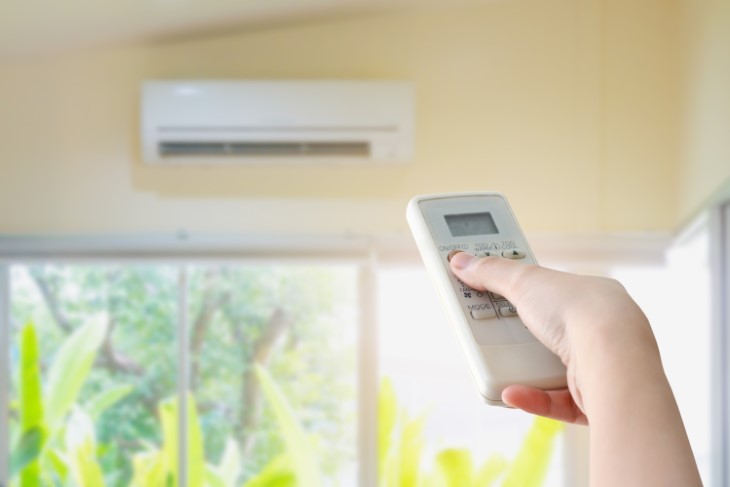
Before you worry that something is seriously wrong, run through these basic checks. You would be amazed how often one of them is the whole story, and not one of them requires any special skill or tool.
If those simple checks do not solve it, the sections below walk through the most common specific problems, what causes them, and what to do.
The most common culprits are a thermostat issue (wrong setting or dead batteries) or a tripped breaker, both covered above. If you have checked those and the unit is still lifeless, here is the safety rule worth memorizing: reset a tripped breaker only once. If it trips again right away, do not keep resetting it. A breaker that trips repeatedly is warning you of an electrical fault, and continually forcing it back on can start a fire. That is your signal to stop and call a technician.
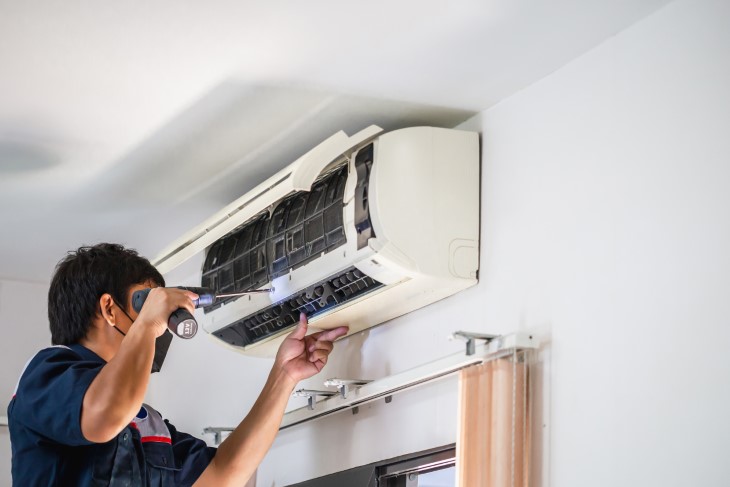
When the system is humming along but the air coming out is not cold, the usual causes are a dirty filter, a blocked outdoor unit, or low refrigerant.
What you can do: Replace the filter if you have not already. Then tend to the outdoor unit. With the power to the unit switched off for safety, clear away any leaves and debris, and gently rinse the fins with a garden hose on a low setting, spraying from the inside out if you can reach. Never use a high-pressure nozzle, as it can bend and ruin the delicate fins. Also make sure the vents inside your home are open and not blocked by furniture or rugs, and keep interior doors open so air can circulate.
When to call a pro: If the air is still warm after all that, the likely cause is low refrigerant, which almost always means there is a leak. This is not a do-it-yourself job under any circumstances. Refrigerant is a regulated substance that only licensed technicians may legally handle, and adding the wrong type or amount can ruin your compressor. Warning signs of a refrigerant problem include warm air, a hissing or bubbling sound, ice on the unit, and steadily rising energy bills.
It seems strange, but ice on the refrigerant lines or coils is a common warm-weather complaint, and a frozen-up system will blow weak or warm air.
What you can do: Turn the air conditioner off and let it thaw completely, which can take a few hours. Switching the fan to the "On" setting can help speed the melting. Meanwhile, replace the air filter if it is dirty, since poor airflow from a clogged filter is a frequent cause of freezing.
When to call a pro: Once it has thawed and you have a clean filter, try it again. If it freezes up a second time, stop and call a technician. Repeated freezing points to a deeper cause, such as low refrigerant or a failing fan, and simply removing the ice without fixing the real reason will only let it happen again, possibly causing damage.
Your air conditioner pulls moisture out of the air, and that water normally drains away through a pipe. When you find a puddle near the indoor unit, the drain line is usually clogged with algae, or the drain pan is full or damaged.
What you can do: First, turn the unit off to prevent water damage. A clogged drain line can sometimes be cleared at the outdoor end with a wet/dry vacuum. Pouring a small amount of distilled vinegar into the drain line also helps kill the algae that causes the clog. Your owner's manual will show where the drain line is on your particular system.
When to call a pro: If the leaking continues, or you notice water stains on walls or ceilings, have a technician take a look before it leads to bigger damage.
A soft hum is normal. Loud banging, grinding, screeching, or rattling is not.
What you can do: A light rattle is occasionally just a loose access panel, whose screws you can gently tighten. But for anything more, the safest and smartest move is simply to turn the system off.
When to call a pro: Grinding, banging, and screeching are signs of a mechanical failure, such as a worn motor bearing, a loose fan blade, or trouble in the compressor. Running the system while it makes these sounds can turn a modest repair into a very expensive one, so shut it down and make the call.

A musty or moldy odor usually means mold or mildew has taken hold inside the unit or the ductwork. Start by replacing the filter, which sometimes clears it up. If the smell lingers, a technician can clean the system properly. A burning or electrical smell is far more serious: turn the air conditioner off at once and call a professional, since this can be a genuine fire hazard.
An air conditioner that rapidly cycles on and off, or one that runs without ever stopping, is working against itself.
What you can do: For both problems, start with the familiar suspects: replace a dirty filter, clear the outdoor unit, and make sure the thermostat is not sitting in direct sunlight, which fools it into misreading the temperature. If the system never shuts off, check that the thermostat fan is set to "Auto" rather than "On," and that you have not set the temperature unreasonably low.
When to call a pro: If the behavior continues, it may point to an issue with the unit's size, its refrigerant, or its electrical controls, all of which need a technician's eye.
Part of caring for your home is knowing your limits, and with air conditioners a few repairs are genuinely dangerous to attempt. No matter how tempting an online video makes it look, please leave these to a licensed technician:
To put it simply, pick up the phone if you notice any of the following:
The happiest news of all is that most air conditioner problems can be headed off with a little routine care. These simple habits will keep your system running smoothly and stretch its lifespan:
Now and then the wiser choice is a new system rather than another repair. It is generally worth seriously considering a replacement if your air conditioner is more than fifteen to twenty years old, needs frequent repairs, makes persistent strange noises or smells, or is driving up your energy bills year after year. A trusted technician can help you weigh the cost of fixing the old unit against the savings and comfort of a new, more efficient one.