
Finding moths fluttering in your pantry or discovering holes in a favorite sweater can be incredibly frustrating. These pests invade dark, quiet spaces to feed and lay eggs, leading to infestations that can damage food and valuable textiles. A systematic approach is the key to eradicating them for good. This guide will walk you through identifying the type of moth, eliminating the current infestation, and implementing long-term prevention strategies.
Step 1: Identify Your Opponent — Pantry Moths vs. Clothes Moths
The first and most critical step is to determine which type of moth has invaded your home. While both are pests, they have different food sources and require slightly different eradication strategies.
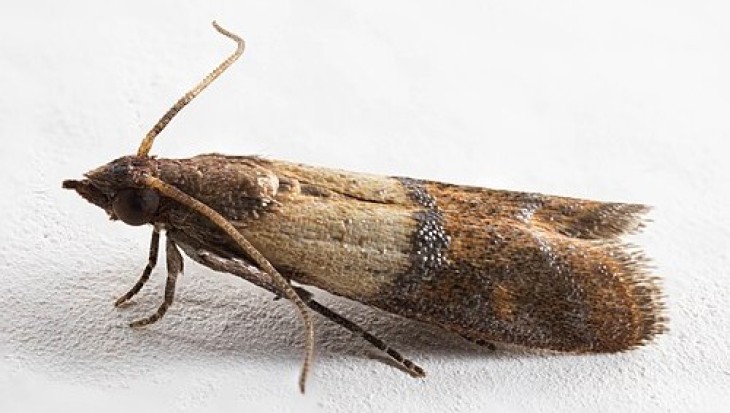
Pantry moths, such as the common Indian Meal Moth, are typically found in kitchens and pantries. They are relatively large for a household moth, about half an inch long, and can be identified by their distinctive two-toned wings—usually greyish on the upper portion and bronze or copper on the lower half. Their larvae feed on a wide variety of dry goods, including grains, flour, cereal, pasta, spices, dried fruit, nuts, and pet food. Signs of a pantry moth infestation include clumpy webbing inside food packages, sticky secretions, tiny caterpillar-like larvae, and an unpleasant odor in your stored foods.
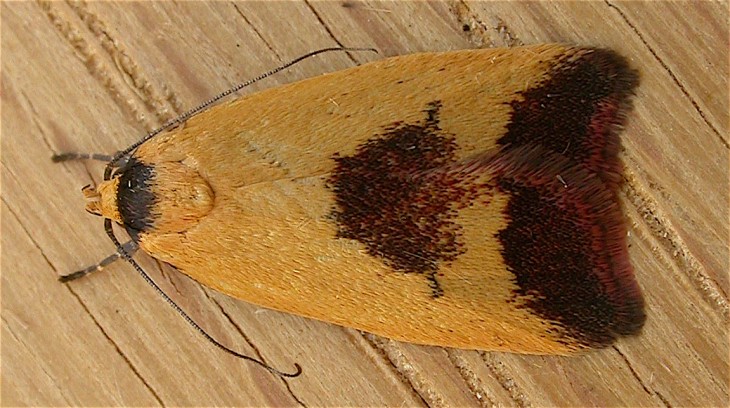
Clothes moths, like the Webbing Moth, are smaller pests, usually only a quarter-inch long, with uniformly colored wings in shades of buff, beige, or golden-white. These moths avoid light and prefer dark, undisturbed locations like closets, wardrobes, and storage chests. Their larvae cause damage by feeding on natural fibers that contain the protein keratin, such as wool, silk, cashmere, fur, and felt. An infestation is often discovered by finding irregular holes in clothing, threadbare spots, silken webbing or tunnels on fabric, or sandy-looking droppings known as frass.
Step 2: The Purge — A Targeted Elimination Plan
Once you've identified the moth, you must act decisively to remove the source of the infestation.
For a Pantry Moth Infestation:
Inspect and Discard: Empty your pantry completely. Scrutinize every package of dry food. Look for webbing, larvae, or clumping. The rule is simple: When in doubt, throw it out. Place all contaminated food in a sealed trash bag and remove it from your home immediately.
Vacuum Thoroughly: Using a vacuum with a crevice tool, clean every surface inside the pantry: shelves, corners, cracks, and baseboards. Moth eggs can be nearly invisible, so be meticulous.

Scrub Everything: Wipe down all shelves and walls. A solution of soap and hot water is effective. For a deeper clean, use a 50/50 solution of white vinegar and warm water, which cleans and helps deter moths.
Freeze Suspect Items: If you have uninfested but suspect items (e.g., an opened bag of flour with no visible signs), place them in the freezer for at least 72 hours to kill any potential eggs or larvae.
For a Clothes Moth Infestation:
Isolate and Launder: Remove all items from the affected closet or storage area. Sort them into piles.
Machine-Washable Items: Wash in hot water (above 120°F or 50°C) and dry on high heat to kill all life stages of the moths.

Delicate/Non-Washable Items: Take these items to a dry cleaner. Alternatively, you can seal them in plastic bags and place them in a freezer for 72 hours. Another method is to brush them vigorously outdoors in bright sunlight and air them out.
Vacuum Meticulously: Vacuum the empty closet, drawers, and surrounding area. Pay special attention to carpets, rugs, baseboards, and dark corners where larvae may hide.
Dispose and Clean: Immediately empty the vacuum canister or throw out the bag outside your home. Scrub the empty closet surfaces with a soap-and-water or vinegar-and-water solution.
Step 3: Traps and Treatments — Active Control Measures
After the initial cleanout, use traps and repellents to catch any remaining adults and monitor for future activity.
Pheromone Traps: These are highly effective, non-toxic sticky traps that use a specific moth pheromone to attract and trap adult males. This disrupts the breeding cycle and helps you monitor the level of infestation. Place traps specifically designed for either pantry or clothes moths in the appropriate areas.
Natural Repellents: Moths dislike the scent of certain herbs. Create sachets filled with dried lavender, rosemary, mint, cloves, or thyme and place them in drawers and closets. Cedar blocks or shavings also work as a repellent, but the aromatic oils lose potency over time and should be sanded lightly every few months to remain effective. Note: Repellents deter moths; they do not kill existing larvae.

DIY Light Trap: For moths attracted to light, place a bowl of water with a few drops of dish soap directly under a small lamp (like a nightlight or under-cabinet light). Turn off all other lights in the room overnight. The moths will be drawn to the light and fall into the soapy water.
Step 4: Fortify Your Defenses — Long-Term Prevention
Prevention is the most important step to ensure moths don't return.
In the Pantry:
Airtight Storage: Store all grains, cereals, flours, and other dry goods in airtight containers made of glass or hard plastic.
Inspect Groceries: Before putting new groceries away, check for any signs of damage or infestation. Moths often hitch a ride home from the store.
Keep It Clean: Regularly wipe down pantry shelves and sweep up crumbs to eliminate potential food sources.
In the Closet:
Clean Before Storing: Always wash or dry-clean clothes before putting them away for the season. Moths are particularly attracted to invisible stains from perspiration, body oils, and food spills.
Proper Storage: Seal out-of-season clothing in vacuum-sealed bags or airtight plastic bins. Avoid storing valuable natural fibers in a hot, humid attic or damp basement.

Regular Cleaning: Vacuum closets, carpets, and areas under furniture regularly to remove dust and hair that can attract moths.
What About Mothballs? A Modern Perspective
Traditional mothballs contain toxic pesticides like naphthalene or paradichlorobenzene. These chemicals are considered potential carcinogens and can be dangerous to children and pets if ingested. Due to these health risks, it is strongly recommended to avoid mothballs and opt for the safer, effective alternatives outlined in this guide.
When to Call a Professional
While most minor moth problems can be handled with a DIY approach, it's time to call a professional pest control service if:
The infestation is widespread and appears in multiple rooms.
You cannot locate the source of the infestation.
Valuable items like antique rugs, taxidermy, or upholstered furniture are infested.
Your best efforts have failed to control the problem after several weeks