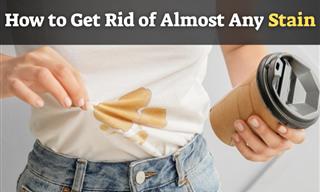

Dealing with stains can be a frustrating experience, but with the right knowledge and techniques, you can tackle even the most stubborn spots. This comprehensive guide will walk you through the dos and don'ts of stain removal, helping you keep your belongings looking their best.
Before diving into specific stain treatments, it's essential to understand the fundamental principles of stain removal. These "golden rules" will set you up for success and prevent you from making common mistakes that can worsen the problem.
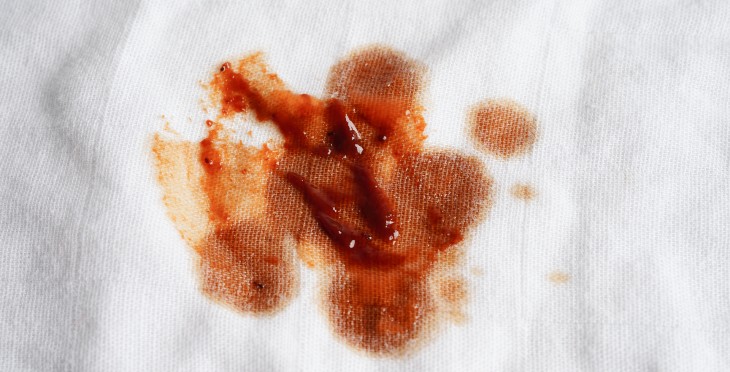
Act Fast, but Don't Rush: The sooner you address a stain, the better your chances of removing it completely. However, acting fast doesn't mean being careless. Take a moment to identify the type of stain and the fabric you're working with before you begin.
Blot, Don't Rub: It's a natural instinct to scrub at a stain, but this can push the stain deeper into the fabric and cause it to spread. Instead, gently blot the stain with a clean, white cloth, working from the outside in to prevent the stain from getting larger.
Test in a Hidden Area: Before using any cleaning solution, test it on an inconspicuous area of the fabric to ensure it doesn't cause any damage or discoloration.
Avoid Heat: Heat can set stains, making them nearly impossible to remove. Never use hot water on a fresh stain, and don't put a stained item in the dryer until you're sure the stain is completely gone.

The provided article highlights several common mistakes that can make stains worse. Let's explore these in more detail:
Waiting Too Long: The longer a stain sits, the more it bonds with the fabric fibers. Fresh stains are always easier to remove than old, set-in stains.
Using Hot Water Indiscriminately: While hot water can be effective on greasy stains, it can set protein-based stains like blood and egg. Always use cold water for these types of stains.
Starting with Harsh Treatments: It's always best to start with the gentlest cleaning method and work your way up to stronger treatments if necessary. This will help protect your fabric from damage.
Rubbing Instead of Blotting: As mentioned earlier, rubbing can make the stain worse. Always blot gently with a clean, white cloth.
Using a Colored Napkin: A colored napkin can transfer its dye to the fabric, leaving you with a second stain to deal with. Always use a white cloth or paper towel.
6. Starting from the Center: Working from the center of the stain can cause it to spread. Always work from the outside in to contain the mess.
7. Forgetting an Absorbent Backing: Placing a clean cloth or paper towel under the stain will help draw the stain out from the fabric and prevent it from spreading to other areas.
8. Drying a Stained Item: The heat from a dryer will set the stain, making it much more difficult to remove. Always air-dry stained items until you're sure the stain is gone.
Now that you know the basics, let's look at how to treat some of the most common household stains:
Coffee and Tea: Blot the stain with a clean cloth and then rinse with cold water. Apply a solution of one part white vinegar to two parts water and let it sit for a few minutes before rinsing again.
Red Wine: Blot the stain and then cover it with salt to absorb the wine. Let the salt sit for a few minutes before rinsing with cold water.
Grease and Oil: Sprinkle the stain with cornstarch or baking soda to absorb the grease. Let it sit for 15-20 minutes before brushing it off. Then, apply a small amount of dish soap and gently rub it into the stain before laundering.

Blood: Rinse the stain with cold water as soon as possible. Apply a small amount of hydrogen peroxide to the stain and let it bubble. Rinse with cold water and repeat if necessary.
Ink: Place a paper towel under the stain and dab the stain with a cloth soaked in rubbing alcohol. The ink should transfer to the paper towel.
You don't always need to buy expensive stain removers. Many common household items can be used to effectively treat stains:
White Vinegar: A great all-purpose stain remover, white vinegar is particularly effective on coffee, tea, and rust stains.
Baking Soda: Baking soda is excellent for absorbing greasy stains and can also be used to make a paste with water to gently scrub at other types of stains.
Hydrogen Peroxide: A mild bleaching agent, hydrogen peroxide is effective on blood and other protein-based stains.
Lemon Juice: Lemon juice has natural bleaching properties and can be used to lighten stains on white fabrics.
Dish Soap: A gentle dish soap is great for breaking down greasy stains.
By following these tips and techniques, you'll be well-equipped to handle any stain that comes your way. Remember to always act quickly, use the right method for the type of stain, and avoid common mistakes that can make the problem worse. With a little bit of knowledge and a few basic household supplies, you can keep your clothes and other fabrics looking fresh and clean.