
Watch Out! 5 Sneaky Tricks Dishonest Home Sellers Use to Fool Buyers
Buying a home is one of the biggest decisions you'll ever make — and unfortunately, not every seller plays by the rules. While most people are honest, a small number of desperate or unscrupulous sellers will go out of their way to make their home look better than it really is. Knowing their tricks in advance could save you thousands of dollars and a whole lot of heartache.
Here's what to watch out for at your next open house.
1. They Hide — or Destroy — Appliance Serial Numbers

Before buying a home, you'll want to know how old the furnace, water heater, HVAC system, and kitchen appliances are. Older units can mean expensive replacements just around the corner. A good home inspector can usually figure out the age of any appliance just by looking at its serial number.
Which is exactly why some sellers remove those serial number stickers, scratch them off, or even use a marker to alter any dates printed on the unit. If you notice that serial numbers are missing, damaged, or suspiciously hard to find on multiple appliances, consider that a red flag — and insist on getting answers before signing anything.
2. They Slap Fancy Brand Badges on Cheap Appliances
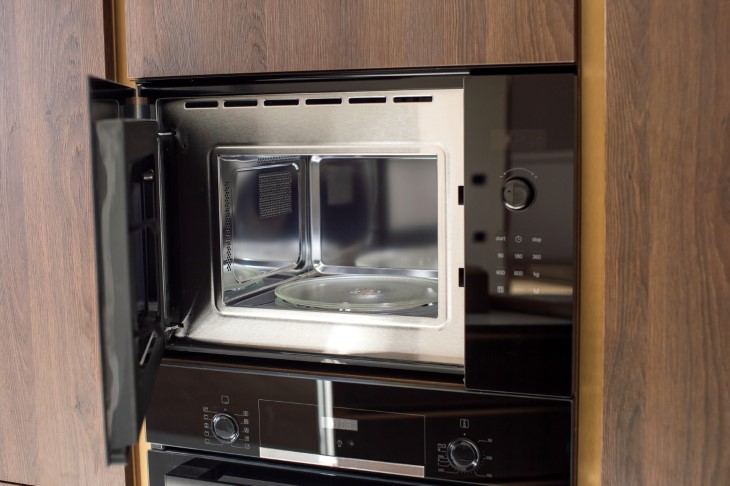
High-end kitchen appliances from brands like Viking or Sub-Zero can add real value to a home. So imagine walking into a kitchen and seeing gleaming stainless steel appliances with a Viking logo — you'd probably be impressed, right?
Here's the dirty secret: replacement brand badges for premium appliances are actually sold online, and they're cheap. A dishonest seller can peel off the real logo, slap on a fancy one, and hope you don't know the difference. Unless you're familiar with what those high-end brands actually look like up close, it's an easy trick to fall for. When in doubt, look up the model number and verify it online before assuming those appliances are the real deal.
3. They Use Cheap Cosmetic Tricks to Make Old Appliances Look New
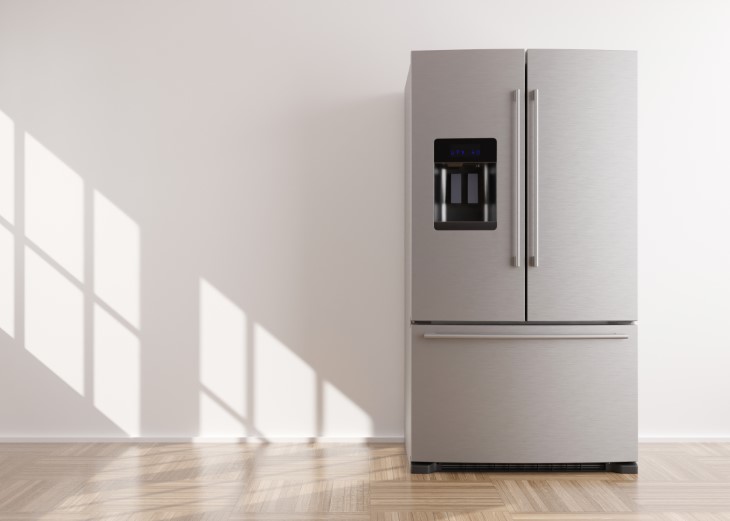
A fresh, modern kitchen can add significant value to a home — and sellers know it. Some will invest in a full remodel, but others take shortcuts that are designed to fool the eye. A few of the most common:
None of these tricks are necessarily wrong on their own. The problem is when a seller lets you assume things are newer than they are and says nothing to correct that impression.
4. They Make Targeted Repairs to Hide Bigger Problems
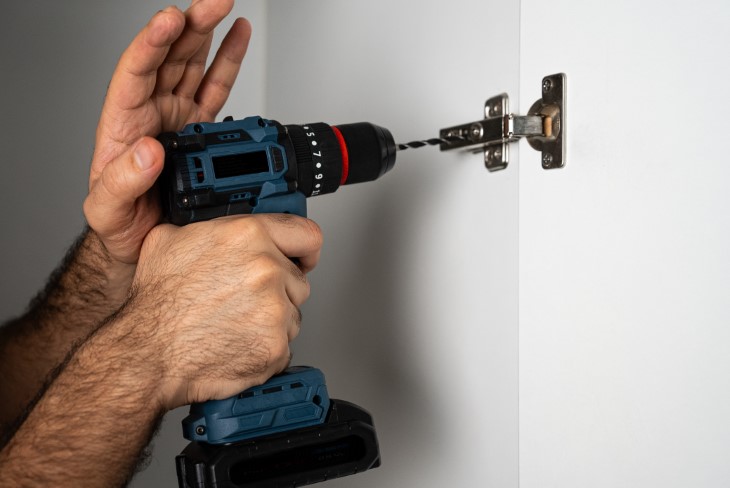
Every seller spruces up their home before listing it. Fresh paint, deep cleaning, and fixing obvious issues are all perfectly normal — and expected. But keep your eyes open for repairs that seem oddly isolated.
A single freshly painted wall in an otherwise dull room. One section of new roof shingles among old ones. Brand-new carpet only in the third bedroom. These kinds of targeted, patchwork fixes can be a sign that something happened in that spot — water damage, mold, a leak — and the seller is hoping a quick cover-up will get them through the sale. Always point out any isolated upgrades to your home inspector and ask them to take a closer look.
5. They Stage the Home to Hide Defects

Home staging is a perfectly legitimate way to help buyers fall in love with a property. But in the wrong hands, furniture and décor become tools for hiding problems. Here's what to watch for:
The Bottom Line
The best defense against these tactics is a combination of sharp eyes, healthy skepticism, and a thorough home inspection from a qualified professional. Don't be afraid to ask questions, poke around, and insist on straight answers. The right home is out there — and you deserve to know exactly what you're getting.