Plant It Once, Enjoy It for Years: 21 Beautiful Perennials for a Low-Maintenance Garden
If you've ever poured time, money, and love into a garden — only to watch everything fade away by fall and have to start all over again the following spring — you already know the appeal of perennials. Unlike annual flowers, which complete their entire life cycle in a single season, perennials come back year after year, establishing deep root systems that grow stronger and more resilient over time. Some return for just a few years; others — like peonies — have been known to bloom for a century.
The secret to a thriving garden is often a mix of both: perennials as the steady, dependable backbone, with annuals filling in the gaps with seasonal color. But if you're looking to do less work and still enjoy a gorgeous yard, perennials are your best friend.
Here are 32 of the best low-maintenance perennials to consider, along with what they need to flourish.
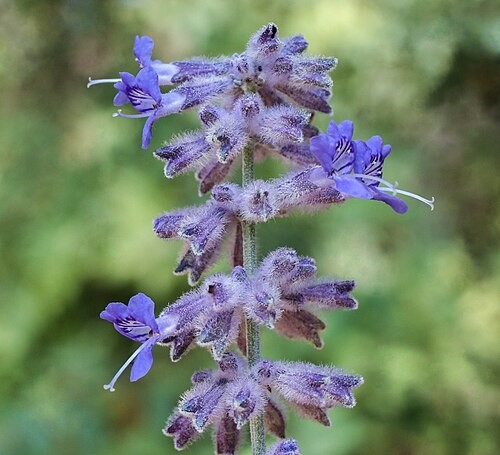
1. Russian Sage (Salvia Yangii) With its long, arching stems and pale blue flowers that deepen to a vivid cyan blue throughout summer, Russian Sage has a graceful, almost dreamy quality. It loves full sun and tolerates a wide range of well-draining soils, and its sage-like scent adds an extra sensory bonus to the garden. Hardiness zones 4–9; blooms mid-summer to fall.
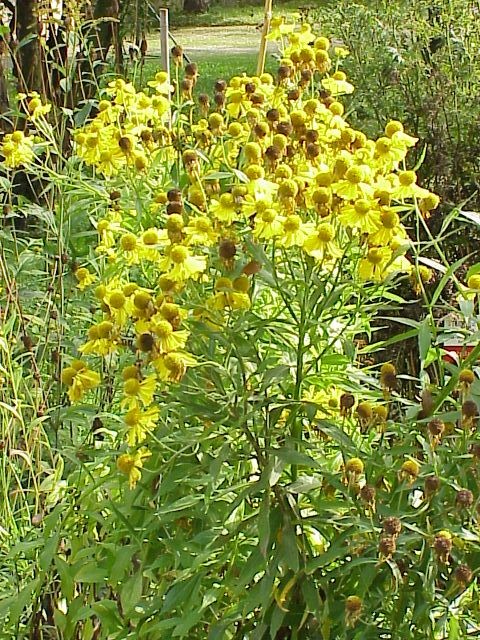
2. Sneezeweed (Helenium Autumnale) Don't let the name fool you — despite its reputation, Sneezeweed won't aggravate your allergies. Its cheerful yellow, orange, and red flowers light up the garden in late summer and fall, and bees and butterflies absolutely love it. Plant in full sun with moist, acidic soil. Zones 3–8.
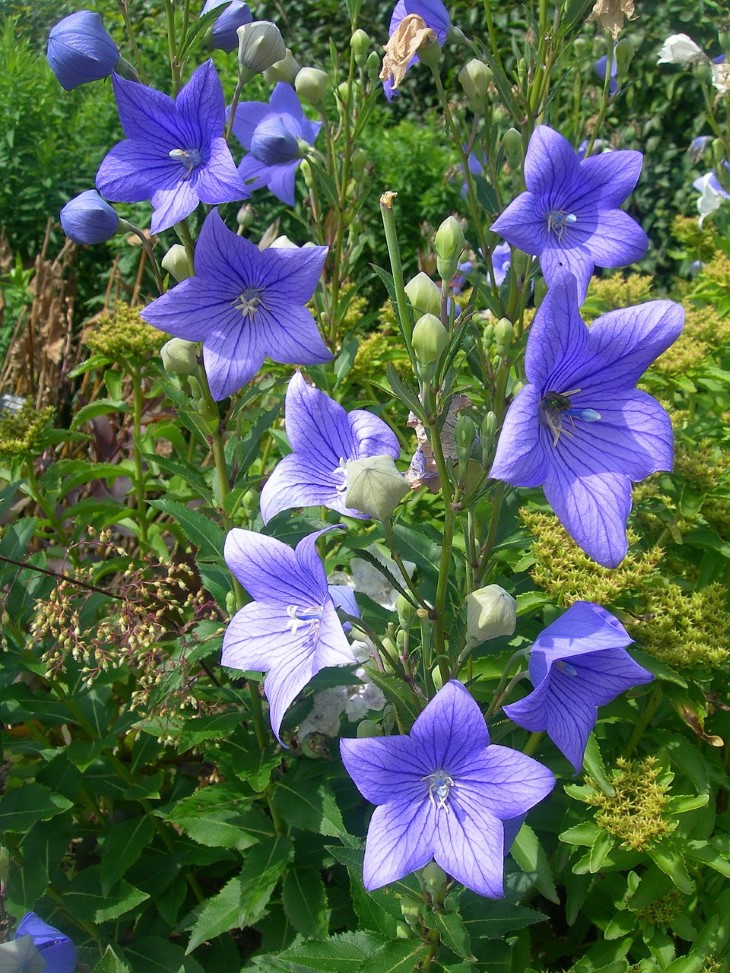
3. Balloon Flower (Platycodon) These charming perennials get their name from their puffy, balloon-like buds that eventually open into beautiful star-shaped flowers each summer. They can thrive for decades under the right conditions — full sun and well-drained, loamy soil. Zones 3–8.
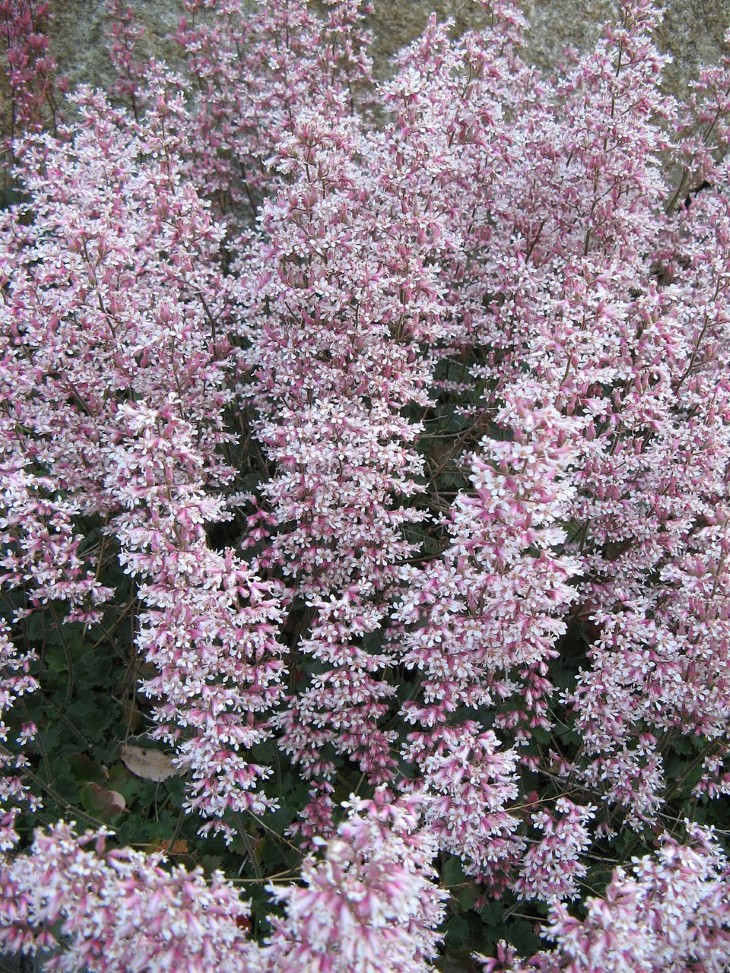
4. Coral Bells (Heuchera) One of the most versatile plants on this list, Coral Bells offer stunning foliage in shades of green, amber, and burgundy, with delicate bell-shaped flowers in late spring and early summer that hummingbirds adore. They work beautifully as a border in rock gardens or woodland settings. Zones 4–8; full sun or partial shade.
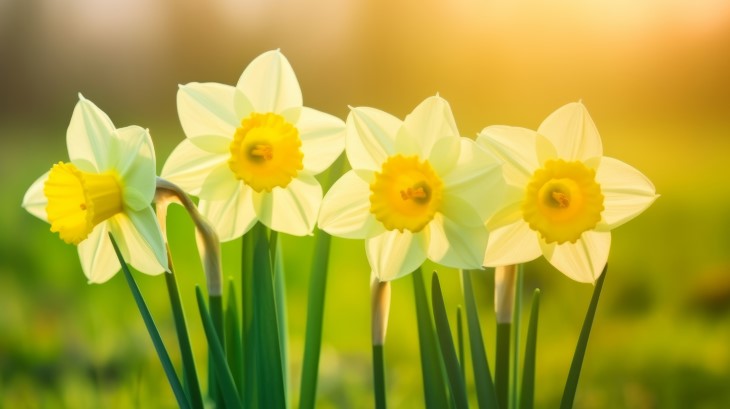
5. Daffodils One of spring's most welcome sights, daffodils emerge just when you're done with winter, bringing those iconic sunny yellow blooms. They multiply on their own over time, returning reliably each spring with almost no effort on your part. They're not fussy about soil and can handle partial shade. Zones 3–8; blooms late winter to early spring.
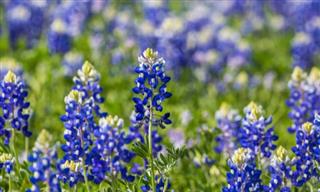
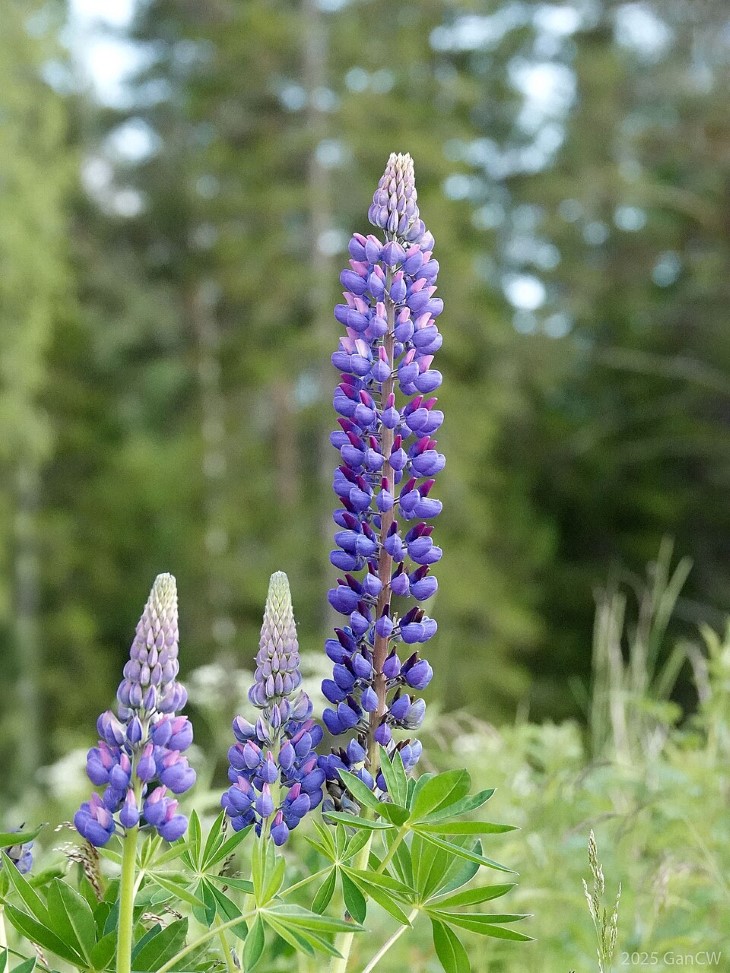
6. Lupines Lupines are a showstopper — tall, spiky stems that can reach five feet, topped with red, white, yellow, pink, or purple blooms that resemble pea flowers. They're often seen growing wild, but adapt beautifully to home gardens. They prefer full to partial sun and well-draining, slightly acidic soil. Zones 4–7; blooms spring to summer.
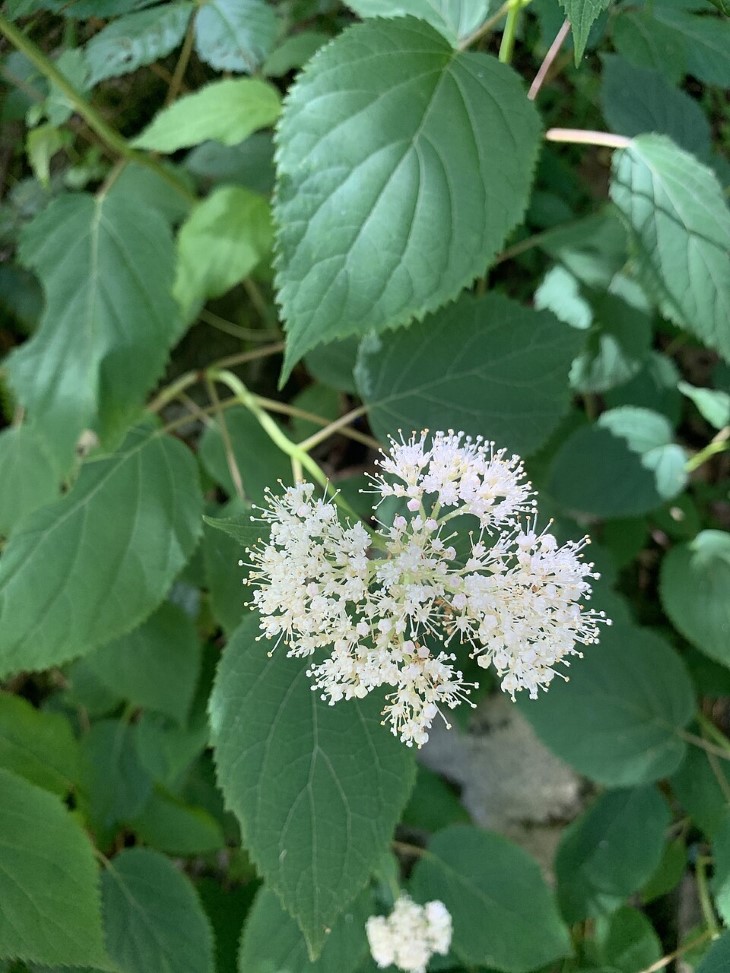
7. Allium If you love purple pom-poms on tall, elegant stems, Allium is for you. These are actually members of the onion family, which means deer, rodents, and most pests leave them alone entirely. Plant them and essentially forget them — they come back reliably year after year. Zones 3–9; full sun; blooms summer to fall.
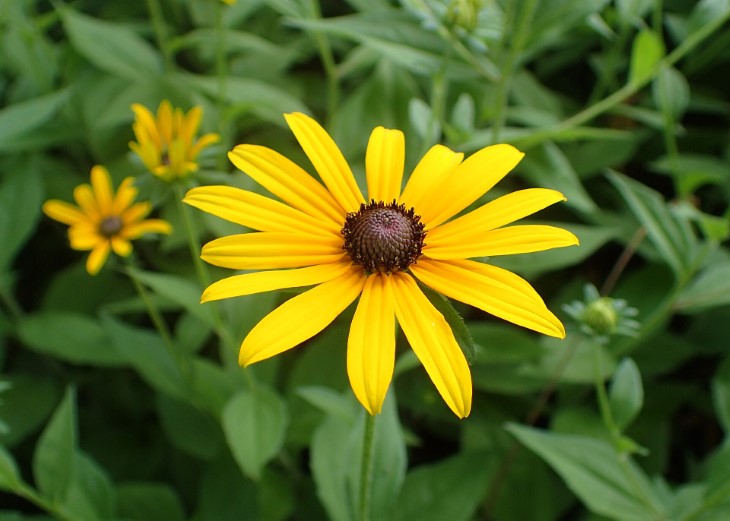
8. Black-Eyed Susan (Rudbeckia Hirta) Few perennials are as cheerful — or as tough — as the Black-Eyed Susan. Its deep yellow petals and distinctive dark brown center bloom from early summer until the first frost, providing one of the longest flowering seasons of any perennial. Deer-resistant and beloved by pollinators. Zones 3–9; full sun.
9. Hydrangeas A garden favorite for good reason, hydrangeas produce large, lush blooms in pink, lavender, or blue — and the color actually shifts depending on your soil's pH level. With a blooming season that runs from late spring through early fall, and a lifespan that can reach 50 years, hydrangeas are one of the best long-term investments you can make in your garden. Zones 3–9; partial sun.
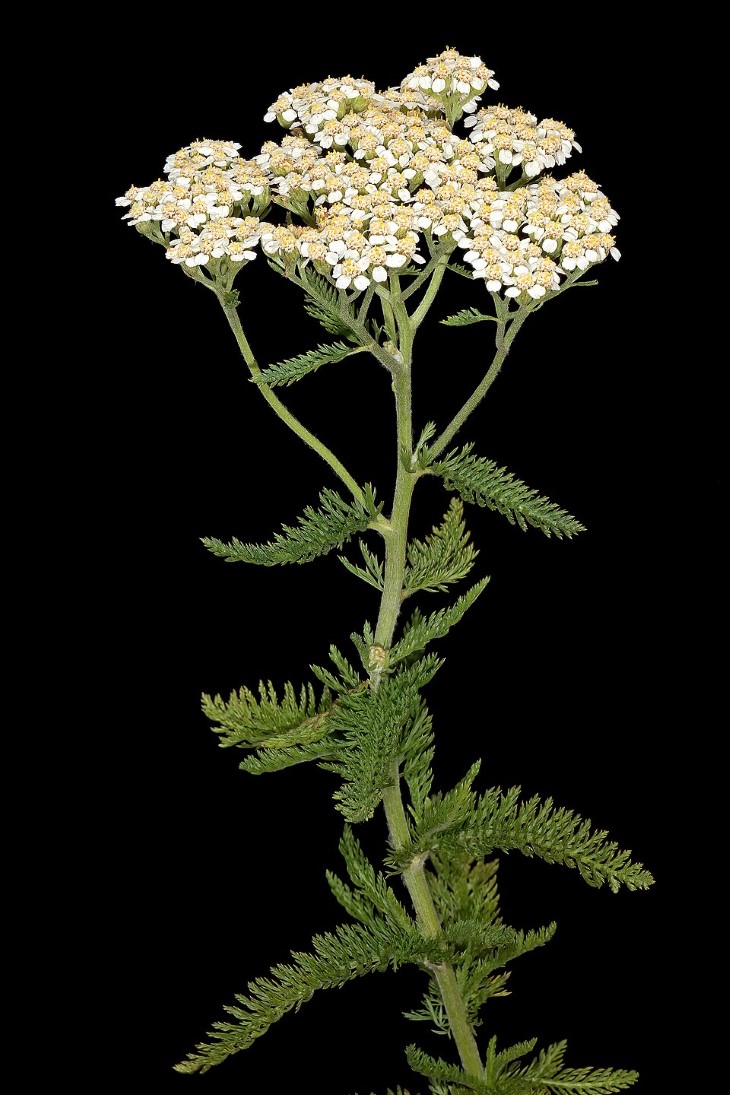
10. Yarrow (Achillea) Yarrow may be the ultimate carefree perennial — it's pest-resistant, spreads quickly, and acts as a pollinator magnet. Red, yellow, pink, or white flowers bloom throughout summer. Use it as ground cover for large spaces, and deadhead the flowers (snip them off when color fades) to encourage even more blooms. Zones 3–9; full sun.
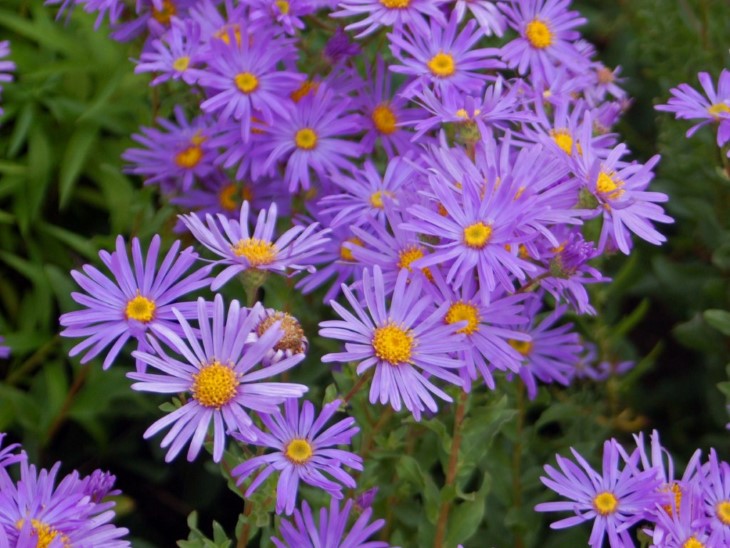
11. Asters These star-shaped blooms look a lot like daisies, but they're a different plant entirely — and they serve a very specific and valuable role in the garden. Asters come to life in late summer and fall, offering bees and butterflies a critical source of pollen when most other flowers have faded. They range from just eight inches to a full eight feet in height. Zones 3–8.
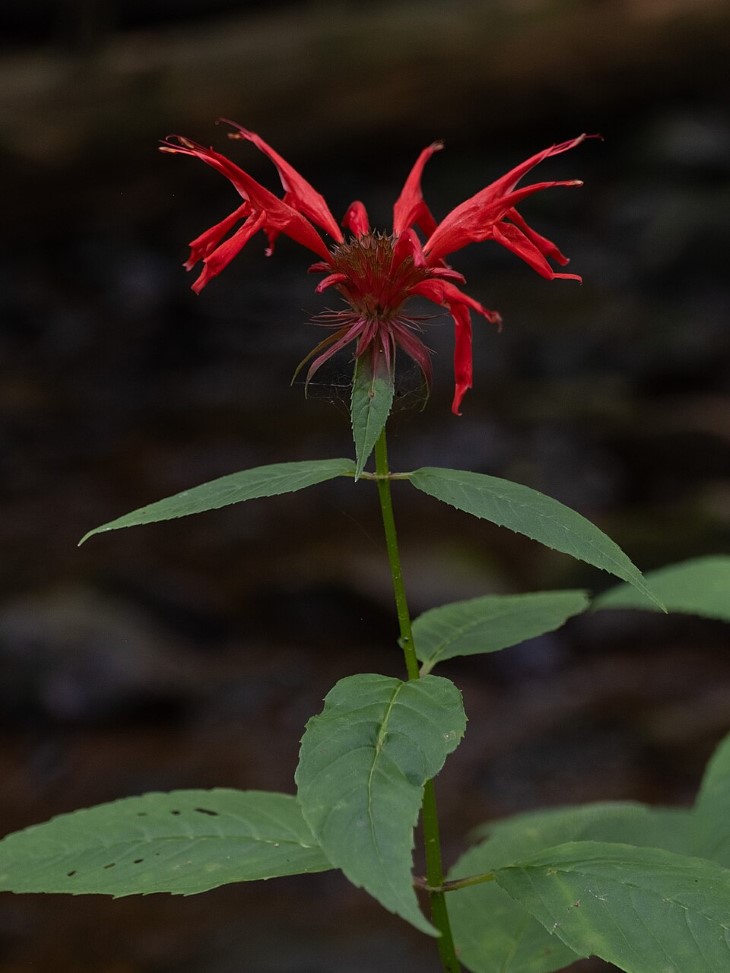
12. Bee Balm (Monarda Didyma) Bold, bright, and gloriously fragrant, Bee Balm produces large flowers in shades of berry red, pink, and purple that draw hummingbirds, butterflies, and bees in droves. Bonus: crush the flowers and you'll release a spicy aroma that's wonderful for making herbal tea. Cut back the foliage after flowering to encourage new growth. Zones 4–9; early summer to early fall.
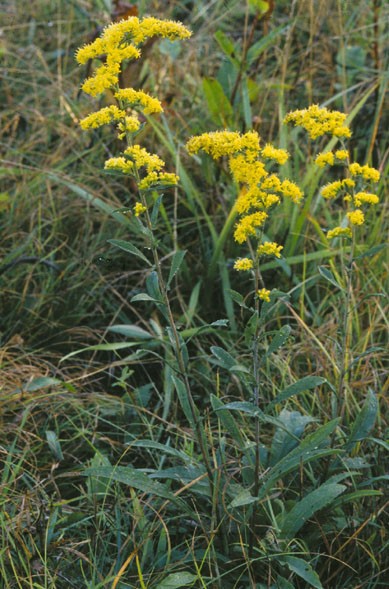
13. Goldenrod (Solidago) If your garden leans heavily on greens and neutral tones, Goldenrod adds a striking burst of bright golden-yellow with its tall, feathery spikes. It does spread enthusiastically, so give it a bit of management to keep it in check — but otherwise it's virtually effortless. Zones 2–8; full sun; late summer to fall.
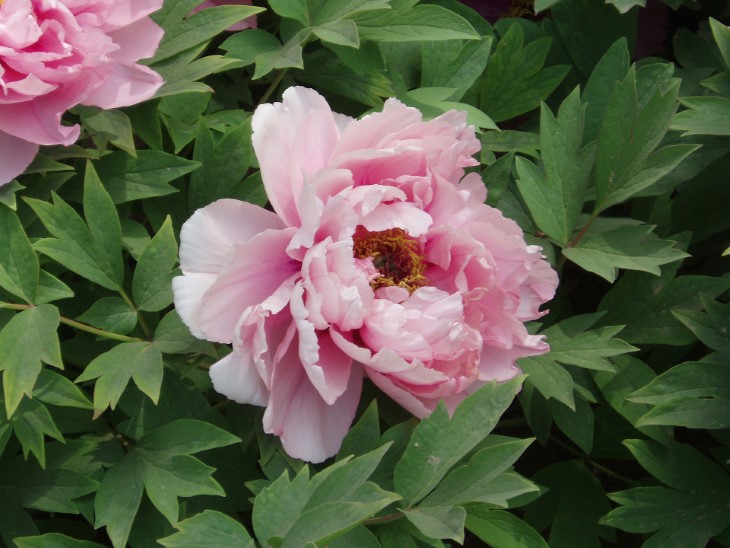
14. Peonies Here's a plant that might literally outlive you. Peonies have been known to bloom for up to 100 years, making them one of the most extraordinary investments in gardening. Their large, lush flowers — most commonly pink, but also white, red, orange, and yellow — have a sweet scent and make stunning cut flowers. Plant them in full sun with well-drained, slightly acidic soil. Zones 2–8; late spring to early summer.
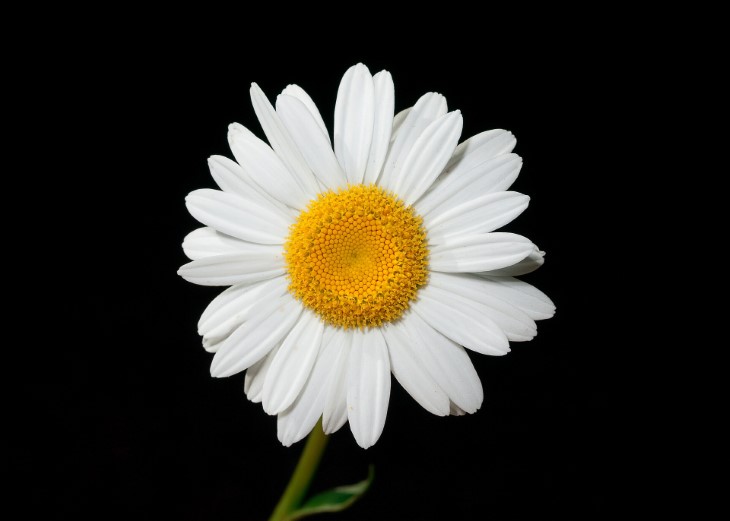
15. Shasta Daisy (Leucanthemum) If deer are a persistent problem in your yard, Shasta Daisies are your answer. These bright white and yellow blooms are both deer- and rabbit-resistant, and they grow in clumps that fill in empty garden spots beautifully. Cut them for a simple, fresh vase arrangement and they'll regrow quickly. Zones 5–8; full sun; late spring to fall.
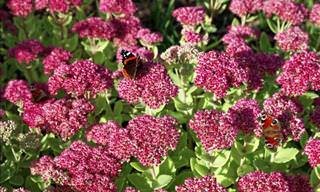
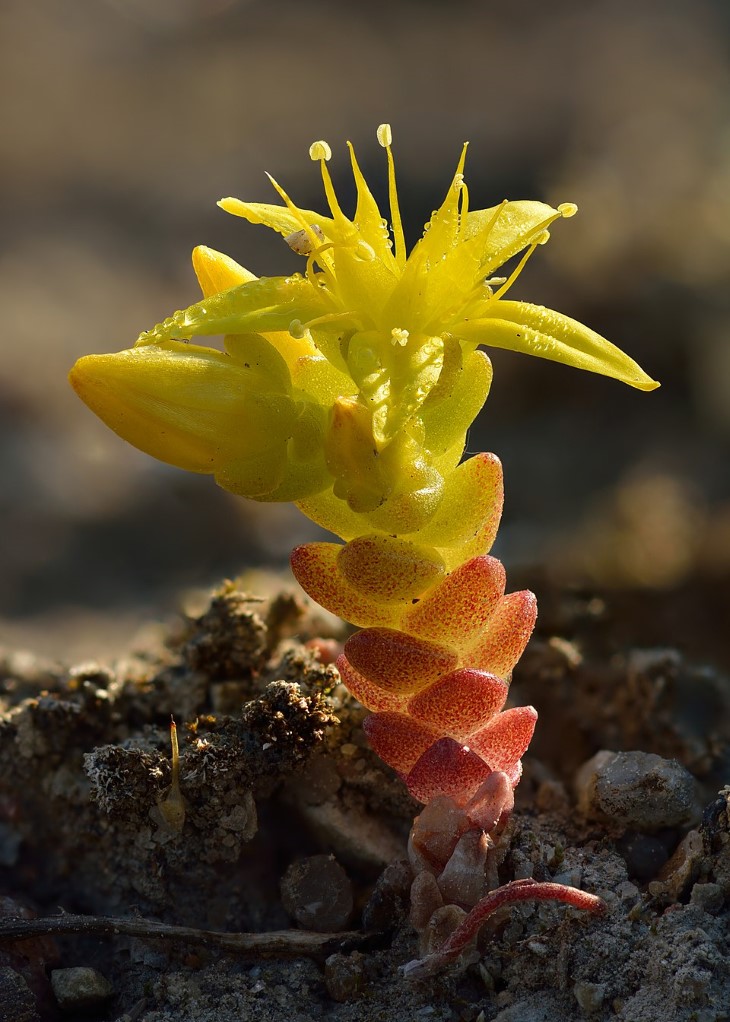
16. Stonecrop (Sedum) Stonecrop is a succulent-type perennial that produces clusters of tiny star-shaped flowers in pink, red, or yellow, and pollinators simply can't resist them. Choose low-growing varieties for ground cover or upright varieties for more height and drama. Either way, they're extremely easy to care for. Zones 3–10; full sun; summer to fall.
17. Phlox Phlox does double duty in the garden: low-growing varieties bloom in early spring as a colorful ground cover, while taller varieties — reaching three to five feet — take over in summer, creating a fragrant, star-shaped floral backdrop. These beauties require very little care and tolerate some shade. Zones 2–9; spring to summer.
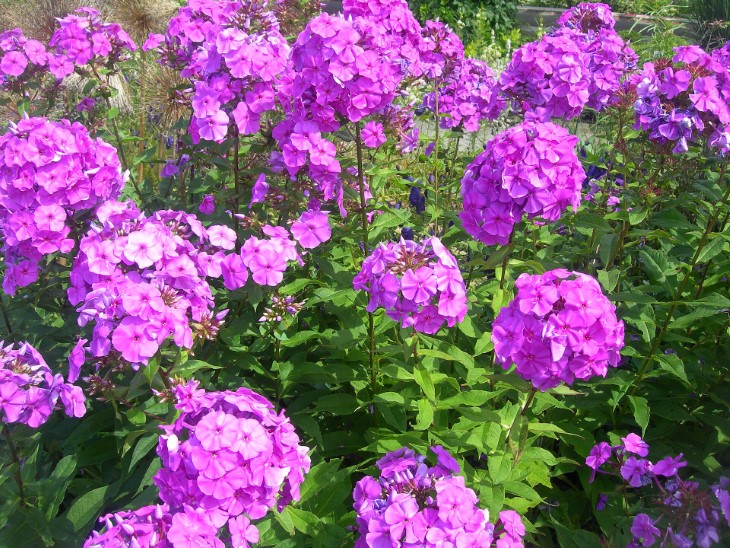
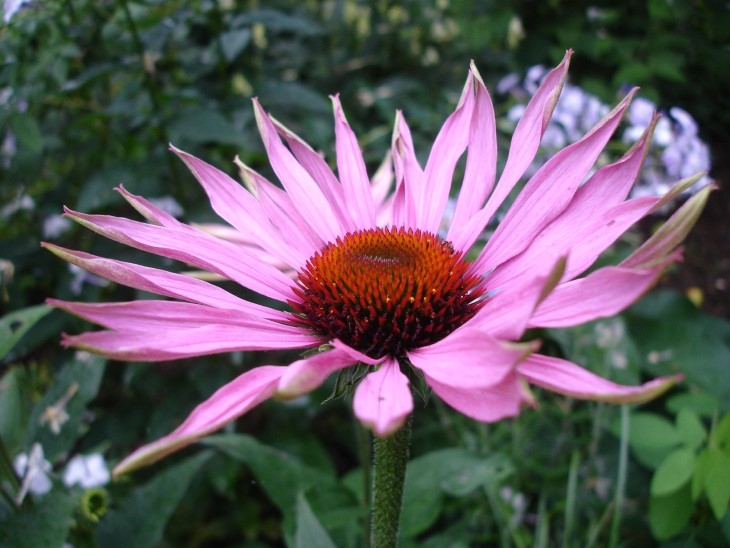
18. Coneflowers (Echinacea) Bold, cheerful, and nearly effortless, coneflowers come in pinks, purples, oranges, and yellows. As members of the daisy family, they self-sow seeds all season long, grow quickly, and attract butterflies while tolerating drought conditions. A perennial that truly earns its keep. Zones 3–9; full to partial sun; summer to fall.
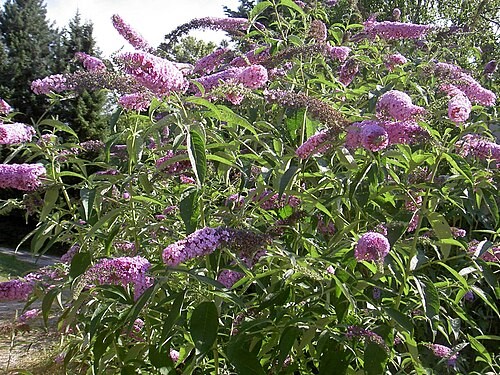
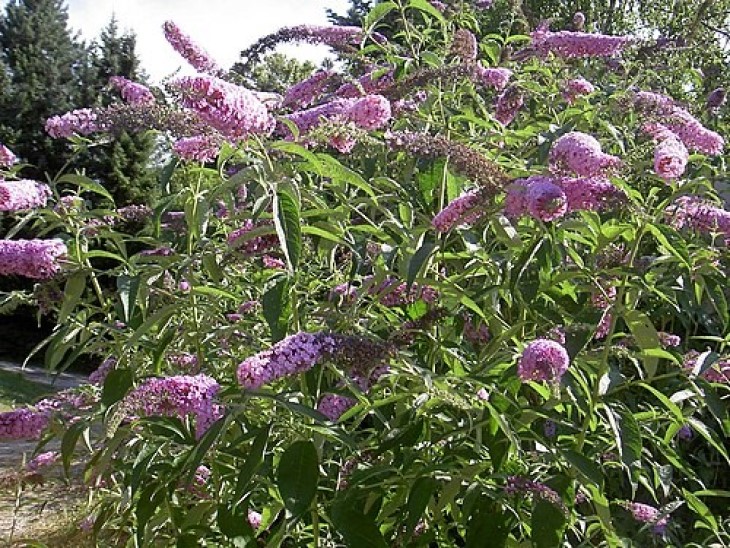
19. Butterfly Bush (Summer Lilacs) True to its name, the Butterfly Bush is a magnet for butterflies throughout summer and fall. Its long, cone-shaped flower clusters come in white, dark purple, and lavender-pink — with the pink-lavender variety being the most irresistible to pollinators. Annual pruning will keep it looking its best. Zones 5–10; full sun; summer to fall.
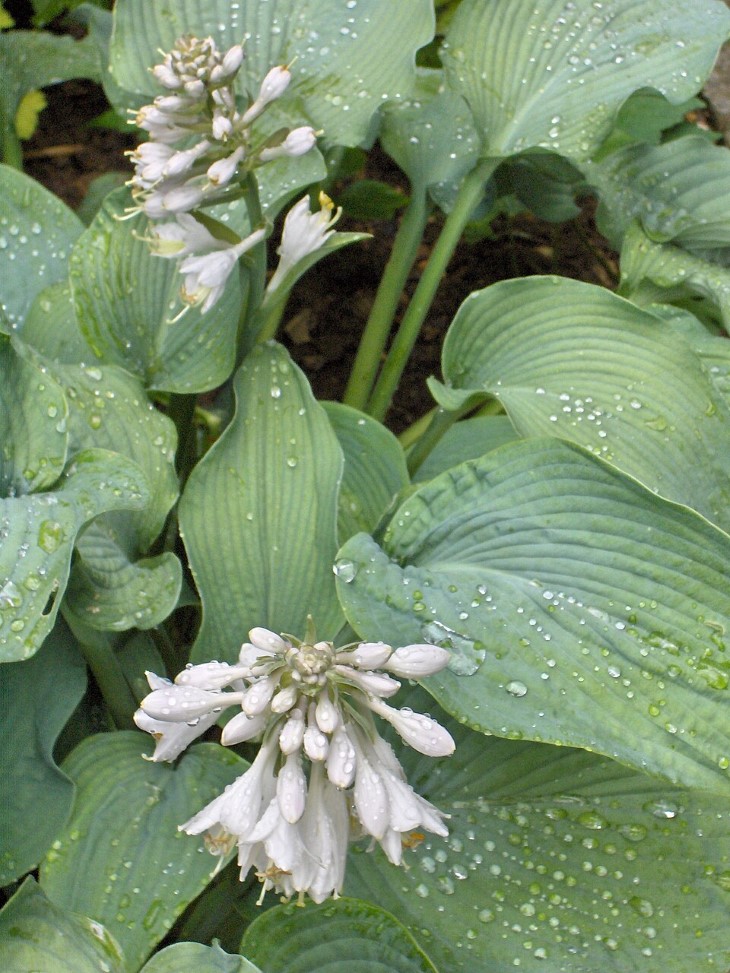
20. Hostas Hostas are the gold standard of low-maintenance foliage. Their lush, layered leaves come in a range of green shades with white or purple flowers, and they can live for decades. Contrary to popular belief, they don't require deep shade — lighter-leafed varieties actually need more sun. Versatile, dependable, and beautiful. Zones 3–9; partial shade; summer to fall.
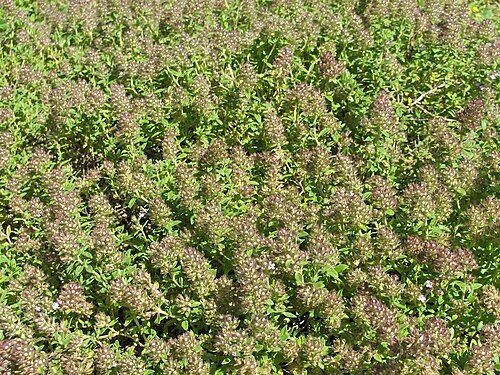
21. Mother of Thyme (Creeping Thyme) This fragrant, low-growing ground cover is equally at home between garden stepping stones as it is bordering a vegetable patch. Its tiny blooms add lovely color in late spring, and the leaves can be used in potpourri or brewed into a calming tea. Thrives in sandy or rocky soil. Zones 4–8; full sun.
A Few Tips Before You Plant
When choosing perennials, always check your hardiness zone — it's the single most important factor in whether a plant will survive your winters. Also consider sunlight: "full sun" means six or more hours of direct sun a day, "partial sun" means three to four hours, and "full shade" gets minimal direct sun.
And remember — if you grow perennials from seeds, some may take a couple of years to fully establish before they bloom. Patience pays off. Once they're settled in, many of these beauties will reward you with color and life for years — and in some cases, for generations — to come.