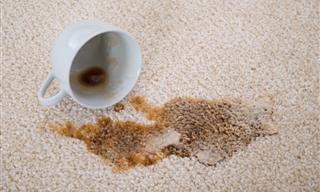

In busy households, mess accumulates quickly. Rather than dreading extensive deep cleaning sessions—scrubbing grout, mopping floors, and dusting every surface—incorporating small cleaning tasks into daily routines can prevent buildup and maintain a consistently tidy home.
These simple habits take only minutes each day, with some requiring just 30 seconds. Spending 15 to 20 minutes on daily maintenance can save hours of intensive cleaning later, eliminating the need for marathon Sunday cleaning sessions.

Beds shouldn't be made immediately upon waking. Instead, pull down the covers slightly, fluff the pillows, and allow everything to air out for about an hour. Opening a window when weather permits helps even more. This simple practice helps extend the time between sheet changes by allowing moisture from nighttime perspiration to evaporate rather than being trapped under tightly made bedding.
During this airing period, moisture dissipates and the mattress and linens can breathe. This not only keeps bedding fresher longer but also helps prevent dust mites, which thrive in warm, moist environments. Once the bed has aired, making it takes less than two minutes but instantly makes the bedroom feel cleaner and more organized. A made bed sets a positive tone for the day and makes the evening routine more inviting.
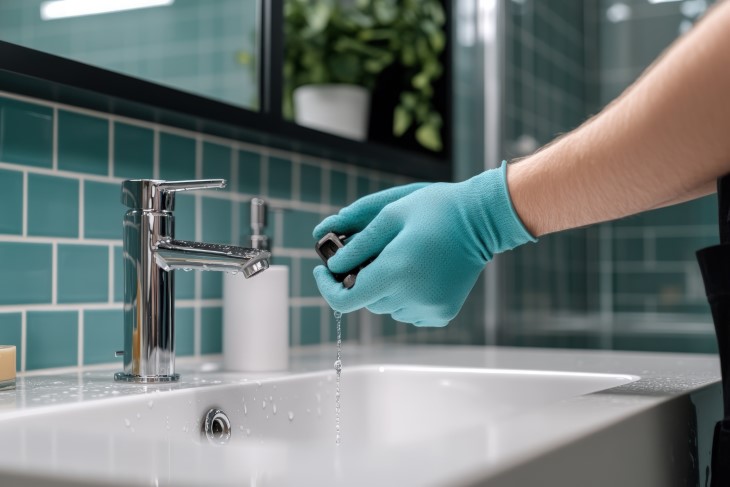
Bathroom sinks and countertops quickly accumulate residue from daily grooming routines—toothpaste splatters, soap scum, makeup residue, and water spots. A quick daily wipe-down of the counter, sink, and faucet with a microfiber towel—or even a washcloth before tossing it in the laundry—keeps surfaces fresh and prevents stubborn buildup that requires heavy scrubbing later.
Keeping a bottle of all-purpose cleaner within easy reach makes it simple to use cleaning products a few times per week, though water and a cloth work fine for daily maintenance. The beauty of this habit is its flexibility: some days might call for a thorough cleaning with product, while other days a simple wipe with a damp cloth is sufficient. Pay special attention to the faucet, as mineral deposits and water spots are easier to prevent than remove. This daily habit also helps maintain the shine on fixtures and prevents grime from settling into the grout around the sink.
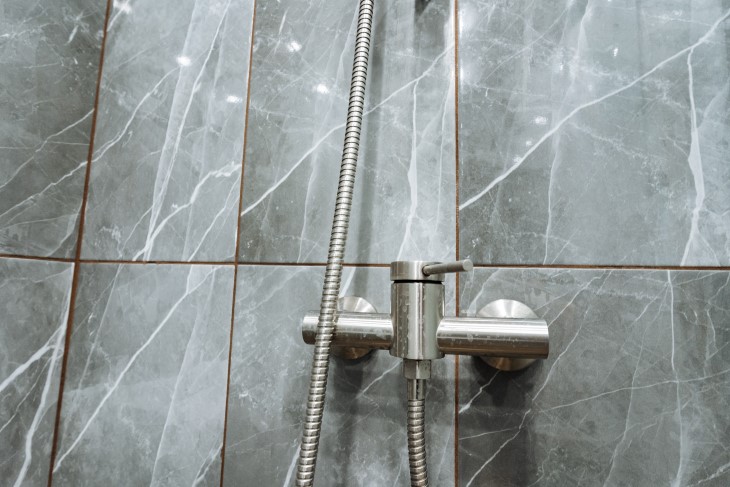
For those with handheld showers, adding 30 seconds to the shower routine makes a significant difference in preventing soap scum, mildew, and hard water stains. Simply rinse down the walls, shower curtain, and faucet with warm water before finishing. This quick rinse removes soap residue and shampoo buildup before they have a chance to dry and harden on surfaces.
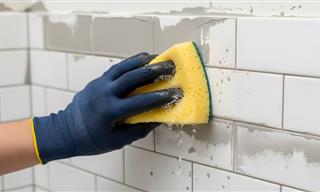
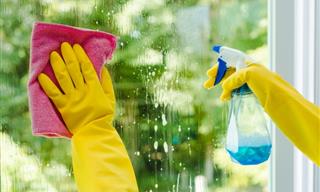
Using a squeegee to quickly dry the walls provides extra protection, especially for glass shower doors, which are notorious for showing water spots and soap scum. The squeegee technique is particularly effective because it removes the water that would otherwise dry and leave mineral deposits. For tile showers, this daily practice prevents the grout from becoming discolored and reduces the growth of mildew in damp corners. Over time, this simple habit can dramatically reduce the frequency of deep bathroom cleaning sessions and keep the shower looking sparkling clean with minimal effort.
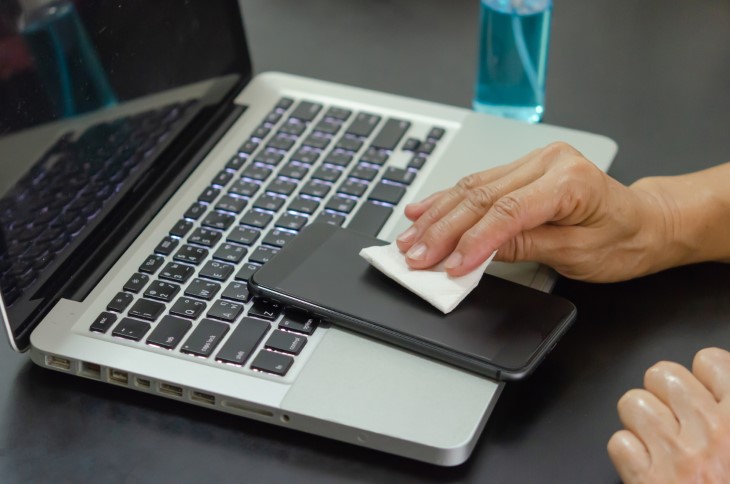
Mobile devices and keyboards collect germs throughout the day, especially in public spaces like public transportation, offices, and stores. Wiping down phones and laptop keyboards daily with disinfecting wipes keeps germs from spreading throughout the home and reduces the risk of illness. Studies have shown that phones can harbor more bacteria than toilet seats, making daily disinfection especially important.
Specialized screen cleaners work well for displays without damaging sensitive surfaces or leaving streaks. While at it, consider wiping down bags, purses, and light switches—all high-touch surfaces that accumulate germs. This habit is particularly crucial during cold and flu season or when using public transportation regularly. The entire process takes less than two minutes but provides significant health benefits. For those concerned about screen protectors, most modern cleaning wipes are safe for these surfaces, though checking manufacturer recommendations is always wise.
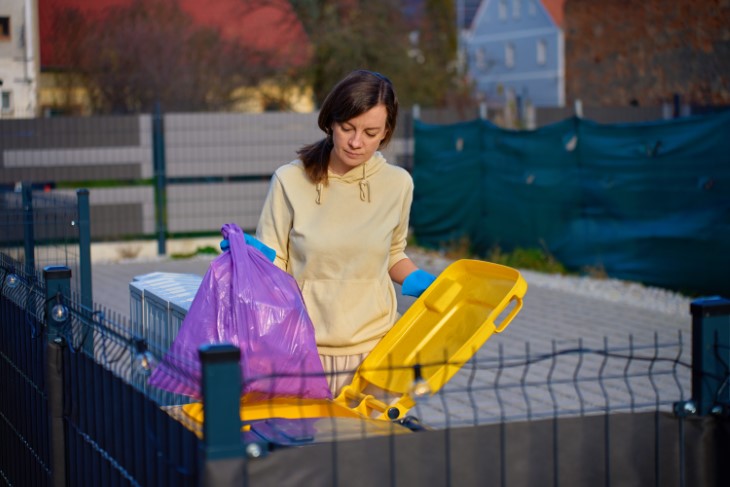
Setting a timer for 3–5 minutes encourages quick tidying sessions that prevent clutter from taking over living spaces. Use this time to put away shoes, empty bags, clear counters, toss junk mail, and load dishes into the dishwasher. This focused burst of activity is surprisingly effective—most people can accomplish far more in five minutes than they expect.
Ideally, tidying in small bursts throughout the day prevents accumulation, though end-of-day sessions work well too. The "one touch" rule helps: when picking something up, put it in its proper place rather than moving it from one surface to another. This might mean hanging up coats immediately upon entering the house, sorting mail directly over the recycling bin, or returning items to their designated spots as soon as they're no longer in use. These micro-habits compound over time, creating a consistently organized environment that feels more spacious and less stressful. When everything has a designated place, tidying becomes almost automatic rather than a decision-making process.
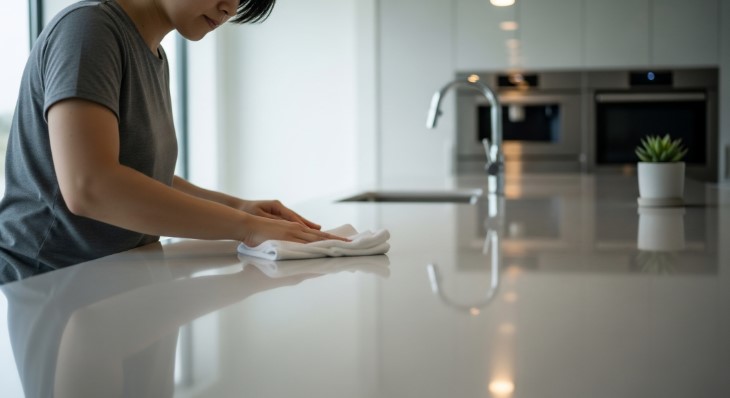
Clean kitchen counters while cooking, then perform a more thorough wipe-down after meals. A Swedish dishcloth with all-purpose cleaner works well, though mild dish soap and water suffices for most surfaces. The cleaning doesn't need to be perfect—sometimes moving items out of the way works, other times a quick wipe around larger objects is enough. The goal is progress, not perfection.
Addressing spills and splatters immediately while cooking prevents them from hardening and becoming difficult to remove. Food particles, grease, and liquid spills are exponentially easier to clean when fresh. After dinner, take an extra minute to move appliances and wipe beneath them, getting into corners and along backsplashes where crumbs tend to accumulate. This prevents the buildup of sticky residue that eventually requires serious elbow grease to remove.
Note: Not all cleaners are safe for natural stone countertops like granite or marble. These surfaces require pH-neutral cleaners to avoid etching or dulling the finish. When in doubt, soap and water are universally safe options.
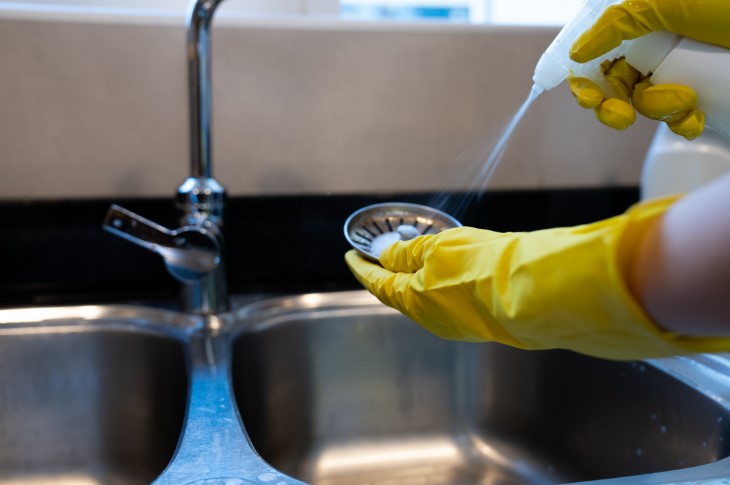
After loading the dishwasher, use the kitchen sprayer to rinse out the sink, washing away food particles, coffee grounds, and other debris. Keeping a designated sponge for scrubbing the sink with dish soap makes daily cleaning easy, though every few days works fine too. The sink is one of the germiest places in the home, so regular attention pays dividends.
Don't forget to rinse around the drain and disposal area, where food particles tend to collect and create odors. For stainless steel sinks, a quick wipe in the direction of the grain helps maintain the finish and prevents water spots. Some people prefer to do a final rinse and dry of the sink before bed, ensuring they wake up to a clean kitchen. This small habit makes morning routines more pleasant and prevents the overnight development of odors or bacterial growth. Taking an extra 30 seconds to wipe down the faucet keeps it shining and prevents the buildup of hard water deposits that eventually require harsh chemicals to remove.
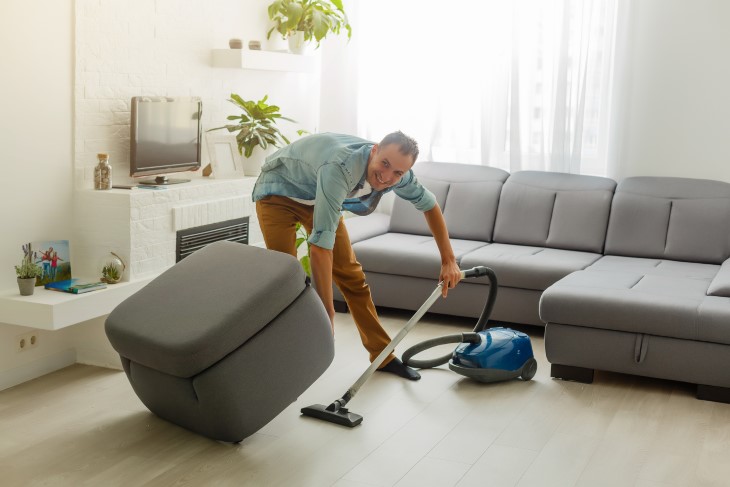
Cordless vacuums make daily cleaning manageable and eliminate the hassle of plugging and unplugging a traditional vacuum or dragging it from room to room. Spending just a few minutes vacuuming high-traffic areas like the kitchen and entryway, then moving to bedrooms and living spaces when time allows, prevents dirt and debris from spreading throughout the home.
The kitchen tends to accumulate the most debris—crumbs from meal preparation, spills, and tracked-in dirt from the entryway. Addressing this area first prevents these particles from being walked into other rooms. The entryway is the next priority, as this is where outdoor dirt first enters the home. By capturing it here, the rest of the house stays cleaner longer.
For pet owners, daily vacuuming is especially crucial for managing fur and dander. Even a quick pass makes a noticeable difference in air quality and reduces allergens. The beauty of daily vacuuming is that it never becomes a big job—there's never enough dirt to fill the canister, and each session takes only a few minutes. This approach is far less daunting than facing a week's worth of accumulated dirt and hair during a weekend deep clean.
Specialized screen cleaners work well for displays without damaging sensitive surfaces or leaving streaks. While at it, consider wiping down bags, purses, and light switches—all high-touch surfaces that accumulate germs. This habit is particularly crucial during cold and flu season or when using public transportation regularly. The entire process takes less than two minutes but provides significant health benefits. For those concerned about screen protectors, most modern cleaning wipes are safe for these surfaces, though checking manufacturer recommendations is always wise.
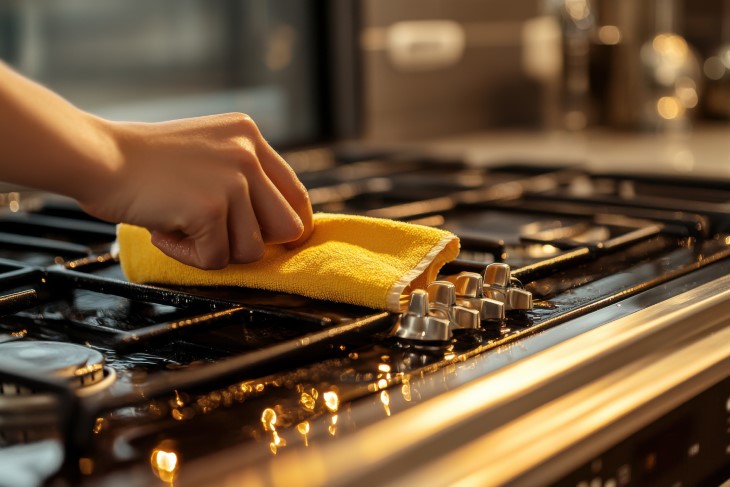
Though after-dinner cleanup can feel lengthy, spending two minutes daily wiping the stovetop saves extensive scrubbing later. Using a microfiber towel to quickly remove loose food and splatters keeps the surface consistently clean, rarely requiring deeper cleaning. The trick is addressing spills while the stove is still slightly warm (but not hot enough to burn), as warmth helps loosen grease and food particles.
Grease splatters and boiled-over liquids become increasingly difficult to remove as they sit and harden. What takes two minutes to wipe away immediately can require 20 minutes of scrubbing with harsh chemicals if left for a week. Pay attention to the areas around burners and knobs, where buildup tends to accumulate unnoticed. For gas stoves, removing and wiping down the grates once a week prevents the need for intensive degreasing sessions.
This daily habit also helps identify any mechanical issues early—noticing that burners aren't igniting properly or that knobs are sticking can prompt timely maintenance before problems worsen. A clean stovetop also makes cooking more enjoyable and hygienic, as there's no risk of yesterday's grease contaminating today's meal.
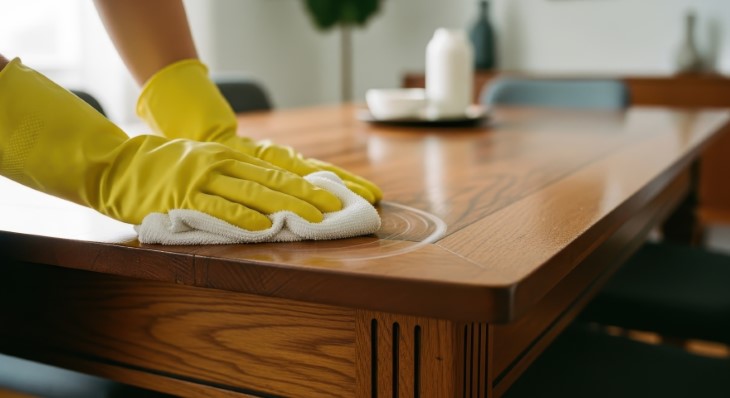
Taking 30 seconds to wipe down kitchen tables, coffee tables, or wherever meals are consumed prevents sticky buildup and crumb accumulation. With consistent daily cleaning, elaborate cleaning products aren't necessary—a damp Swedish dishcloth typically does the job. This habit is especially important in households with children, where spills and sticky fingerprints are daily occurrences.
Beyond the obvious hygiene benefits, clean eating surfaces make mealtimes more pleasant and create a welcoming environment for family and guests. Crumbs left on tables attract pests and can quickly spread to chairs and floors when people sit down. Tables also tend to become catch-all surfaces for mail, keys, and other items, so a daily wipe-down provides an opportunity to clear clutter as well.
For wood tables, be mindful of using too much water, which can damage the finish over time. A barely damp cloth is usually sufficient. For glass tables, a dry microfiber cloth following the damp wipe prevents streaking. If meals are regularly eaten on the couch, include those surfaces in this daily routine—crumbs in upholstery are far harder to remove than those on hard surfaces.
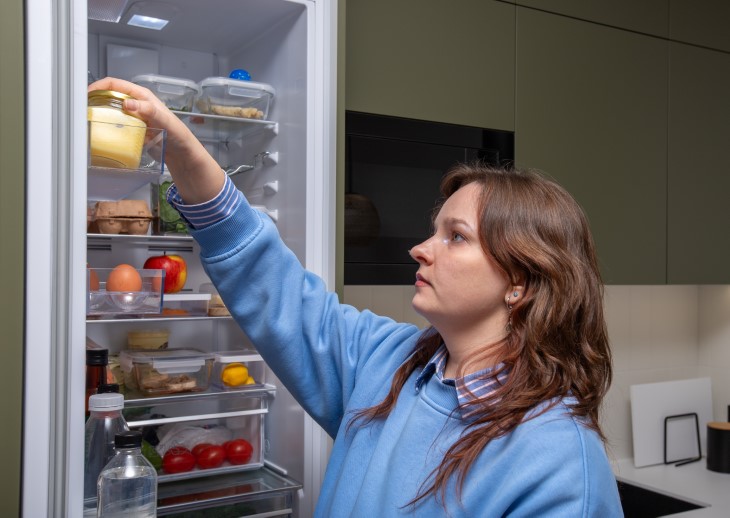
Unpleasant refrigerator odors develop from forgotten foods, and expired items can contaminate fresh groceries. Taking a minute daily to scan for nearly expired items or spoiled foods and discarding anything that won't be eaten prevents problems and reduces food waste. This habit also provides an opportunity to plan meals around items that need to be used soon.
Wiping down shelves when noticing sticky spots keeps the fridge fresh and prevents spills from hardening into difficult-to-remove messes. Dried spills can become breeding grounds for bacteria and mold, which can transfer to fresh food items. A quick wipe with a damp cloth takes seconds when spills are fresh but requires significant effort once dried.
This daily check also helps with meal planning and grocery shopping—knowing what's already in the fridge prevents duplicate purchases and helps ensure ingredients don't go to waste. Consider designating a specific shelf or area for items that need to be eaten soon, making them visible and top-of-mind. Organize leftovers with labels noting the date they were prepared, making it easier to identify what needs to be consumed first. This systematic approach transforms the refrigerator from a source of unpleasant surprises into an organized, efficient food storage system.