
This simple, fragrant drink promises to help digestion and warm your mornings — but does it actually work?
If your social media feed has recently been flooded with videos of people simmering chunks of apple in a pot of water, you’re not imagining things. “Boiled apple water” — sometimes called “boiled apple tea” — has become one of the internet’s favorite new wellness rituals. The idea is simple: chop up some apples, simmer them in water for a few minutes, and then sip the warm, naturally sweet liquid like you would a cup of tea. Some people eat the softened fruit as well, while others strain it out and just enjoy the drink.
The trend has spread rapidly across TikTok and Instagram, with creators crediting the drink with everything from improved digestion and better blood sugar control to a more mindful start to the day. But is there any real science behind the hype, or is this just another social media fad dressed up in wellness clothing? Let’s take a closer look.
What Exactly is Boiled Apple Water?
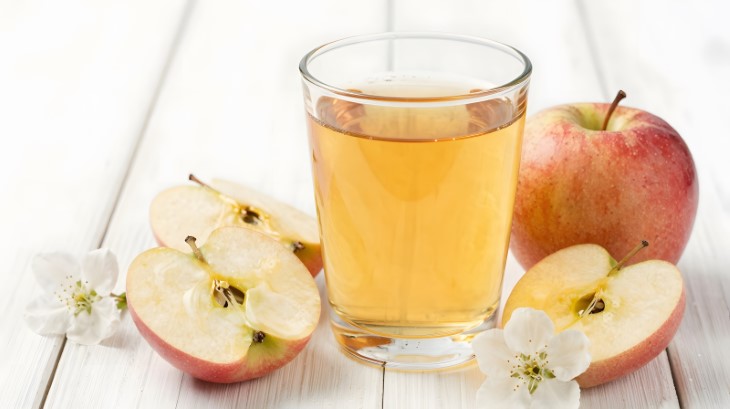
There’s no secret formula here. Boiled apple water is made by taking fresh apples — washed well or peeled, cored, and chopped — and simmering them in plain water until the liquid absorbs the fruit’s flavor, color, and aroma. Unlike apple juice, it isn’t pressed or sweetened. And unlike applesauce, the focus is on the warm liquid rather than the cooked fruit itself.
Many people like to add a sprinkle of cinnamon, a few slices of fresh ginger, or even a squeeze of lemon to enhance the taste. The result is a fragrant, gently sweet drink that feels comforting on a cold morning — sort of like apple cider’s more understated cousin.
Why Is Everyone Suddenly Making It?
Part of the appeal is how effortless it is. You only need two ingredients — apples and water — and the whole process takes about 15 minutes on the stove. There’s no blender, no juicer, no complicated recipe to follow. That simplicity fits perfectly with the broader trend of gentle, back-to-basics wellness routines that have been gaining traction online.
There’s also a cultural element at play. In many parts of the world — from East Asia to Eastern Europe to Latin America — warm fruit-infused drinks have been a staple of home remedies for generations. Whether it was to ease a stomachache, soothe a sore throat, or simply provide gentle hydration during cold weather, the practice of simmering fruit in water is far from new. Social media has simply given it a fresh spotlight and a modern aesthetic.
What About the Health Claims?
This is where things get a bit more nuanced. Apples are undeniably nutritious — they’re packed with soluble fiber, antioxidants, and various plant compounds that support overall health. Some of these compounds do transfer into the water during the simmering process, which is why the liquid takes on that golden hue and fruity taste.
However, nutrition experts caution against expecting too much from the drink. According to registered dietitian Valerie Agyeman, boiling apples may make the soluble fiber slightly easier to digest for some people, but it doesn’t dramatically increase the fruit’s nutritional value. In fact, the heat can slightly reduce certain heat-sensitive nutrients, such as vitamin C. In other words, boiled apple water isn’t nutritionally superior to simply biting into a fresh apple.
As for the more ambitious claims circulating online — that boiled apple water can regulate blood sugar, boost the immune system, or support weight loss — there’s currently no strong scientific evidence to back them up. These benefits are largely anecdotal, and while apples are certainly a healthy food, simmering them in water doesn’t unlock any hidden superpowers.
So What’s the Real Benefit?
Interestingly, the biggest advantage of boiled apple water may have less to do with nutrition and more to do with the habits it encourages. For people who struggle to eat enough fruit or drink enough water throughout the day, this warm, flavorful drink offers a pleasant way to address both at once. It’s hydrating, it’s naturally sweet without added sugar, and it’s a far healthier option than many flavored drinks on the market.
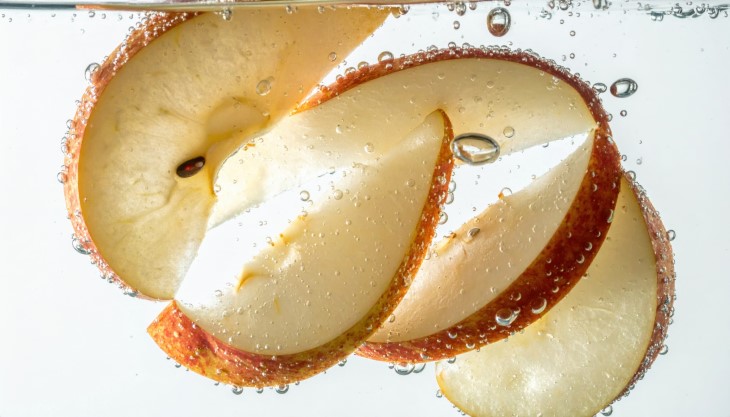
For those who find raw apples hard to digest — people with sensitive stomachs, for instance, or older adults who prefer softer foods — the cooked version may be easier on the gut. And then there’s the simple comfort factor: holding a warm mug on a chilly morning, inhaling the scent of simmered apples and cinnamon, and taking a few quiet minutes before the day gets hectic. That kind of mindful ritual can be genuinely beneficial for mental well-being, even if it doesn’t show up in a nutrition chart.
“Boiled apples smell and taste amazing,” Agyeman notes, “and if it gets people eating more fruit and fiber, I’m all for it. At the end of the day, it’s the overall fiber you get throughout the day that really matters — not whether your apple was boiled or raw.”
How to Make Boiled Apple Water at Home
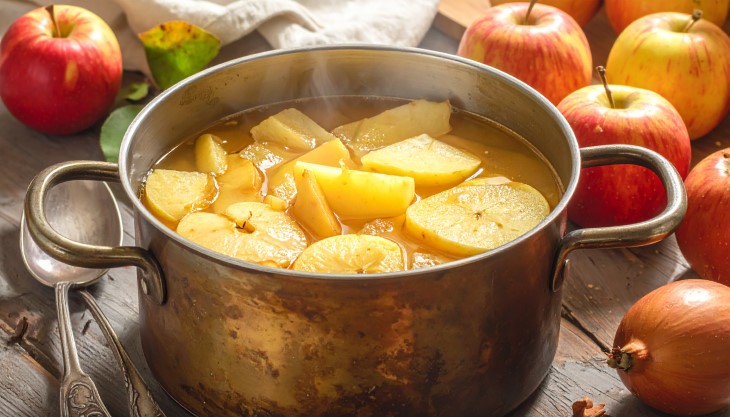
If you’d like to try this trend for yourself, here’s a basic method.
1. Wash two medium apples thoroughly (organic if possible), then core and chop them into chunks — you can leave the skin on for extra nutrients.
2. Place the pieces in a small pot with about three to four cups of water.
3. Bring it to a boil, then reduce the heat and let it simmer gently for 10 to 15 minutes. You’ll notice the water turning a warm amber color and the kitchen filling with a lovely, sweet aroma.
A little tip: If you like, add a cinnamon stick, a few slices of fresh ginger, or a small squeeze of lemon juice during the last couple of minutes. Strain the liquid into a mug, or leave the softened apple pieces in and eat them along with the drink. It’s entirely up to you — there’s no wrong way to enjoy it.
The Bottom Line
Boiled apple water is not a miracle drink, and it won’t replace a balanced diet or a visit to the doctor. But it is a lovely, wholesome habit that can make your mornings a little warmer and your fruit intake a little more enjoyable. If sipping on a cup of naturally sweet, apple-infused water helps you start the day feeling good, there’s absolutely no reason not to keep doing it. Sometimes the best wellness advice isn’t about dramatic health overhauls — it’s about finding the small, pleasant rituals that actually stick.